Dominican Republic · Distrito Nacional
Where to Stay in Santo Domingo, Distrito Nacional
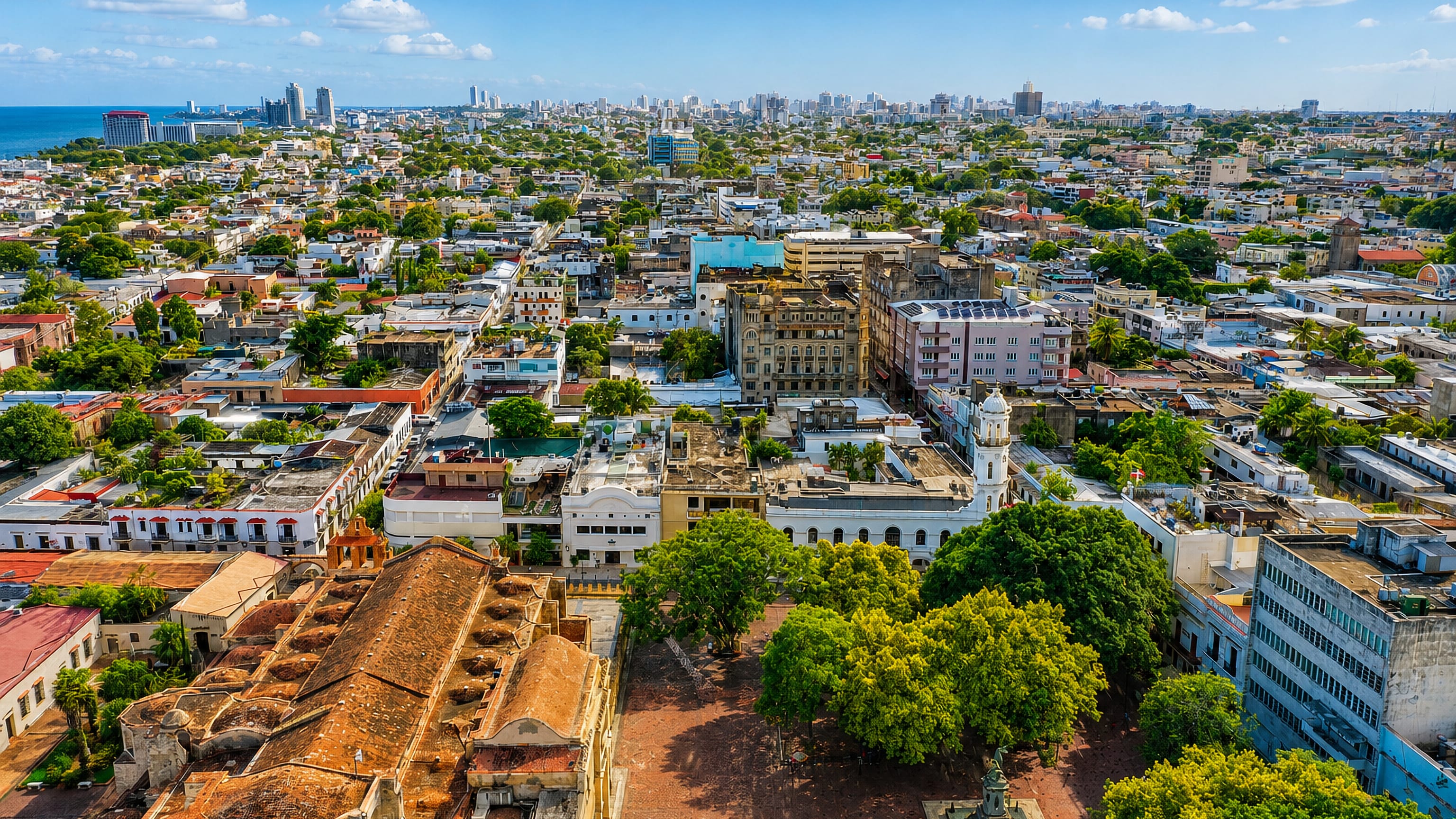
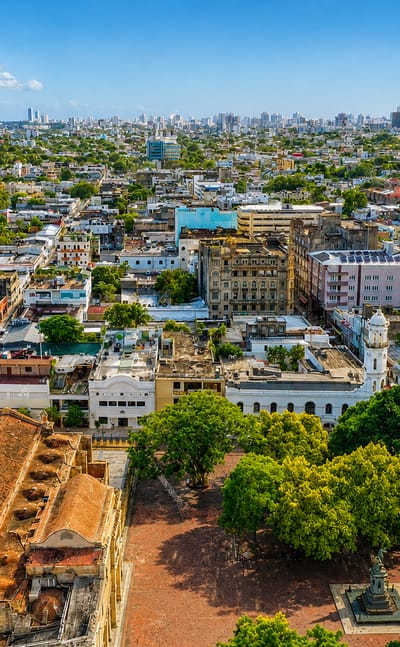
Santo Domingo is the capital of the Dominican Republic, the oldest European city in the Americas, set on the Caribbean coast of Hispaniola.
Hotel links are affiliate links: booking through them may earn us a commission, at no extra cost to you. It never affects how places are ranked. How this works


Where to stay in Santo Domingo
The right area depends on your trip — here's what each neighbourhood is best for.
 Santo DomingoDominican Republic
Bella Vista
Bella Vista is an upper-class residential sector of Santo Domingo, one of the neighbourhoods making up the Distrito Nacional.Where to stay →Santo DomingoDominican RepublicLa Agustina
La Agustina is a neighbourhood of the Distrito Nacional, the capital district whose limits are those of Santo Domingo itself.Where to stay →Santo DomingoDominican RepublicCristo Rey
Cristo Rey grew as a resettlement sector of Santo Domingo in the years around 1970, and Estadio Quisqueya Juan Marichal stands within it.Where to stay →Santo DomingoDominican RepublicVilla Consuelo
Villa Consuelo is a residential neighbourhood of Santo Domingo, inside the Distrito Nacional of the Dominican Republic.Where to stay →Santo DomingoDominican RepublicSan Carlos
San Carlos is an old sector of Santo Domingo, in the Distrito Nacional, known also as San Carlos de Tenerife.Where to stay →Santo DomingoDominican RepublicVilla Francisca
Villa Francisca is a lower-middle-class sector of Santo Domingo, inside the Distrito Nacional of the Dominican Republic.Where to stay →Hotel links are affiliate links: booking through them may earn us a commission, at no extra cost to you. It never affects how places are ranked. How this works
Find hotels in Santo Domingo
Direct booking searches for these neighbourhoods.
The walled old city
The UNESCO-listed core packs the earliest colonial stone architecture into a small walkable quarter, though protected fabric keeps hotel beds scarce. Rooms are few around here — worth securing early.Find hotels in The walled old citySport and museum visitors wanting the modern grid and more roomBeyond the walls near the Centro Olímpico
The districts around the Centro Olímpico Juan Pablo Duarte and the Museo del Hombre Dominicano trade heritage density for space in the wider Distrito Nacional.Find hotels in Beyond the walls near the Centro OlímpicoHotel links are affiliate links: booking through them may earn us a commission, at no extra cost to you. It never affects how places are ranked. How this works
Things to do in Santo Domingo
Ranked by global recognition; descriptions from Wikidata (CC0).
Museums & Galleries
3- Alcázar de Colón Heritage
- Museo del Hombre Dominicano
- Museum Memorial de la Resistencia Dominicana
Churches & Religious Sites
3- Dominican National Pantheon
- Monasterio de San Francisco
- Convento de los Dominicos, Santo Domingo
Stadiums & Sports
2- Estadio Quisqueya Juan Marichal
- Centro Olímpico Juan Pablo Duarte
worth knowingacross 3 categories in Santo Domingo
About Santo Domingo
What is Santo Domingo known for?
Santo Domingo is known first as the oldest continuously inhabited European settlement in the Americas, and its walled old city is inscribed on the UNESCO World Heritage List. The capital of the Dominican Republic carries that founding weight. Museums anchor the modern side, and the Museo del Hombre Dominicano and the Museo Bellapart draw students of the island's long past to a single quiet cluster.
Baseball matters too. The Estadio Quisqueya Juan Marichal fills on game nights.
What are the main landmarks in Santo Domingo?
Santo Domingo keeps its heritage in the walled old city and its memory in a ring of museums. The Museo del Hombre Dominicano tells the island's human story, while the Museo Nacional de Historia Natural sets out the natural one. Art hangs at the Museo Bellapart.
Sport has its shrines too: the Estadio Quisqueya Juan Marichal for baseball and the Dominican Sports Hall of Fame for the players who made the game the country's own.
What is the history of Santo Domingo?
Santo Domingo was founded in 1496, the first lasting European city in the Americas. That primacy shaped everything after. The settlement rose on Hispaniola as the administrative seat from which much of the wider Caribbean was governed, and its walled core still holds the earliest colonial stone streets on the continent, now inscribed on the UNESCO World Heritage List.
The country itself took its name from the city. Across the Dominican Republic it is common to call this place simply the capital rather than by name, a habit that says how completely the two identities merged. The old city endures within the modern Distrito Nacional, ringed on three sides by Santo Domingo Province, its founding-era plan still legible in the grid that visitors walk.
Where is Santo Domingo?
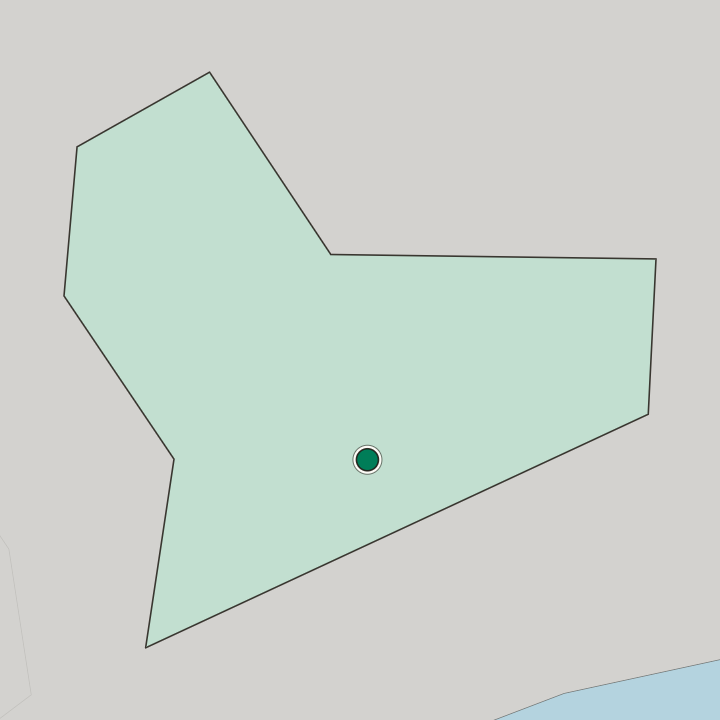
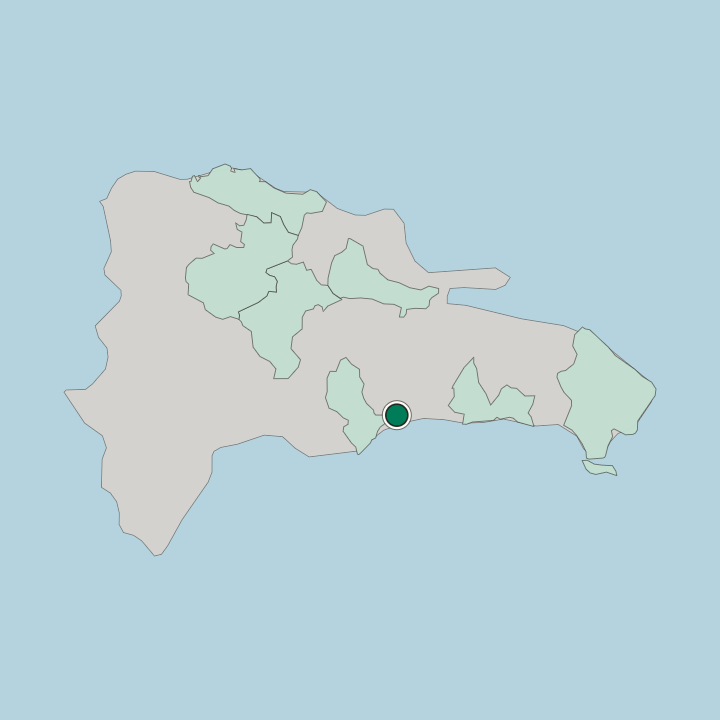
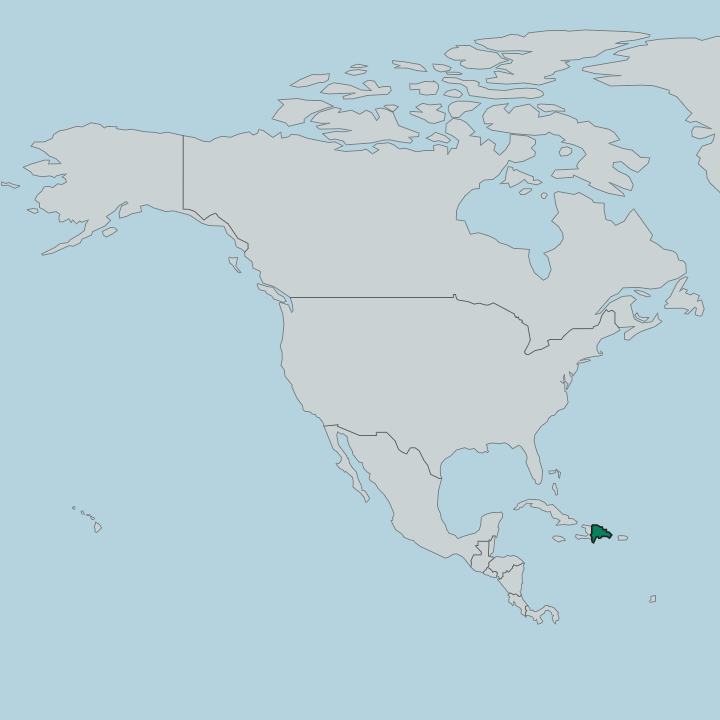
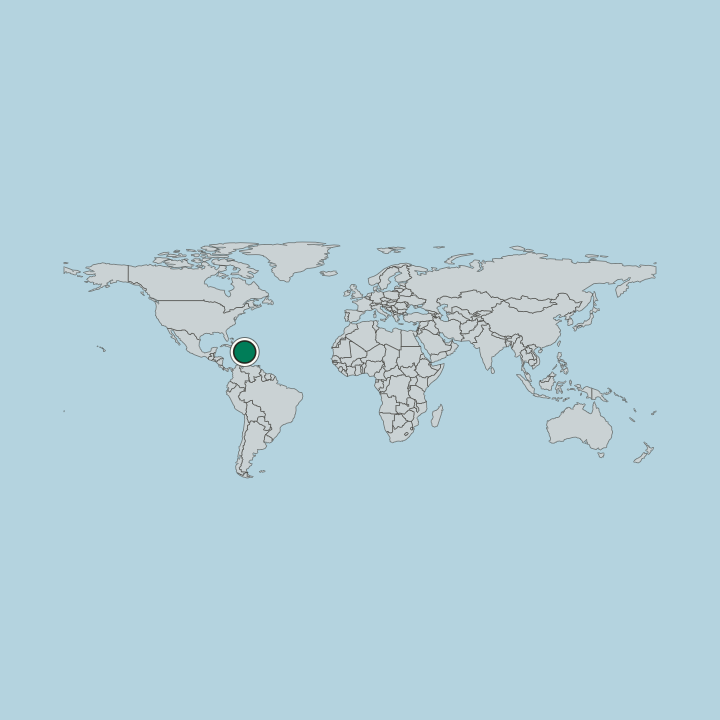
Santo Domingo sits on the southern Caribbean coast of Hispaniola, the island the Dominican Republic shares with its neighbour. The city is coterminous with the Distrito Nacional. Santo Domingo Province wraps the small federal district on its three landward sides, so the capital opens only to the sea, where the warm Caribbean water meets the founding shore and closes the map to the south.
It is the most developed city on Hispaniola.
What is the climate of Santo Domingo?
Santo Domingo has a tropical climate, warm and humid the year round on the Caribbean side of Hispaniola. Seasons divide by rain rather than by cold. A drier, breezier stretch runs through the northern-hemisphere winter, while the warmer months bring heavier showers and the risk of tropical storms that cross the Caribbean.
The sea keeps the coastal capital from ever turning truly cool.
How do you get to Santo Domingo?
Santo Domingo is the main point of entry to the Dominican Republic and the busiest hub on Hispaniola. Most arrive by air. Travellers land at the capital, then reach the walled old city and the wider Distrito Nacional by road within minutes of clearing the terminal.
Coastal highways run west and east along the Caribbean shore, and ferries and cruise calls add sea approaches to the founding port.
Common questions
What is the best area to stay in Santo Domingo?
The walled old city: Heritage-first travellers who want the Americas' oldest European streets on their doorstep. Beyond the walls near the Centro Olímpico: Sport and museum visitors wanting the modern grid and more room.
Good for
Updated October 2026