Algeria · Wilaya de Constantine
Where to Stay in Constantine, Wilaya de Constantine
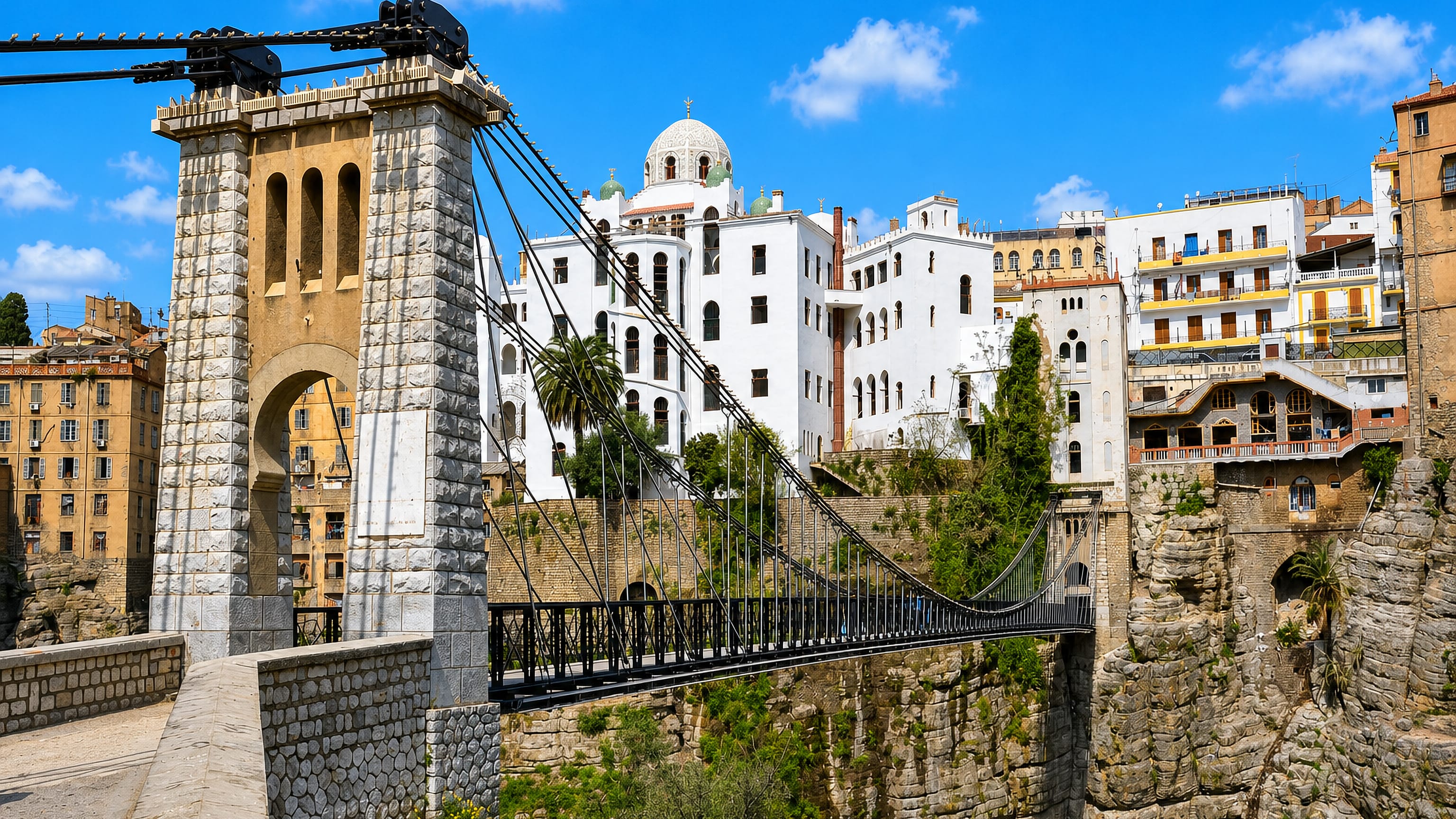
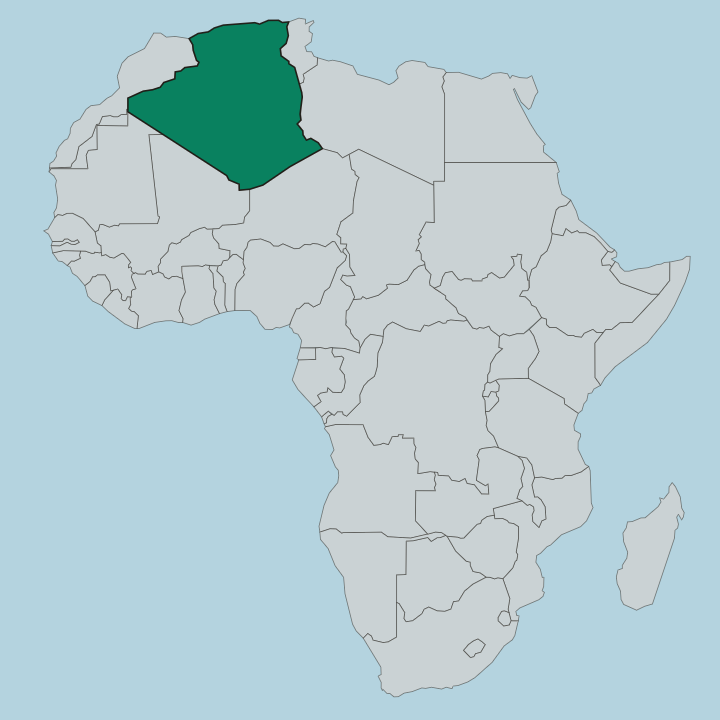
Bridges leap the gorges of Constantine, a plateau city in northeast Algeria and capital of Constantine Province, the old town once known as Cirta.
Hotel links are affiliate links: booking through them may earn us a commission, at no extra cost to you. It never affects how places are ranked. How this works


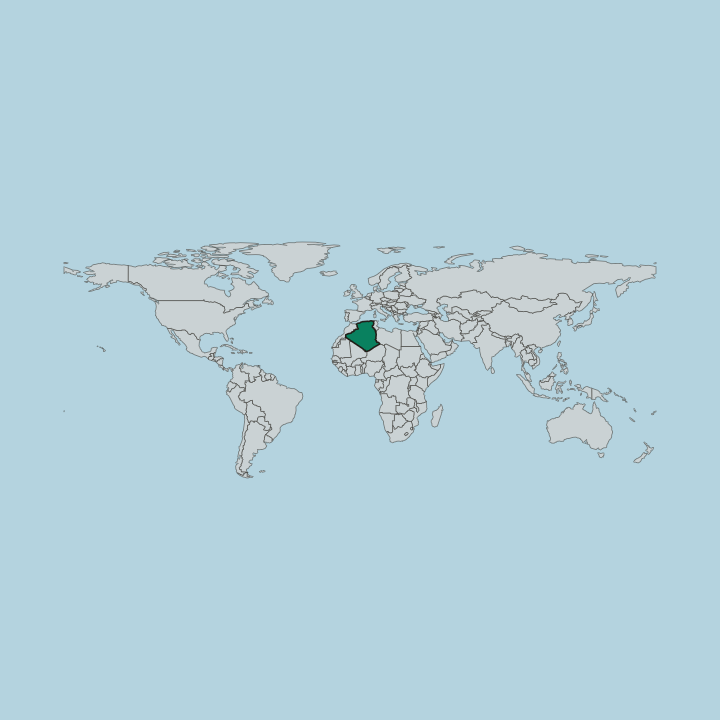
Where to stay in Constantine
Where visitors usually base themselves, and why.
Constantine sits on a plateau cut off on three sides by gorges, so nearly every base sits within sight of a bridge and a drop. The old town on the rock holds the tightest streets and the closest views of the ravines, a compact core where the Great Mosque of Constantine and the Hassan Bey Mosque stand within a short walk of each other. Stay here for the drama.
You wake to the gorge below and the bridges strung across it. Beyond the historic core the city spreads onto flatter ground, a calmer setting for those who want more room and an easier approach by car. The newer quarters put you near the Emir Abdelkader Mosque, whose scale marks the modern skyline, and within reach of the Cirta National Museum and the Constantine Regional Theater.
Families and longer-staying travellers tend to prefer this side, trading the vertigo of the old rock for space and quiet. Choose the plateau town for the gorges, the outer districts for the room to breathe.
Find hotels in Constantine
Direct booking searches for these neighbourhoods.
The old town on the rock
Constantine's plateau core packs the Great Mosque of Constantine and the Hassan Bey Mosque above the deepest ravines.Find hotels in The old town on the rockFamilies who want space and an easy arrival by roadThe outer plateau quarters
Away from the gorges the newer districts sit near the Emir Abdelkader Mosque, the Cirta National Museum, and the Constantine Regional Theater.Find hotels in The outer plateau quartersHotel links are affiliate links: booking through them may earn us a commission, at no extra cost to you. It never affects how places are ranked. How this works
Things to do in Constantine
Ranked by global recognition; descriptions from Wikidata (CC0).
Museums & Galleries
1- Cirta National Museum
Churches & Religious Sites
3- Great Mosque of Constantine Heritage
- Hassan Bey Mosque Heritage
- Emir Abdelkader Mosque
Castles & Historic Sites
1- Cirta
worth knowingacross 3 categories in Constantine
About Constantine
What is Constantine known for?
Constantine is known as the City of Bridges, a plateau town in northeast Algeria split by deep ravines. Eight bridges span the gorges that carve the rock apart, and the drop below them is what every visitor remembers first. On the plateau above sit the Emir Abdelkader Mosque and the Great Mosque of Constantine, with the Cirta National Museum keeping the record of the ancient town of Cirta.
Bridges, gorges, and minarets define it.
What are the main landmarks in Constantine?
The main landmarks of Constantine are its bridges and the plateau they connect. Eight bridges cross the gorges. They are the defining sight of the whole city, and the great span over the deepest ravine draws every camera.
Faith marks the skyline, from the Emir Abdelkader Mosque rising over the modern town to the Great Mosque of Constantine and the Hassan Bey Mosque in the old core. History lives in the Cirta National Museum, and the Constantine Regional Theater carries the stage life of the old town of Cirta.
What is the history of Constantine?
Constantine stands on the site of Cirta, a plateau stronghold whose ravines made it a fortress long before it took its later name. The gorges that ring the rock gave the town a natural defence, and its position on the high ground of northeast Algeria kept it a seat of power across successive eras. Rulers came and went.
Each left the plateau a little more built, until the crossings over the gorges grew into the eight bridges that earned the name City of Bridges. Faith and learning followed the same rock. The Great Mosque of Constantine and later the Hassan Bey Mosque rose within the old walls, and the Emir Abdelkader Mosque marks a far more recent chapter on the wider plateau.
The Cirta National Museum gathers the deep record of the ancient town below the modern streets. What survives is a city that has clung to one dramatic site through every change of hand.
Where is Constantine?
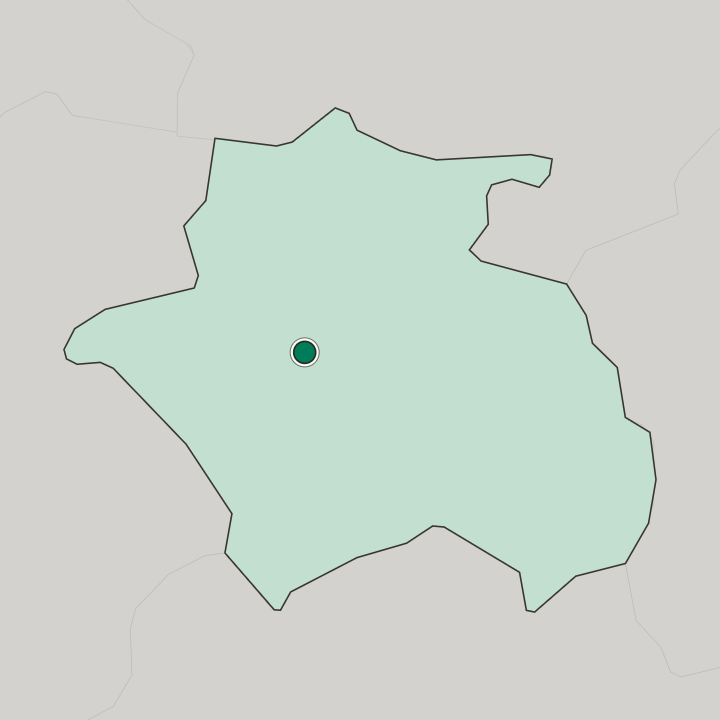
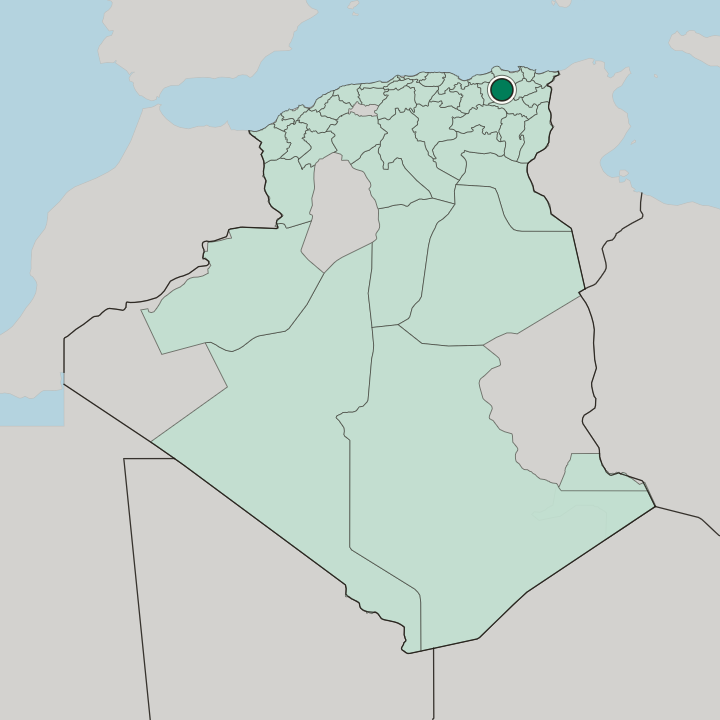
Constantine sits on a plateau in northeast Algeria, cut off on three sides by the deep gorges of the ravines that ring it, so the town seems to hang above the drop. Eight bridges span those chasms and make the crossings part of daily life. It is a plateau town before anything else.
Its whole shape follows the edge of the drop, from the old core of Cirta to the newer quarters spreading inland.
What is the climate of Constantine?
Constantine has a warm inland climate shaped by its high plateau in northeast Algeria. Summers on the exposed rock run hot and dry. Winters turn cooler and wetter than on the coast, and the high ground can grow sharply cold when the wind sweeps across the gorges and the ravines below.
Most rain falls before the summer. The long dry season then settles over the plateau.
How do you get to Constantine?
Constantine is the main hub of northeast Algeria, reached by air, rail, and road. Its airport links the plateau city to Algiers and to routes abroad, while the railway and highways tie it to the wider east of the country. Roads climb onto the rock across the gorges.
The eight bridges carry that traffic over the ravines that would otherwise cut the old town off entirely.
Common questions
What is the best area to stay in Constantine?
The old town on the rock: Travellers who want the gorges and bridges at their door. The outer plateau quarters: Families who want space and an easy arrival by road.
Good for
Updated September 2026