Ecuador · Provincia de Imbabura
Where to Stay in Ibarra, Provincia de Imbabura
Ibarra, capital of Ibarra Canton in Imbabura Province, is an Ecuadorian town of 1824 known for the Basílica de Nuestra Señora de La Merced.
Hotel links are affiliate links: booking through them may earn us a commission, at no extra cost to you. It never affects how places are ranked. How this works


Where to stay in Ibarra
Where the beds are, and what that means for the visit.
Most visitors settle within reach of the Basílica de Nuestra Señora de La Merced, since the blocks around it hold the town's services and the shortest walks to everything else worth seeing. Ibarra's centre covers little ground. That compactness is the argument for staying there, and it suits anyone who would rather spend an evening on foot than move about by taxi.
The Estadio Olímpico de Ibarra stands in the same town, and a fixture there changes what is available at short notice more than any tourist season does. Book ahead in that case. Beyond the town, Ibarra Canton runs out into farmland and scattered settlement, and a room out there buys quiet at the cost of a drive back in for anything after dark.
Inca-Caranqui lies in that direction. Staying nearer the archaeological ground makes sense for anyone whose visit is built around it, though the town keeps the better choice of beds and the easier connections across Imbabura Province. Distances inside the canton stay modest.
Ibarra works well as a base for the wider province, and most trips end up using the town for sleeping and the canton for the daytime.
Find hotels in Ibarra
Direct booking searches for these neighbourhoods.
Around La Merced
A short walk from the Basílica de Nuestra Señora de La MercedFind hotels in Around La MercedQuiet nights within reach of Inca-CaranquiOut in Ibarra Canton
Farmland and scattered settlement across Ibarra Canton. Lodging is scarce in this area; reserve in advance.Find hotels in Out in Ibarra CantonHotel links are affiliate links: booking through them may earn us a commission, at no extra cost to you. It never affects how places are ranked. How this works
About Ibarra
Ibarra keeps three very different landmarks.
What is Ibarra known for?
The Basílica de Nuestra Señora de La Merced, the Estadio Olímpico de Ibarra, and Inca-Caranqui set a church, a stadium, and a site of much older standing inside the same canton. Imbabura Province surrounds it. Ibarra Canton takes in a great deal of country beyond the built-up town, and the capital serves that whole area rather than only the streets around the basilica.
What are the main landmarks in Ibarra?
The Basílica de Nuestra Señora de La Merced is the building visitors look for first, standing over the centre of Ibarra and giving the town its most recognisable outline. Sport has its own monument. The Estadio Olímpico de Ibarra carries the public gatherings of the canton, while Inca-Caranqui holds an older layer entirely, a site whose name joins Inca and Caranqui in a single word.
What is the history of Ibarra?
The canton dates from 1824. That year set the arrangement still in force, with the town of Ibarra as the capital of Ibarra Canton and Imbabura Province above it, so administration has run through the same streets for two centuries. The ground here is far older.
Inca-Caranqui records a presence on this land long before any canton was drawn, and its name preserves both the Inca and the Caranqui elements of that inheritance. Church building marked the town's growth. The Basílica de Nuestra Señora de La Merced became the principal religious building of Ibarra, and its scale reflects the standing the town held as the seat of a large canton rather than as an ordinary parish.
Later decades brought civic building of another kind. The Estadio Olímpico de Ibarra gave the canton a place for gatherings that no church could host, and the two structures between them mark the directions in which the town expanded. The censuses of 2001 and 2010 both recorded a canton growing steadily, drawing people from across Imbabura Province into the one town carrying the services of a capital.
Where is Ibarra?
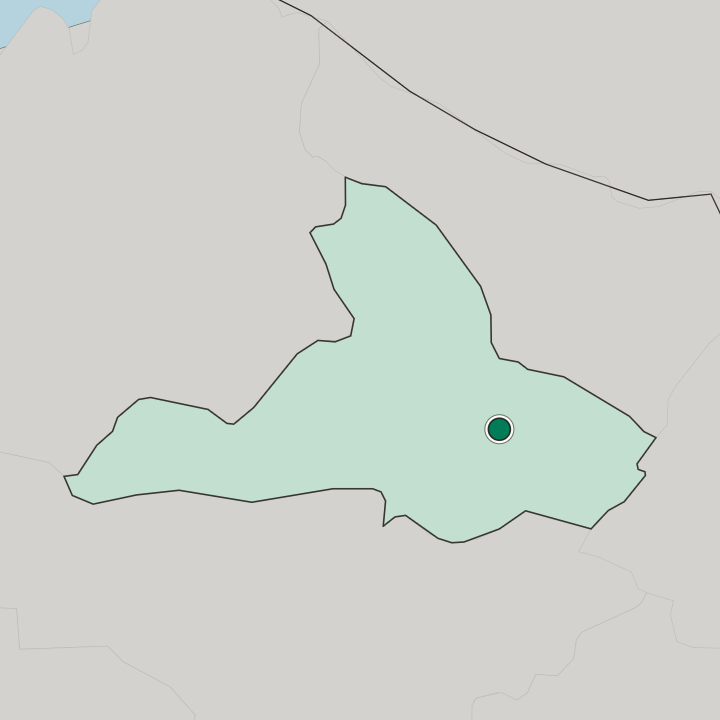
Ibarra Canton covers far more than the town. Farmland, scattered settlement, and open country fill most of the canton, while the built-up part of Ibarra takes only a small share of the ground inside its boundary. Imbabura Province encloses it.
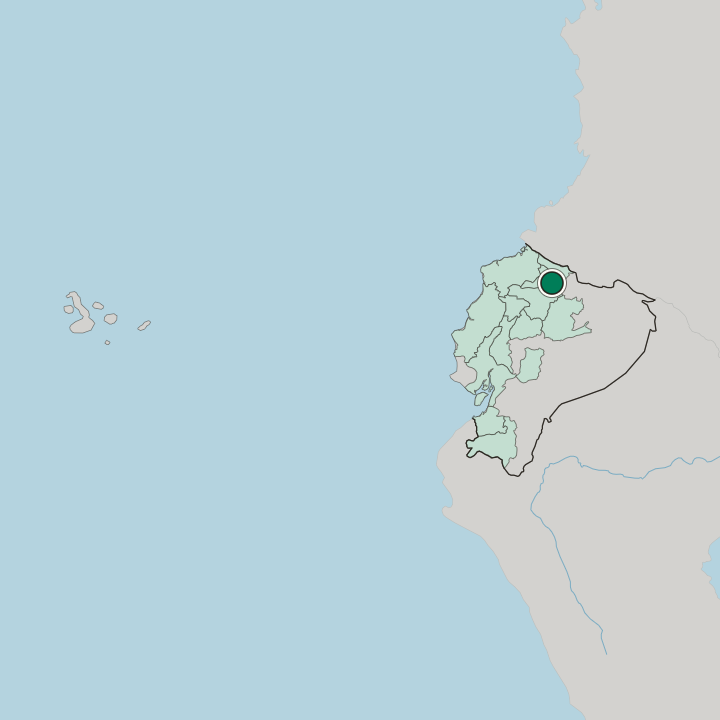
The province sets the canton in a wider frame of Ecuadorian country, and the roads linking them make the town the practical middle of an area much larger than itself.
What is the climate of Ibarra?
Imbabura Province sets the pattern, and the year around Ibarra moves through wetter and drier spells rather than through anything that could be called a summer or a winter. Seasons are hard to distinguish. Rain is the variable that matters, since the farming country of Ibarra Canton takes its rhythm from when the wet spells arrive and how long they hold.
Little else changes.
How do you get to Ibarra?
Roads across Imbabura Province meet at Ibarra, which makes the town the obvious changing point for anyone moving through the canton or on into the province beyond. Most arrivals come by bus. Services run to the town rather than between the smaller settlements of Ibarra Canton, so a journey inside the canton usually means passing through the capital first.
Getting around is straightforward.
Common questions
What is the best area to stay in Ibarra?
Around La Merced: First visits built around the Basílica de Nuestra Señora de La Merced. Out in Ibarra Canton: Quiet nights within reach of Inca-Caranqui.
Good for
Updated September 2026