Ecuador · Provincia de Manabí
Where to Stay in Portoviejo, Provincia de Manabí
Portoviejo, formally San Gregorio de Portoviejo, is the capital of the Province of Manabí, founded in 1535 and set back from the Pacific coast.
Hotel links are affiliate links: booking through them may earn us a commission, at no extra cost to you. It never affects how places are ranked. How this works


Where to stay in Portoviejo
Where the beds are, and what that means for the visit.
The Portoviejo Metropolitan Cathedral marks the middle of the city, and the blocks around it hold the offices, the Museo y Archivo Histórico de Portoviejo, and most of what a visitor needs within walking distance. That core is the obvious base. Staying there suits anyone here for provincial business or for a night's stop between the Coastal Lowlands and the road out toward the Pacific coast.
Evenings stay warm. Tamarind belongs to the city's memory rather than its skyline, and the streets around the cathedral read as a working provincial centre rather than as any kind of resort. Away from the cathedral the city spreads into quieter residential ground, and rooms out there trade the short walk to the museum for more space and easier parking.
The beach is not here. Portoviejo stands some thirty kilometres inland, so anyone set on the Pacific will be making a trip out rather than stepping from the door onto sand. Plan the drive accordingly.
For visitors working across the Province of Manabí, the capital makes a practical centre, since the roads that serve the province converge on it and the Coastal Lowlands open out in every direction from the edge of town.
Find hotels in Portoviejo
Direct booking searches for these neighbourhoods.
Around the Metropolitan Cathedral
Steps from the Portoviejo Metropolitan CathedralFind hotels in Around the Metropolitan CathedralLonger stays needing space in the Manabí capitalThe outer city
Quiet ground beyond the Museo y Archivo Histórico de PortoviejoFind hotels in The outer cityHotel links are affiliate links: booking through them may earn us a commission, at no extra cost to you. It never affects how places are ranked. How this works
About Portoviejo
Tamarind gave Portoviejo its nickname.
What is Portoviejo known for?
The city has long been called the city of the Royal Tamarind Trees, after the plantations that once covered the ground around it, and that name still does more to fix its identity than any administrative title. Manabí runs its affairs from here. The Province of Manabí keeps its capital in the Coastal Lowlands rather than on the shore, which leaves Portoviejo near enough to the Pacific for sea air without giving it a beach.
What are the main landmarks in Portoviejo?
Two buildings carry the city's record. The Portoviejo Metropolitan Cathedral stands at the centre, while the Museo y Archivo Histórico de Portoviejo holds the documentary side of the same story, and between them they account for most of what brings visitors into the old core at all. The tamarind is the other emblem.
Plantations of the Royal Tamarind Trees once spread across the ground around the city and gave Portoviejo the name it still carries.
What is the history of Portoviejo?
Portoviejo was founded in 1535. That makes it one of the older Spanish foundations of the region, laid out inland in the Coastal Lowlands rather than on the shore, some thirty kilometres back from the Pacific. The full name records that founding.
San Gregorio de Portoviejo is the formal title the city still carries, and the shorter form is what everyone uses. Distance from the Pacific coast has always been part of the arrangement, giving Portoviejo the role of an inland centre for a province whose life runs along the shore. Tamarind shaped the surrounding country for generations.
Plantations of Royal Tamarind Trees covered the ground about the city, and the nickname they produced outlived the plantations themselves, which is why the trees appear in every description of the place long after the groves stopped defining its work. Provincial status came with responsibilities. As capital of the Province of Manabí, Portoviejo took on the administration, the archives, and the public offices of a province whose coast and lowland farming country reach well beyond the city itself.
The Museo y Archivo Histórico de Portoviejo keeps that documentary side visible. Growth over the centuries kept the city facing the province rather than the ocean, with the Pacific coast a journey away and the Coastal Lowlands immediately at hand.
Where is Portoviejo?
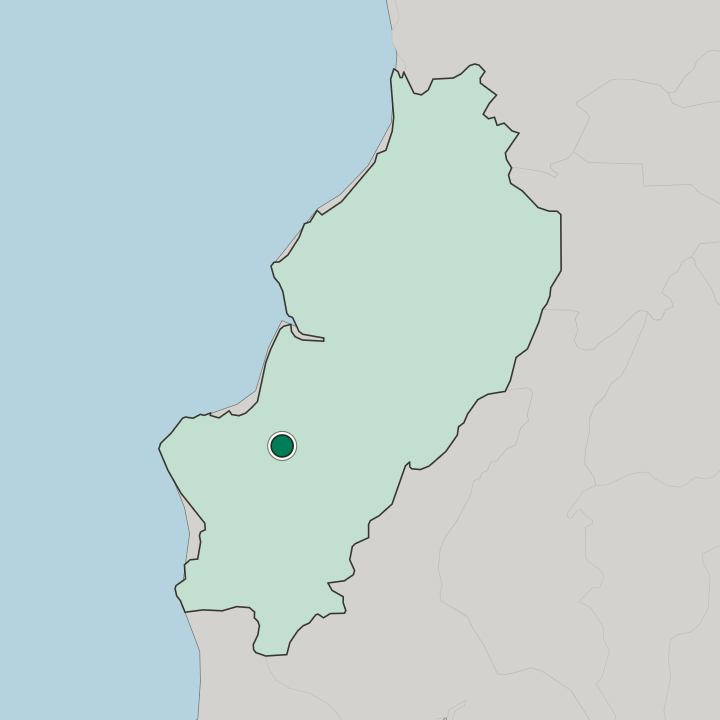
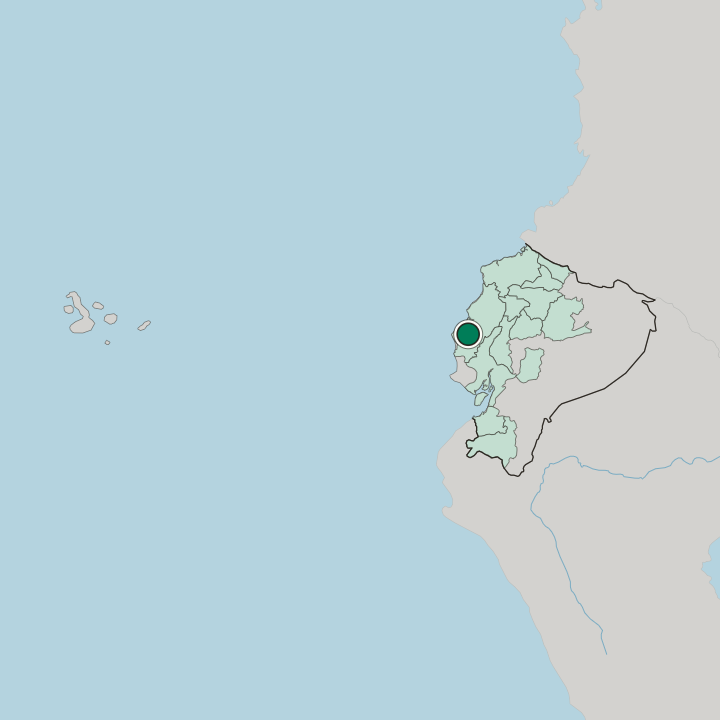
Portoviejo lies in the Coastal Lowlands of Ecuador. The city stands some thirty kilometres back from the Pacific coast, near enough for the ocean to work on the air but far enough that the shoreline plays no part in daily life. Manabí spreads out around it.
The Province of Manabí covers a wide belt of lowland farming country, and its capital occupies the middle of that belt rather than any edge of it.
What is the climate of Portoviejo?
The Pacific governs the year here, and the ocean keeps Portoviejo warm through every month while deciding when the rains arrive and when they stop. Wet and dry alternate. Humidity sits heavy over the Coastal Lowlands during the wet months, and the difference between one season and the next shows in the greenness of the surrounding country far more than on any thermometer.
Portoviejo's nights lose little of that heat.
How do you get to Portoviejo?
Roads through the Province of Manabí converge on Portoviejo, which makes the capital the natural changing point for anyone moving between the shore and the interior. The Pacific is a short run out. Reaching the coast takes some thirty kilometres of driving, and the same roads carry traffic on toward the rest of the Coastal Lowlands.
Journeys here are short.
Common questions
What is the best area to stay in Portoviejo?
Around the Metropolitan Cathedral: First stays centred on Portoviejo's cathedral and offices. The outer city: Longer stays needing space in the Manabí capital.
Good for
Another city in Provincia de Manabí
Updated September 2026