Eritrea · Maekel Region
Where to Stay in Asmara, Maekel Region
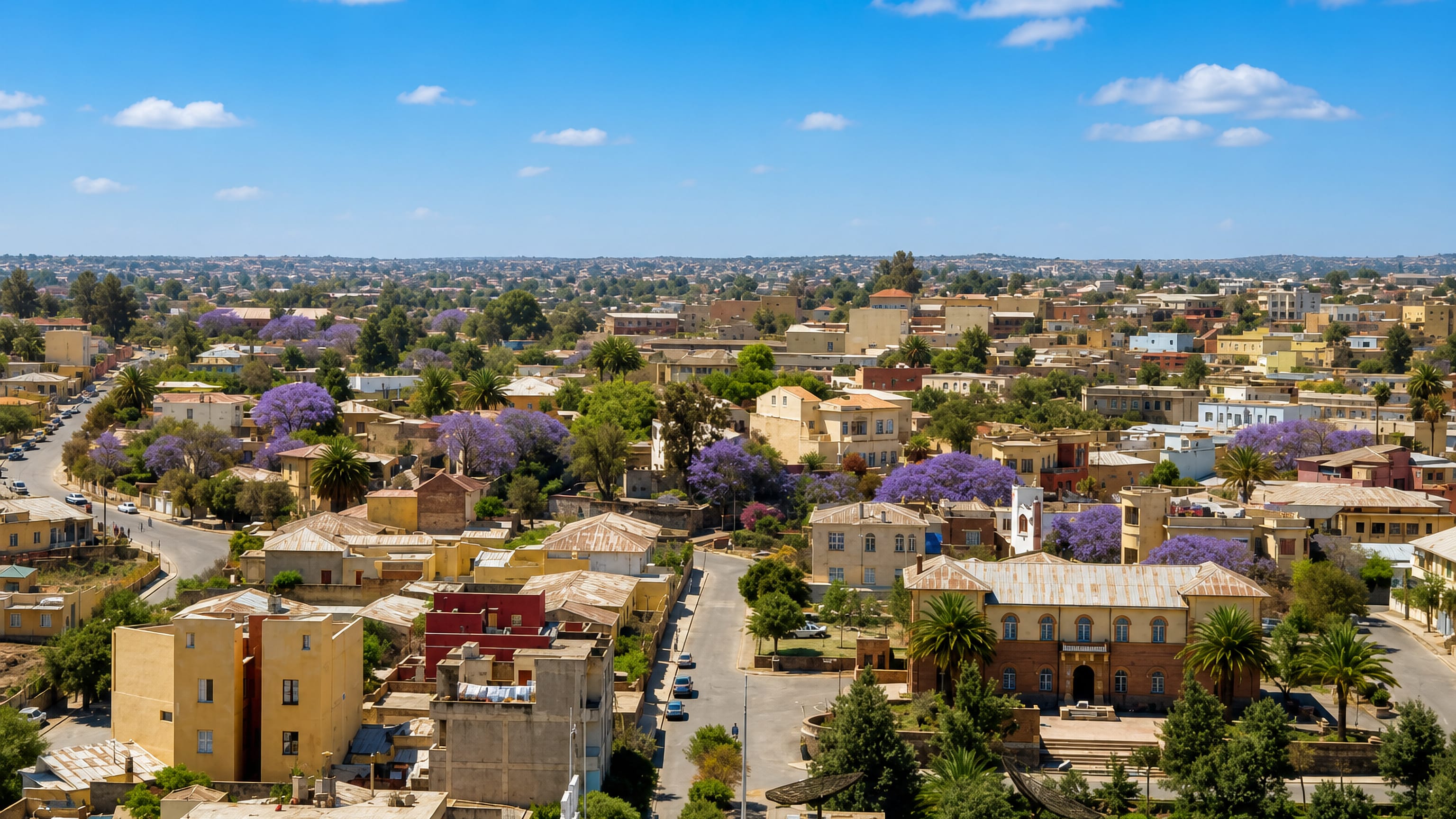
Modernist facades line the boulevards of Asmara, the capital of Eritrea, set high on the escarpment of the Eritrean Highlands in Maekel Region.
Hotel links are affiliate links: booking through them may earn us a commission, at no extra cost to you. It never affects how places are ranked. How this works


Where to stay in Asmara
Where the beds are, and what that means for the visit.
Asmara centers on its modernist grid, and where you stay turns on how close you want to be to that architecture. The main boulevards carry the landmarks that made the city famous, from the Fiat Tagliero Building to Cinema Impero and the Central Post Office of Asmara. Base yourself along the central avenues and the cathedrals, cinemas, and cafes of the World Heritage core all sit within an easy walk.
Beyond the boulevards the city keeps its calmer quarters. The Great Mosque of Asmara, the Enda Mariam Coptic Cathedral, and the Church of Our Lady of the Rosary anchor the districts of the different faiths, each with its own quieter streets. The Selam Hotel stands nearby.
For a first visit, take a base along the central boulevards near the Fiat Tagliero Building; for a quieter stay, look to the residential streets around the mosque and the Coptic cathedral, back from the busiest avenues of the plateau capital.
Find hotels in Asmara
Direct booking searches for these neighbourhoods.
Central boulevards
The Fiat Tagliero Building, Cinema Impero, and the Central Post Office of Asmara line the World Heritage core.Find hotels in Central boulevardsQuieter, residential stays off the main avenuesAround the mosque and Coptic cathedral
The Great Mosque of Asmara and the Enda Mariam Coptic Cathedral anchor calmer streets back from the boulevards.Find hotels in Around the mosque and Coptic cathedralHotel links are affiliate links: booking through them may earn us a commission, at no extra cost to you. It never affects how places are ranked. How this works
Things to do in Asmara
Ranked by global recognition; descriptions from Wikidata (CC0).
Churches & Religious Sites
3- Church of Our Lady of the Rosary Heritage
- Enda Mariam Coptic Cathedral Heritage
- Great Mosque of Asmara Heritage
Castles & Historic Sites
1- Statue of Pushkin, Asmara (Eritrea)
Landmarks & Notable Places
3- Falletta Building Heritage
- Palazzo Mutton Heritage
- Villa Grazia
worth knowingacross 3 categories in Asmara
About Asmara
What is Asmara known for?
Asmara is the capital and largest city of Eritrea, famed for its Italian modernist architecture. Its well-preserved buildings, from the Fiat Tagliero Building to Cinema Impero, earned the whole city a place on the UNESCO World Heritage list. The old nickname Piccola Roma still fits the boulevards.
Mosques, cathedrals, and modernist cinemas fill the plateau capital.
What are the main landmarks in Asmara?
Asmara's landmarks are the modernist buildings that won it World Heritage status. The Fiat Tagliero Building, shaped like an aircraft, stands with Cinema Impero and the Falletta Building among the boulevards. Faiths share the skyline.
The Great Mosque of Asmara, the Enda Mariam Coptic Cathedral, and the Church of Our Lady of the Rosary rise across the city, while the Central Post Office of Asmara and Palazzo Mutton carry the Italian-era civic architecture.
What is the history of Asmara?
Asmara grew from four villages that local tradition says united to live in peace on the plateau. It stood for centuries as a settlement on the trade route to the coast at Massawa, part of the wider life of the Eritrean Highlands. The city took its modern shape from 1897, when it rose to prominence as capital of Italian Eritrea.
Italian rule remade the plateau town. Rapid building through the early 20th century filled Asmara with modernist boulevards, cinemas, and offices, and the ambition earned it the nickname Piccola Roma. The Fiat Tagliero Building and Cinema Impero date from that surge of construction.
Later the city became the capital of an independent Eritrea, its plateau setting still binding it to the highlands and the old road down to Massawa. In 2017 the whole modernist core was named a UNESCO World Heritage Site. So Asmara holds two stories at once.
One is the old highland settlement; the other is the modernist capital that grew across the escarpment in a single remarkable century.
Where is Asmara?
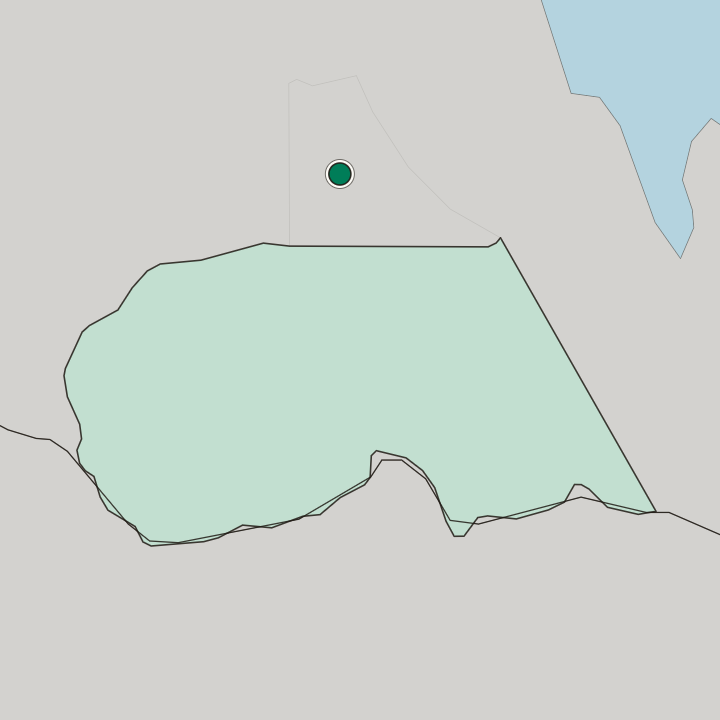
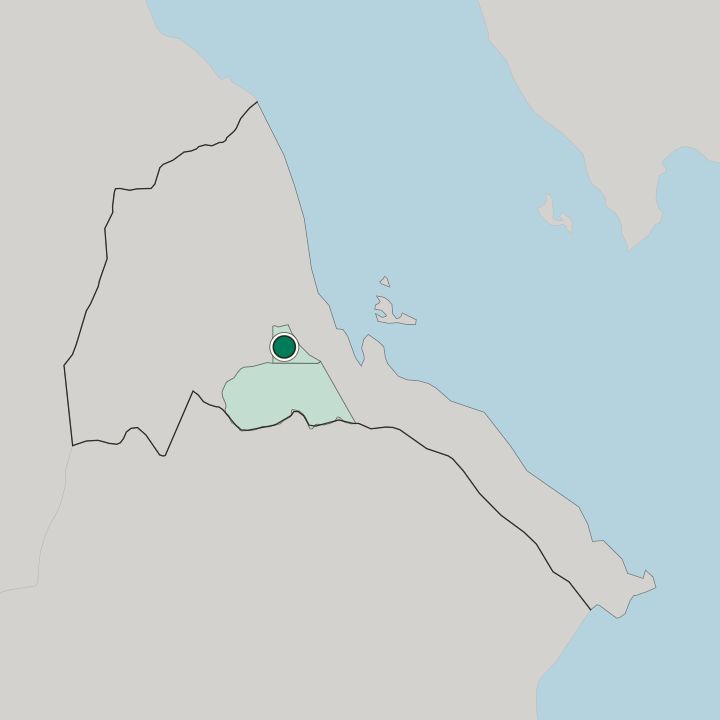
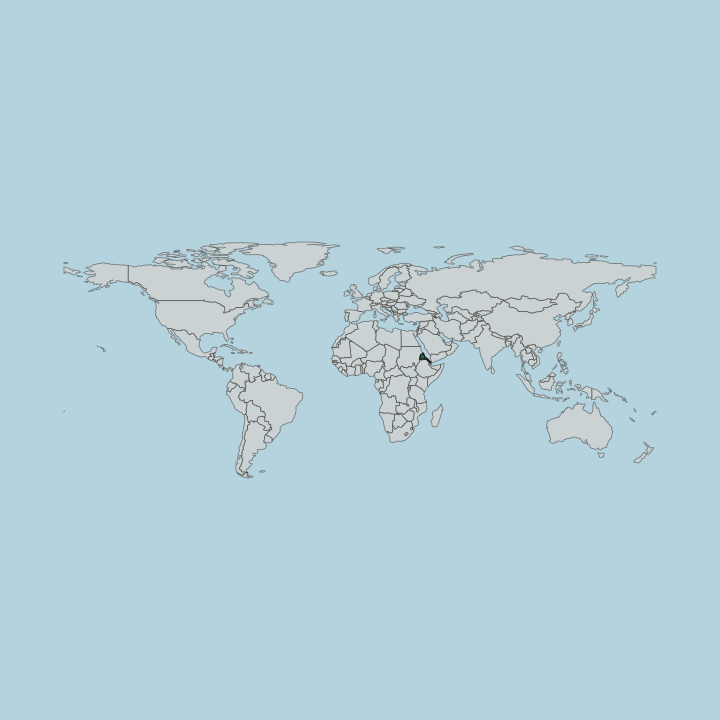
Asmara stands at the tip of an escarpment on the northwestern edge of the Eritrean Highlands. The land falls away. From the city it drops sharply toward the lowlands and the coast at Massawa below, leaving the town perched among the highest of Africa's capitals by altitude in the cool air of the plateau.
That great height defines the setting. Maekel Region spreads across the tableland around it.
What is the climate of Asmara?
Asmara enjoys a mild highland climate, cooled by its great height on the escarpment. Though it lies in the tropics, the altitude of the Eritrean Highlands keeps the days warm and the nights cool through the year. Rain falls in a summer season.
The plateau tempers the heat. This high setting spares the capital the fierce warmth of the coast at Massawa.
How do you get to Asmara?
Asmara is the arrival point for most travellers to Eritrea, the hub at the center of Maekel Region. The old road climbs the escarpment from the port of Massawa on the coast up to the plateau capital. That highland route has carried trade for centuries.
Roads gather in the city. From Asmara the rest of the Eritrean Highlands opens out across the tableland.
Common questions
What is the best area to stay in Asmara?
Central boulevards: First-time visitors who want the modernist landmarks on foot. Around the mosque and Coptic cathedral: Quieter, residential stays off the main avenues.
Good for
Updated October 2026