Finland · Pohjois-Pohjanmaa
Where to Stay in Raahe, Pohjois-Pohjanmaa
Raahe is a seafaring town in northern Finland, a municipality in Pohjois-Pohjanmaa chartered in 1649 around a wooden grid of merchant houses.
Find your area →


Where to stay in Raahe
Each area has its own feel; here's who each one suits.
Most visitors stay near the old town, where hotels and guesthouses sit within an easy walk of the merchant squares, Raahen kirkko, and the museums along the waterfront streets. This central quarter suits travellers drawn to the wooden heritage, with shops, services, and the harbour path close at hand. Beds are modest in number.
Demand climbs through the summer touring season, so a room booked late can be harder to find in the warm weeks when the old town fills with visitors. Across the wider municipality, the Pattijoki and Saloinen districts that Raahe gathered into one hold further guesthouses, while farm stays and self-catering cottages open through the summer in the countryside around the town. These quiet houses draw families and walkers.
Reserve early for the touring months. The municipality spreads well beyond the old town into the flat coastal country of Pohjois-Pohjanmaa, and lodging there ranges from village rooms to cottages among the fields and forest.
Things to do in Raahe
Ranked by global recognition; descriptions from Wikidata (CC0).
Museums & Galleries
4- Soveliuksen talo Heritage main house
- Raahen museo
- Kruununmakasiinimuseo museum i Raahe
- Wanha Apteekki earlier pharmacy
Churches & Religious Sites
3- Raahen kirkko Heritage
- Raahen helluntaiseurakunta
- Pattijoen Metsäkirkko
Landmarks & Notable Places
4- Raahen seminaarin johtajattaren asuinrakennus (nyk. kansliarakennus) Heritage house
- Leufstadiuksen talon Cortenkadun siipirakennus Heritage
- Soveliuksen talon asuinrakennus Heritage
- Öörnin sotilastorppa Heritage
worth knowingacross 3 categories in Raahe
About Raahe
Raahe is known for the sea trade.
What is Raahe known for?
The old town grew up as a merchant port, and its rows of timber houses still frame the squares where shipowners and captains once lived, a heritage gathered in Raahen museo and the Merimiesten muistomerkki down by the shore. Tar and timber built it. The wooden streets remain its draw.
Visitors come for that maritime past, the museums, and the parish church that has stood at the heart of the grid since the founding centuries.
What are the main landmarks in Raahe?
Raahen kirkko marks the centre. The parish church stands among the timber streets, while Soveliuksen talo, the oldest of the shipowners' houses, recalls the wealth the sea trade brought to the port. Nearby, Raahen museo and the Kruununmakasiinimuseo gather the town's maritime and crown-storehouse history under one heritage trail.
The Urho Kekkosen patsas honours the president in the heart of the grid. Out in the Pattijoki district, the Pattijoen Metsäkirkko stands among the trees. Together these sites map a merchant town where faith, trade, and the sea long shared the streets.
What is the history of Raahe?
Raahe began with a charter. The town was founded in 1649 by Per Brahe, the governor whose name it long carried, laid out as a merchant port on the flat coast of northern Finland to channel the tar and timber trade of the northern hinterland. The grid plan came early.
Streets were set in straight lines around the market square, and the timber houses that rose along them gave Raahe the wooden old town that still defines it. The sea made the town rich. Through the sailing centuries its shipowners sent vessels far from the port, and merchant families such as the Soveliuses built the grand houses that now stand as museums, their wealth drawn from the long voyages of the tar trade.
Fire and change tested the place. The town rebuilt after losses, kept its grid through the generations, and turned in time from sail toward the heavy industry that came to the coast nearby. Through it all the old wooden streets endured, gathered now around Raahen kirkko, Raahen museo, and the crown storehouse of the Kruununmakasiinimuseo, so that the merchant town founded in the seventeenth century still reads in its timber heart.
Where is Raahe?
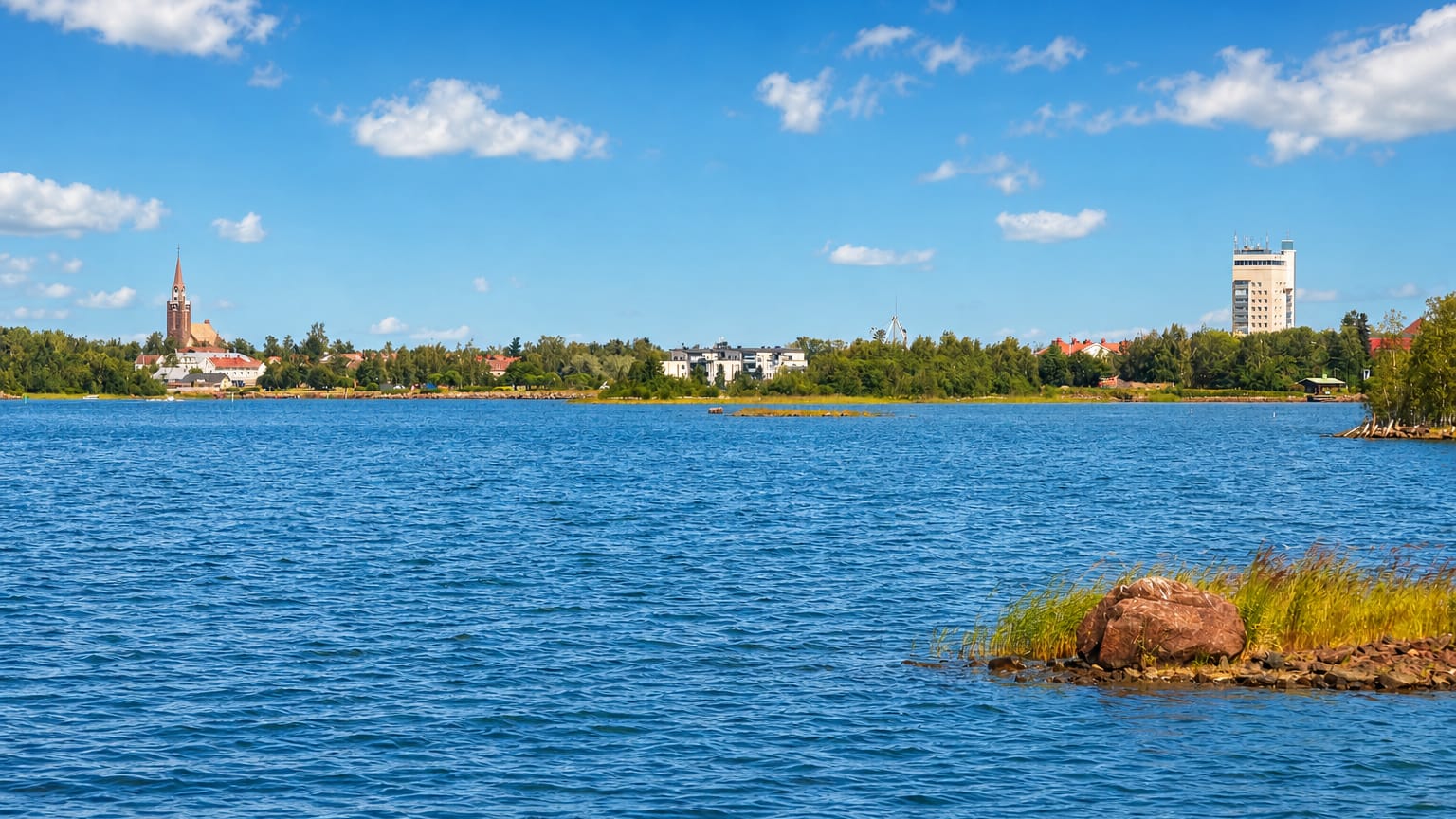
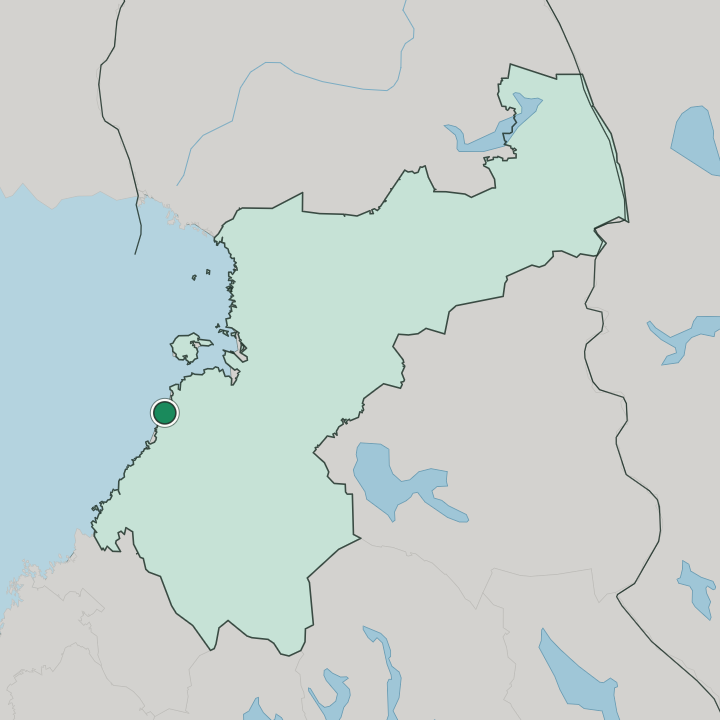
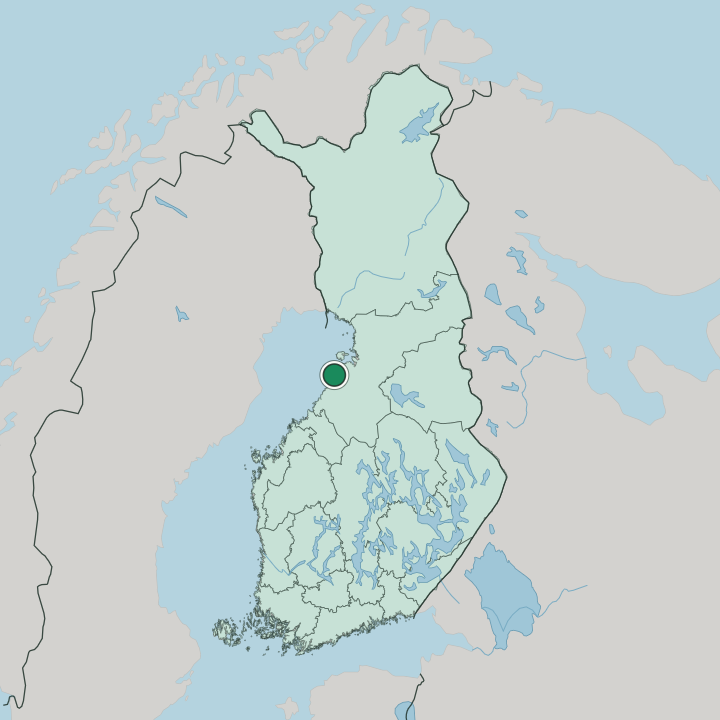
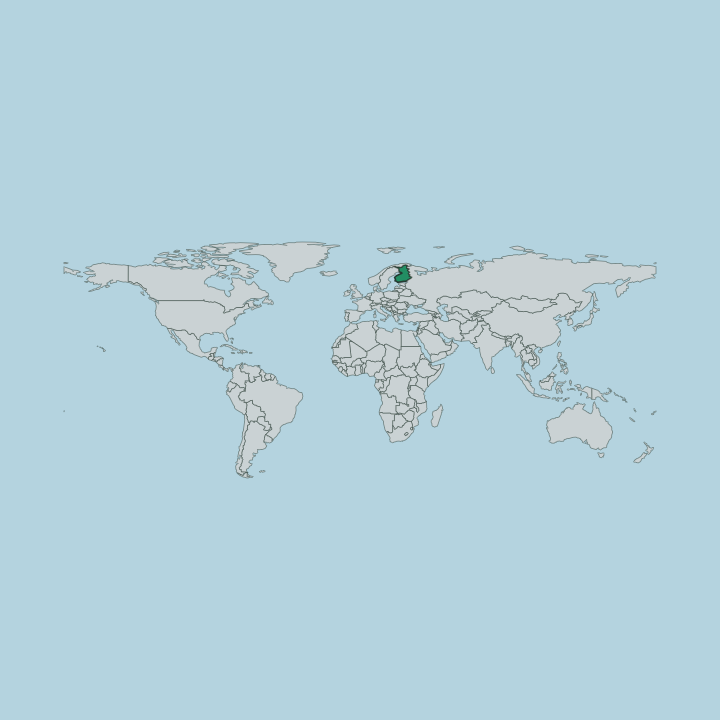
Raahe lies on the flat coast of northern Finland, a municipality of Pohjois-Pohjanmaa set where the low shore meets the open water. The old town gathers on a spit and the small islands off it. Its merchant grid lies close to the harbour.
Beyond the centre, the Pattijoki river threads in from the inland districts, and forest, field, and bog spread across a wide municipality of nearly 1887 km². The surrounding country lies flat and low. Pattijoki and Saloinen, the districts Raahe drew into one, fill out that coastal country east and south of the wooden town.
What is the climate of Raahe?
Raahe has a cold coastal climate shaped by its place in northern Finland. Summers are short and light, with long days that draw visitors to the wooden old town through the warm weeks, though the open coast keeps the air cooler than the inland districts of Pohjois-Pohjanmaa. Raahe's winters stretch out cold and dark.
Snow lies for months, and the shore water freezes hard, so that ice reaches far out from the harbour through the dark season before the spring melt opens the coast again. The light is the great change here, swinging from short winter days to bright northern summer nights along the flat shore.
How do you get to Raahe?
Raahe is reached by road and rail. The town sits on the coastal route through northern Finland between Oulu to the north and Kokkola to the south, with buses serving the centre and a station on the line inland through the Pattijoki district. Oulu, the larger city up the coast, holds the main connections onward by air and rail.
The old town lies a short way off the main road. Many travellers arrive by car, which gives the freest reach to the spread-out municipality and its coastal villages.
Good for
More cities in Pohjois-Pohjanmaa
Updated September 2026