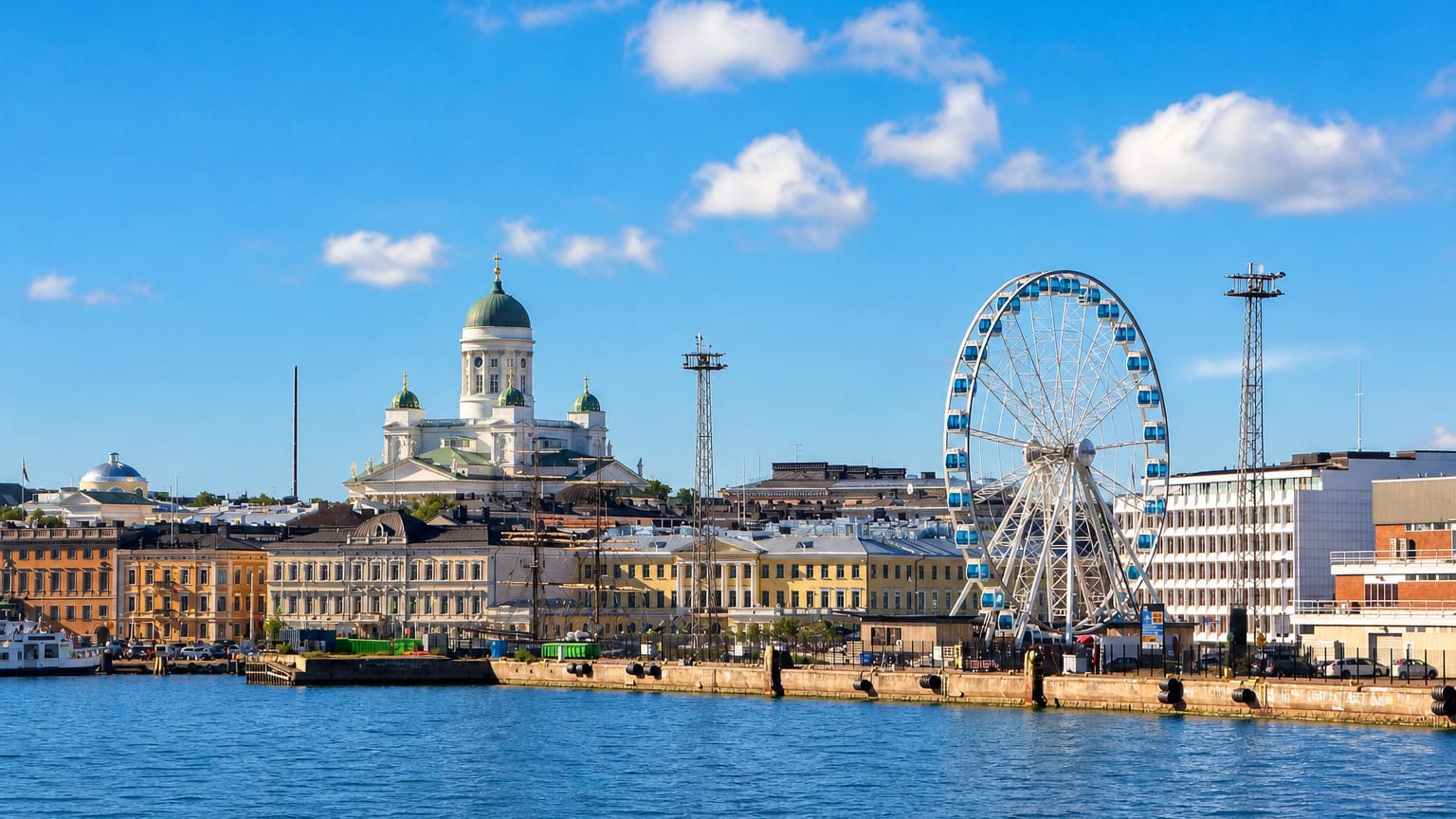
Finland: Regions, Cities & Travel Guide
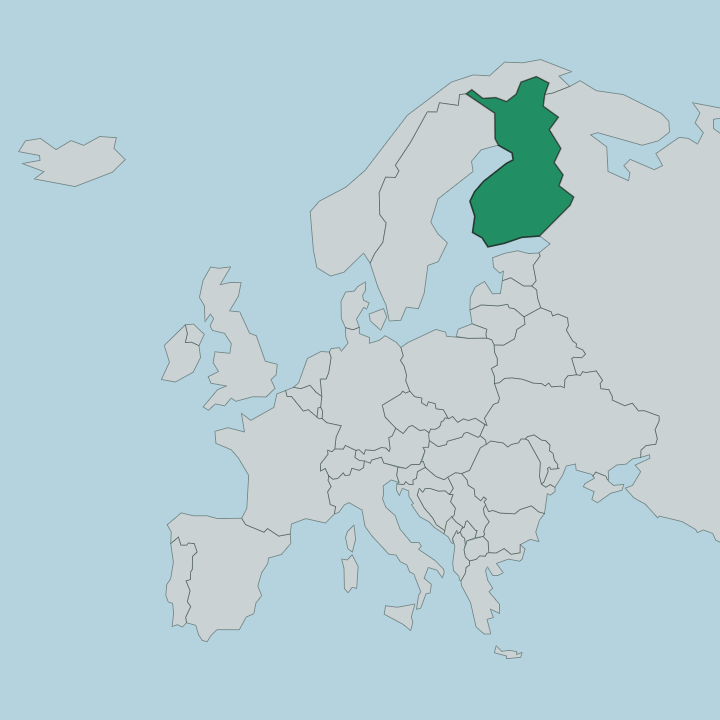
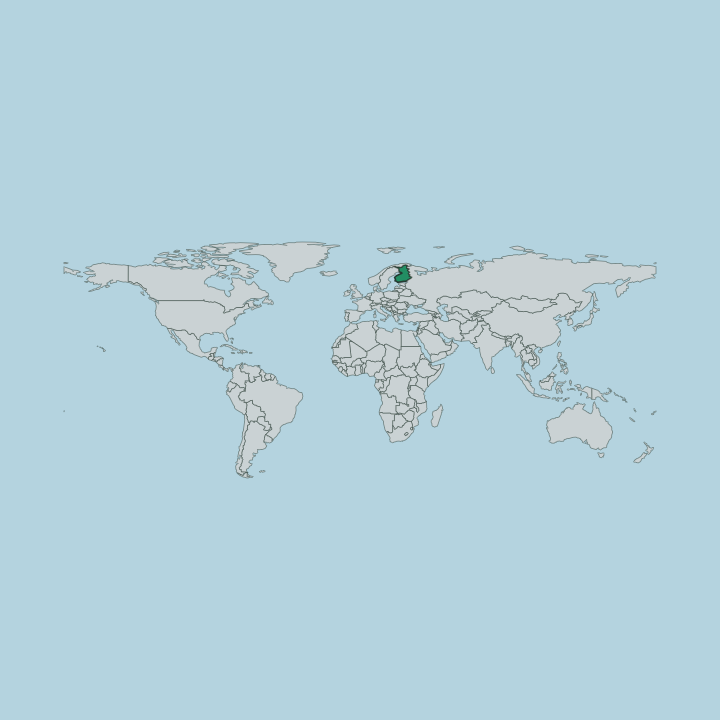
Finland is a Nordic country in northern Europe, between the Gulf of Bothnia and Russia, threaded by 188,000 lakes.
Top destinations →

Top destinations in Finland
The places travellers ask about most — start here, then drill into areas and hotels.
 Finland
Helsinki
Helsinki is the capital of Finland, a Baltic seaport of Uusimaa set on the Gulf of Finland among hundreds of islands.Where to stay →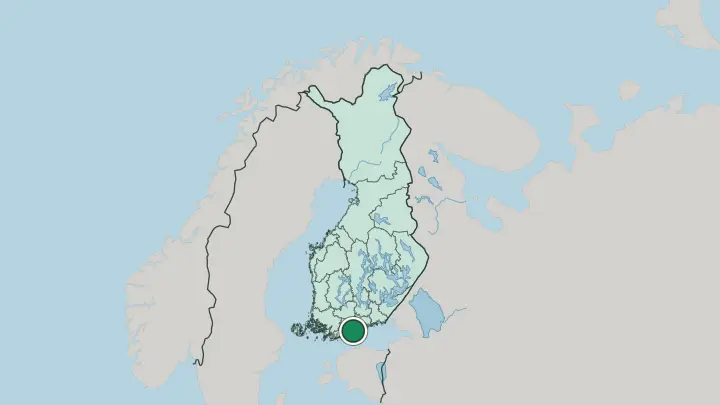
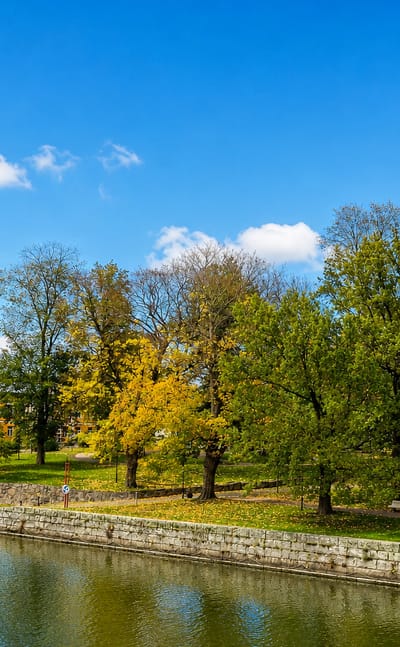 Finland
Turku
Turku is Finland's oldest city, a former capital on the Aurajoki in south-western Finland, set around its medieval cathedral and castle.Where to stay →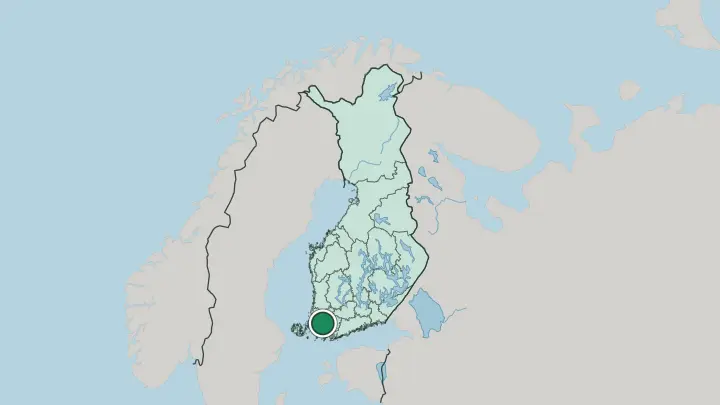
 Finland
Tampere
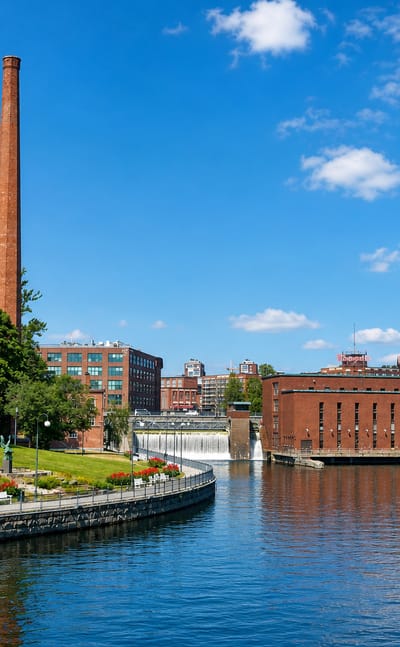
Tampere is the capital of Pirkanmaa, a major industrial and cultural city in south-western Finland.Where to stay →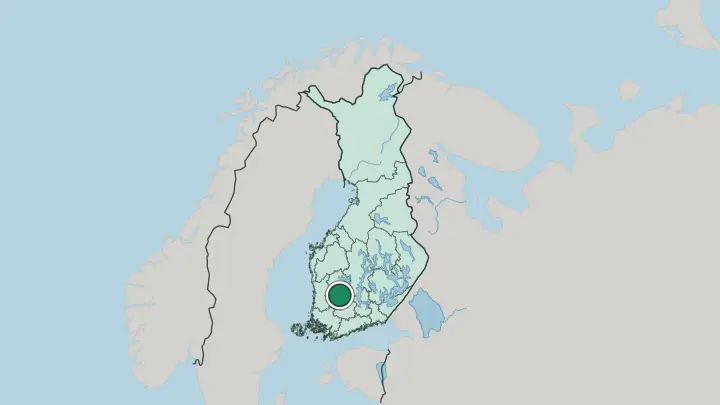
 Finland
Rovaniemi
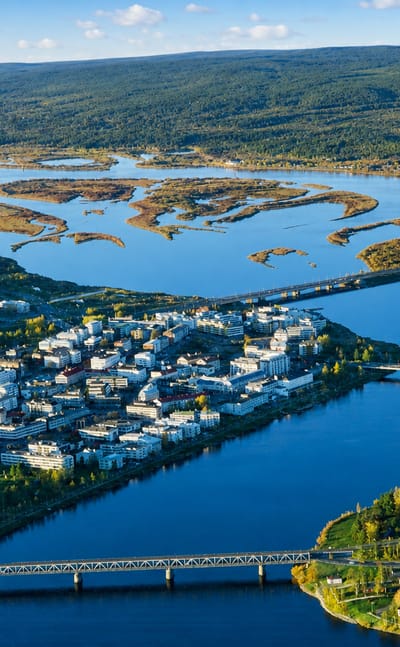
Rovaniemi is the regional capital of Lapland, set near the Arctic Circle in the far north of Finland.Where to stay →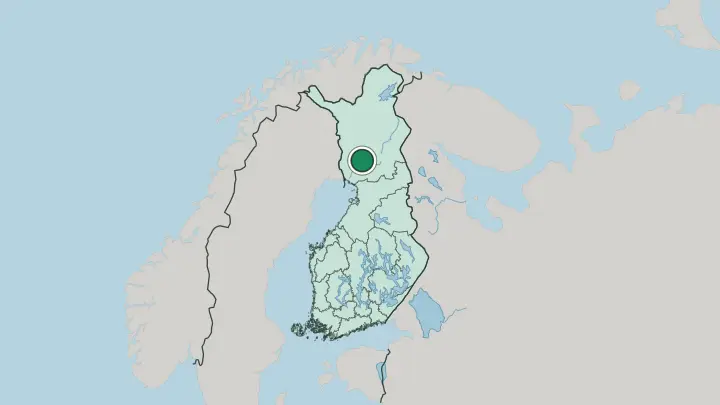
 Finland
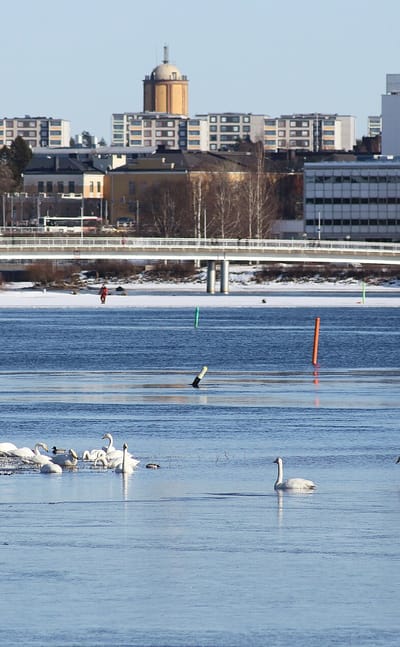
Oulu
Oulu is the chief city of Pohjois-Pohjanmaa, a northern Finland port where the Oulujoki meets the Gulf of Bothnia.Where to stay →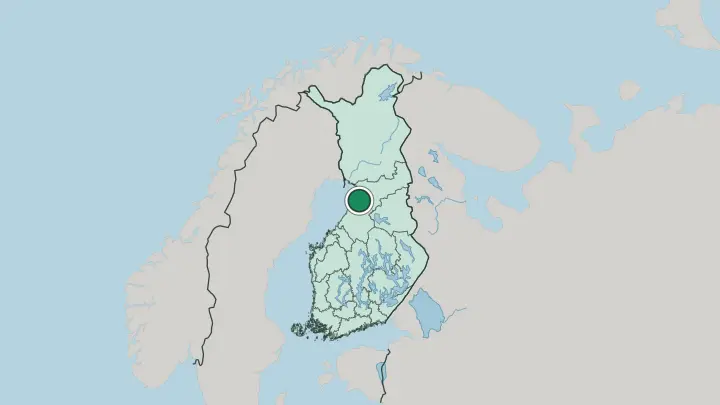
 Finland
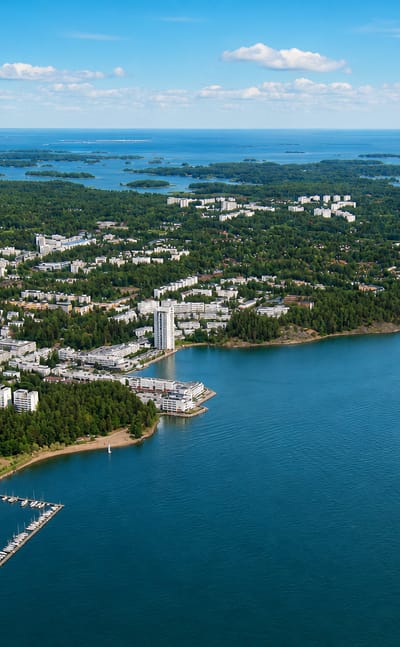
Espoo
Espoo is a city in Uusimaa, southern Finland, the country's second largest, west of the capital.Where to stay →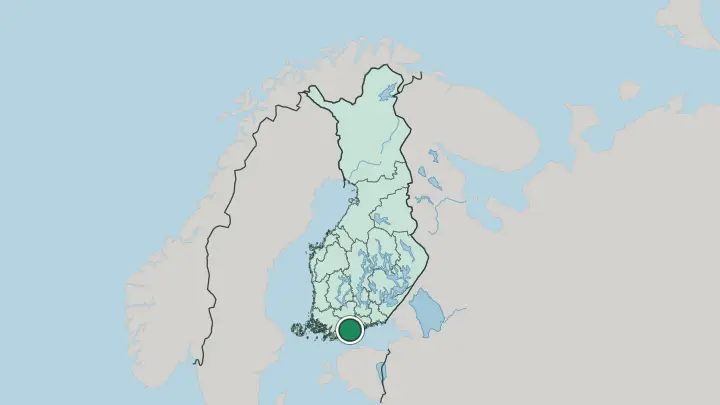
 Finland
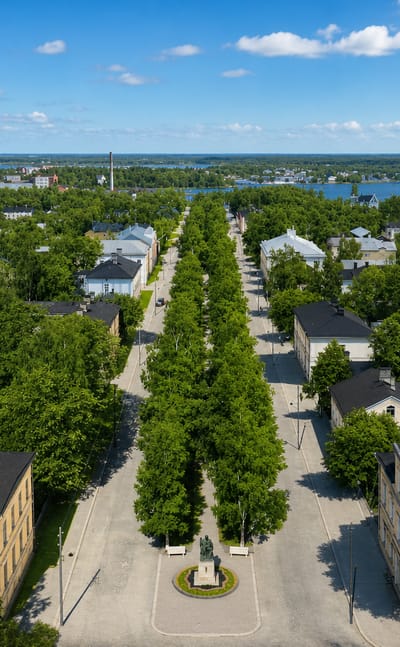
Vaasa
Vaasa is a bilingual coastal city on the Gulf of Bothnia, the regional capital of Ostrobothnia in western Finland.Where to stay →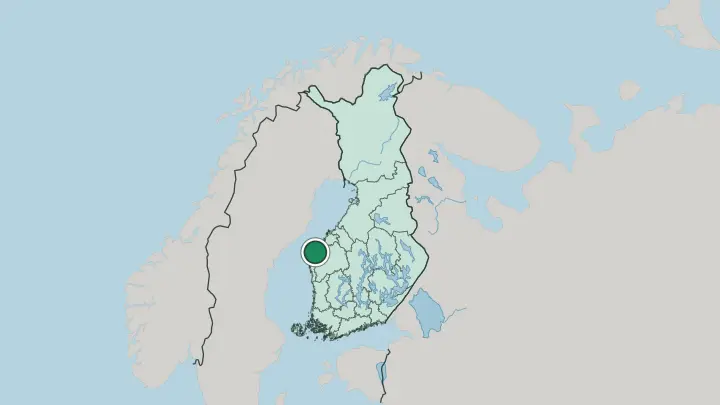
 Finland
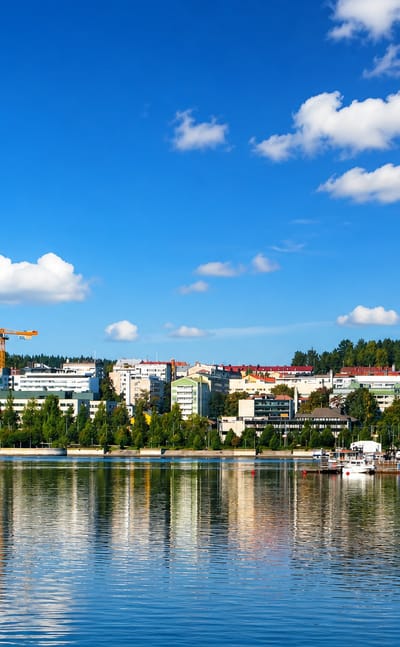
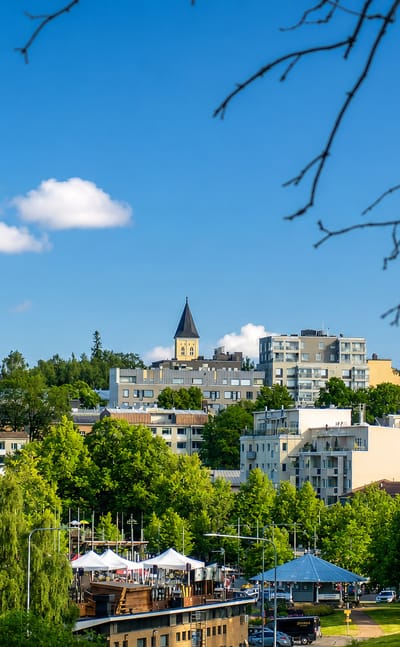
Jyväskylä
Jyväskylä is the regional capital of Central Finland, a university city set among the lakes and ridges of the lakeland.Where to stay →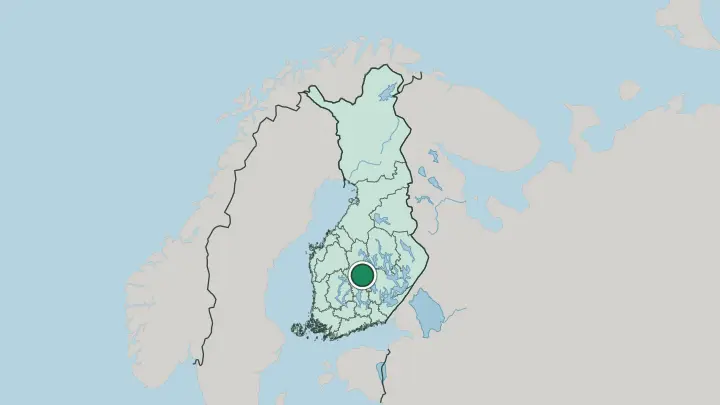
 Finland
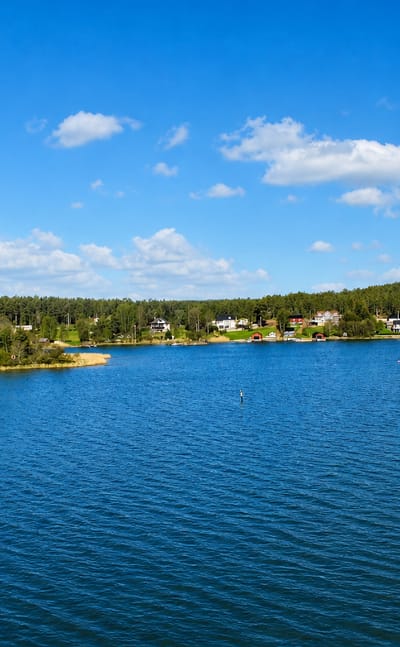
Mariehamn
Mariehamn is the capital of Åland, the autonomous archipelago in the Baltic Sea, and the seat of its parliament.Where to stay →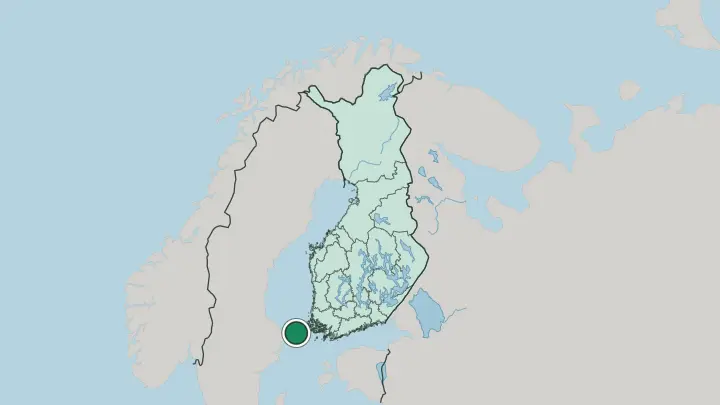
Regions of Finland
Finland
Central Finland
Central Finland is a hilly lake region in the heart of the country, the Finnish Lakeland around Jyväskylä.Towns & cities →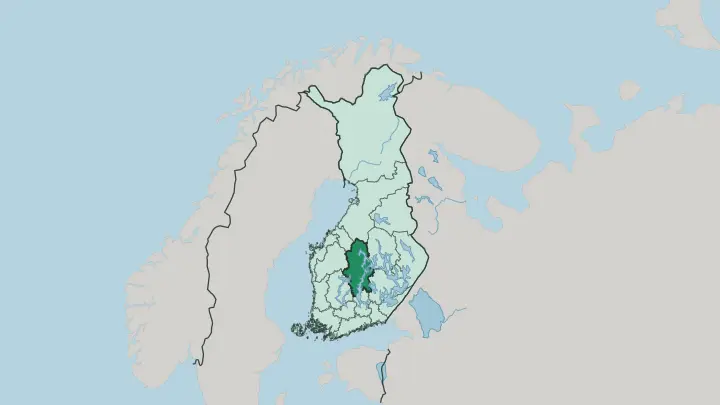
 Finland
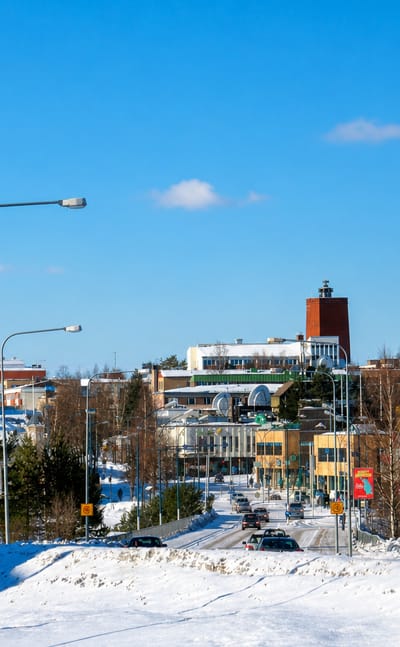
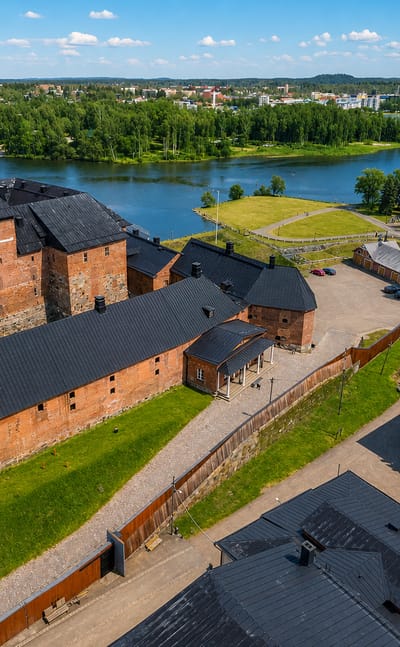
Kainuu
Kainuu is a forest-and-lake region of northern Finland, set against the eastern frontier with Russia.Towns & cities →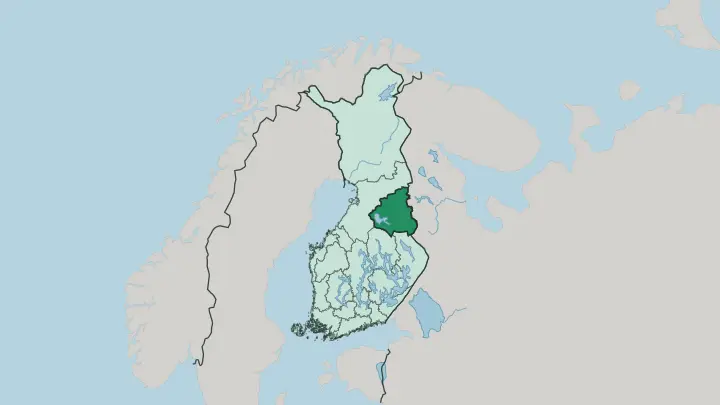
 Finland
Kanta-Häme
Kanta-Häme is an inland maakunta of southern Finland, the lake country between Pirkanmaa and Uusimaa drawn together in 1994.Towns & cities →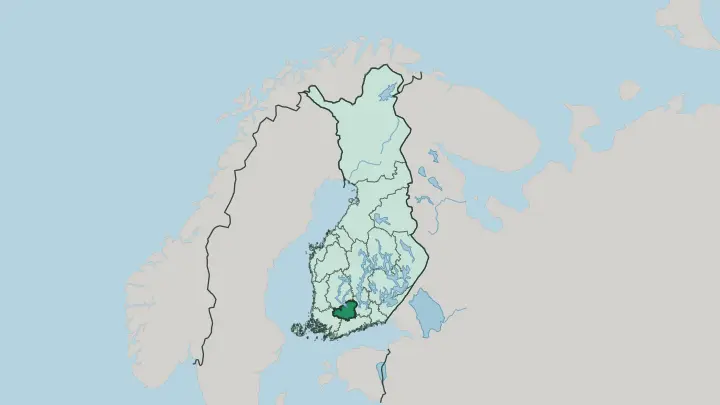
 Finland
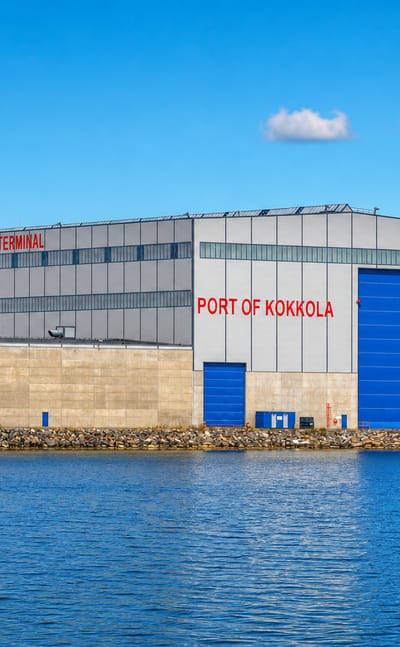
Keski-Pohjanmaa
Keski-Pohjanmaa is a small coastal region of western Finland, in Ostrobothnia, centred on Kokkola.Towns & cities →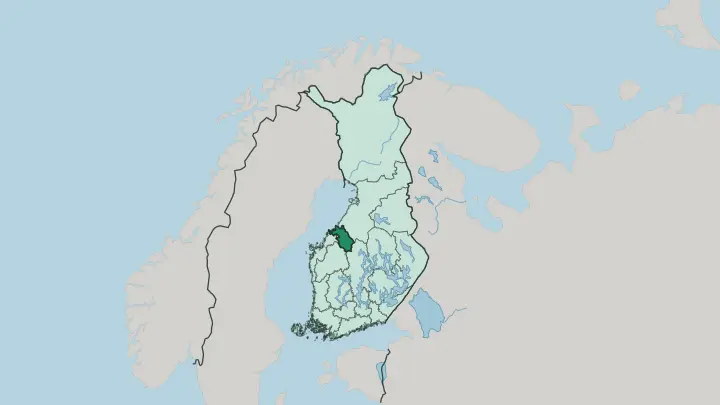
 Finland
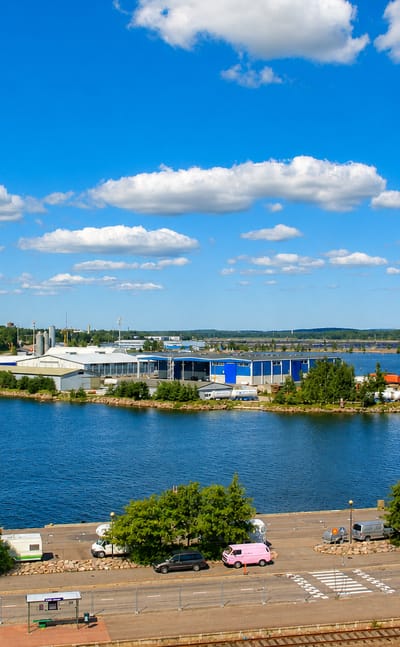
Kymenlaakso
Kymenlaakso is a maakunta of south-eastern Finland, the coastal region east of Uusimaa drawn together in 1994.Towns & cities →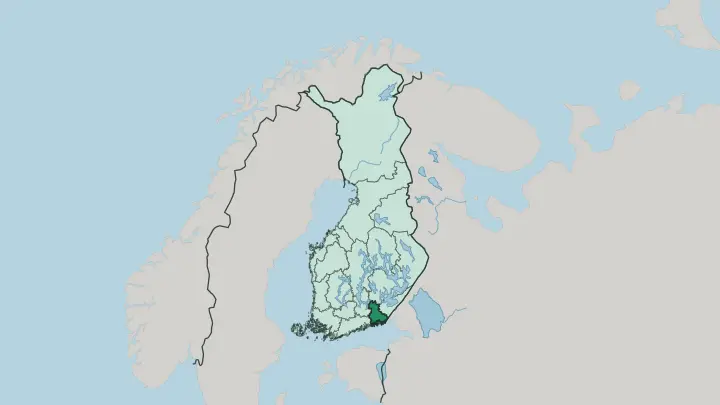 Finland
Lapland
Lapland is Finland's far north, in the Arctic, the Finnish share of Sápmi and the heartland of the Sámi.Towns & cities →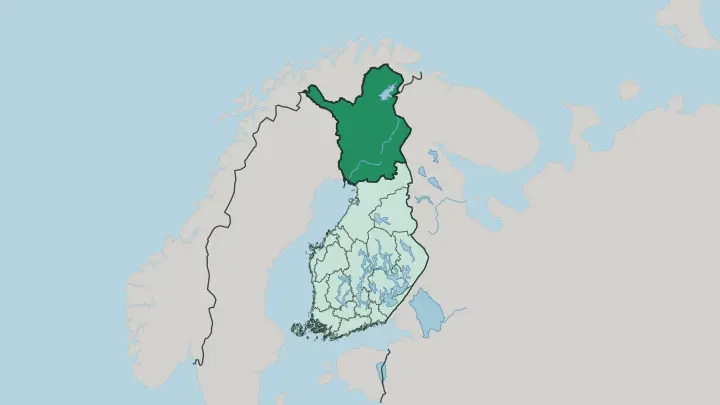
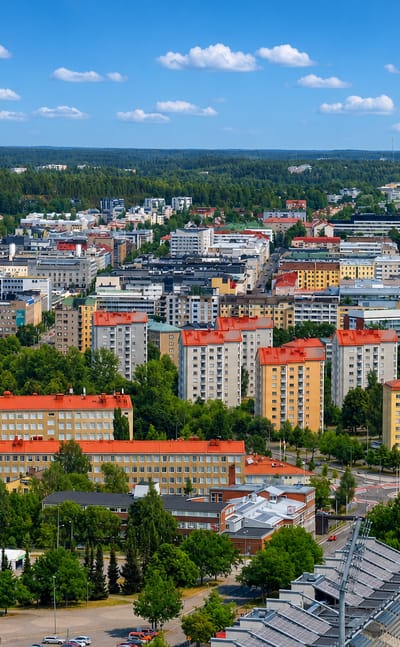 Finland
Paijat-Hame Region
Päijät-Häme is a lake maakunta of southern Finland, the country east of Kanta-Häme and north of Uusimaa drawn together in 1994.Towns & cities →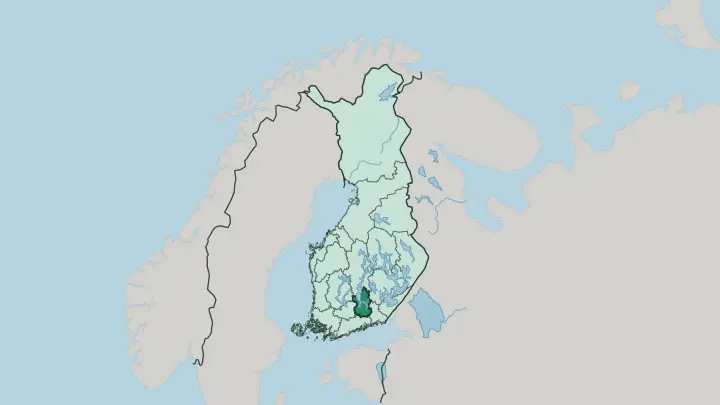 Finland
Pirkanmaa
Pirkanmaa is the Tampere Region of south-western Finland, lake country drained by the Kokemäki River and centred on its largest city.Towns & cities →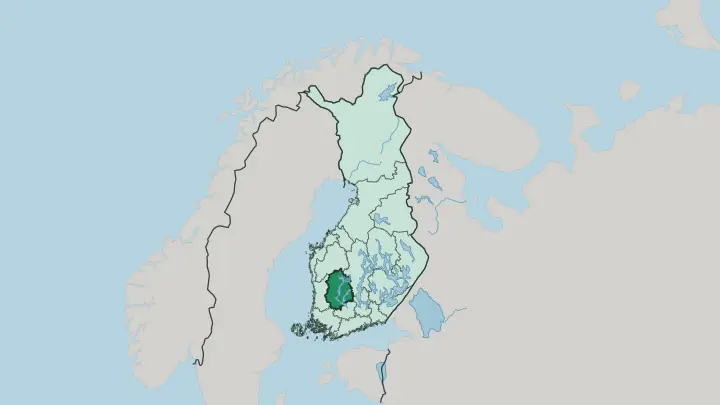 Finland
Pohjanmaa
Pohjanmaa is the Ostrobothnia region of western Finland, a Swedish-speaking coast on the Gulf of Bothnia.Towns & cities →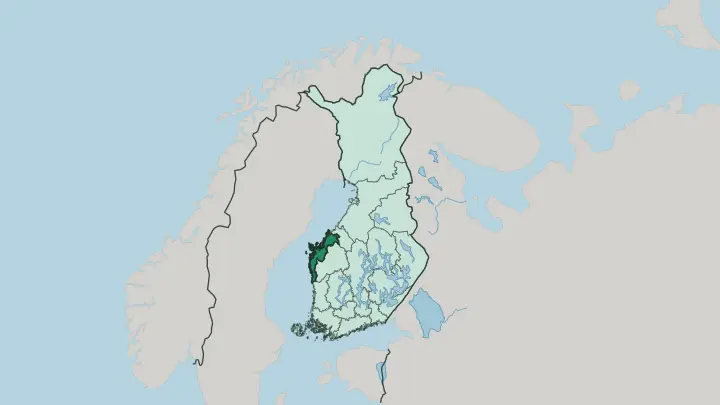
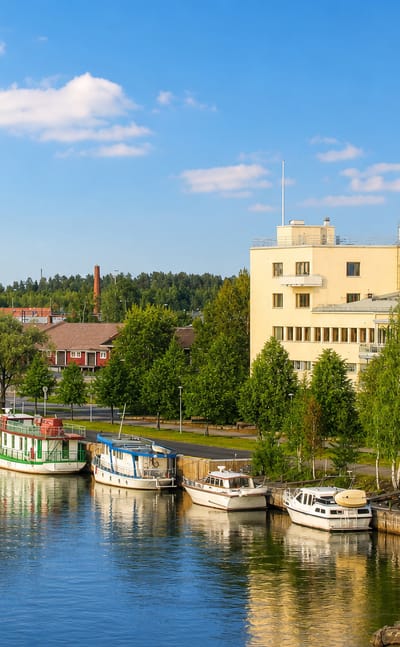 Finland
Pohjois-Karjala
Pohjois-Karjala is the easternmost region of Finland, a forest-and-lake borderland next to Russian Karelia around Joensuu.Towns & cities →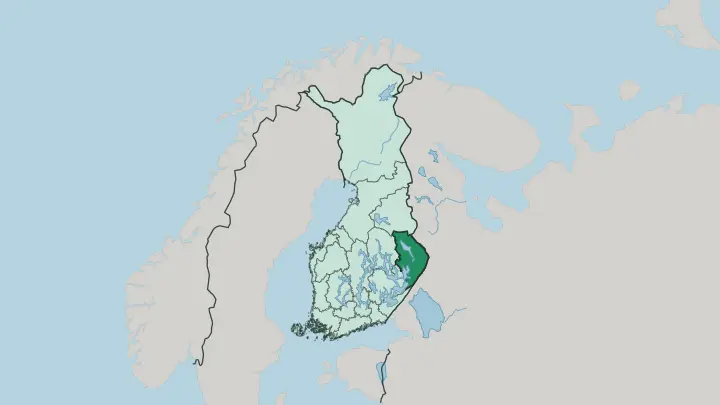 Finland
Pohjois-Pohjanmaa
Pohjois-Pohjanmaa, or North Ostrobothnia, is a coastal-and-inland region of northern Finland centred on Oulu.Towns & cities →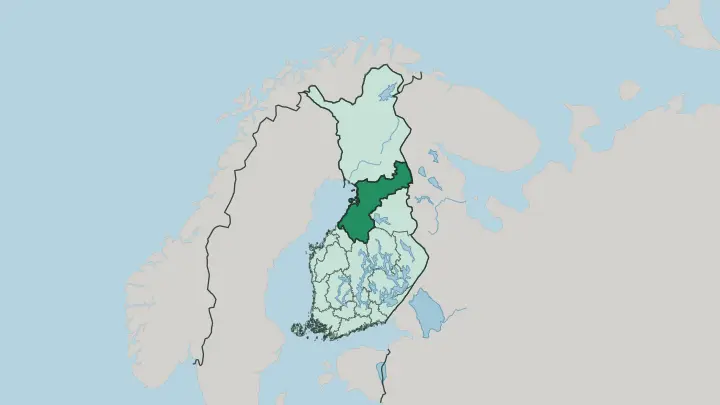
 Finland
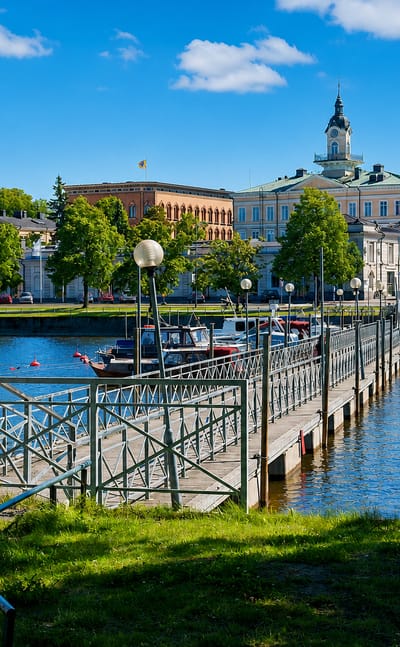
Pohjois-Savo
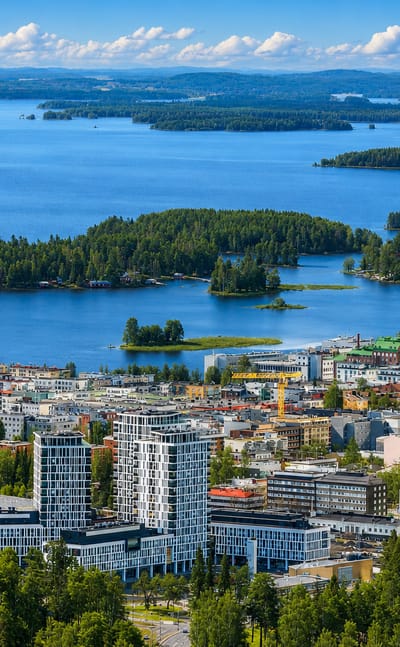
Pohjois-Savo is a lake region of eastern Finland, the northern Savo lakeland gathered around Kuopio.Towns & cities →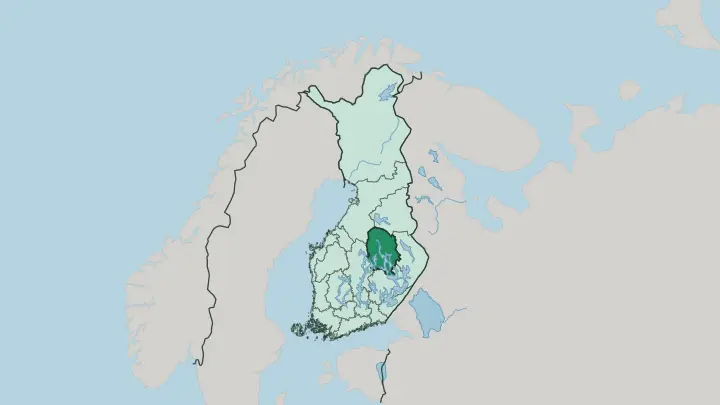
 Finland
Satakunta
Satakunta is a region of south-western Finland, a belt of river country and old market towns gathered around the city of Pori.Towns & cities →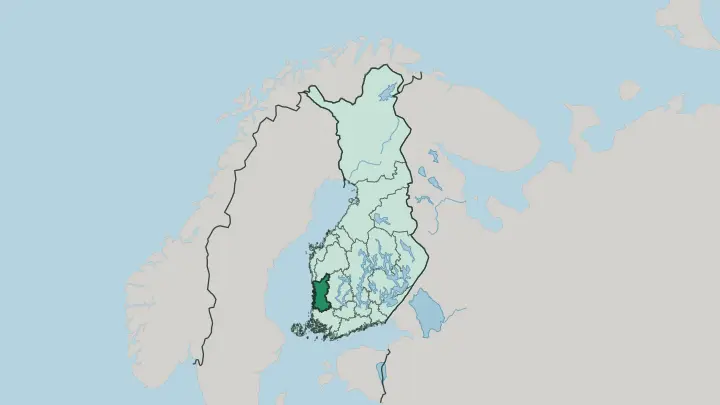
 Finland
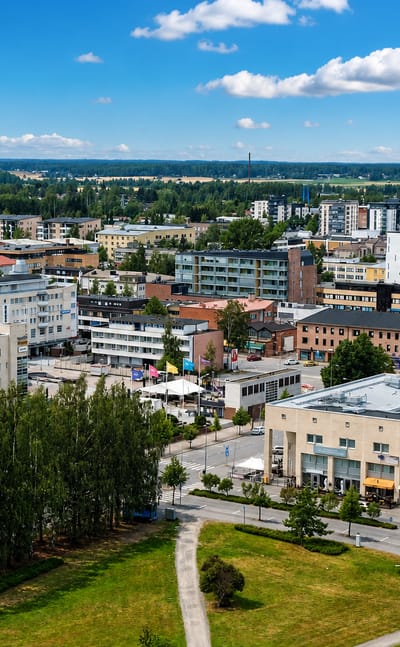
South Karelia Region
Etelä-Karjala is a lakeside border region of south-eastern Finland, around Lappeenranta and Imatra.Towns & cities →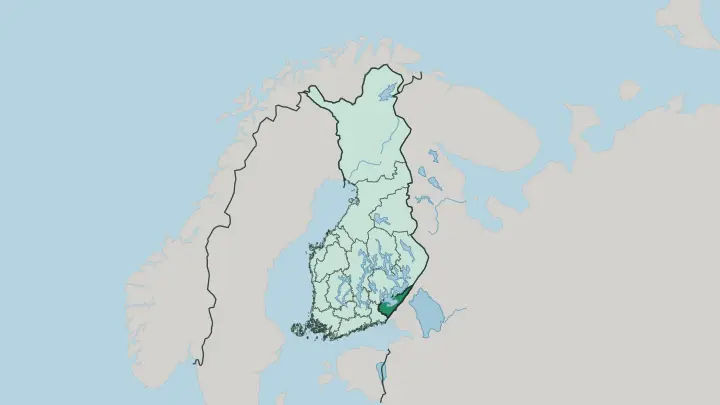
 Finland
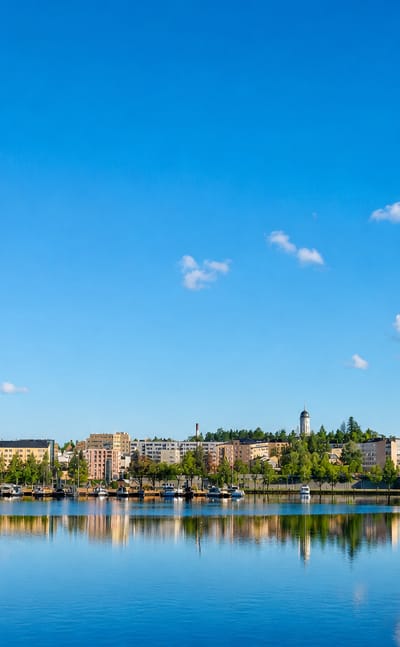
South Ostrobothnia
South Ostrobothnia is a flat farming region of western Finland, the broad Ostrobothnian plain around Seinäjoki.Towns & cities →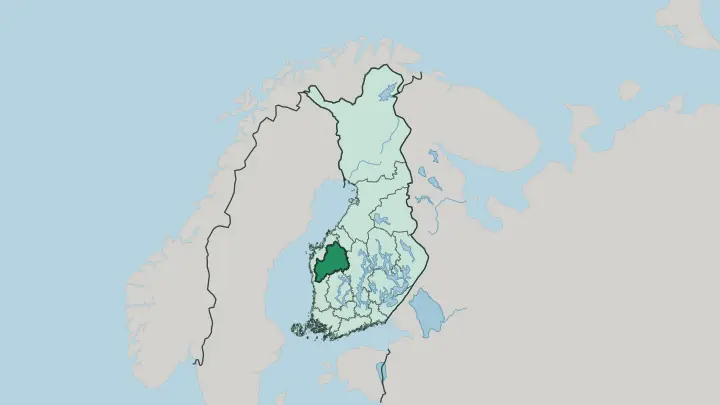
 Finland
Southern Savonia
Etelä-Savo is a lake region of eastern Finland, the southern Savo lake district around Mikkeli and Savonlinna.Towns & cities →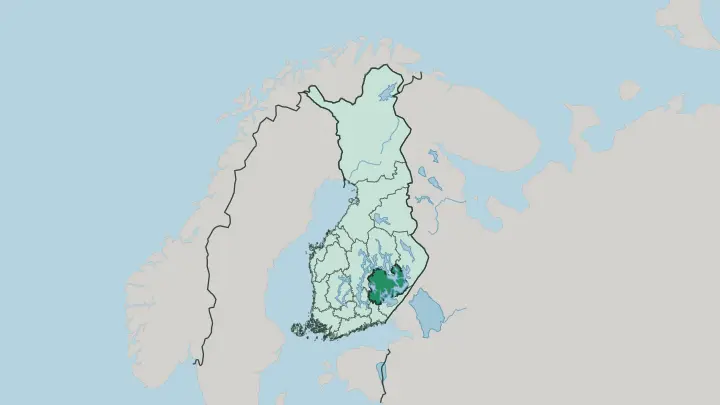 Finland
Uusimaa
Uusimaa is the coastal region of southern Finland, an island-fringed shore of lakes and countryside with the capital Helsinki at its centre.Towns & cities →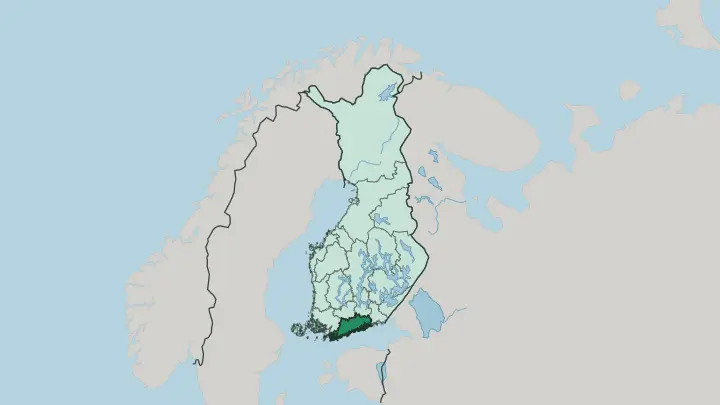 Finland
Varsinais-Suomi
Varsinais-Suomi is the coastal maakunta of south-western Finland, the Southwest Finland region west of Uusimaa drawn together in 1994.Towns & cities →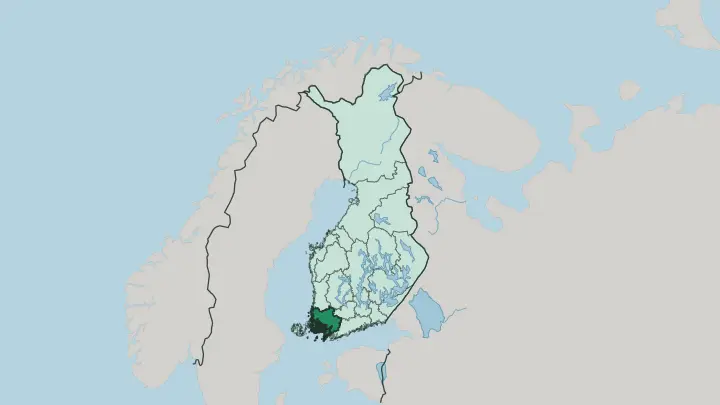 Finland
Åland
Åland is a Swedish-speaking autonomous region of Finland, an archipelago in the Baltic Sea with Mariehamn as its capital.Towns & cities →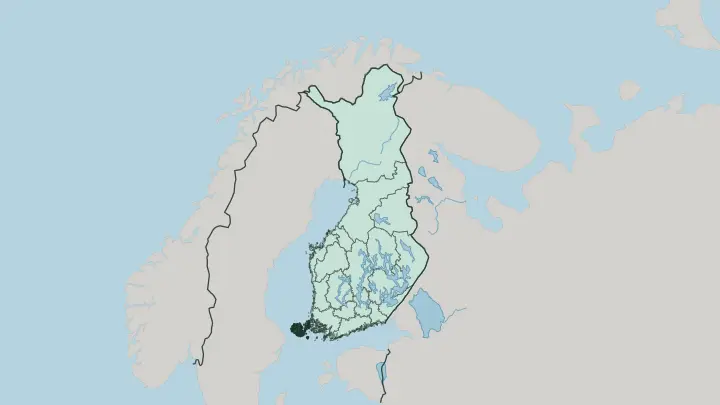
Explore by experience
Not sure which place? Start from how you want to travel.
About Finland
Finland is a land of water and forest.
What is Finland known for?
Scraped flat by sheets of ice across several ice ages, it carries 188,000 lakes and a similar count of islands, with boreal forest covering most of the ground between them. The north reaches into the Arctic. There the Northern Lights and the Midnight Sun draw travellers up toward Lapland, where Rovaniemi keeps a Santaland below the mythical mountain of Korvatunturi, said to be the home of Santa Claus.
Where is Finland?
Finland lies in northern Europe, between the Gulf of Bothnia and Russia. The land was scraped flat by sheets of ice across several ice ages, so it lacks the mountains and fjords of its Nordic neighbours and instead holds 188,000 lakes and a similar number of islands, with boreal forest spread across most of the ground between the water. It is low country.
The Gulf of Bothnia closes the west and the Gulf of Finland the south, opposite Estonia, while the long eastern edge runs the whole way down against Russia. The north pulls the country into another world. Beyond the lake belt the land rises gently into Lapland, reaching into the Arctic where the Northern Lights and the Midnight Sun mark the turning of the year.
Finland borders Sweden to the northwest and Norway to the north, and shares its longest land frontier with Russia in the east. From the southern shores at the Gulf of Finland to the fells of Lapland, it is one of the most water-laced and forested countries in Europe, a flat realm of lakes, islands, and trees rather than peaks.
What is the history of Finland?
The Republic of Finland has roots in the 20th century, declaring independence in 1917. Before that the country lay long between two larger powers, held first within the Swedish realm to the west and then taken into the Russian empire to the east, the two histories meeting in a land of forest and water along the Gulf of Bothnia and the Gulf of Finland. The pull ran both ways.
Swedish centuries left the second official language and a settled western law, while the long eastern frontier against Russia shaped the century that followed and still marks the country's longest border. A modern state grew up in the north. From the southern shores opposite Estonia the new republic spread its institutions through the lake country and on into Lapland and the Arctic, knitting a scattered, forested land of 188,000 lakes into one nation.
Independence held through hard years. Finland kept its footing between Sweden and Norway to the west and north and Russia to the east, and out of that exposed position built a prosperous Nordic country whose capital, Helsinki, looks south across the Gulf of Finland toward the Continent.
What is Finland like?
Finnish culture grows out of forest, water, and long winters. Life across a land of 188,000 lakes and dense boreal forest has long turned on the sauna, the summer cabin, and a quiet, self-reliant temper shaped by distance and the dark months, and the two official tongues, Finnish and Swedish, both run through the country's towns. The language sets Finland apart.
Finnish belongs to a different family from the Nordic neighbours, the mark of a people who came to their land by their own road, while the Swedish heritage keeps a second voice along the western and southern coasts. The far north carries its own world within the country. Lapland holds the Arctic rhythms of the Northern Lights and the Midnight Sun, while the south around Helsinki faces across the Gulf of Finland toward Estonia and the Continent.
Food and life follow the seasons closely. From the southern harbours to the fells of Lapland, the country is bound less by a single landscape than by water, woods, and a shared habit of meeting the long winter on its own terms.
What is the climate of Finland?
Finland's climate runs humid continental in the south and boreal in the north. The southern shores along the Gulf of Finland stay milder, warmed a little by the sea, while the long reach into Lapland and the Arctic brings deep cold and the swing between the Midnight Sun and the dark polar winter. Across Finland the snow lingers for months.
Across the lake country the 188,000 lakes freeze hard each winter and the boreal forest holds the cold, giving short, light-filled summers and long, white winters that lengthen with every step north.
How do you get to Finland?
Most travellers arrive through Helsinki in the south, the country's busiest gateway by air and the hub of its southern rail lines. Ferries cross the Gulf of Finland from Estonia and the wider Baltic, while land routes run in from Sweden in the northwest, Norway in the north, and along the long eastern frontier with Russia. The north takes longer to reach.
Rail and road climb on through the lake country into Lapland and the Arctic, where distances stretch out across the boreal forest toward Rovaniemi.
Common questions
What is the best area to stay in Finland?
Lapland: Arctic travellers chasing the aurora.
Good for
Updated September 2026