Fiji: Regions, Cities & Travel Guide
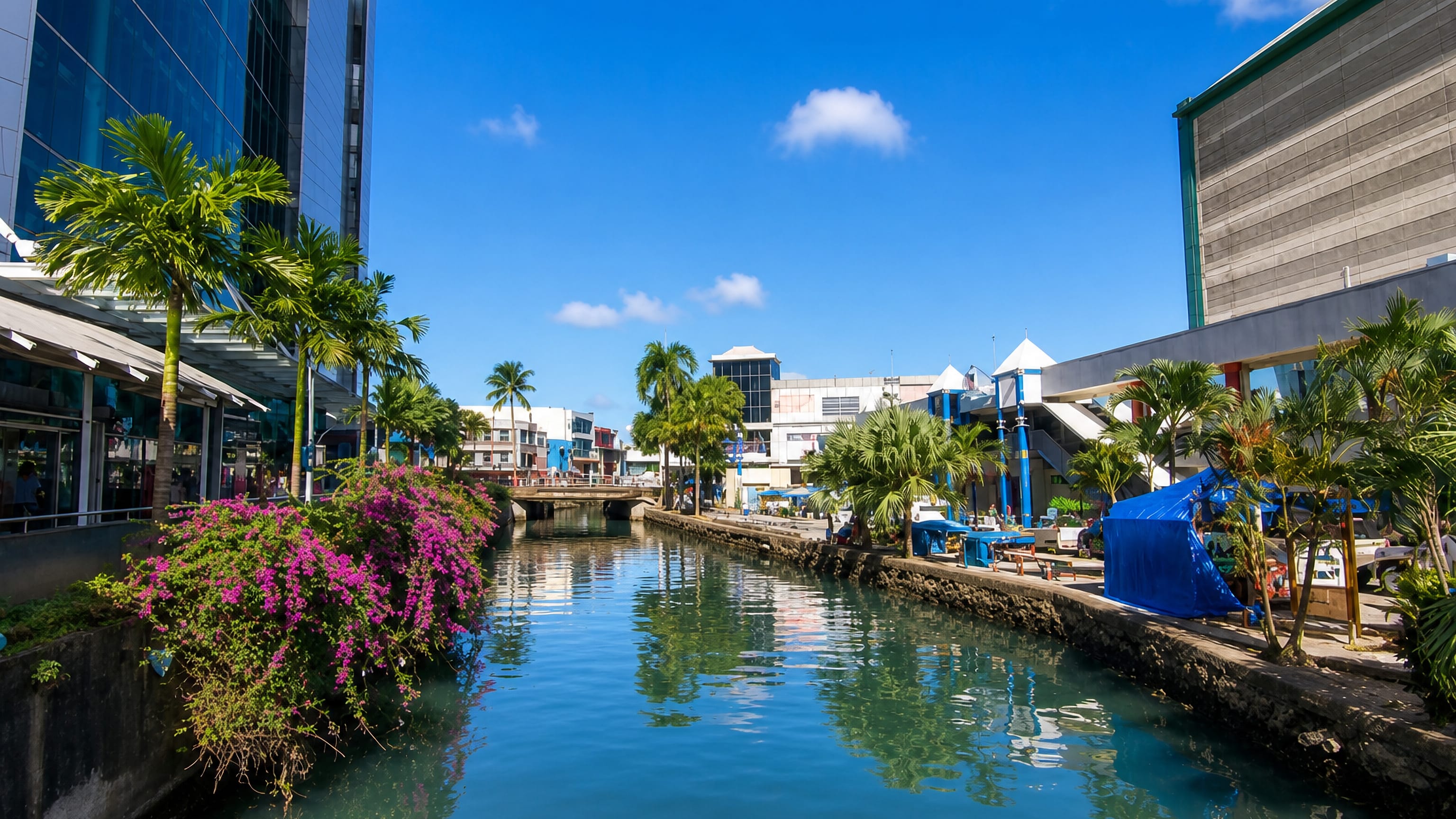
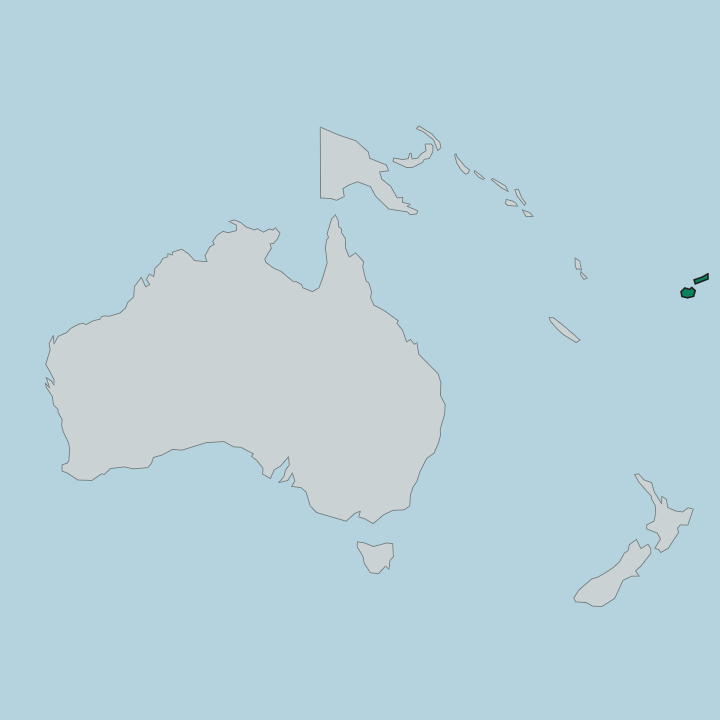
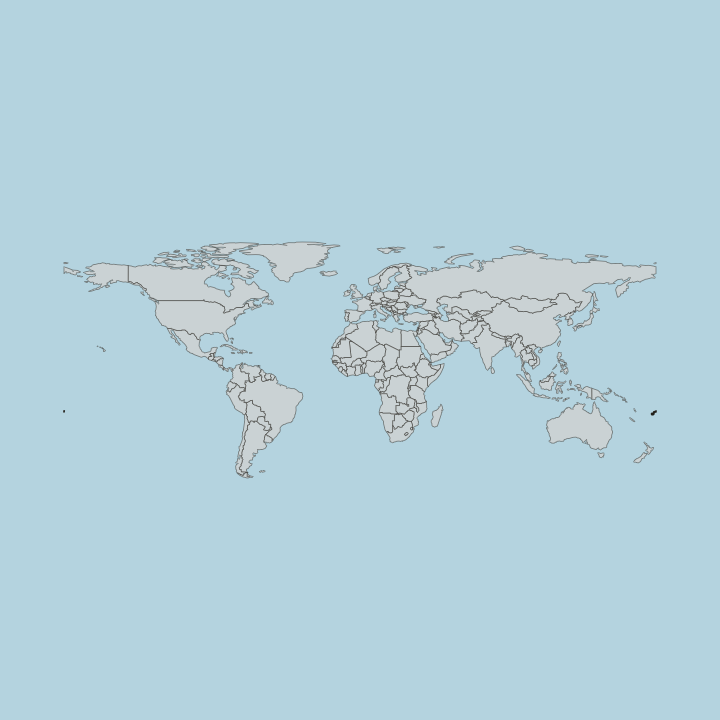
Fiji is an archipelago of more than 330 islands in Melanesia, in the South Pacific, with its capital at Suva on Viti Levu.
Hotel links are affiliate links: booking through them may earn us a commission, at no extra cost to you. It never affects how places are ranked. How this works


Top destinations in Fiji
Cities to start from, then drill into areas and hotels.

 Fiji
Fiji
Suva
Suva, capital of Fiji and its major port, sits on the southeast coast of Viti Levu, in Rewa Province of the Central Division.Where to stay →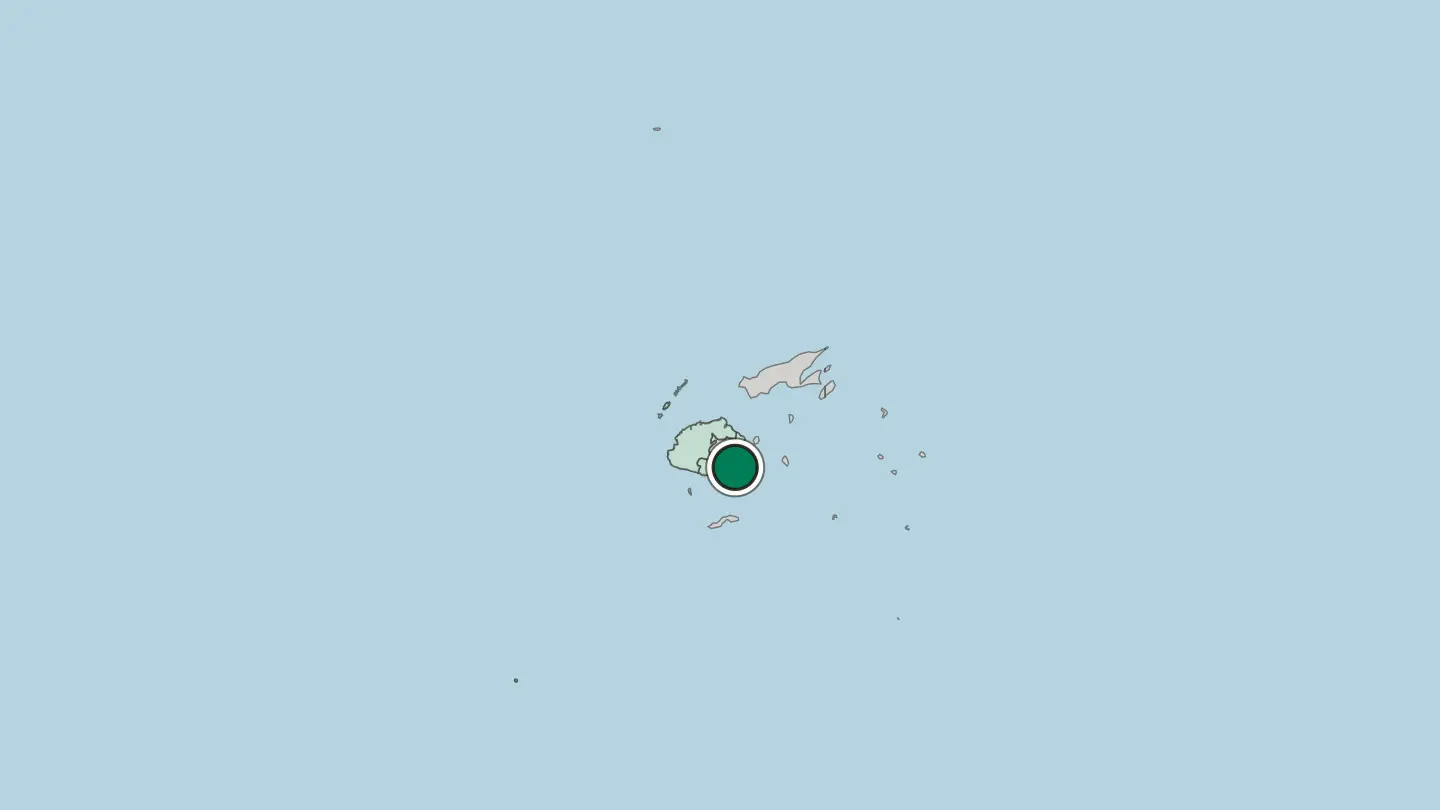
 Fiji
Fiji
Lautoka
Sugar built this one. Lautoka sits on the west coast of Viti Levu, inside Fiji's sugarcane belt, and answers to Sugar City as much as to its own name.Where to stay →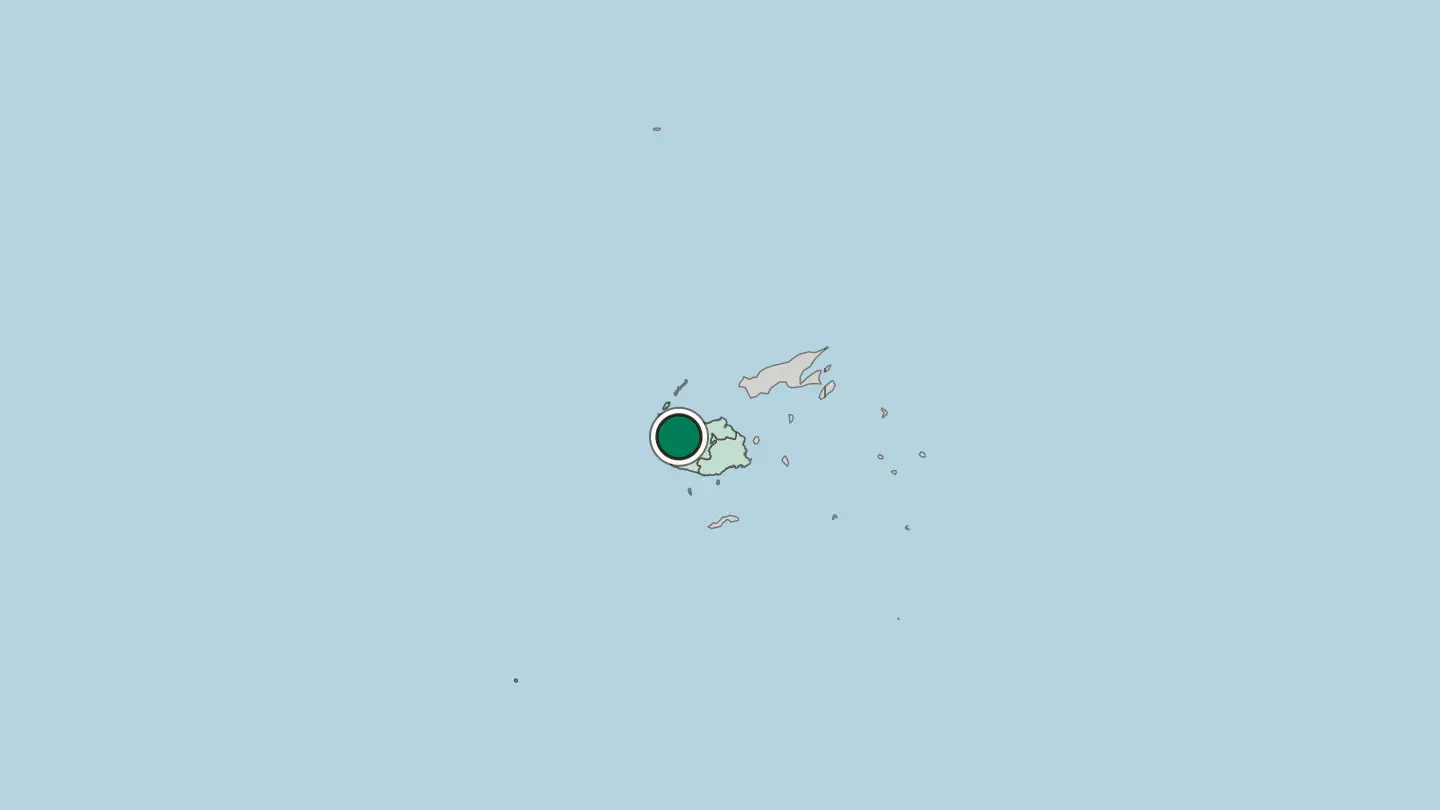
Hotel links are affiliate links: booking through them may earn us a commission, at no extra cost to you. It never affects how places are ranked. How this works
Regions of Fiji
Fiji
Central Division
Five provinces, one division. Central Division gathers Naitasiri, Namosi, Rewa, Serua and Tailevu into one of Fiji's four administrative quarters.Towns & cities →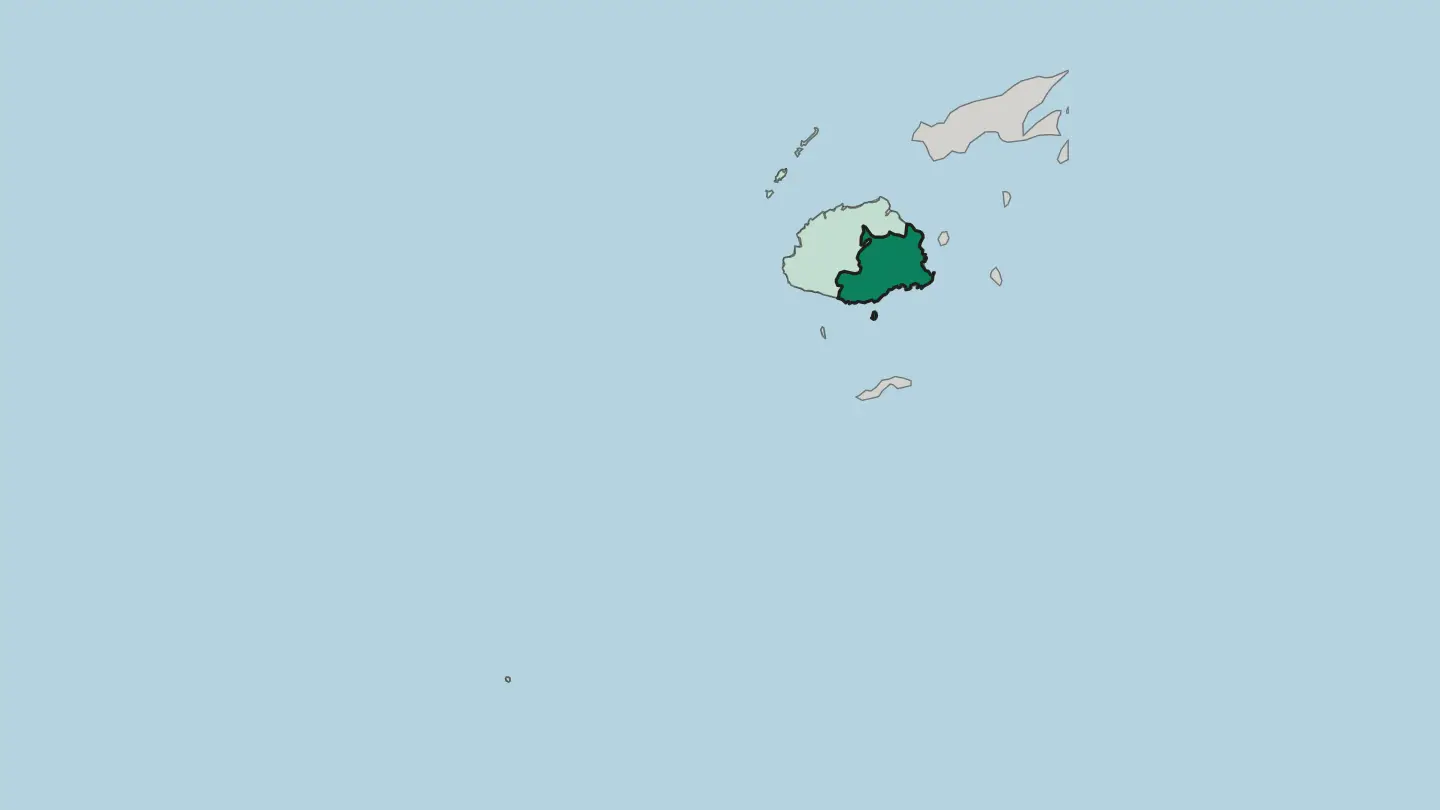 Fiji
Fiji
Western Division
Lautoka anchors it. Western Division covers Ba Province, Nadroga-Navosa Province and Ra Province on the western and northern side of Viti Levu.Towns & cities →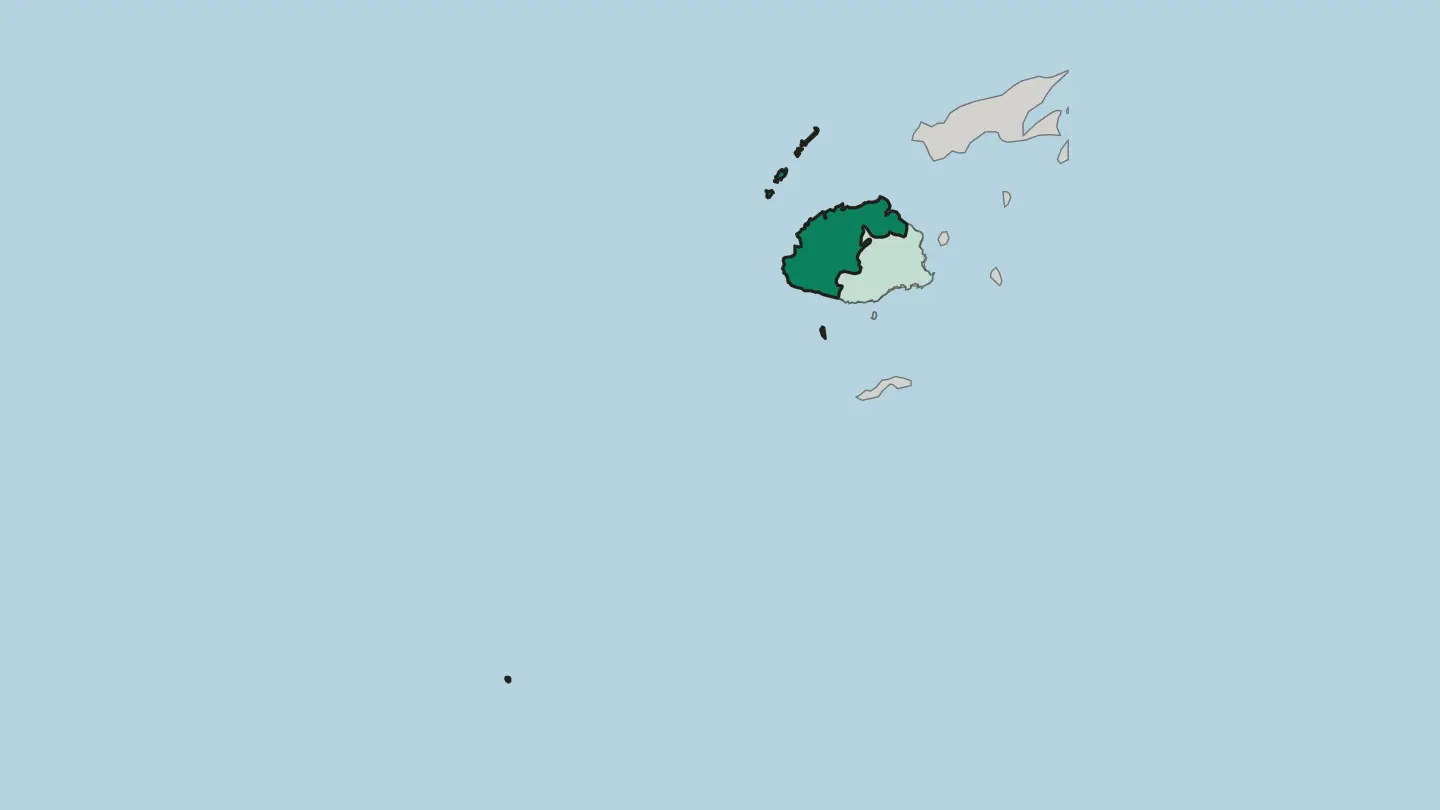
About Fiji
What is Fiji known for?
Fiji is known for its reef-fringed islands and warm-water diving. Two big islands carry most of it. Viti Levu holds the capital, Suva, and the airport town of Nadi, while Vanua Levu and volcanic Taveuni draw travellers north for the coral of the Rainbow Reef.
Offshore, the Mamanuca Islands and Yasawa Islands string white-sand cays across clear lagoons. The kava bowl and a shouted welcome of "Bula" meet you almost everywhere.
Where is Fiji?
Fiji sits in the South Pacific, part of the Melanesian arc, an archipelago of more than 330 islands and some 500 smaller islets scattered across a wide stretch of ocean. Two islands dominate the map. Viti Levu, the largest, is rugged and volcanic, its interior rising to Mount Tomanivi, the highest point in the country at more than 1,300 metres.
Vanua Levu, the second-largest, lies to the north across the Bligh Water and carries a greener, less crowded interior of forest and old plantation land. The land is far from flat. A central spine of mountains splits Viti Levu into a wet windward east and a dry leeward west, so the Sigatoka River drains sunlit cane country while Suva, on the southeast coast, catches the rain.
Rivers matter here. The Rewa, longest in the country, winds down from the highlands to a broad delta near Suva. Beyond the two main islands lie the tourist chains: the Mamanuca Islands and Yasawa Islands off the west, volcanic Taveuni and the reef island of Kadavu to the south.
Coral reefs ring almost everything. From highland forest to lagoon, the country packs many worlds into a small area.
What is the history of Fiji?
The first Fijians were Lapita seafarers, who reached these islands from the west around 1500 BC and left behind their stamped, geometric pottery. Later waves of Melanesian settlers followed. Over the centuries a society of chiefdoms took shape across Viti Levu and Vanua Levu, tied together by canoe voyaging, warfare, and the exchange of whales' teeth.
European sandalwood traders and beachcombers arrived early in the nineteenth century, and their muskets sharpened the old rivalries between chiefs. Ratu Seru Cakobau emerged as the strongest of them. Unable to hold order against settler debts and rival chiefs, Cakobau and twelve others signed the Deed of Cession in 1874, handing the islands to Queen Victoria.
Colonial rule reshaped the population profoundly. Between 1879 and 1916 the British shipped in tens of thousands of indentured labourers from India, the girmitiyas, to cut sugarcane, and their descendants became the Indo-Fijian community that still farms the cane belt around Nadi and the west. Fiji became an independent country in 1970, then a republic after the coups of 1987.
That mixed inheritance, iTaukei and Indo-Fijian side by side, still defines the place. Sugar and the sea shaped its modern story.
What is Fiji like?
Fijian life runs on two currents that have learned to share a country. The iTaukei, the indigenous majority, hold to village land, chiefly rank, and the vanua, the deep bond between people and place. Alongside them the Indo-Fijians, descended from the girmitiya cane cutters, brought Hindu and Muslim festivals, curry, and roti to the same islands.
The shared ritual is kava. Pounded pepper-plant root, mixed with water into a muddy bowl called yaqona, is drunk cross-legged to seal a welcome, a marriage, or a truce, and no serious visit to a village skips it. Food comes from the earth and the sea.
A lovo buries pork, fish, and taro over hot stones to steam underground, while the iTaukei dish kokoda cures raw fish in lime juice and coconut cream. Song and the meke dance carry the old stories. Above all this sits rugby, a national fever: the sevens side turns the country giddy, and every dusty village pitch fills at day's end.
Church choirs, mosque calls, and temple bells all sound across the same week. It is one country woven from several.
What is the climate of Fiji?
Fiji is tropical, with two seasons rather than four. The dry season, roughly May to October, is cooler and sunnier, and it is the easy time to travel. Wetter, hotter, and more humid months run from November to April, when afternoon downpours build and cyclones can spin through.
Geography splits the rain sharply: the west around Nadi and the offshore island chains sits in a rain shadow and stays dry, while Suva and the windward southeast soak up far more. Pack for warm days year-round.
How do you get to Fiji?
Almost everyone flies into Nadi International Airport, on the dry western coast of Viti Levu. It is the hub for the whole country. From there, small planes and fast catamarans fan out to the Mamanuca Islands and Yasawa Islands, and domestic flights hop across to Vanua Levu and Taveuni in the north.
A smaller airport at Nausori serves Suva on the far side of Viti Levu. Once you land, boat and light aircraft do the rest.
Good for
Updated September 2026