Fiji · Western Division
Where to Stay in Lautoka, Western Division
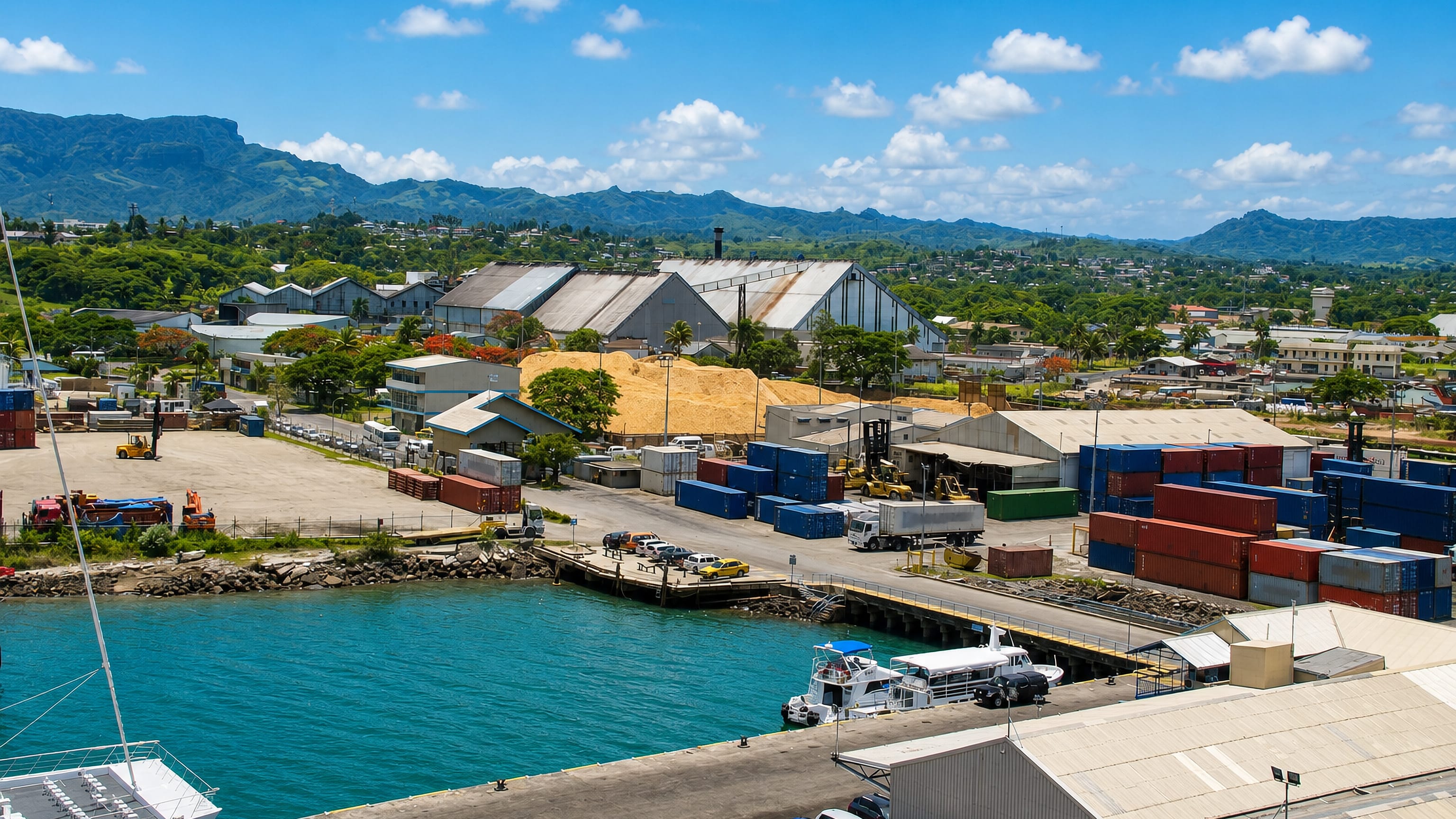
Sugar built this one. Lautoka sits on the west coast of Viti Levu, inside Fiji's sugarcane belt, and answers to Sugar City as much as to its own name.
Hotel links are affiliate links: booking through them may earn us a commission, at no extra cost to you. It never affects how places are ranked. How this works


Where to stay in Lautoka
The practical side of choosing where to sleep.
Lautoka covers 32 square kilometres of the west coast of Viti Levu, small enough that the choice of bed turns less on distance than on what brought you. The water is one answer. Rooms toward the coastal edge put open sea in front of the window, and for anyone treating the city as a stepping-off point for the islands offshore that is the side worth paying for.
The garden is the other. Lautoka's botanical garden of tropical plants is the attraction the Sugar City offers on its own account rather than borrowing from the shoreline, and a room near it turns a morning there into a walk instead of an expedition. Cane takes over beyond that.
Past the built-up area the sugarcane belt of Ba Province begins, and beds out that way trade the city front for quiet and for a view of the crop the place is named after. Decide by purpose, not by map. Lautoka is the second largest metropolitan area in Fiji and the obvious working base inside the Western Division, so its rooms carry business travel as readily as holidays, and the same address can serve a contract one night and a boat out to the islands the next.
Book the coast for departures.
Find hotels in Lautoka
Direct booking searches for these neighbourhoods.
By the botanical garden
The part of Lautoka closest to its botanical garden of tropical plants, the one attraction the Sugar City puts forward without reference to the coastFind hotels in By the botanical gardenEarly departures out to the islands off the west coast of Viti LevuLautoka waterfront
Lautoka's seaward edge, where the built-up area meets the open water of the Viti Levu coast and the offshore islands are the reason to be up earlyFind hotels in Lautoka waterfrontQuiet nights at the point where Lautoka gives way to the sugarcane beltOut toward the cane
The inland margin of the city, where Ba Province cane country begins and the crop that made Lautoka the Sugar City replaces the streets. Lodging is scarce in this area; reserve in advance.Find hotels in Out toward the caneHotel links are affiliate links: booking through them may earn us a commission, at no extra cost to you. It never affects how places are ranked. How this works
About Lautoka
Cane, not coastline, made the name.
What is Lautoka known for?
Lautoka lies in the middle of Fiji's sugarcane belt on the west coast of Viti Levu, and the industry around it earned the city the working title Sugar City, which has stuck alongside the formal one. Tourism came second here. Other parts of the islands lean on visitors far more heavily, and what Lautoka puts forward instead is a botanical garden of tropical plants and its standing as the second largest metropolitan area in Fiji.
What are the main landmarks in Lautoka?
The botanical garden is the set piece. Tropical plants fill it, and in a working city better known for its cane than for its sights, that garden is the thing Lautoka points a visitor toward before anything else. The coast supplies the rest.
Viti Levu's western shore runs the length of the city, giving the Sugar City an open-water edge that does the job monuments do elsewhere, and the islands beyond it extend the same idea.
What is the history of Lautoka?
Sugar named the place. Lautoka grew in the middle of Fiji's sugarcane belt, and the crop worked around it did enough for the city's account that Sugar City became the everyday title, used in place of the formal name often enough to hold. The nickname is the record.
No founding year has come down with the city, so what its past leaves behind is a crop, a shoreline and a position on the west coast of Viti Levu that made the two worth putting together. Scale followed the cane. Lautoka became the second largest metropolitan area in Fiji, a standing the 2017 census set down, and it reached that on an industry rather than on visitors, since tourism has counted for less here than in other parts of the islands.
Ba Province holds it on paper. Western Division is the wider bracket above that, and inside both of them Lautoka works as the western counterweight to whatever the rest of Viti Levu carries. A botanical garden of tropical plants sits among all the industry, which is the softer half of the same inheritance and the part a visitor is most likely to walk through.
Where is Lautoka?
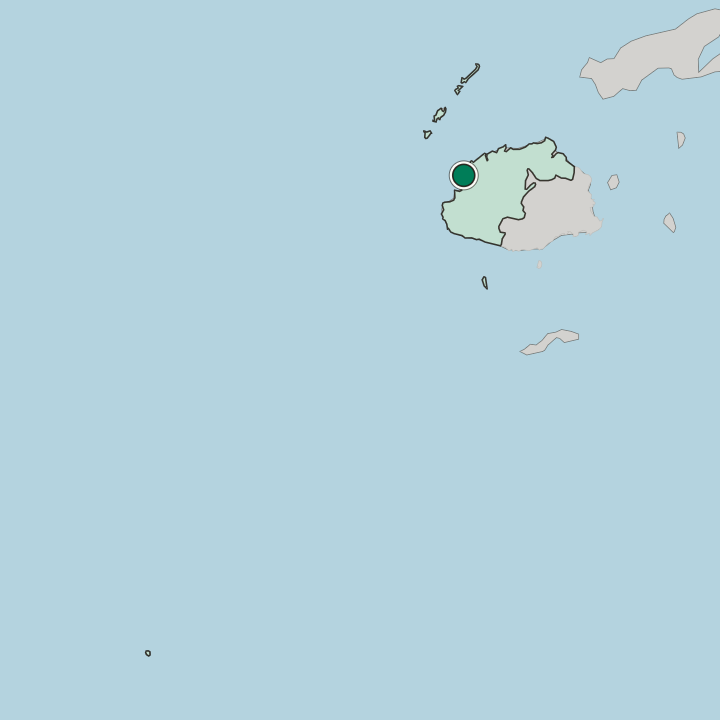
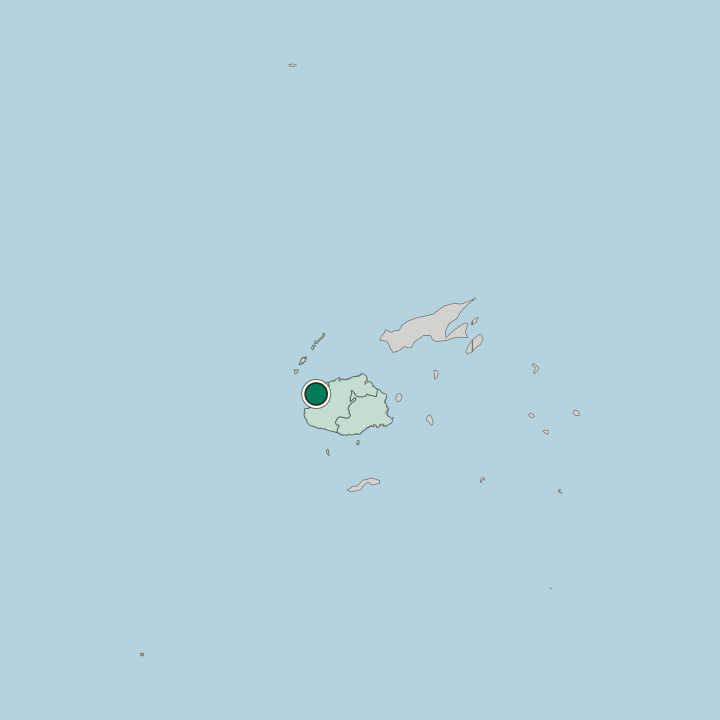
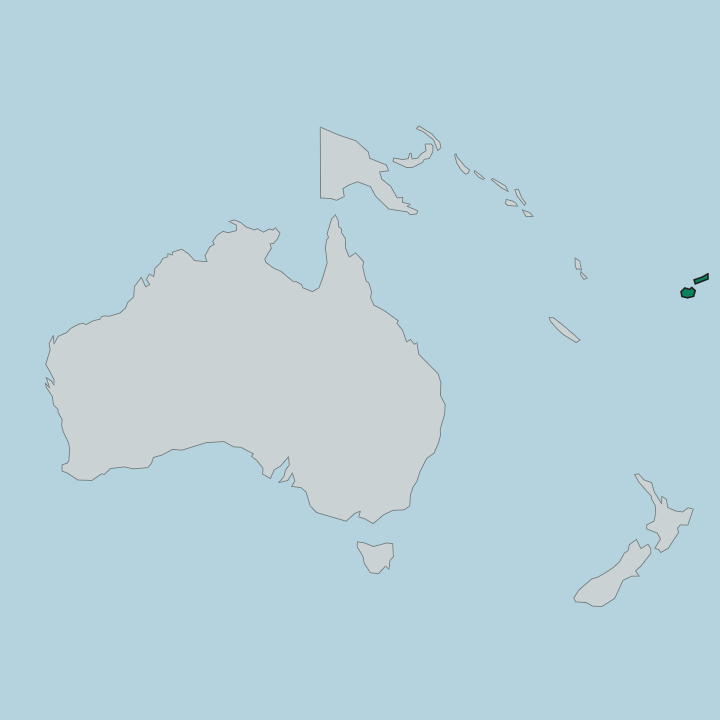
Thirty-two square kilometres, no more. Lautoka takes that much of the west coast of Viti Levu, sitting inside Ba Province and inside the Western Division above it, with the sugarcane belt filling the ground behind the built-up area. Tropical, and south of the equator.
Open ocean lies on one side of the city and cane country on the other, and that pairing is the whole of the geography Lautoka has to work with.
What is the climate of Lautoka?
Open water sets the tone. Lautoka stands on the exposed western shore of Viti Levu inside the tropical band south of the equator, so the sea takes the edge off a heat that presses harder a short way inland, and the coast is the more comfortable half of the city for it. The sugarcane belt behind runs warmer.
Nothing here escapes the tropics, and the tropical plants in the botanical garden are the visible proof of the regime.
How do you get to Lautoka?
Arrivals come along the shore. Lautoka is the second largest metropolitan area in Fiji, which makes it the point most routes on the west coast of Viti Levu are built to reach, and the Western Division traffic that has business in Ba Province ends up here. Ba Province surrounds the city.
Movement onward runs inland through the sugarcane belt or out over the water toward the islands, and picking between them is really picking between cane country and the coast.
Common questions
What is the best area to stay in Lautoka?
By the botanical garden: Mornings spent among the tropical plants Lautoka keeps rather than on the water. Lautoka waterfront: Early departures out to the islands off the west coast of Viti Levu. Out toward the cane: Quiet nights at the point where Lautoka gives way to the sugarcane belt.
Good for
Updated September 2026