Gabon · Estuaire
Where to Stay in Libreville, Estuaire
Libreville is the capital of Gabon on the Komo estuary, an Atlantic port on the equator, founded in the last century as a town for freed captives.
Hotel links are affiliate links: booking through them may earn us a commission, at no extra cost to you. It never affects how places are ranked. How this works


Where to stay in Libreville
The practical side of choosing where to sleep.
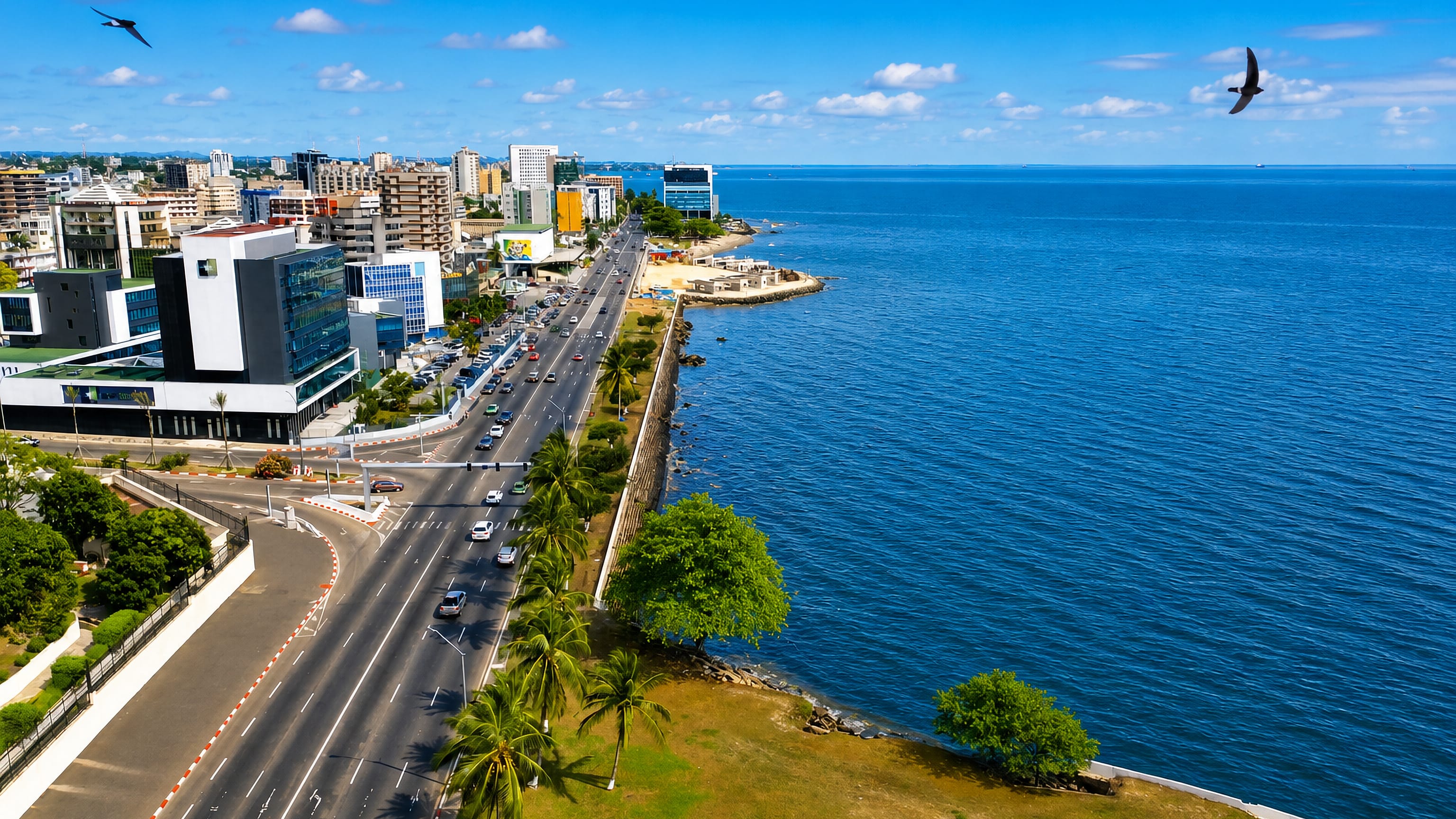
In Libreville the choice is the centre or the ocean shore. The centre keeps the churches, the port, and the markets within a walk, and staying downtown suits anyone here for the town. The estuary runs close by.
Ships ride off the quays. Out along the shore and the forest, the town gives way to the ocean beaches, the fishing villages, and the road into the forest. A room by the sea trades the streets for the wide estuary, the warm beaches, and the green forest behind the coast.
Sand and surf run far past town. Stay downtown for the town, or out for the coast. The wide estuary and the green forest hold the equator city.
Find hotels in Libreville
Direct booking searches for these neighbourhoods.
The centre
In central Libreville, a walk from the churches and the portFind hotels in The centreStays wanting the beaches and forestThe coast
Out along the ocean beaches with the forest behindFind hotels in The coastHotel links are affiliate links: booking through them may earn us a commission, at no extra cost to you. It never affects how places are ranked. How this works
About Libreville
Libreville is the capital city of Gabon.
What is Libreville known for?
On the Komo estuary where it opens to the Atlantic, right on the equator, it grew from a settlement of freed captives into the national capital, and it keeps the busy port on the estuary, the old churches of the town, the trade in oil and timber, and the green forest of the coast. The wide estuary opens to the sea. Ships ride off the shore.
What are the main landmarks in Libreville?
The old churches are the pride of Libreville. The church of Saint-Michel with its carved wooden pillars and the old cathedral of the town are the emblem of the city, downtown. A busy port lines the estuary.
The harbour and the sports palace stand by the water nearby, while the Komo estuary, the ocean beaches, and the great rain forest mark the country around Libreville.
What is the history of Libreville?
Freed captives founded the town. In the last century a French ship freed a group of captives from a slave ship, and settled them on the estuary, and they named the new town Libreville, the free town. The French built a colony.
Libreville grew as a post and a port of the French on the estuary, a seat of their rule on the equator coast. Timber came from the forest. For years the town lived on the trade in okoumé timber and the goods of the great forest that ran inland from the coast.
Oil made the modern city. In our own age the oil of the coast raised the city, and Libreville grew as the capital of Gabon, keeping its estuary, its churches, and its forest. The wide estuary still runs by.
Libreville keeps its port city on the equator.
Where is Libreville?
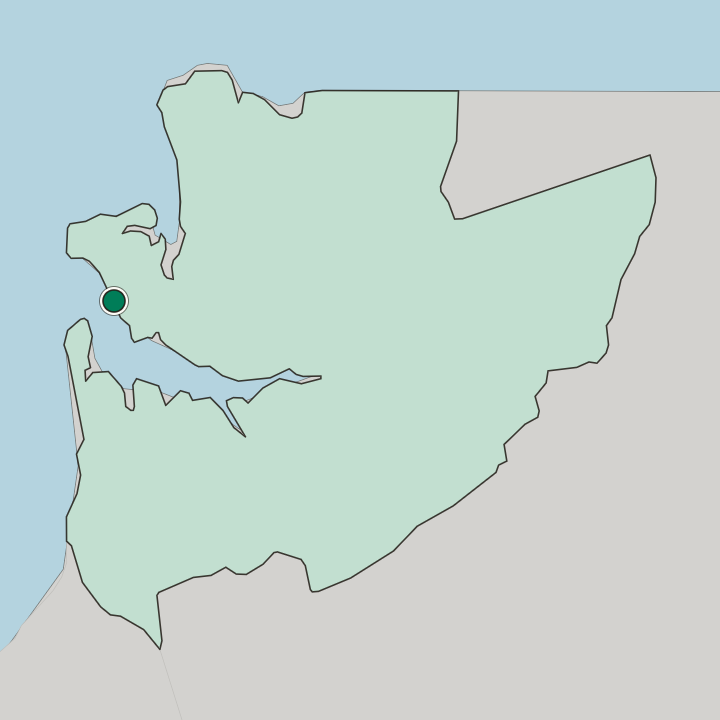
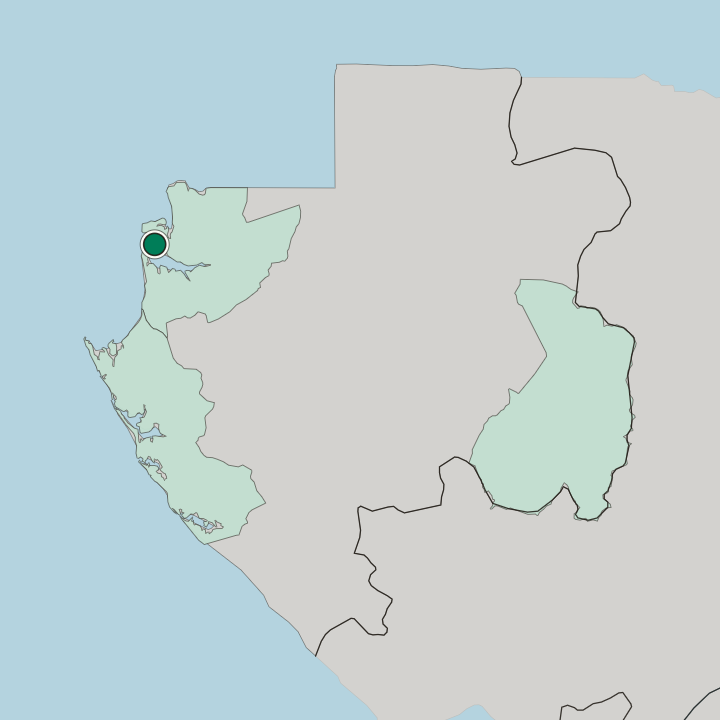
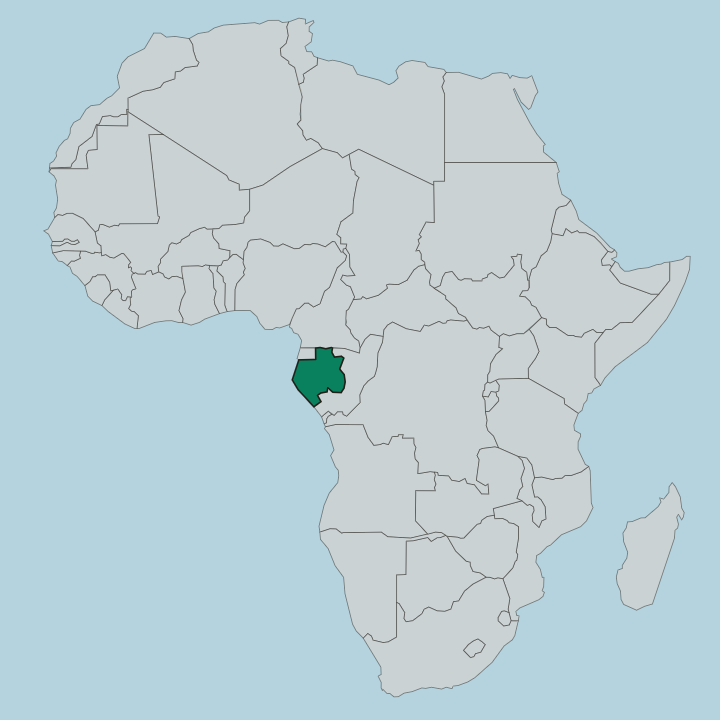
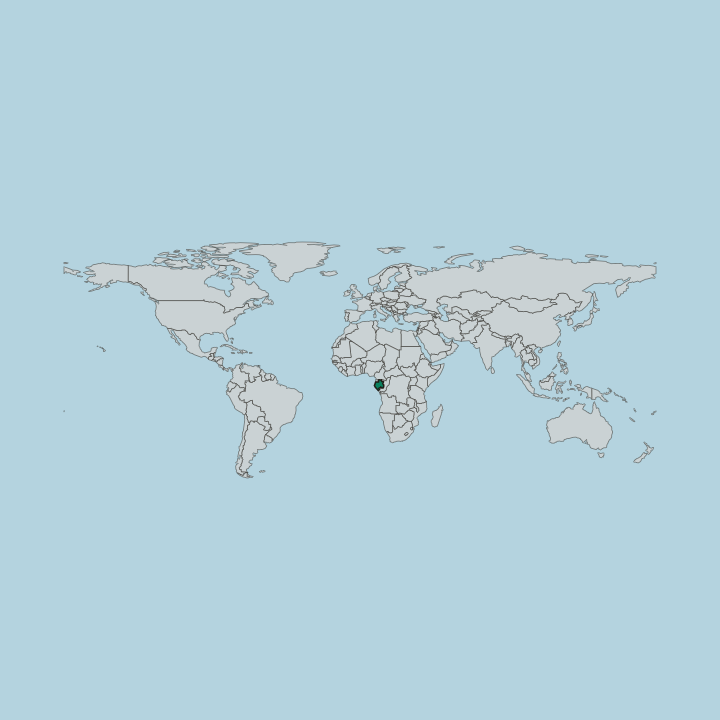
Libreville lies on the coast of Gabon, on the Komo estuary. The city sits on the north shore of the estuary where the Komo River opens to the Atlantic, right on the equator, in a hot wet land of forest and mangrove, with the ocean to the west and the great rain forest stretching away inland to the east. The warm sea laps the shore.
Forest rings the town.
What is the climate of Libreville?
Libreville has a hot, humid equatorial climate. Warm damp weather holds all year on the coast, with a long rainy season and a short drier spell through the year. The rains soak the forest.
Sea air hangs warm.
How do you get to Libreville?
Libreville lies on the coast of Gabon, at the Komo estuary. The road and the air link run to it from Port-Gentil and the interior, and ships call at its port. Boats work the estuary.
The forest lies inland east.
Common questions
What is the best area to stay in Libreville?
The centre: Visitors here for the churches and port. The coast: Stays wanting the beaches and forest.
Good for
Updated September 2026