Georgia · Kvemo Kartli
Where to Stay in Rustavi, Kvemo Kartli
Rustavi (რუსთავი) is an industrial city in Kvemo Kartli, founded in 1948 around its steelworks a short run south of Tbilisi.
Hotel links are affiliate links: booking through them may earn us a commission, at no extra cost to you. It never affects how places are ranked. How this works


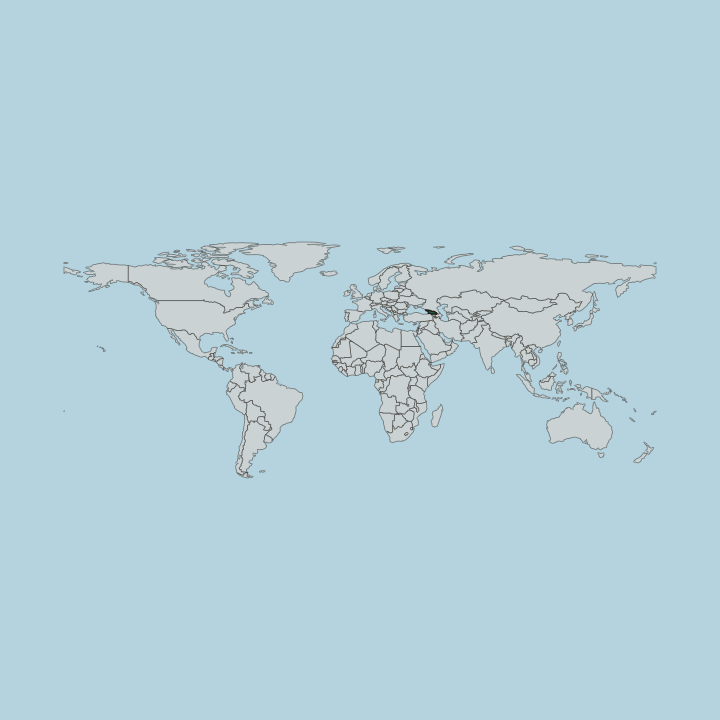
Where to stay in Rustavi
The practical side of choosing where to sleep.
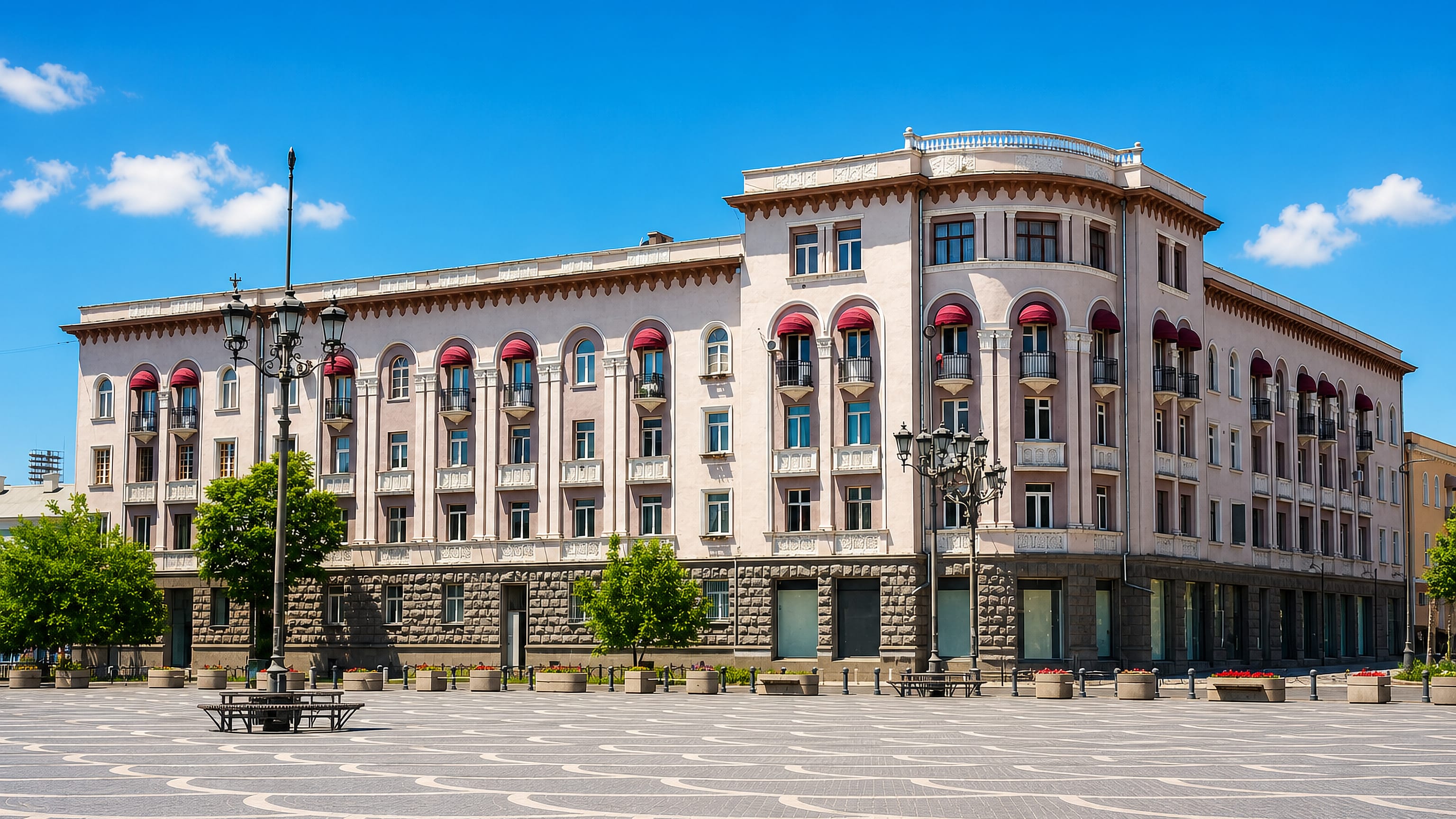
The Rustavi Metallurgical Plant sets the shape of the city, and the streets nearest it are the working end of it. Central Rustavi is the sensible base. Rooms in the middle of Rustavi put the Soviet architecture, the shops and the road to Tbilisi within reach of one another, which matters in a city laid out from 1948 as a single plan.
Distances inside the city are short, which means the difference between one district and another is mostly a matter of how close the Rustavi Metallurgical Plant feels. Rustavi gives you little to choose from. The outskirts are the other option, where the abandoned factories and the derelict Soviet-era parks run out toward the dusty hills, and beds out there are few.
Tbilisi is the honest alternative. The capital of Georgia sits about 20 km north, with far more rooms, and a day trip down to Rustavi and the rest of Kvemo Kartli takes about 25 minutes each way. If you came for Soviet architecture and the industrial record rather than for older monuments, stay in Rustavi itself; otherwise base in Tbilisi and come down for the day.
Find hotels in Rustavi
Direct booking searches for these neighbourhoods.
Rustavi centre
The single 1948 plan put Rustavi's housing blocks, shops and public buildings inside one grid.Find hotels in Rustavi centrebusiness at the Rustavi Metallurgical PlantThe plant side
The Rustavi Metallurgical Plant sets the working rhythm of the streets closest to it. Few places to stay nearby — book ahead.Find hotels in The plant sidethe abandoned factories and the dusty hills behind themThe factory outskirts
Abandoned factories and derelict Soviet-era parks fill the ground between Rustavi and its hills. Few places to stay nearby — book ahead.Find hotels in The factory outskirtsa wider choice of rooms 20 km up the roadTbilisi
Tbilisi is about 25 minutes from Rustavi, which makes Kvemo Kartli a day trip from the capital.Find hotels in TbilisiHotel links are affiliate links: booking through them may earn us a commission, at no extra cost to you. It never affects how places are ranked. How this works
About Rustavi
Steel built Rustavi.
What is Rustavi known for?
The Rustavi Metallurgical Plant dominates the city's economy, and the town was laid out in 1948 to serve it, which is why the street plan reads as a single design rather than a growth of centuries. Soviet architecture fills the centre, and abandoned factories, derelict Soviet-era parks and dusty hills surround it, giving Rustavi a look unlike anywhere else in Kvemo Kartli. Tbilisi lies a short drive north.
What are the main landmarks in Rustavi?
Rustavi's landmarks are industrial rather than historic. The Rustavi Metallurgical Plant is the reason the city exists, and the abandoned factories around its edge belong to the same industrial record. Soviet architecture is the other draw, block housing and public buildings from a single planned decade, with derelict Soviet-era parks between them and dusty hills behind.
Older monuments are absent. Anyone wanting them goes to Tbilisi, 20 km north in the same corner of Kvemo Kartli.
What is the history of Rustavi?
The city dates from 1948. Rustavi was built in the Soviet Union as a works town, and the Rustavi Metallurgical Plant was the reason for it, so the housing, the streets and the public buildings all arrived together rather than by degrees. Soviet architecture is what that produced, block after block of it, and the same period laid out the parks that have since gone derelict.
Steel carried the town for decades. Growth was fast enough to make Rustavi the third-largest city in Georgia, and it reached that rank without any of the older layers a town of the Kartli country would normally carry. Industry left its marks.
Abandoned factories stand on the outskirts, the parks laid out in the Soviet era have gone derelict, and the Rustavi Metallurgical Plant still anchors the economy of the city that was built for it. Tbilisi shaped the rest. The capital of Georgia lies about 20 km north, close enough that Rustavi has always been read against it, and that proximity has done as much to set the city's role in Kvemo Kartli as the plant did.
Where is Rustavi?
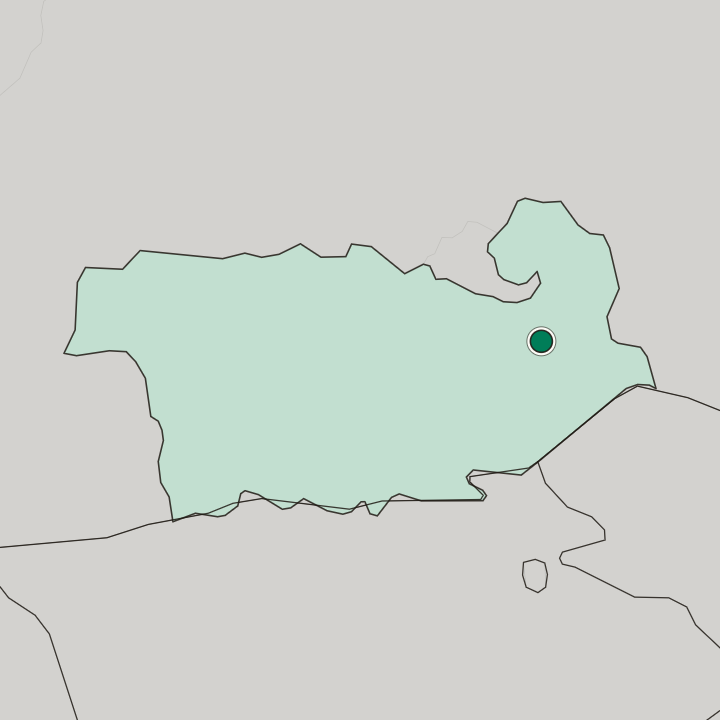
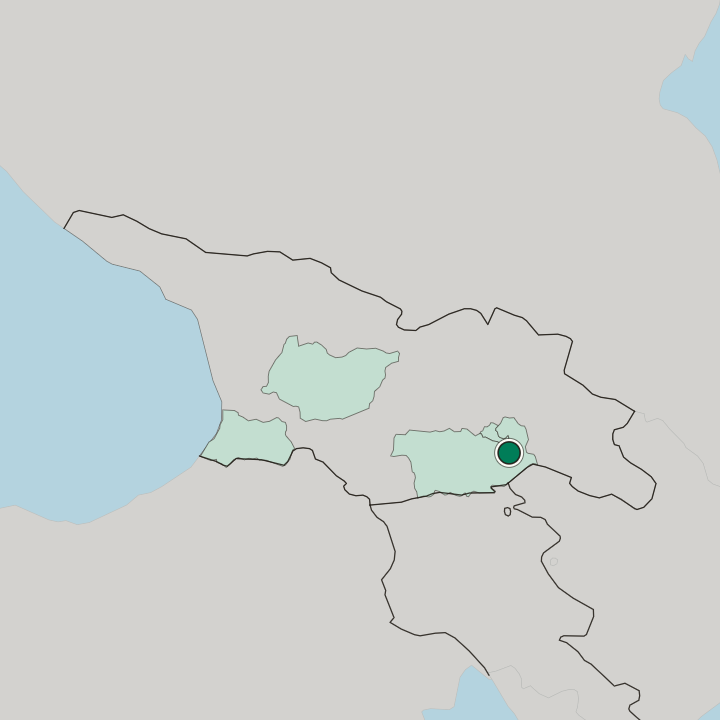
Dusty hills surround the city. Rustavi spreads across a wide site in Kvemo Kartli, part of the older Kartli country, and the abandoned factories on its outskirts stand between the built streets and those hills. Tbilisi lies about 20 km north.
That distance is the whole geography of the place: near enough to the capital of Georgia to feel its pull, far enough to keep an industrial character of its own.
What is the climate of Rustavi?
The dusty hills around Rustavi dry out through the summer, and the heat that comes off them settles over the flat streets of the city long after the sun has gone. Dust is the constant. Kvemo Kartli sits inland, so the swing between the seasons runs wider here than it would on any coast.
Tbilisi shares the same pattern, being only about 20 km away, so a wet or a hot day in one is usually a wet or a hot day in the other.
How do you get to Rustavi?
Tbilisi is the way in. The capital sits about 20 km north, a run of roughly 25 minutes, so nearly everything reaching Rustavi comes down that road rather than from anywhere else in Kvemo Kartli. Inside the city the plan does the work: the streets laid out from 1948 follow one design, which makes Rustavi straightforward to cross on foot or by car.
Rustavi is a short trip either way.
Common questions
What is the best area to stay in Rustavi?
Rustavi centre: the Soviet architecture the 1948 plan produced. The plant side: business at the Rustavi Metallurgical Plant. The factory outskirts: the abandoned factories and the dusty hills behind them. Tbilisi: a wider choice of rooms 20 km up the road.
Updated September 2026