Georgia: Regions, Cities & Travel Guide
Georgia is a country in the South Caucasus, held between the Greater Caucasus and the Black Sea, with Tbilisi as its capital.
Hotel links are affiliate links: booking through them may earn us a commission, at no extra cost to you. It never affects how places are ranked. How this works


Top destinations in Georgia
Cities to start from, then drill into areas and hotels.
 Georgia
Tbilisi
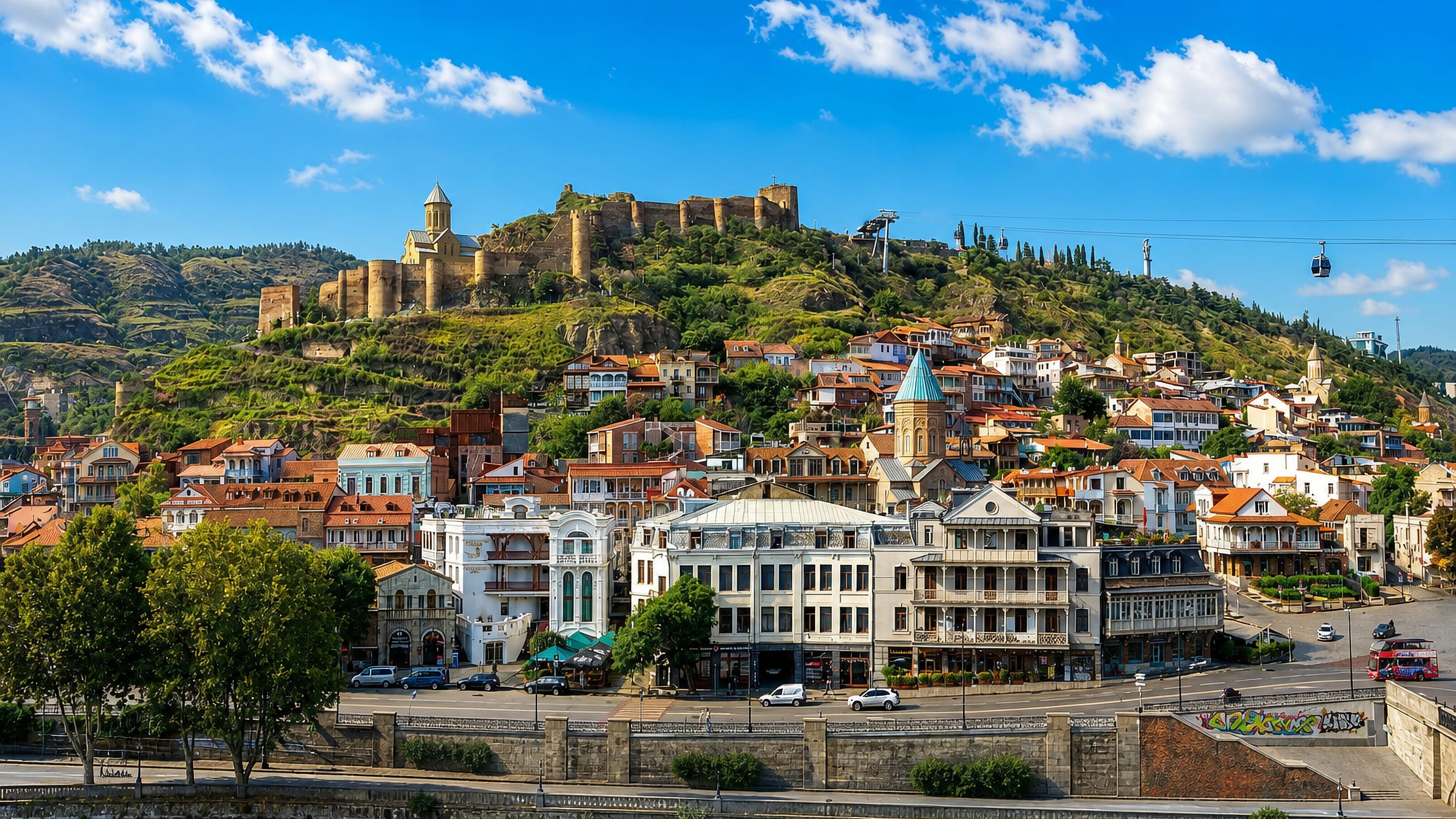
Warm sulphur water rises under Tbilisi, the capital of Georgia strung along the Mtkvari River below a fortress hill, known for its baths and old town.Where to stay →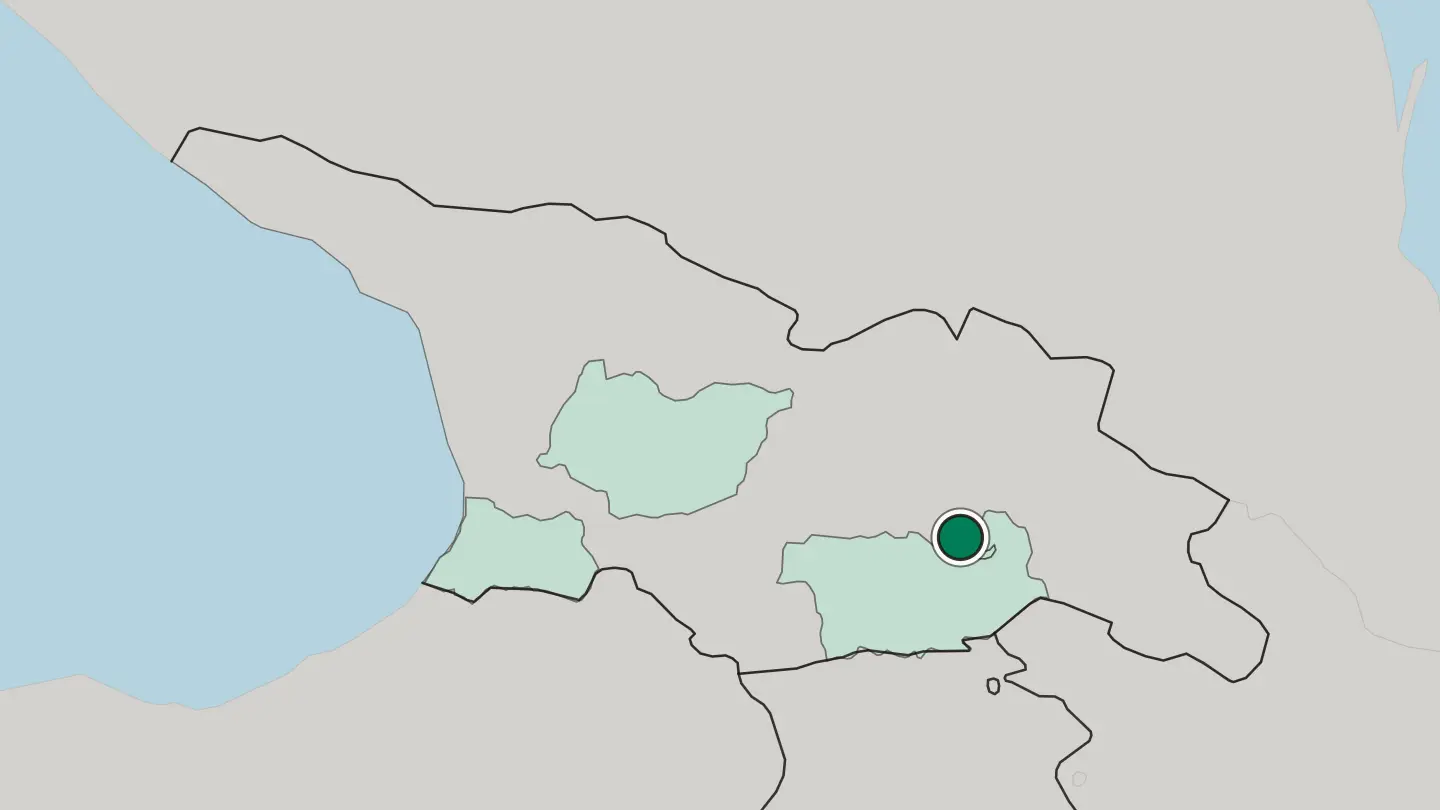
 Georgia
Batumi
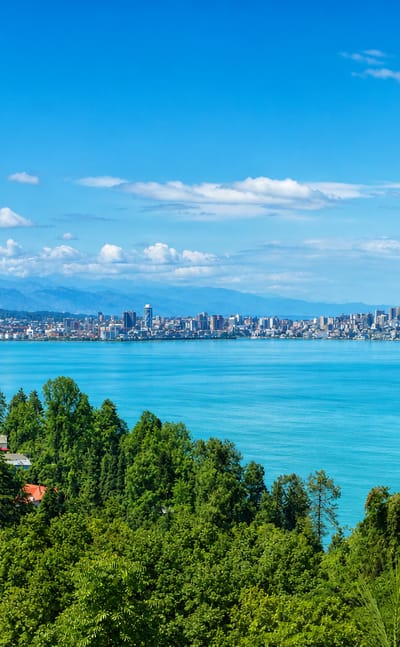
The Black Sea laps a curve of promenade at Batumi, the seaport capital of Adjara on Georgia's southwest coast, known for its beach and modern skyline.Where to stay →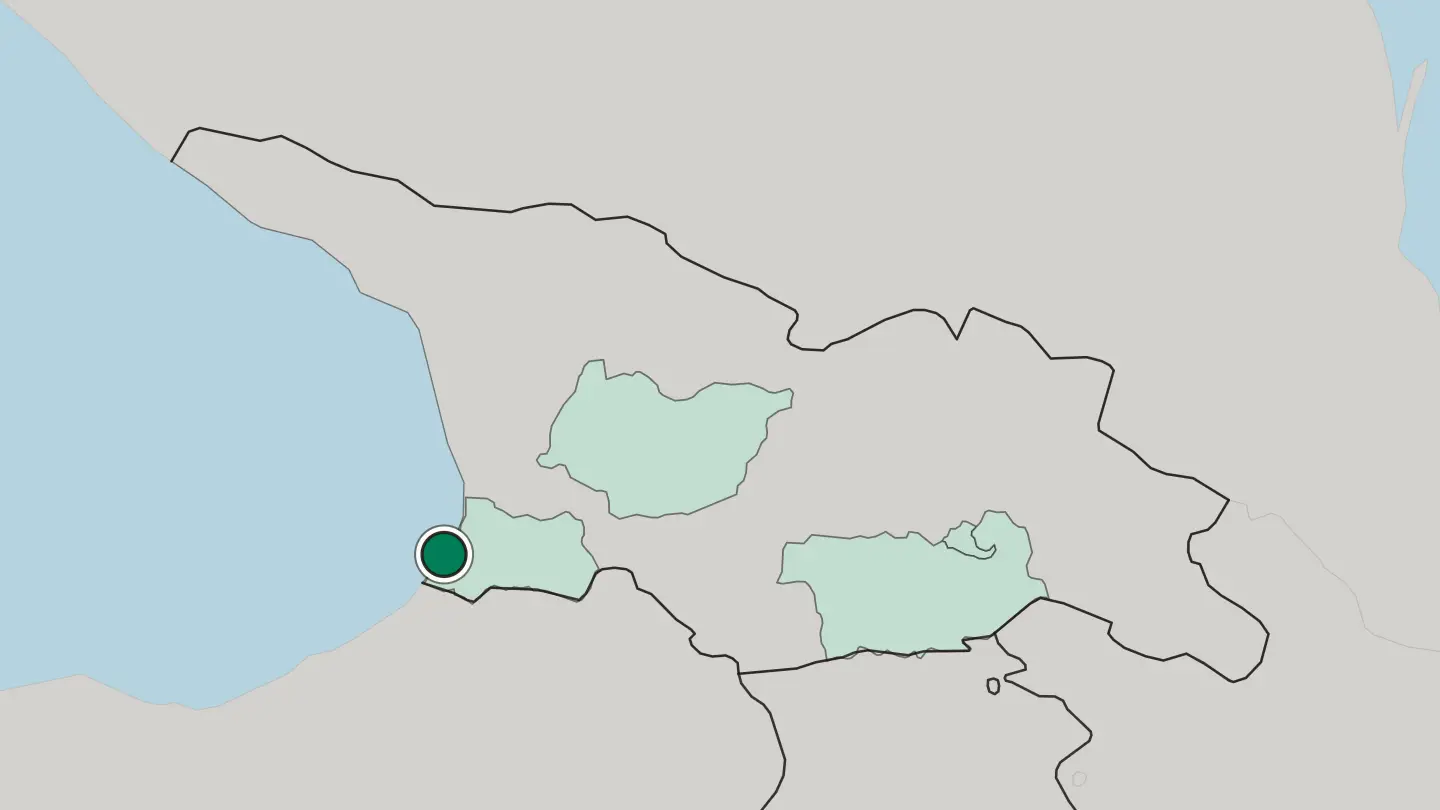
 Georgia
Kutaisi
Kutaisi (ქუთაისი) is the capital of Imereti, one of the world's oldest cities, on the Rioni River below Bagrati Cathedral and Gelati Monastery.Where to stay →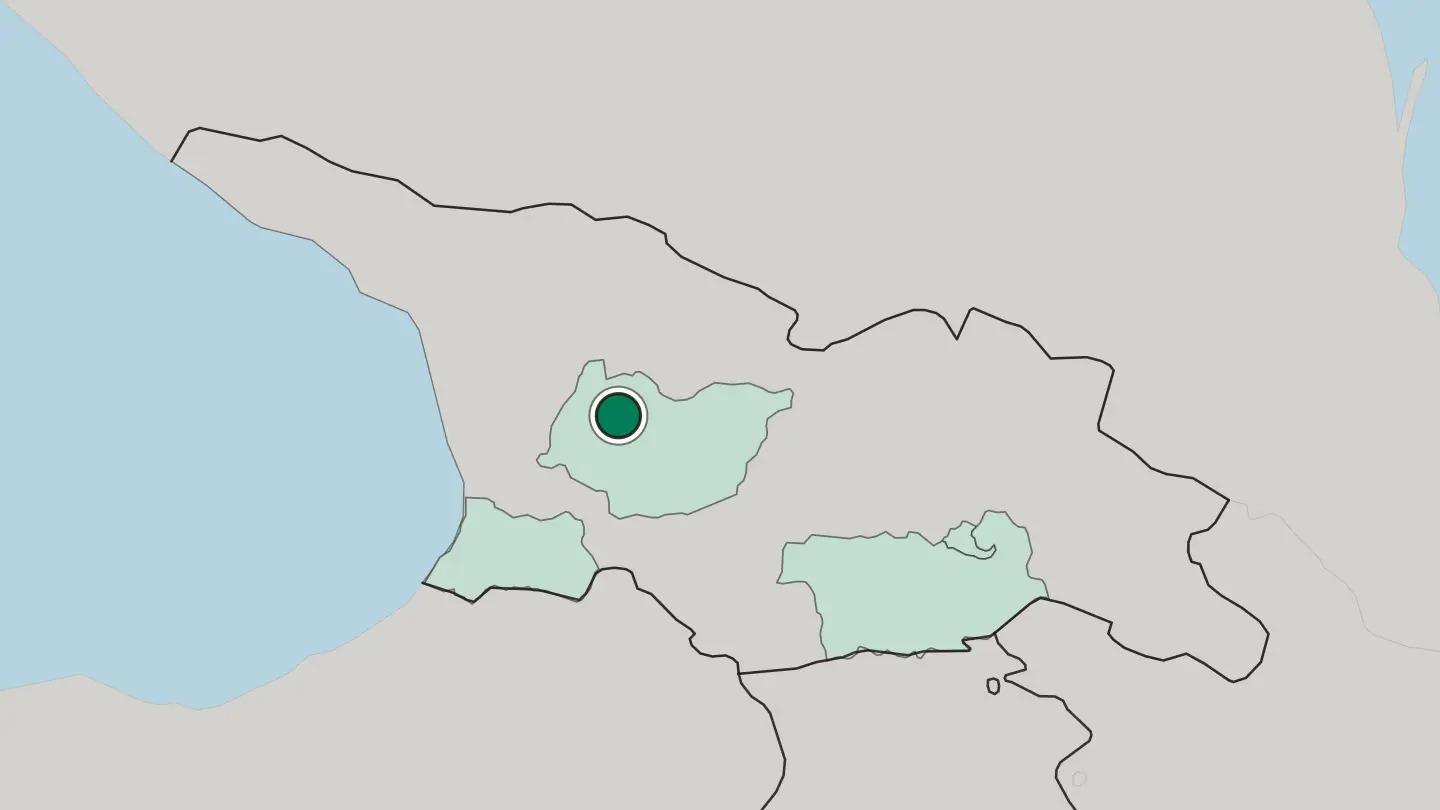
 Georgia
Rustavi
Rustavi (რუსთავი) is an industrial city in Kvemo Kartli, founded in 1948 around its steelworks a short run south of Tbilisi.Where to stay →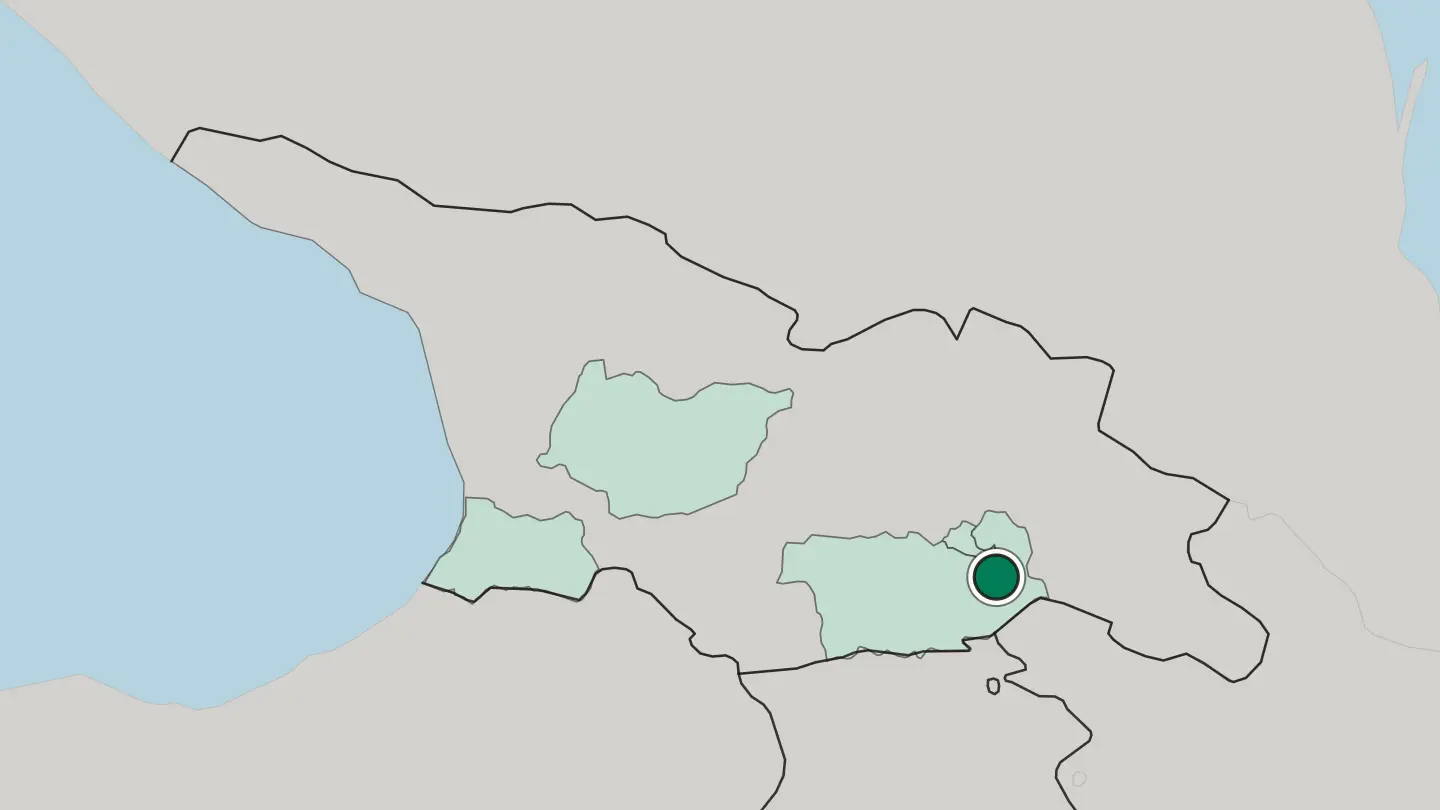
Hotel links are affiliate links: booking through them may earn us a commission, at no extra cost to you. It never affects how places are ranked. How this works
Regions of Georgia
Georgia
Adjara
Adjara holds Georgia's southwestern corner, a green wedge of Black Sea coast and Lesser Caucasus valleys reaching down to the Turkish border around Batumi.Towns & cities →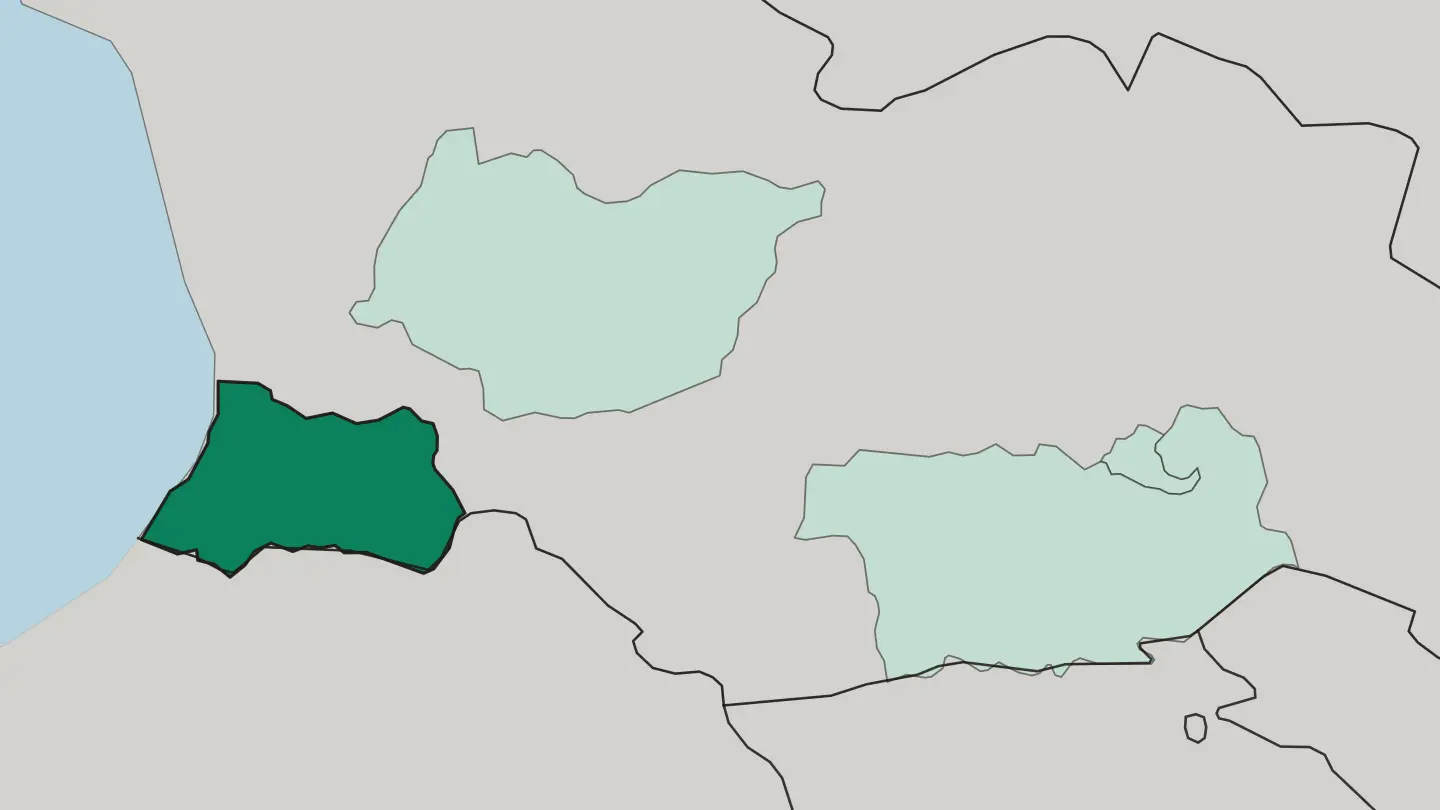 Georgia
Imereti
Imereti is a region of Georgia along the middle and upper Rioni River, with Kutaisi as its capital and administrative centre.Towns & cities →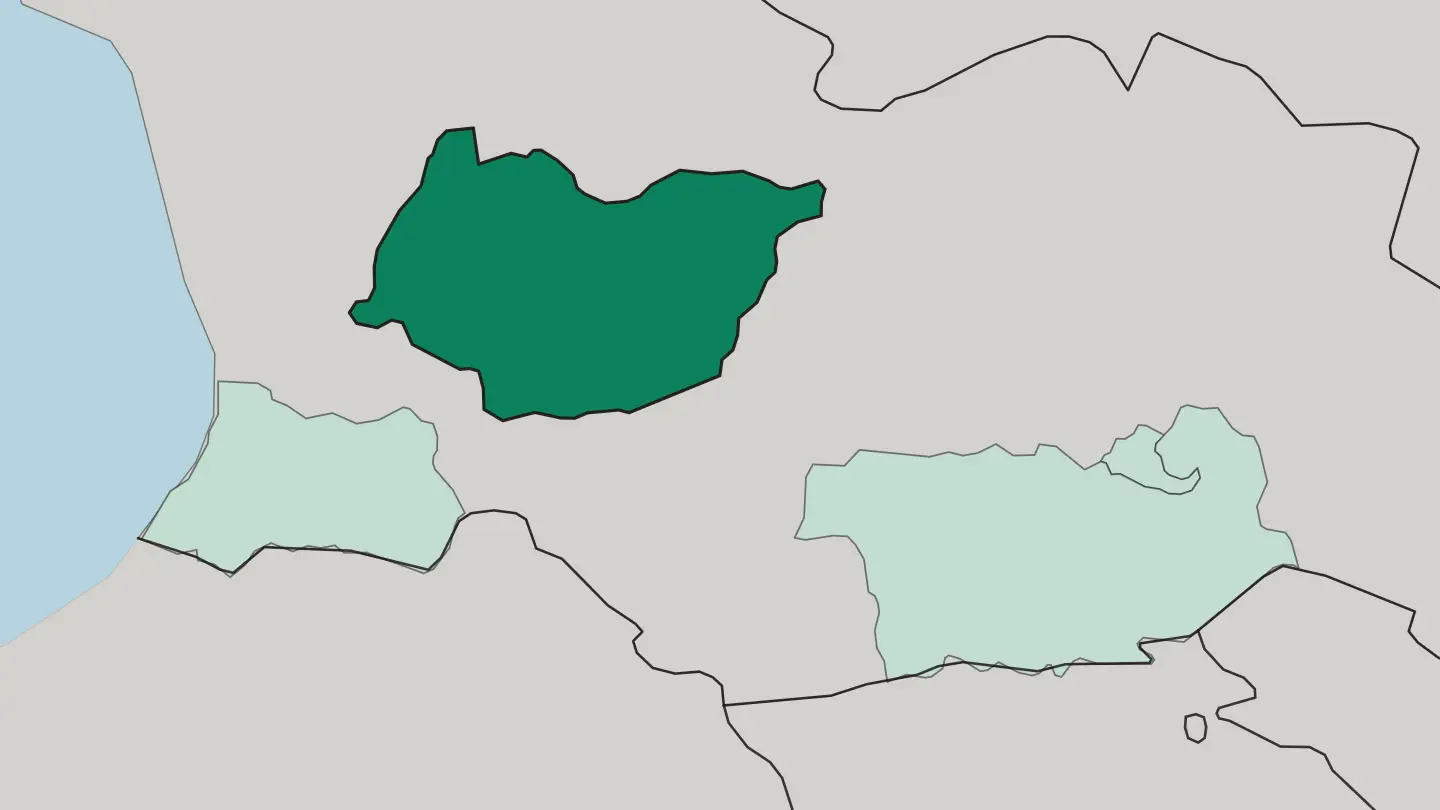 Georgia
K'alak'i T'bilisi
The Mtkvari River bends through K'alak'i T'bilisi, the self-governing capital region of Georgia gathered around the old town of Tbilisi below the Caucasus.Towns & cities →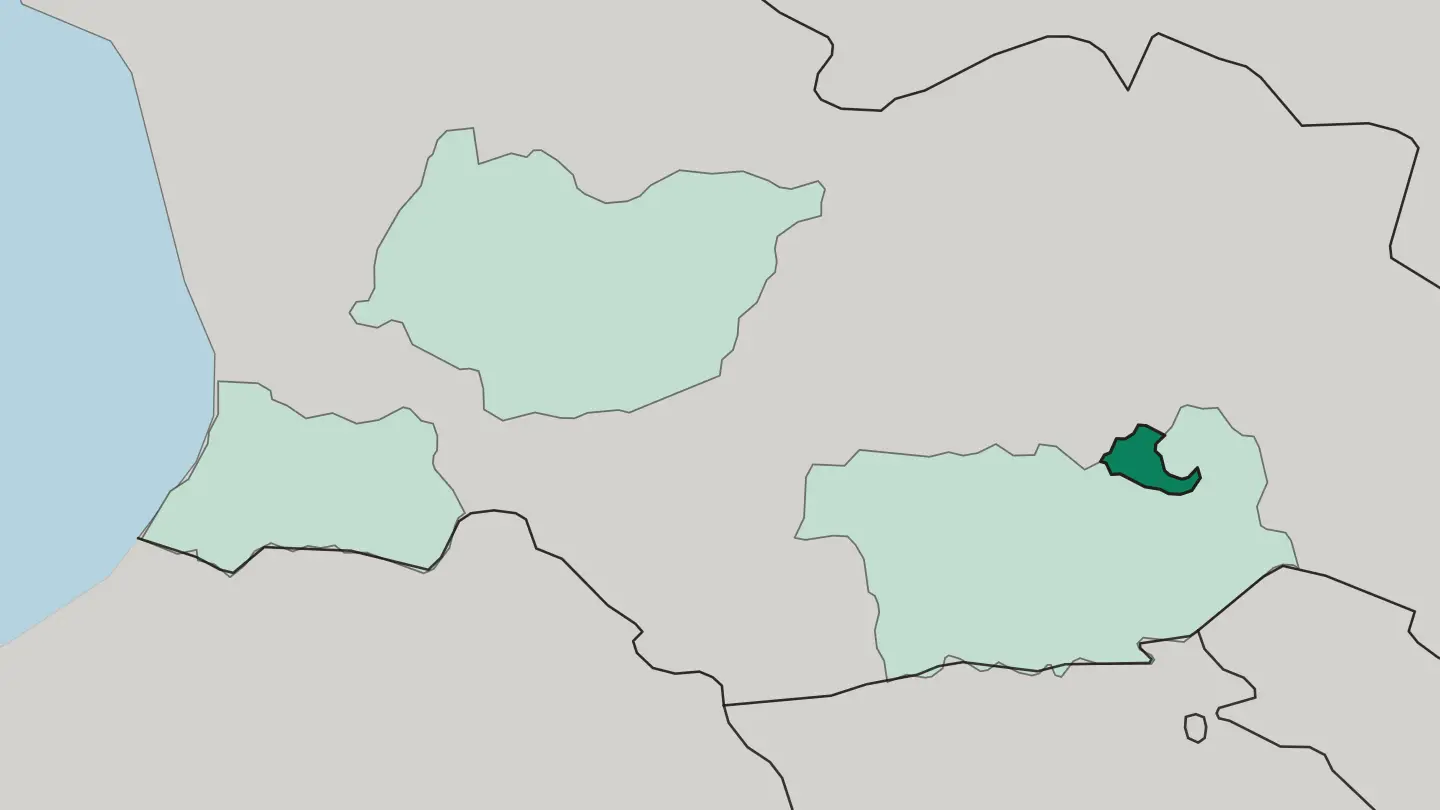 Georgia
Kvemo Kartli
Kvemo Kartli is a historic province and administrative region of southeastern Georgia, with Rustavi as its regional capital.Towns & cities →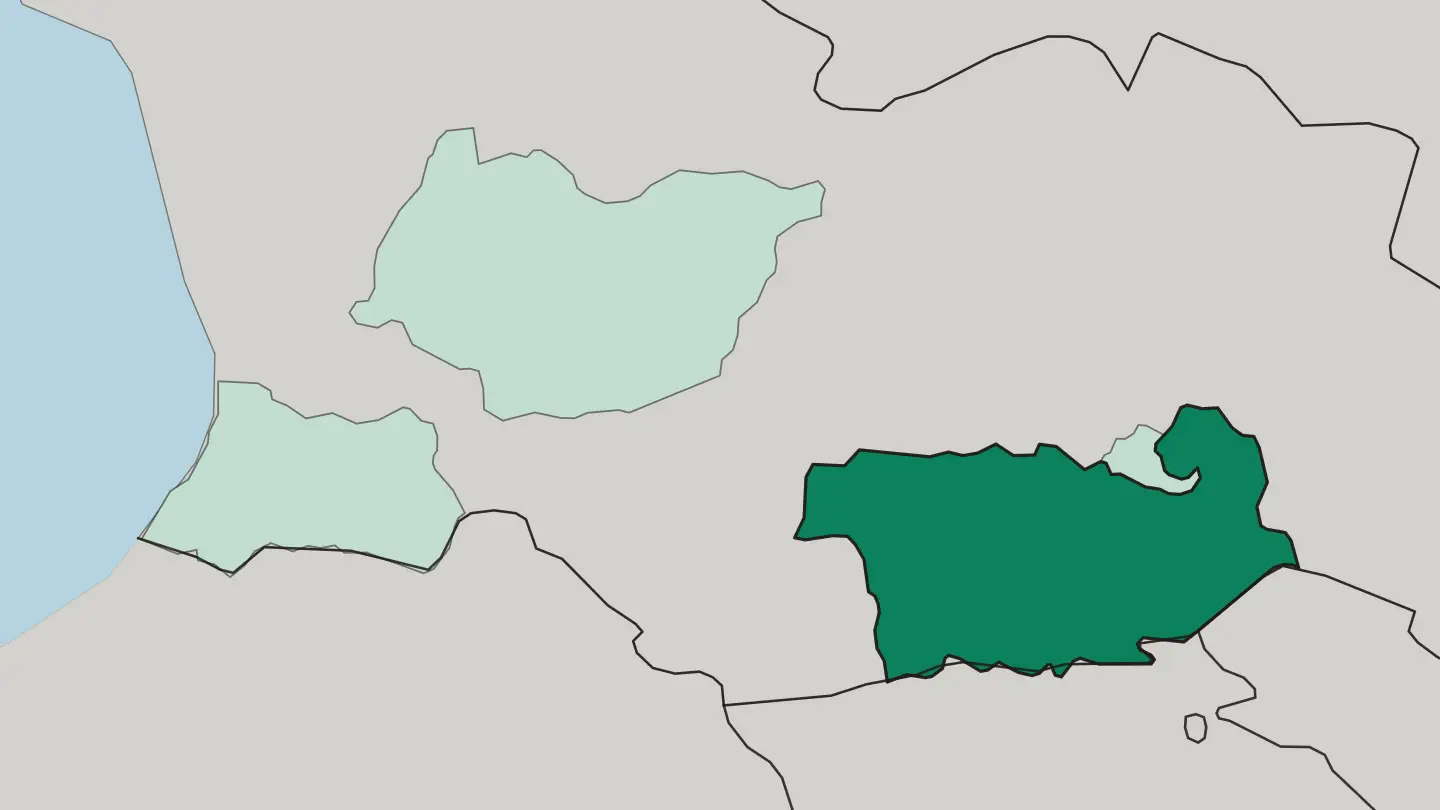
Explore by experience
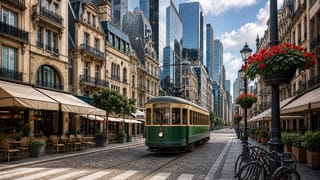
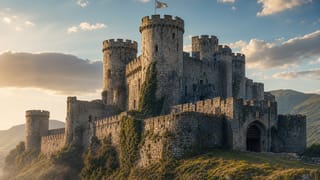
Not sure which place? Start from how you want to travel.

About Georgia
Georgia is the cradle of wine.
What is Georgia known for?
Farmers here have fermented grapes in buried clay qvevri across eight unbroken millennia, and the country carries that inheritance in its cuisine, its language, and its towers of stone. Tbilisi, the capital, spreads along the Mtkvari river below sulphur bathhouses and the old town. Batumi anchors the Black Sea coast, Kutaisi holds the west, and the wine estates of Kakheti fill the east. High in the north the defensive towers of Svaneti stand against the peaks of the Greater Caucasus.
Where is Georgia?
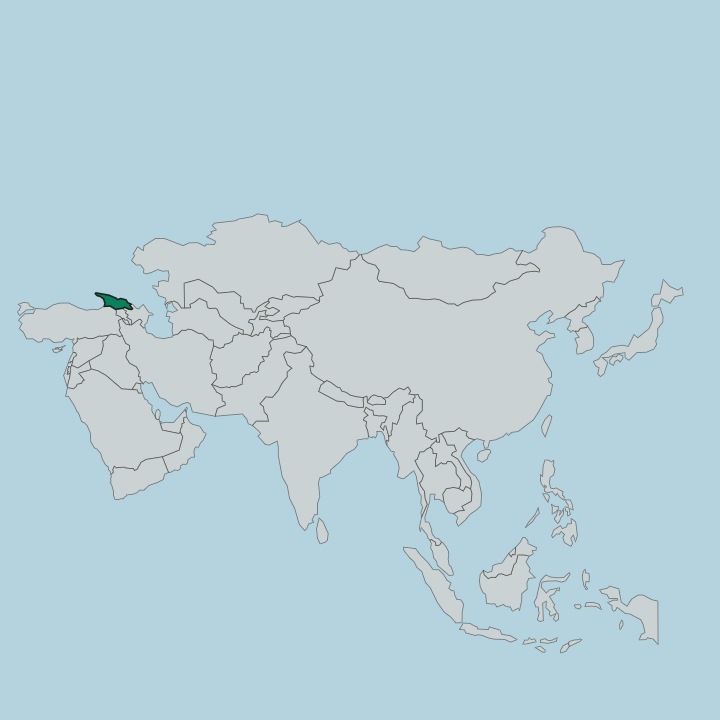
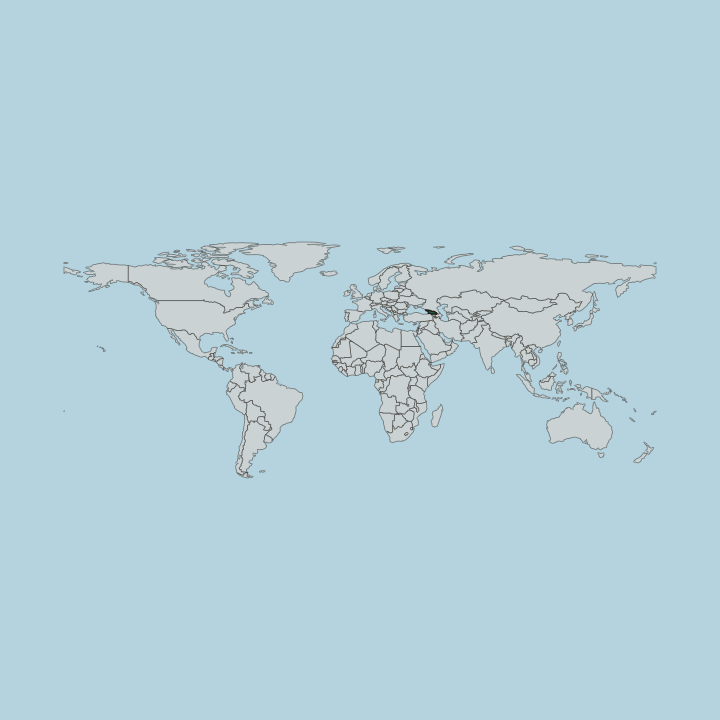
Georgia sits at the eastern end of the Black Sea, wedged into the South Caucasus between Russia, Turkey, Armenia, and Azerbaijan. Two great mountain chains frame the land. Along the northern border the Greater Caucasus throws up a wall of peaks, topping out at Shkhara, which rises above 5,000 metres and marks the highest ground in the country.
To the south the Lesser Caucasus runs lower and gentler, its ridges rarely passing 3,000 metres. Between the two ranges the country splits into two worlds. The west drains toward the Black Sea, where the Rioni flows down from the mountains to reach the sea at Poti and the coastal lowlands stay green and wet.
The east belongs to the Mtkvari, which the Georgians also call the Kura, running out of Turkey across the plains of Kartli and through Tbilisi before it crosses into Azerbaijan. Along it lie the vineyards of Kakheti and the drier basins of the interior. Higher up, the towered valleys of Svaneti sit beneath glaciers and permanent snow.
From subtropical shore to alpine peak, the country packs an enormous range of terrain into a small map.
What is the history of Georgia?
Georgia counts among the oldest Christian nations on earth, having adopted the faith in the fourth century, and its written script is older still. For centuries the land was split among rival kingdoms and principalities strung between the two ranges. Unity came in 1008.
In that year Bagrat III drew the crowns of the west and the east together and became the first king of a single realm, styled king of the Abkhazians and the Iberians, with his line ruling from the Bagrationi dynasty. The high point followed under David the Builder, who took Tbilisi back as his capital, drove out the last garrisons, and founded the monastery of Gelati near Kutaisi as a seat of learning during the country's golden age. That age did not last.
Waves of Mongol, Persian, and Ottoman power broke the kingdom apart again, and by the nineteenth century the Russian empire had absorbed the Georgian lands. A brief republic rose after the First World War before Soviet rule closed over it, and full independence returned only with the collapse of the Soviet Union. The old capital, Mtskheta, north of Tbilisi, still guards the cathedral where that long Christian story began.
History here is measured in dynasties.
What is Georgia like?
Georgian culture rests on the table, the vine, and the voice. The supra, the traditional feast, runs under a toastmaster who raises long spoken toasts while dishes cover every inch of wood. Wine sits at the centre of it.
Made in the buried clay qvevri that UNESCO lists as living heritage, it turns amber from long contact with the skins and pours through every ritual from the harvest to the wake. The food matches its weight. Khachapuri arrives as a boat of molten cheese, khinkali as fat dumplings twisted shut around spiced broth, and walnuts, plums, and coriander thread through the rest.
Song carries the same intensity. Georgian polyphonic singing, also on the UNESCO list, layers three independent voices into harmonies unlike anything in the surrounding region. Underpinning all of it is the language, written in one of the world's few alphabets used by a single tongue, its rounded letters older than most scripts in daily use anywhere.
Faith runs alongside. The Georgian Orthodox Church shapes the calendar, the architecture, and the frescoed monasteries scattered from Svaneti to Kakheti. Old habits hold fast here.
What is the climate of Georgia?
Georgia holds two climates in one country. The west, facing the Black Sea, is humid subtropical, with mild wet winters and hot, muggy summers that keep the coast around Batumi and the Rioni lowlands green year round. The east is drier and more continental.
Beyond the mountains, the plains of Kakheti and the basin around Tbilisi swing to colder winters and hot, sun-baked summers that ripen the grapes. Higher up, the Greater Caucasus stays under snow for much of the year. The ranges make the difference.
How do you get to Georgia?
Flying is how most reach Georgia. Tbilisi International Airport, southeast of the capital, is the main gateway and carries the widest range of connections through Istanbul, Doha, and the European hubs. In the west, the David the Builder airport at Kutaisi has become the budget door into the country, with low-cost flights from across Europe, while Batumi handles the summer traffic to the Black Sea coast.
Overland routes cross the Greater Caucasus from Russia and run in from Turkey, Armenia, and Azerbaijan. Pick the airport that matches your region.
Good for
Updated September 2026