The Gambia · Banjul
Where to Stay in Serekunda, Banjul
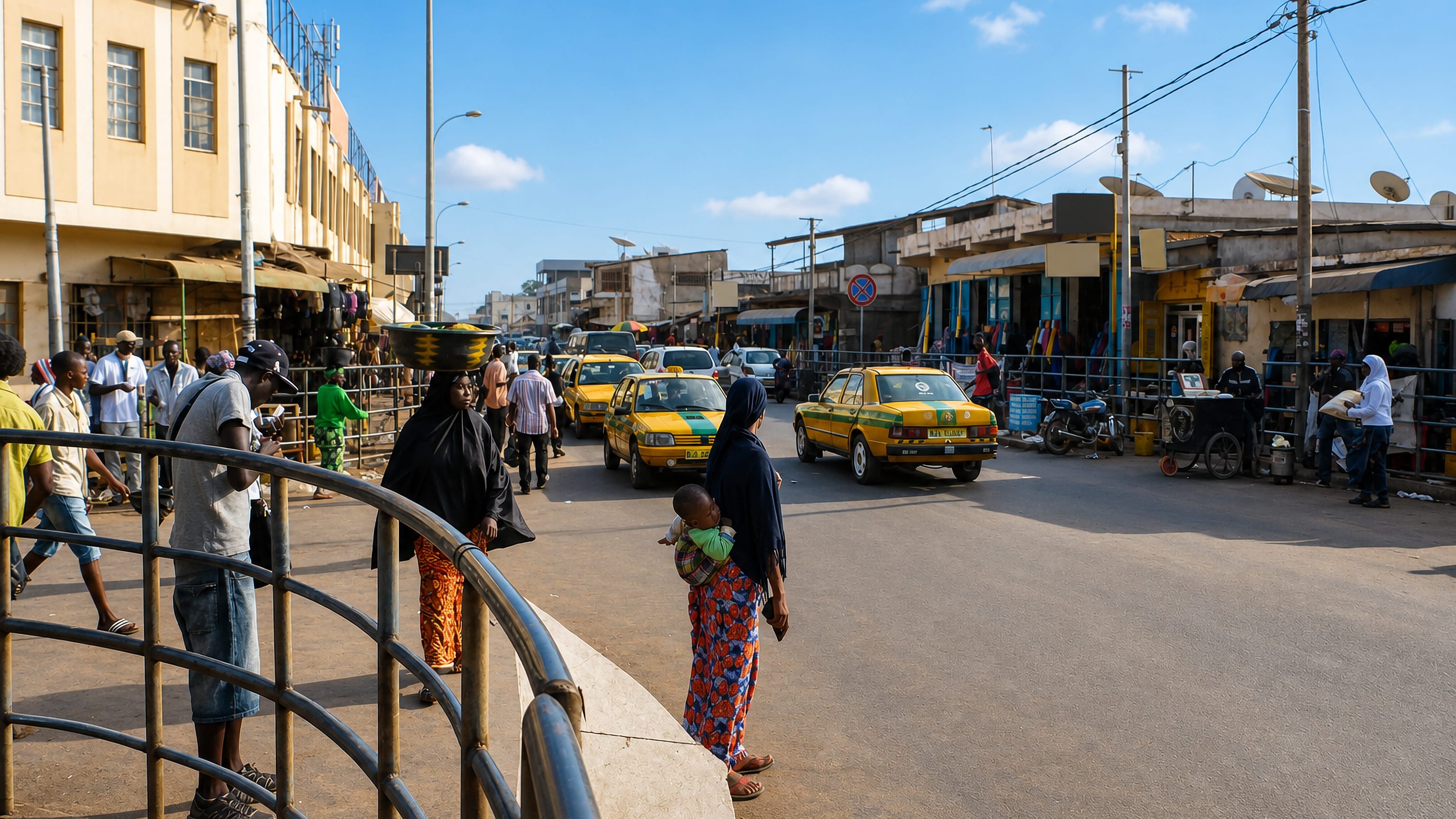
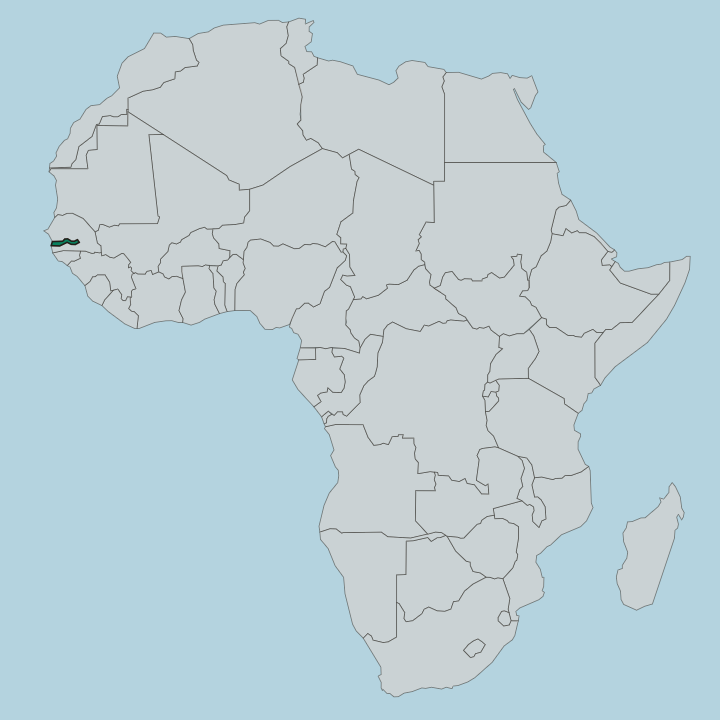
Serekunda is the largest city in the Gambia, part of the Kombos urban area beside Banjul, close to the Atlantic coast on the Gambia River.
Hotel links are affiliate links: booking through them may earn us a commission, at no extra cost to you. It never affects how places are ranked. How this works


Where to stay in Serekunda
Where the beds are, and what that means for the visit.
The Kombos is really one choice split two ways. A bed in Serekunda puts the largest city in the Gambia around it, with the Kachikally Museum and Crocodile Pool and Dream Park both inside the same urban spread, and the Atlantic coast not far off. That is the practical side of it.
Serekunda carries the size of the Kombos, and a stay here sits inside the working city rather than beside the government end of it. Beds are not spread evenly across it. Banjul is the other half. Staying in the capital trades Serekunda's scale for the capital's own centre and Saint Mary's Anglican Cathedral, and the crossing between the two is short enough that neither choice cuts the other off.
The coast is the third option. Ground toward the Atlantic sits away from the middle of the Kombos, which suits a trip built around the water rather than around the Gambia River side of the city. If you want the Kachikally Museum and Crocodile Pool, Dream Park and the size of the place, stay in Serekunda; if you want the capital, take Banjul.
Find hotels in Serekunda
Direct booking searches for these neighbourhoods.
Serekunda
The Kachikally Museum and Crocodile Pool sits inside Serekunda's own urban spread.Find hotels in SerekundaSaint Mary's Anglican Cathedral and the capital's centreBanjul
Saint Mary's Anglican Cathedral stands in Banjul rather than in Serekunda.Find hotels in BanjulDream Park with children in towThe Dream Park side
Dream Park gives the Kombos its amusement ground away from the Gambia River frontage. Rooms are few around here — worth securing early.Find hotels in The Dream Park sidethe ocean rather than the Gambia RiverThe Atlantic coast side
The Atlantic coast lies close to the Kombos, which puts the ocean within reach of a Serekunda stay. Lodging is scarce in this area; reserve in advance.Find hotels in The Atlantic coast sideHotel links are affiliate links: booking through them may earn us a commission, at no extra cost to you. It never affects how places are ranked. How this works
About Serekunda
Scale is the headline here.
What is Serekunda known for?
Serekunda is the largest city in the Gambia and the country's biggest metropolitan area, and together with Banjul it makes up the urban stretch known as the Kombos. The Kachikally Museum and Crocodile Pool draws the visitors, Dream Park takes the families, and Saint Mary's Anglican Cathedral stands over in Banjul. The Atlantic is not far off.
What are the main landmarks in Serekunda?
Only three entries fill the roster. The Kachikally Museum and Crocodile Pool is the one most visitors come for, Dream Park handles the amusement side, and Saint Mary's Anglican Cathedral stands across in Banjul. Serekunda itself is the other sight, the largest city in the Gambia and the larger half of the Kombos, which is a different kind of landmark from a building. The Gambia River is the last of them.
What is the history of Serekunda?
Serekunda's beginnings went undated. What the record carries instead is growth: the city outgrew Banjul, the capital beside it, and became the largest metropolitan area in the Gambia without ever being the seat of government. The Kombos is the result.
Serekunda and Banjul run together as one urban area under that name, and the boundary between them matters less on the ground than it does on a map. Older ground survives inside it. The Kachikally Museum and Crocodile Pool is the clearest of those survivals, a site kept and shown rather than built over as Serekunda spread around it.
Banjul kept the cathedral. Saint Mary's Anglican Cathedral stands there rather than in Serekunda, one of the things the capital kept as the larger city grew up beside it. Newer building filled the gaps.
Dream Park belongs to that later layer, and the whole Kombos reads as one continuous stretch from the Gambia River across to the Atlantic side. Serekunda carries the size, Banjul carries the capital's role, and the Kombos is the name for what the two of them have become together.
Where is Serekunda?
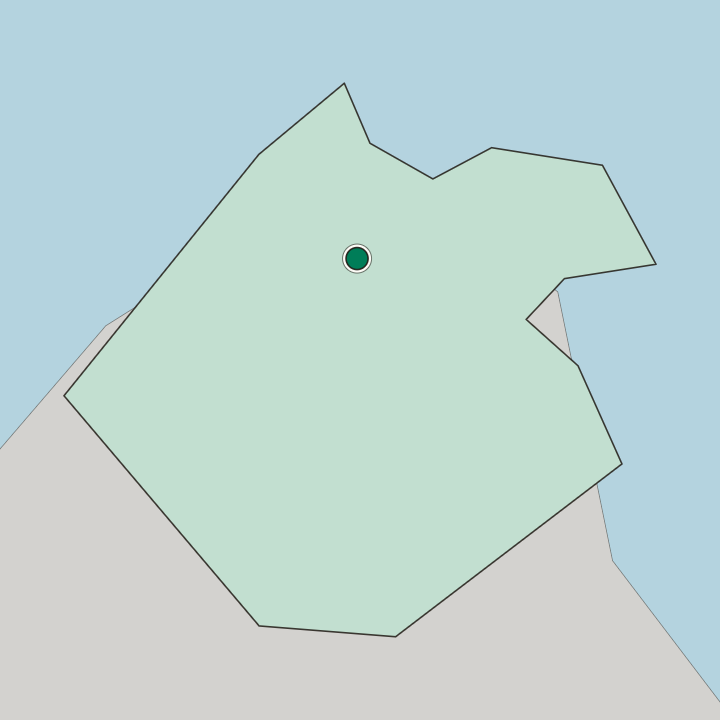
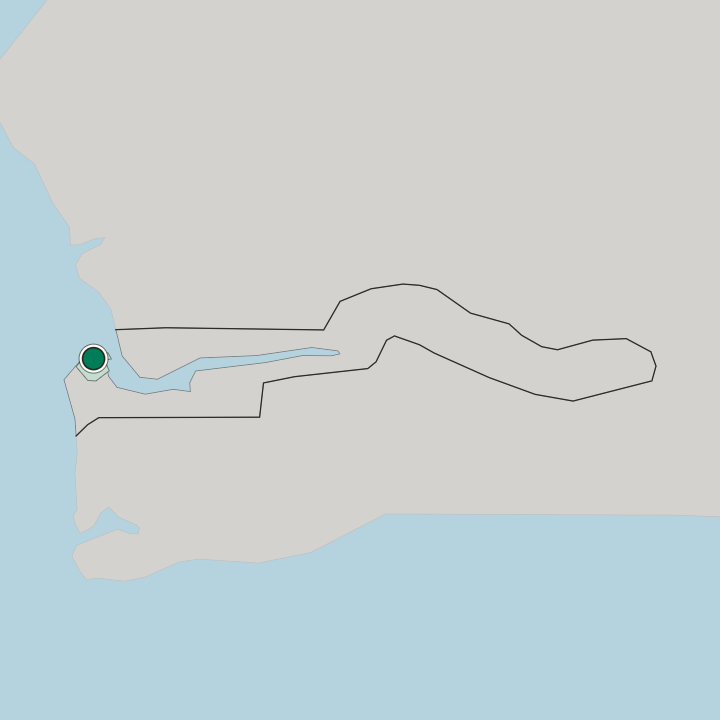
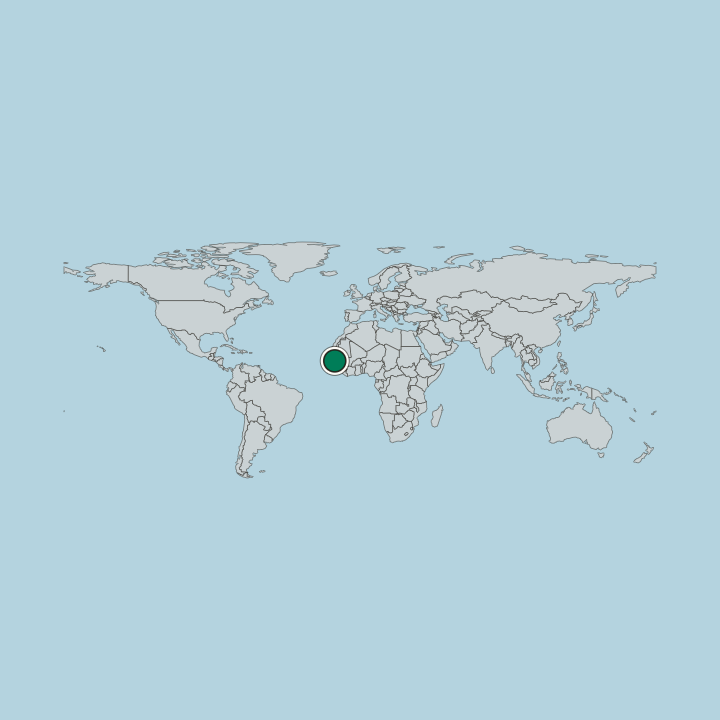
The Gambia River gives the city its ground. Serekunda lies on that river close to the Atlantic coast, and Banjul sits near enough that the two run together as the Kombos rather than as separate towns. Flat ground carries it.
Kachikally lies inside that built-up ground, and Dream Park belongs to the same spread, while Saint Mary's Anglican Cathedral stands in Banjul.
What is the climate of Serekunda?
The Atlantic keeps the edge off the heat, and the sea air reaching Serekunda through the Kombos makes the coast side easier than the ground further up the Gambia River. Rain comes in one season. The wet months are heavy and the dry ones dusty, which is the rhythm the whole of the Gambia runs on, Banjul and Serekunda alike.
Dream Park suits the dry season.
How do you get to Serekunda?
Banjul is the way in. The capital sits next door, and Serekunda is reached across the Kombos rather than by any separate approach, since the two form one continuous urban area on the Gambia River. The Atlantic coast is close.
Once in the city, the Kachikally Museum and Crocodile Pool and Dream Park are the two fixed points to steer by, with Saint Mary's Anglican Cathedral back over in Banjul.
Common questions
What is the best area to stay in Serekunda?
Serekunda: the Kachikally Museum and Crocodile Pool close at the start of the day. Banjul: Saint Mary's Anglican Cathedral and the capital's centre. The Dream Park side: Dream Park with children in tow. The Atlantic coast side: the ocean rather than the Gambia River.
Updated September 2026