Equatorial Guinea · Provincia de Bioko Norte
Where to Stay in Malabo, Provincia de Bioko Norte
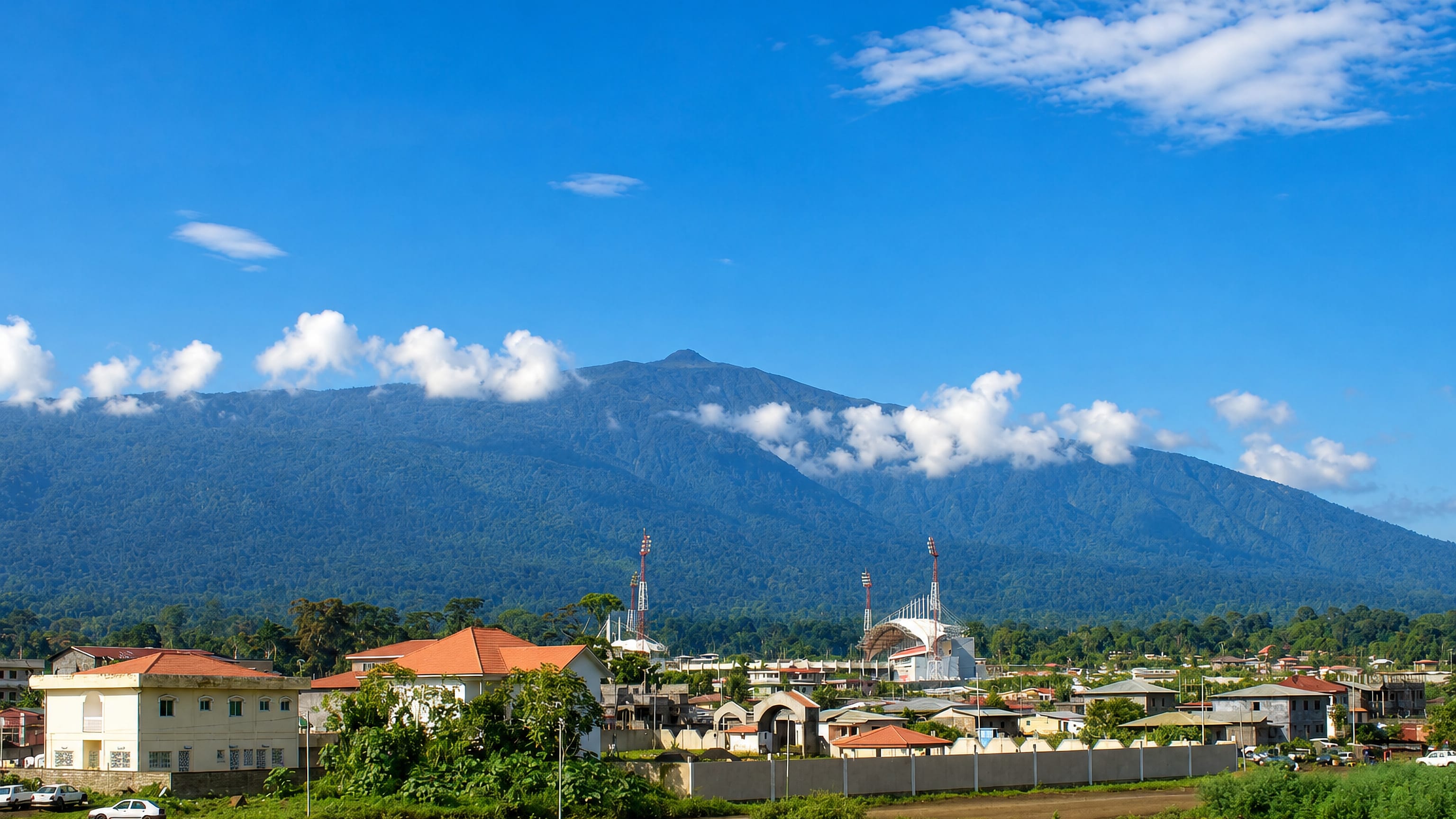
Volcanic hills rise behind Malabo, a port on the north coast of Bioko island and the former capital of Equatorial Guinea, founded in 1827.
Hotel links are affiliate links: booking through them may earn us a commission, at no extra cost to you. It never affects how places are ranked. How this works


Where to stay in Malabo
The practical side of choosing where to sleep.
Malabo gathers its lodging in the old town above the harbour on the north coast of Bioko island. The waterfront draws the eye. Near the port the colonial-era core holds Malabo Cathedral and the Malabo Government Building, and the streets around them put the museums and the seafront of the former capital of Equatorial Guinea within an easy walk.
If you want the landmarks of Malabo at hand, the blocks near the cathedral are the natural base. Back from the water the town climbs toward the volcanic hills that ring it. The Cultural Center of Spain in Malabo and the Museum of Modern Art Equatorial Guinea sit among the streets above the harbour, and the higher ground looks out over the port and the sea.
Stay near the old core to reach the cathedral and the waterfront quickly. Between the harbour and the hills, the compact heart of Malabo holds its landmarks and its coastal setting close for a first visit to the town of Bioko Norte.
Find hotels in Malabo
Direct booking searches for these neighbourhoods.
the old town above the harbour
The colonial-era blocks by the harbour gather Malabo Cathedral and the Malabo Government Building, the historic core of the former capital of Equatorial GuineaFind hotels in the old town above the harbourTravellers who want the Cultural Center of Spain in Malabo and the Museum of Modern Art Equatorial Guinea near the volcanic hillsthe higher streets by the museums
The streets climbing toward the hills hold the Cultural Center of Spain in Malabo and the Museum of Modern Art Equatorial Guinea, looking down over Malabo's harbourFind hotels in the higher streets by the museumsHotel links are affiliate links: booking through them may earn us a commission, at no extra cost to you. It never affects how places are ranked. How this works
About Malabo
What is Malabo known for?
Malabo is known as the former capital of Equatorial Guinea, on the north coast of Bioko island. The harbour is its edge. Founded in 1827 and once named Santa Isabel, the city holds Malabo Cathedral and the Malabo Government Building among its landmarks, while the Cultural Center of Spain in Malabo marks its ties to the wider world.
The seat of the country moved to Ciudad de la Paz, yet Malabo stays the chief town of the province of Bioko Norte.
What are the main landmarks in Malabo?
Malabo gathers its landmarks in the old town above the harbour of Bioko island. The cathedral leads them. Malabo Cathedral rises over the colonial-era core, the Malabo Government Building and the Malabo Court Building stand among the civic structures, and the Cultural Center of Spain in Malabo holds cultural life.
The Museum of Modern Art Equatorial Guinea keeps the city's collections. Together these buildings trace Malabo from its harbour to the hills.
What is the history of Malabo?
Malabo was founded in 1827 on the north coast of Bioko island, first under the name Santa Isabel. A harbour town from the start, it grew on the sheltered coast below the volcanic hills of the island and rose to become the capital of what became Equatorial Guinea, so the administration of the country gathered in its colonial-era streets. The port tied the town to the sea and to the wider world beyond the island.
Over the years Malabo filled with the buildings that still stand above its harbour. Malabo Cathedral rose over the old core, the Malabo Government Building and the Malabo Court Building marked the civic quarter, and later the Cultural Center of Spain in Malabo joined them. Its role as capital held for generations.
The seat of Equatorial Guinea moved to Ciudad de la Paz, yet from its founding as Santa Isabel, Malabo has stayed the chief town of Bioko island and the heart of the province of Bioko Norte.
Where is Malabo?
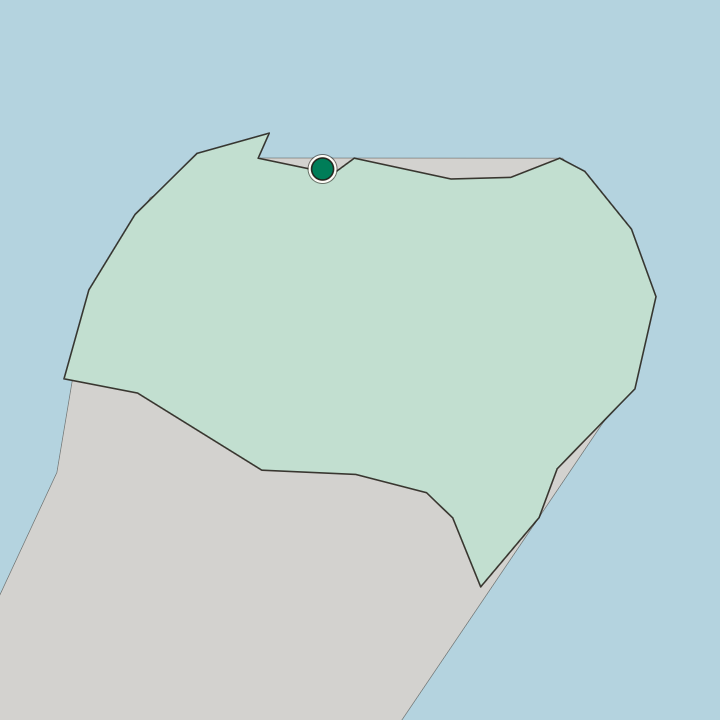
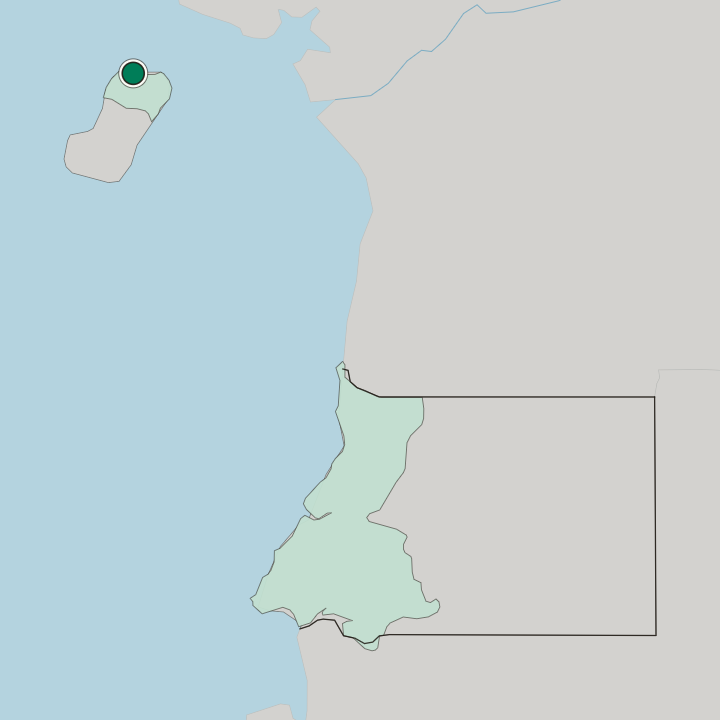
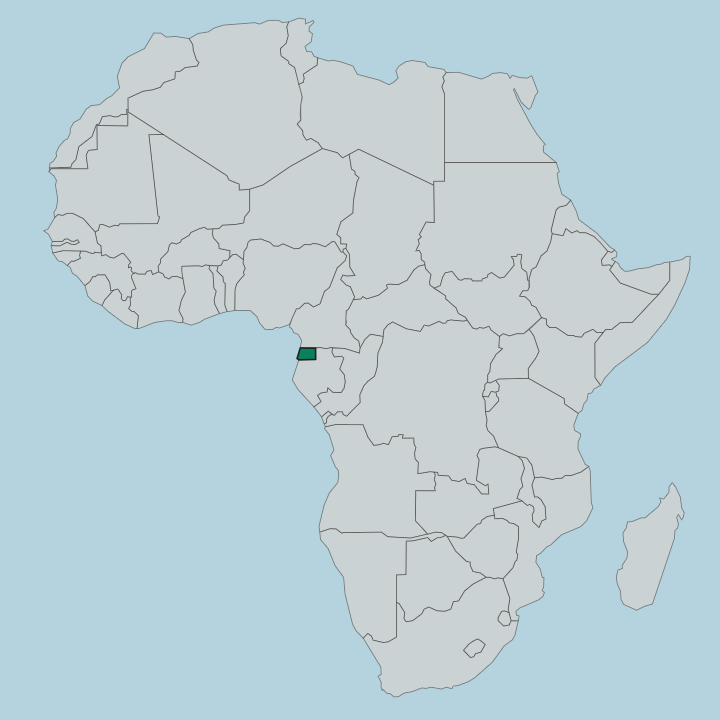
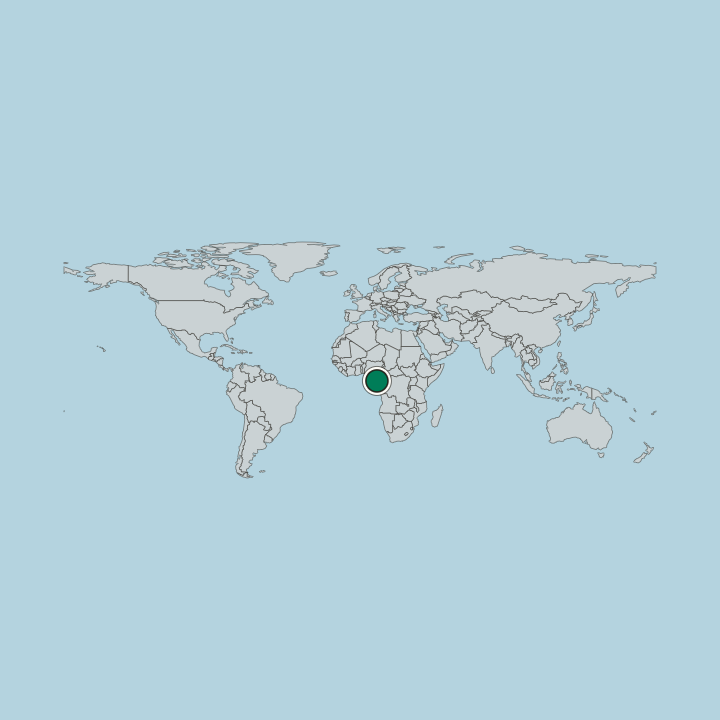
Malabo stands on the north coast of Bioko island, in the province of Bioko Norte in Equatorial Guinea. Sea and hills frame it. Its harbour opens onto the coast, and the town climbs steadily from the water toward the volcanic hills that rise across the island behind the port.
Malabo faces the sea from the island's edge, a port on the northern shore set below the forested highland of Bioko in Equatorial Guinea.
What is the climate of Malabo?
Malabo has a wet tropical climate shaped by its coastal position on Bioko island. Rain falls heavily here. The volcanic hills behind the town catch the moisture that sweeps in off the sea, keeping the air humid over the harbour, while warmth holds through the year on the northern coast of the island.
The seasons stay green and wet. This rain-fed warmth marks the former capital of Equatorial Guinea.
How do you get to Malabo?
Malabo is reached by air and by sea on the north coast of Bioko island. The harbour is its link to the mainland. Ships call at the port of the town, air routes tie Malabo to the mainland of Equatorial Guinea and beyond, and from the waterfront roads climb inland across Bioko Norte toward the hills of the island.
The sea carries much of the traffic. From the coast the routes reach out from Malabo.
Common questions
What is the best area to stay in Malabo?
the old town above the harbour: First-time visitors who want Malabo Cathedral, the Malabo Government Building, and the port of the former capital on foot. the higher streets by the museums: Travellers who want the Cultural Center of Spain in Malabo and the Museum of Modern Art Equatorial Guinea near the volcanic hills.
Good for
Updated September 2026