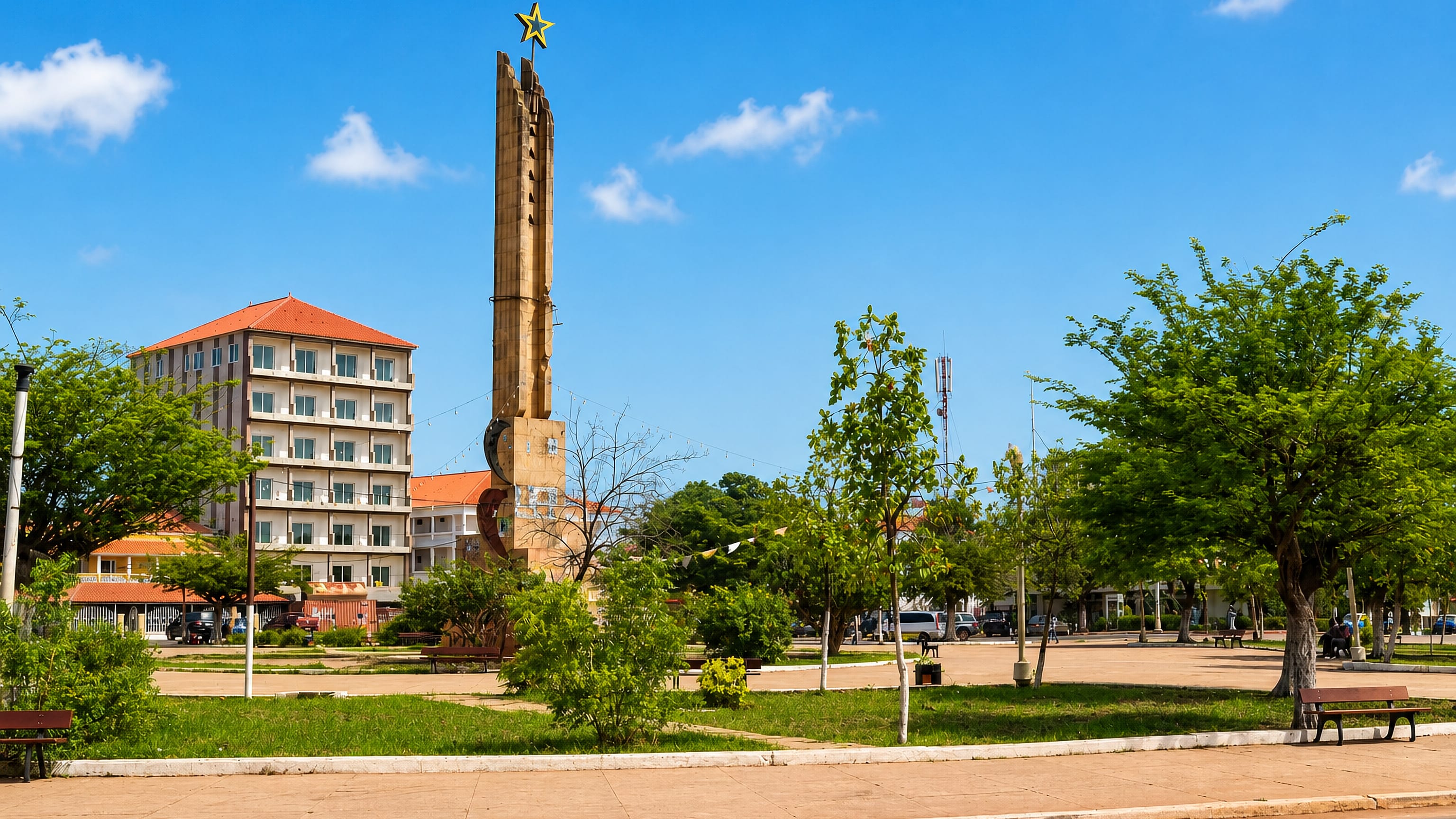
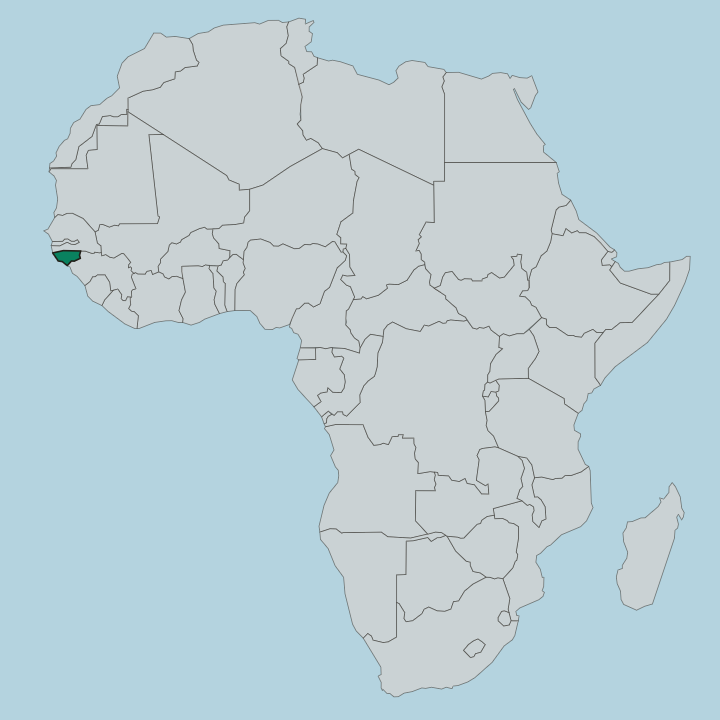
Guinea-Bissau · Bissau Region
Where to Stay in Bissau, Bissau Region
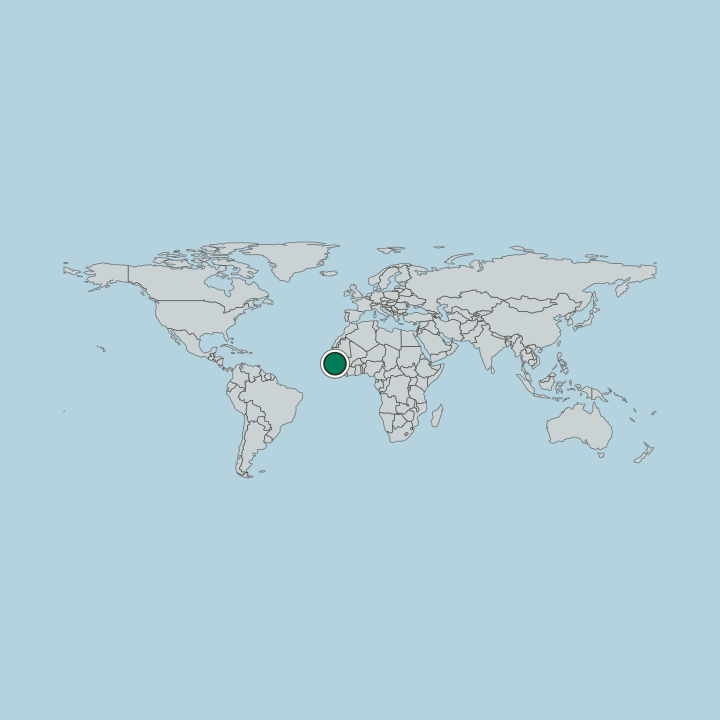
Bissau, capital and largest city of Guinea-Bissau, is the country's major port, standing on the Geba River estuary off the Atlantic Ocean.
Hotel links are affiliate links: booking through them may earn us a commission, at no extra cost to you. It never affects how places are ranked. How this works


Where to stay in Bissau
Where visitors usually base themselves, and why.
The waterside comes first. Rooms near the Geba River estuary put the port, the quays, and the Monument of the Massacre of Pidjiguiti within a short walk, which suits anyone whose reason for coming to Bissau is the water rather than the archive. Mornings there start early.
Cargo work sets the noise level long before the offices of the administrative quarter open, so light sleepers should weigh the convenience against it. Inland streets trade the water for the memorials. The Museu Etnográfico Nacional da Guiné-Bissau, the Museu Militar da Luta de Libertação Nacional, the Monumento aos Heróis da Independência, and the Monumento a Diogo Gomes cluster away from the quays, and a room among them makes a day of museums walkable without a car.
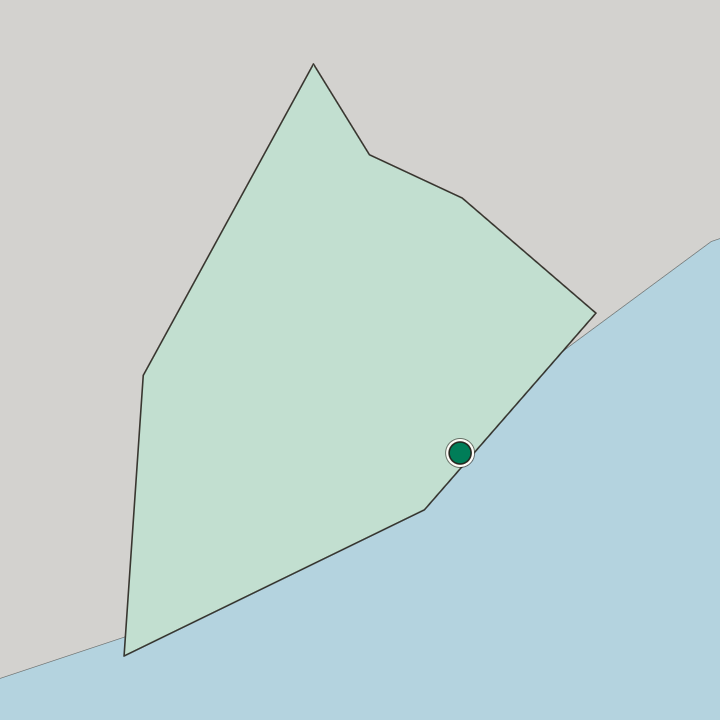
Bissau is a small capital. The whole built-up area covers a modest stretch of flat ground inside the Bissau Region, so the two choices are separated by minutes rather than by any real distance, and neither cuts the other off. The Monumento aos Heróis da Pátria stands in the same reach.
If you want one base for the port, the museums, and the monuments together, the ground between the estuary and the administrative quarter is the compromise that works.
Find hotels in Bissau
Direct booking searches for these neighbourhoods.
By the quays
The Monument of the Massacre of Pidjiguiti and the working port sit at the end of the streetFind hotels in By the quaysMuseum days pairing the Museu Etnográfico Nacional da Guiné-Bissau with the Museu Militar da Luta de Libertação NacionalThe memorial streets
The Monumento aos Heróis da Independência and the Monumento a Diogo Gomes fall inside the same walkFind hotels in The memorial streetsHotel links are affiliate links: booking through them may earn us a commission, at no extra cost to you. It never affects how places are ranked. How this works
Things to do in Bissau
Ranked by global recognition; descriptions from Wikidata (CC0).
Museums & Galleries
2- Museu Etnográfico Nacional da Guiné-Bissau Heritage
- Museu Militar da Luta de Libertação Nacional
Castles & Historic Sites
3- Monumento aos Heróis da Independência Heritage
- Monumento a Diogo Gomes Heritage
- Monument of the Massacre of Pidjiguiti
worth knowingacross 2 categories in Bissau
About Bissau
Port work sets the rhythm.
What is Bissau known for?
Ships come up the Geba River estuary from the Atlantic Ocean to the quays that make Bissau the major port of Guinea-Bissau, and the administrative and military weight of the country gathers in the same few streets. Monuments do the remembering. The Monument of the Massacre of Pidjiguiti and the Monumento aos Heróis da Independência carry the political memory of the capital, while the Museu Etnográfico Nacional da Guiné-Bissau keeps a record of another kind.
What are the main landmarks in Bissau?
Four memorials lead the capital's list. The Monumento aos Heróis da Independência, the Monumento aos Heróis da Pátria, the Monumento a Diogo Gomes, and the Monument of the Massacre of Pidjiguiti stand across a capital that has raised more memorials than it has galleries. Two museums hold the rest.
The Museu Etnográfico Nacional da Guiné-Bissau and the Museu Militar da Luta de Libertação Nacional divide the collections between the peoples of the country and the liberation struggle.
What is the history of Bissau?
The founding year on record is 1687. From that date a settlement on the Geba River estuary grew into the administrative and military centre of the territory, and the Portuguese names carried by its museums and monuments belong to the same long span. Monumento a Diogo Gomes marks that period.
Bissau became the capital and largest city of Guinea-Bissau, and the major port through which the country's trade moves. The Bissau Region carries the city's name. Independence reshaped the record.
The Museu Militar da Luta de Libertação Nacional holds the material of the national liberation struggle, and the Monumento aos Heróis da Independência and the Monumento aos Heróis da Pátria were raised to those the country counts as its founders. Pidjiguiti has its own monument. The Monument of the Massacre of Pidjiguiti commemorates killings at the waterside, an event the national account treats as a turning point in the movement toward independence.
The Museu Etnográfico Nacional da Guiné-Bissau works on another timescale. Its collections cover the peoples of Guinea-Bissau rather than the political sequence, which leaves Bissau with two parallel museum histories in one small capital.
Where is Bissau?
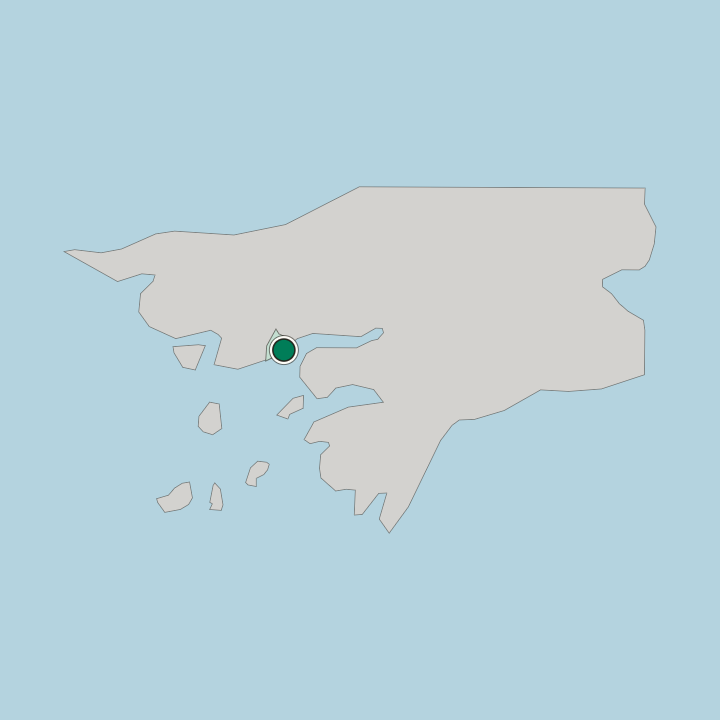
An estuary shapes everything. Bissau sits on the Geba River estuary just inside the Atlantic Ocean, low tropical coast where the tide runs far up the channel and ocean weather arrives with nothing between the city and open water. The Bissau Region surrounds it.
Flat ground carries the port, the administrative quarter, and the streets that connect them.
What is the climate of Bissau?
The Atlantic sets the terms. Ocean air reaches Bissau unbroken across the Geba River estuary, holding the tropical heat inside a narrow band, while the wet months arrive off the same water and leave the low ground heavy. Humidity rarely lets go.
Drier spells belong to the stretch of the year when that sea air thins.
How do you get to Bissau?
The estuary is the way in. Bissau is the major port of Guinea-Bissau, so vessels come up the Geba River from the Atlantic Ocean to reach the quays, and the administrative traffic of the country funnels into the same capital by road. Arrivals converge on one city.
Nothing else in the Bissau Region comes close to its scale.
Common questions
What is the best area to stay in Bissau?
By the quays: Travellers whose day starts on the Geba River estuary. The memorial streets: Museum days pairing the Museu Etnográfico Nacional da Guiné-Bissau with the Museu Militar da Luta de Libertação Nacional.
Good for
Updated September 2026