Hong Kong: Regions, Cities & Travel Guide
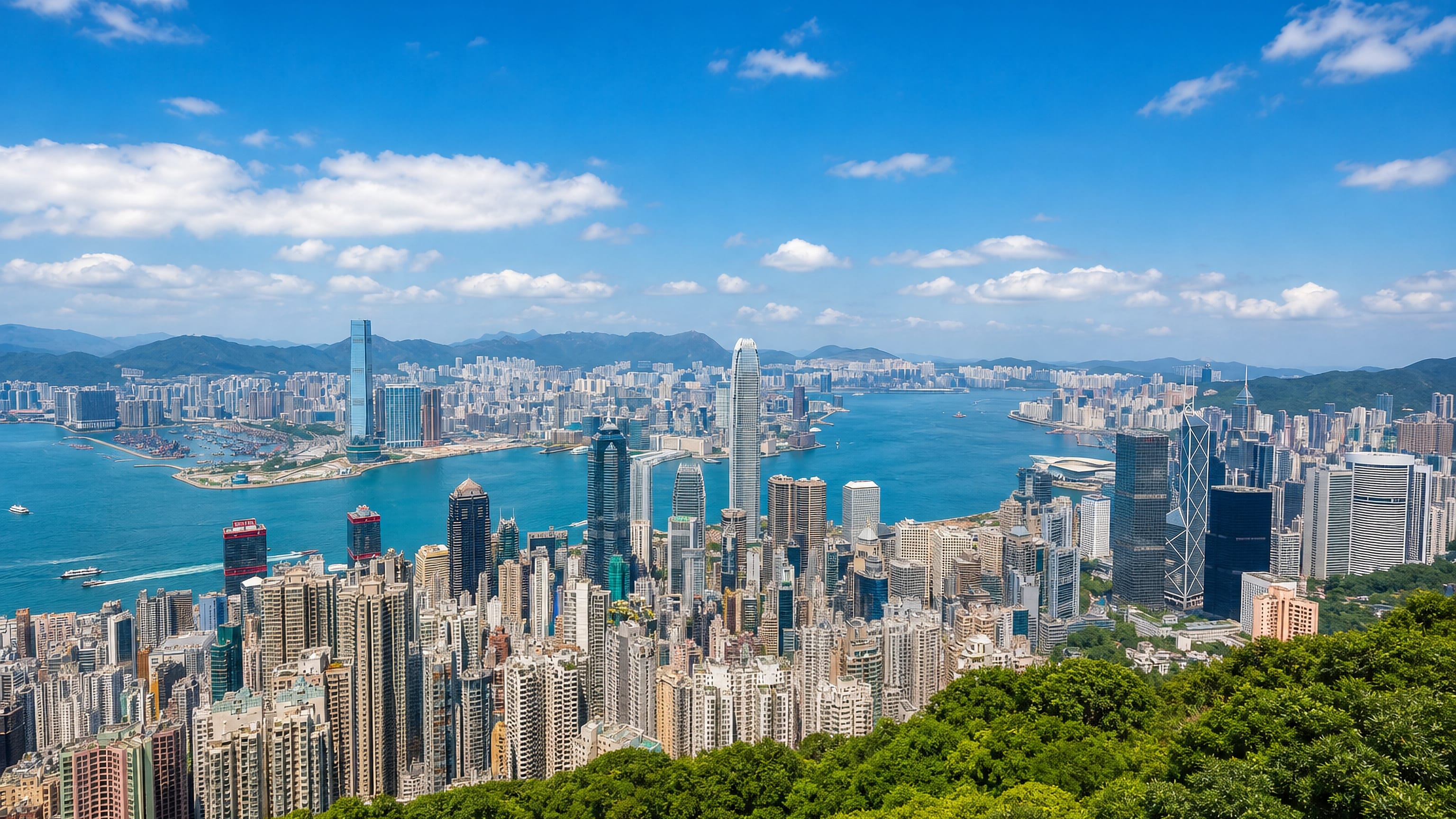
Hong Kong is a special administrative region on China's southern coast, packing skyscrapers, harbour, and green hills into a small space.
Hotel links are affiliate links: booking through them may earn us a commission, at no extra cost to you. It never affects how places are ranked. How this works


Top destinations in Hong Kong
Cities to start from, then drill into areas and hotels.
 Hong Kong
Hong Kong
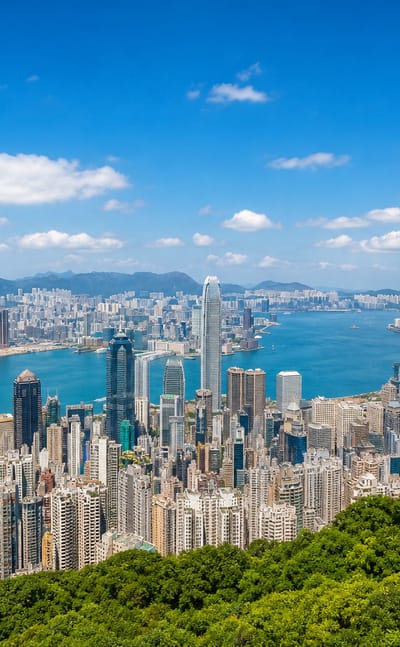
Hong Kong faces the sea on China's southern coast, a territory of Hong Kong Island, Kowloon, and the New Territories, just south of Shenzhen.Where to stay →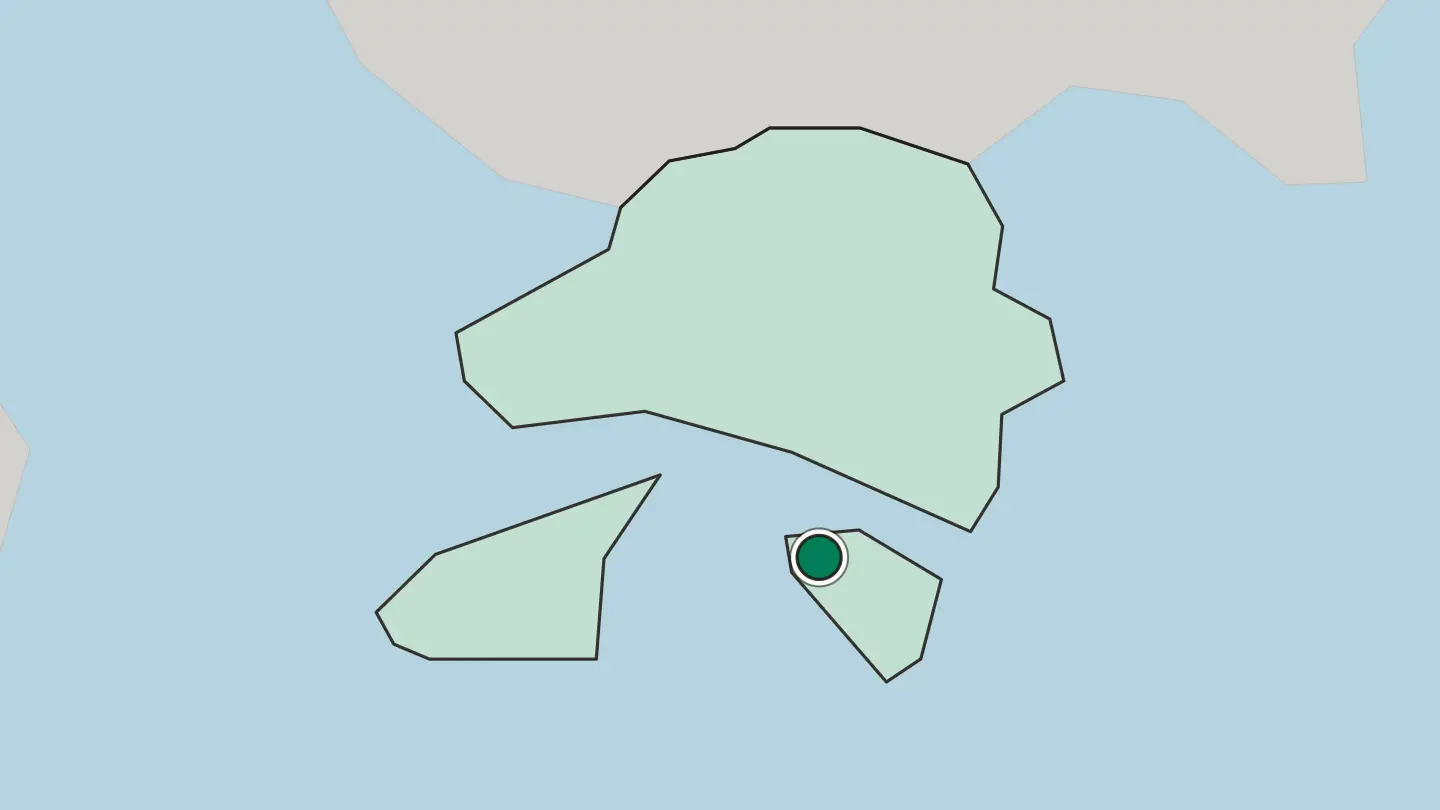
 Hong Kong
Mong Kok
Mong Kok, spelled Mongkok and shortened to MK, is an area of Kowloon in Hong Kong, with the Prince Edward subarea across its northern part.Where to stay →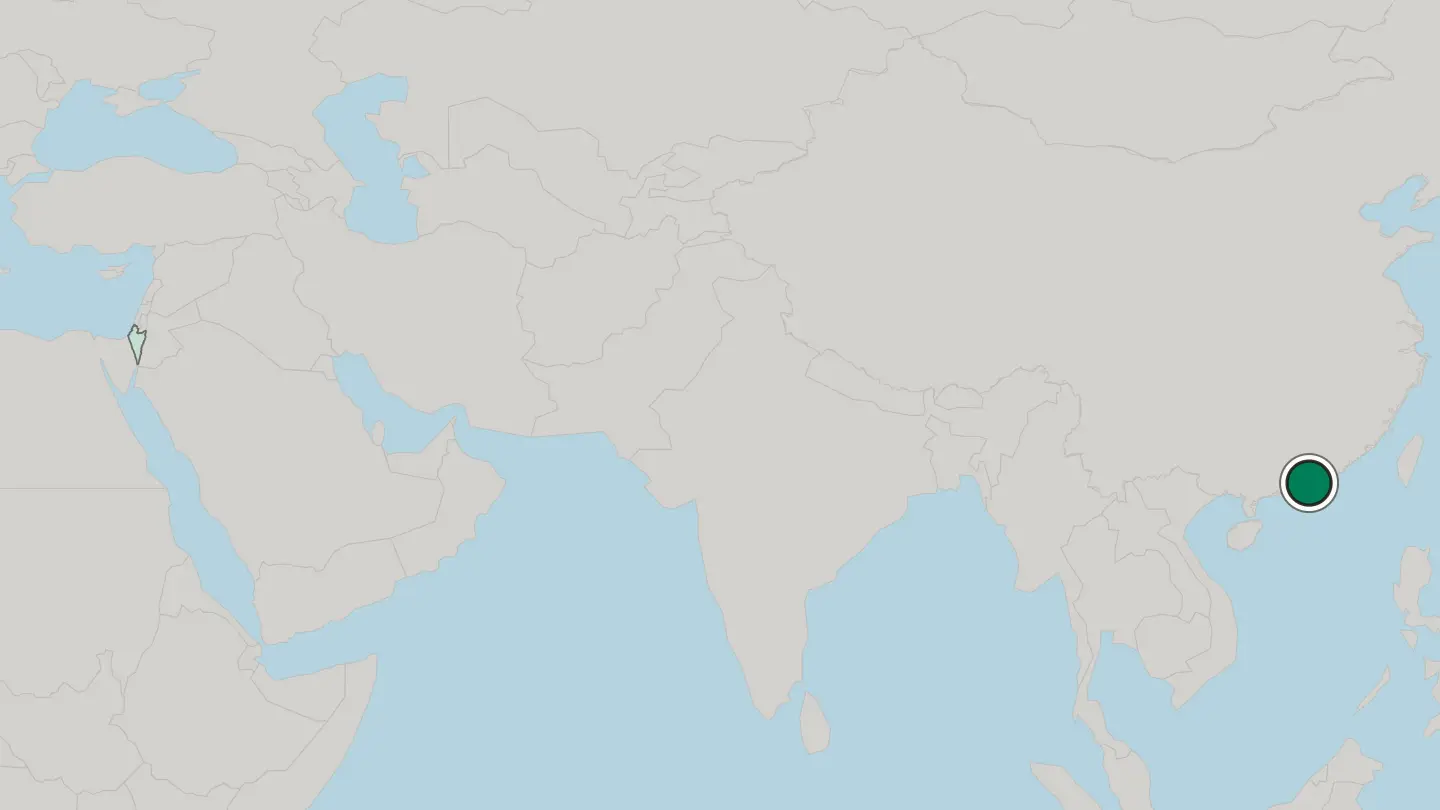
 Hong Kong
Sham Shui Po
Sham Shui Po sits north of Tai Kok Tsui on the Kowloon Peninsula, east of Cheung Sha Wan and south of Shek Kip Mei, and names its district.Where to stay →
 Hong Kong
Kowloon City
Boundary Street cuts straight through Kowloon City, the one district of Kowloon that shares an edge with every other, from Kwun Tong to Yau Tsim Mong.Where to stay →
 Hong Kong
Wan Chai
Wan Chai holds the northern shore of Hong Kong Island between Arsenal Street and Canal Road, the nightlife quarter next door to Central.Where to stay →
 Hong Kong
Tuen Mun
Tuen Mun, also called Castle Peak, stands where the Tuen Mun River reaches Castle Peak Bay on the west of the New Territories.Where to stay →
 Hong Kong
Sha Tin
Sha Tin draws Tai Wai, Ma On Shan, Fo Tan, and Ma Liu Shui into one New Territories district around the Hong Kong Heritage Museum.Where to stay →
 Hong Kong
Aberdeen
Aberdeen sits on southwest Hong Kong Island in the Southern District, a name used both for one town and for the wider area around it.Where to stay →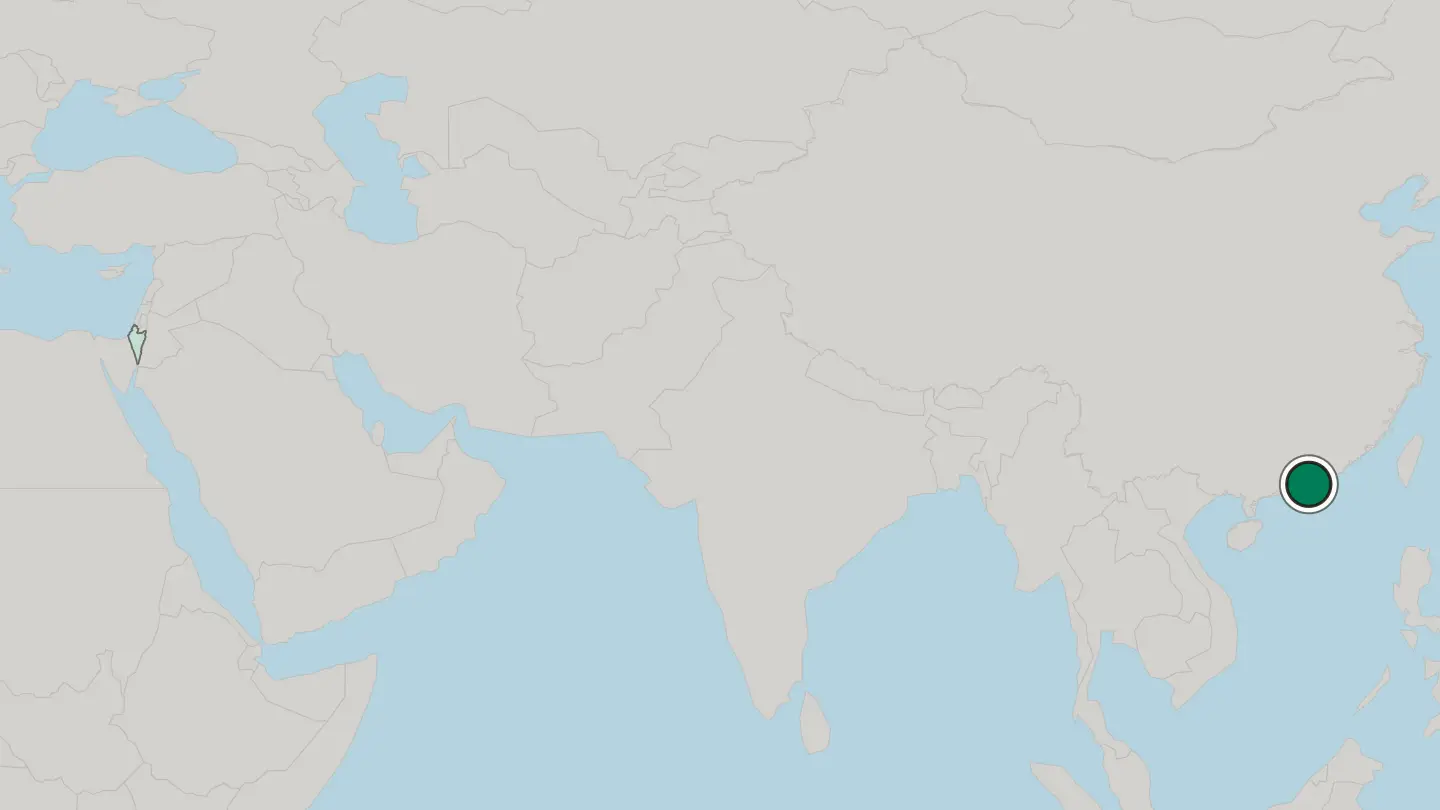
 Hong Kong
Tsuen Wan
Tsuen Wan is a reclaimed bay town in the western New Territories of Hong Kong, facing Tsing Yi Island across Rambler Channel.Where to stay →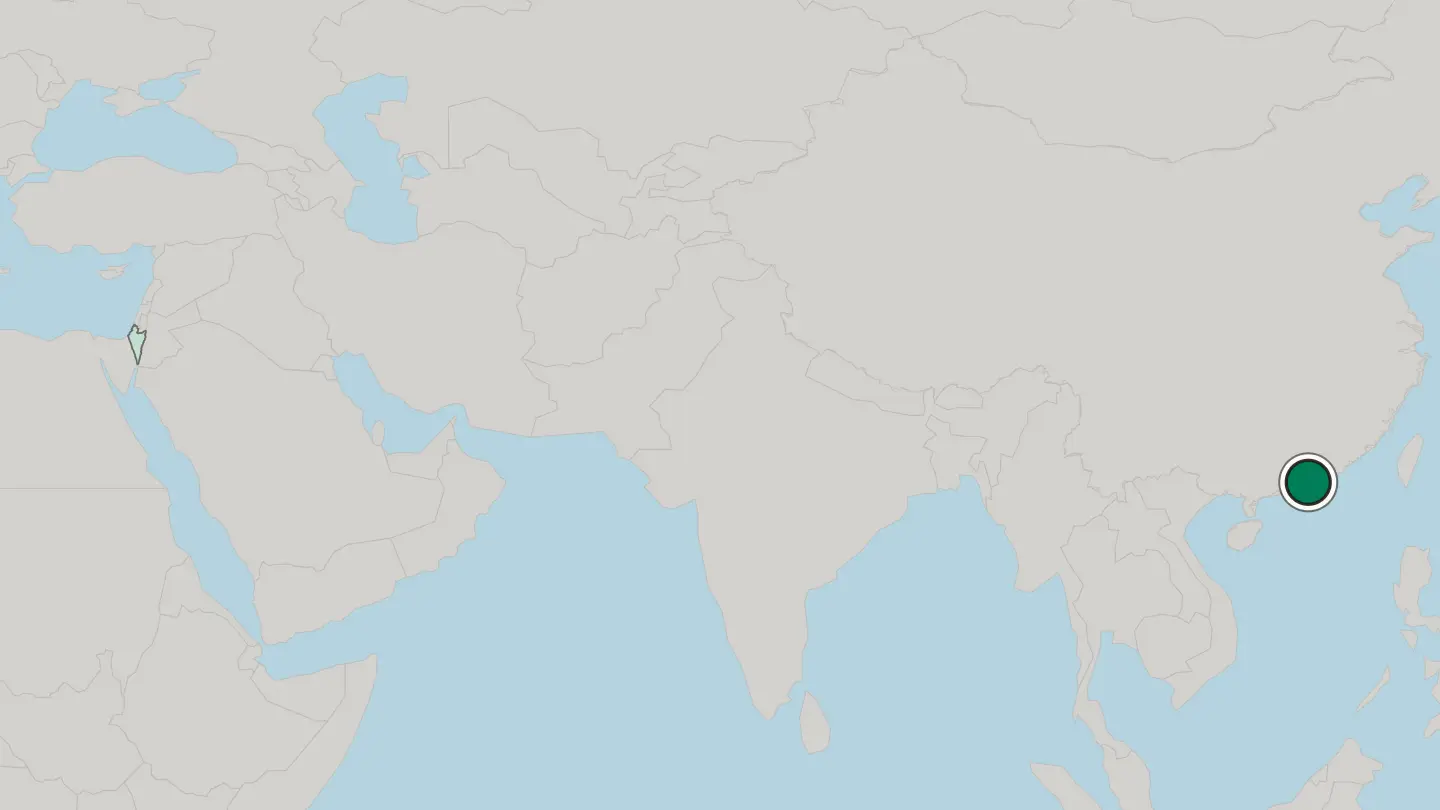
Hotel links are affiliate links: booking through them may earn us a commission, at no extra cost to you. It never affects how places are ranked. How this works
Regions of Hong Kong
 Hong Kong
Islands District
Islands District is one of the 18 districts of Hong Kong, a part of the New Territories made up of outlying islands rather than mainland ground.Towns & cities → Hong Kong
Kowloon City
Kowloon City is the district that touches every other district in Kowloon, with Boundary Street cutting straight through the middle of it.Towns & cities →
 Hong Kong
Kwai Tsing
Two parts, one district. Kwai Tsing pairs Kwai Chung with Tsing Yi Island, one of the 18 districts of Hong Kong and part of the New Territories.Towns & cities → Hong Kong
Sha Tin
Sha Tin is the most populous of Hong Kong's 18 districts, a New Territories district taking in Tai Wai, Ma On Shan, Fo Tan and Ma Liu Shui.Towns & cities →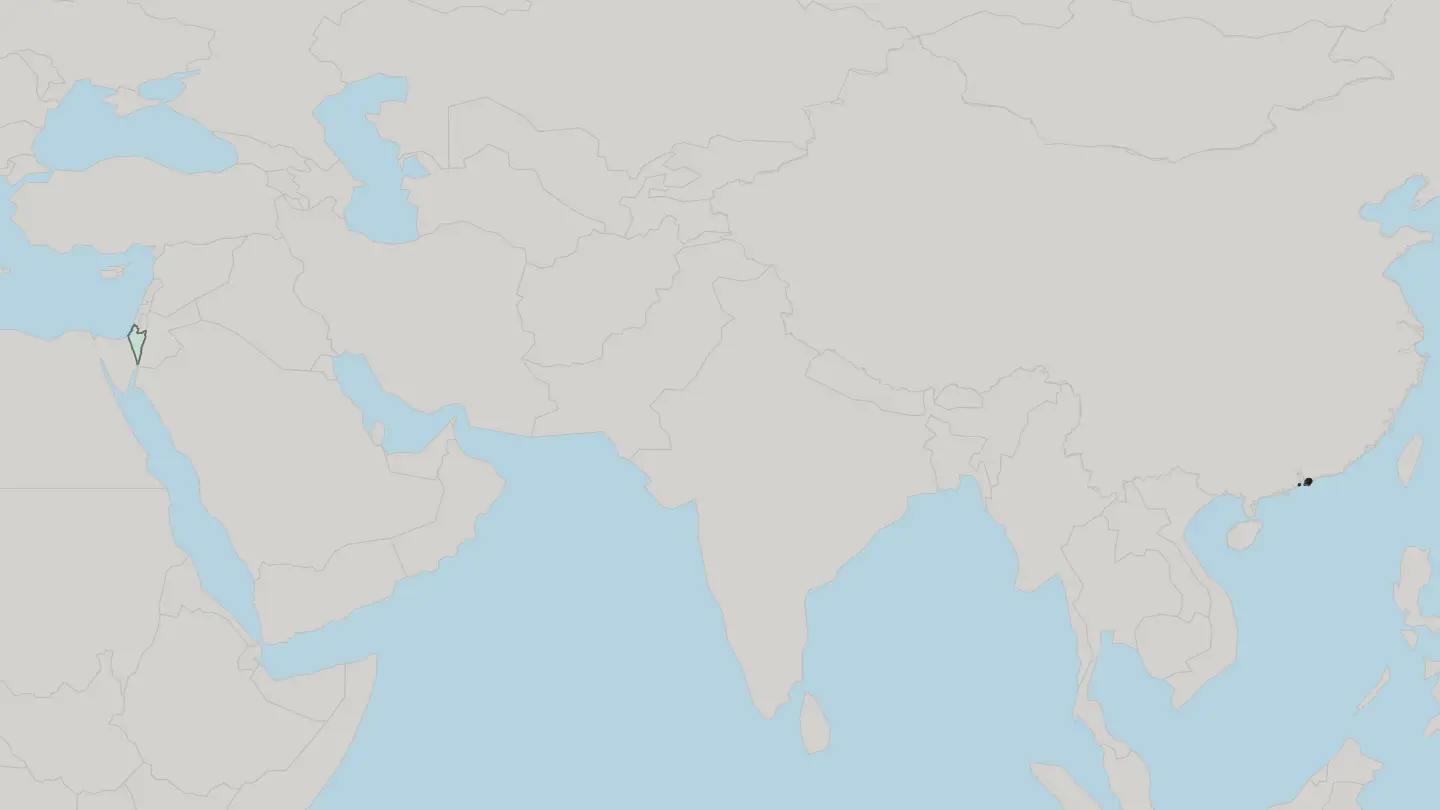 Hong Kong
Sham Shui Po
Public housing in Hong Kong began here. Sham Shui Po is one of 18 districts, a working district whose rebuilding followed a fire.Towns & cities →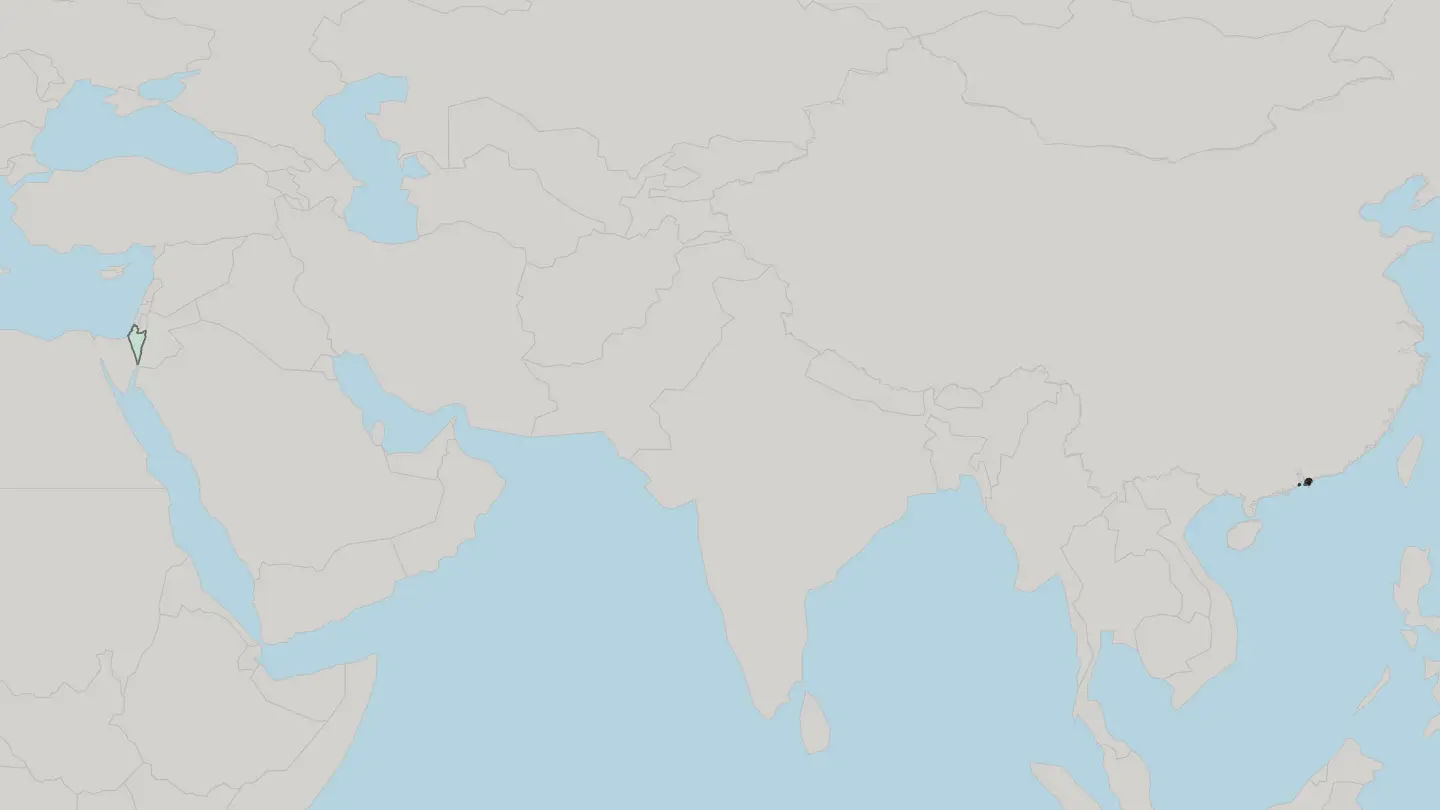 Hong Kong
Southern
Southern District covers the southern part of Hong Kong Island, the largest part of the island. The name says where it sits.Towns & cities →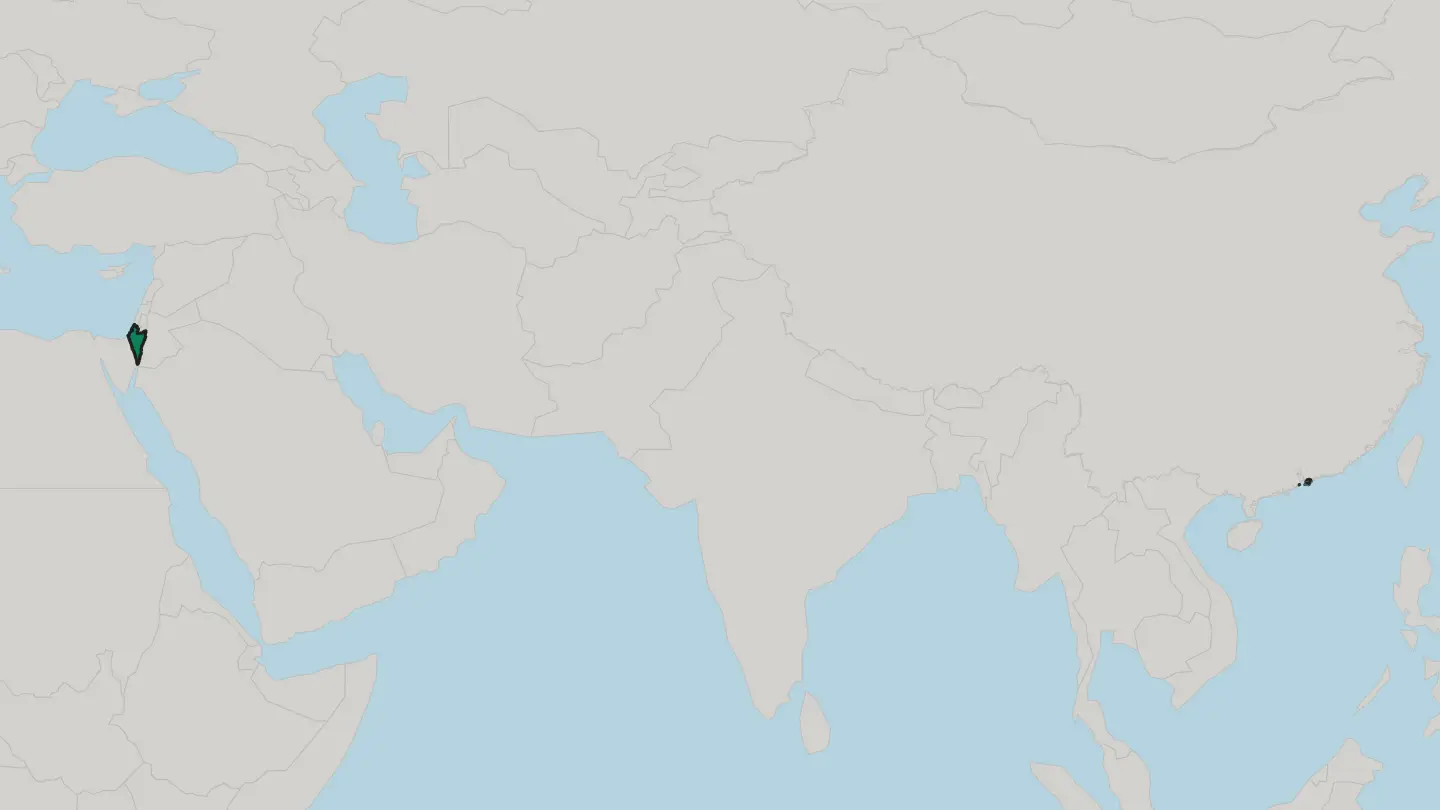
 Hong Kong
Tai Po District
Tai Po District runs from Tai Po New Town and the Lam Tsuen Valley out to Plover Cove and the islands of Sai Kung North.Towns & cities →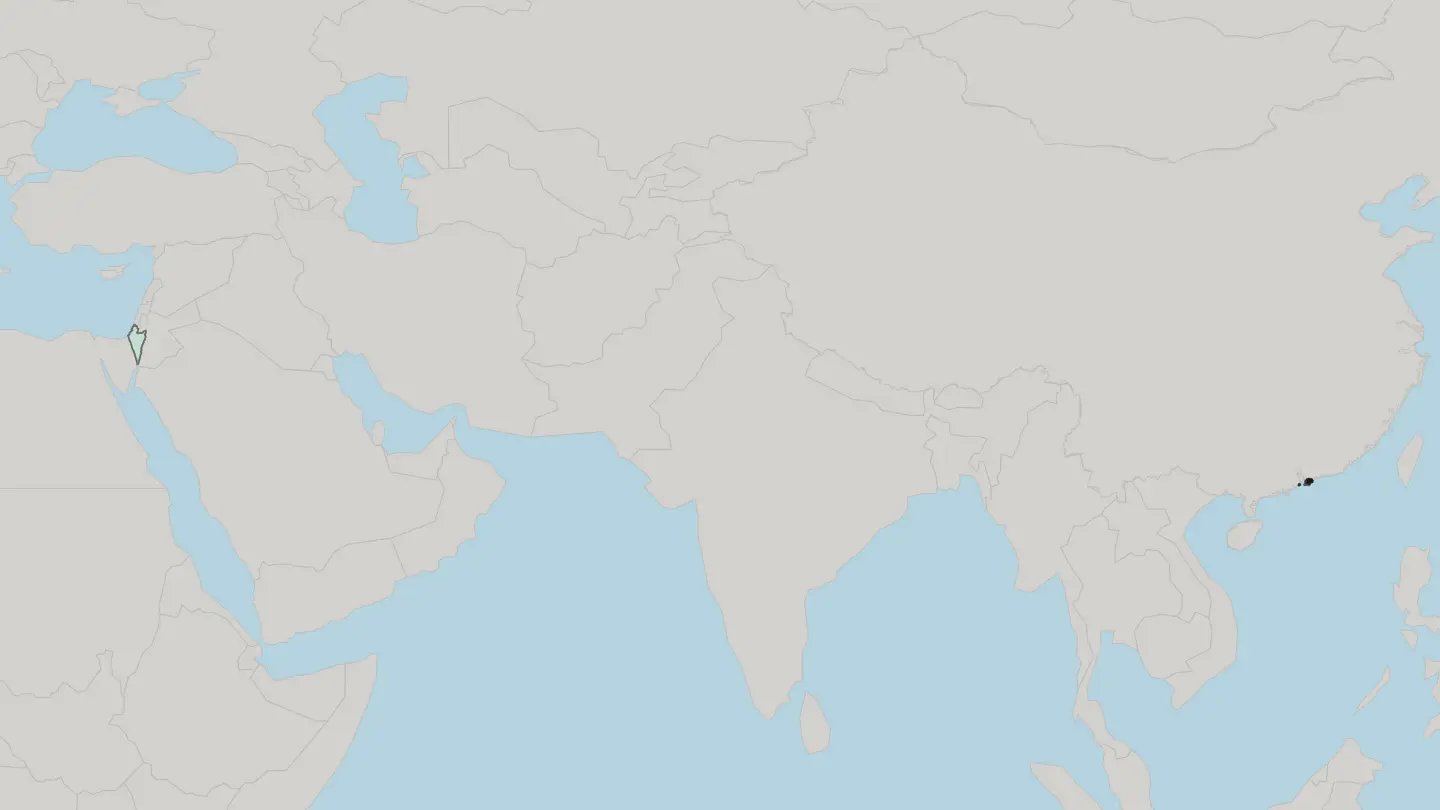 Hong Kong
Tsuen Wan District
Tsuen Wan District covers New Territories ground where the MTR's Tsuen Wan line ends, and most of its people live in Tsuen Wan Town.Towns & cities → Hong Kong
Tuen Mun
Tuen Mun is a New Territories district of Hong Kong, drawn in 1974 and built around the planned housing of Tuen Mun New Town.Towns & cities → Hong Kong
Wan Chai
Wan Chai is one of the four districts on Hong Kong Island, an affluent and compact district holding the north-central share of the island.Towns & cities → Hong Kong
Yau Tsim Mong
Yau Tsim Mong is the core urban area of Kowloon, a district of Hong Kong covering the western part of Kowloon Peninsula.Towns & cities →
 Hong Kong
Yuen Long District
Yuen Long District, written Yuen Long, covers the northwest of the New Territories, a broad stretch of ground on the outer edge of Hong Kong.Towns & cities →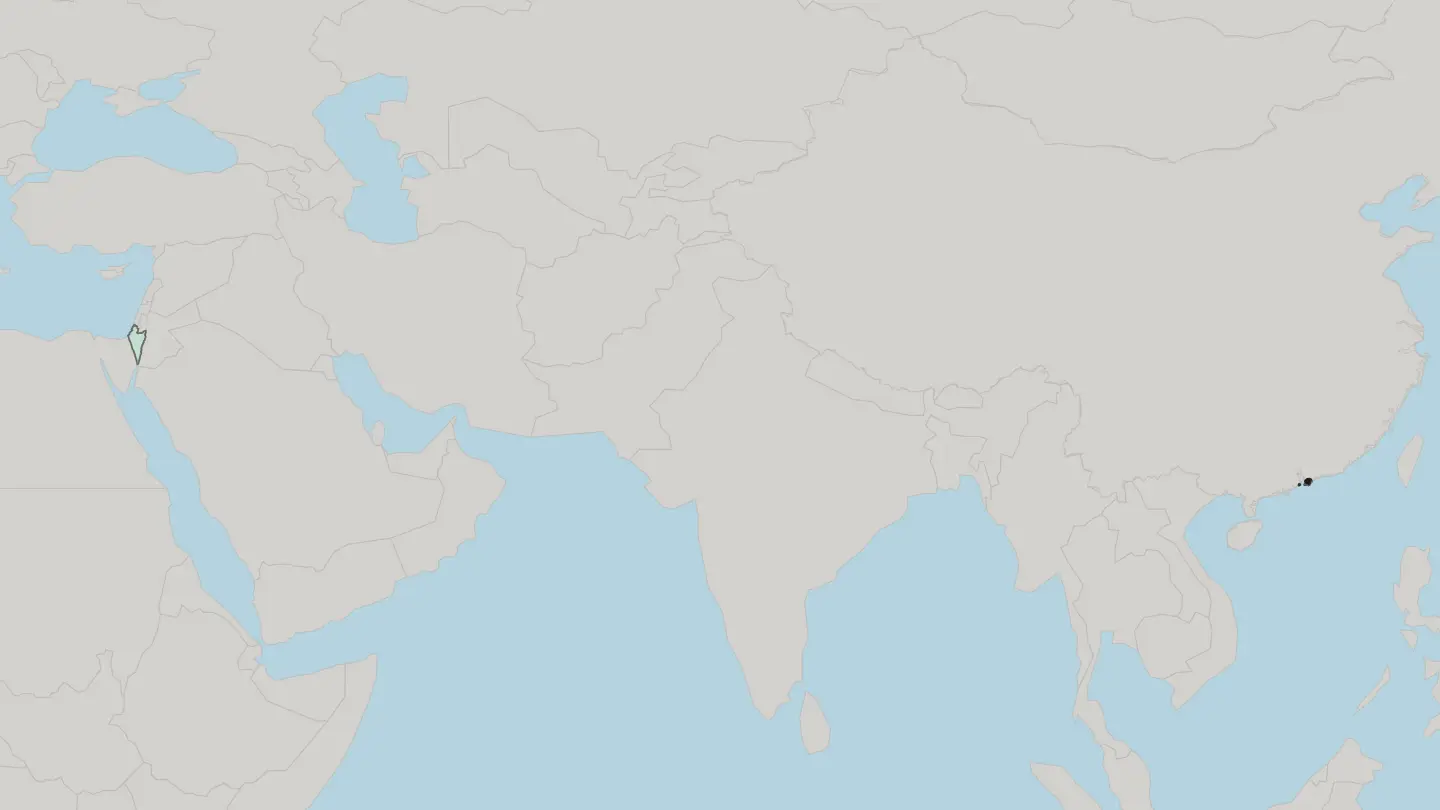 Hong Kong
Hong Kong
Hong Kong faces the sea on China's southern coast, a territory of Hong Kong Island, Kowloon, and the New Territories, just south of Shenzhen.Where to stay →Hotel links are affiliate links: booking through them may earn us a commission, at no extra cost to you. It never affects how places are ranked. How this works
Explore by experience
Not sure which place? Start from how you want to travel.
About Hong Kong
What is Hong Kong known for?
Hong Kong is known for a skyline stacked against steep hills and the water of Victoria Harbour. The harbour splits Hong Kong Island from the Kowloon Peninsula, and the ferries and towers along both shores are the image most people carry of the place. Yet the built city is only part of it.
Nature is close by. Beyond the neon of Mong Kok and the towers of Central, the New Territories and outlying islands like Lantau climb into forested country parks and quiet beaches. That contrast between packed towers and green hills is the whole point of Hong Kong.
Where is Hong Kong?
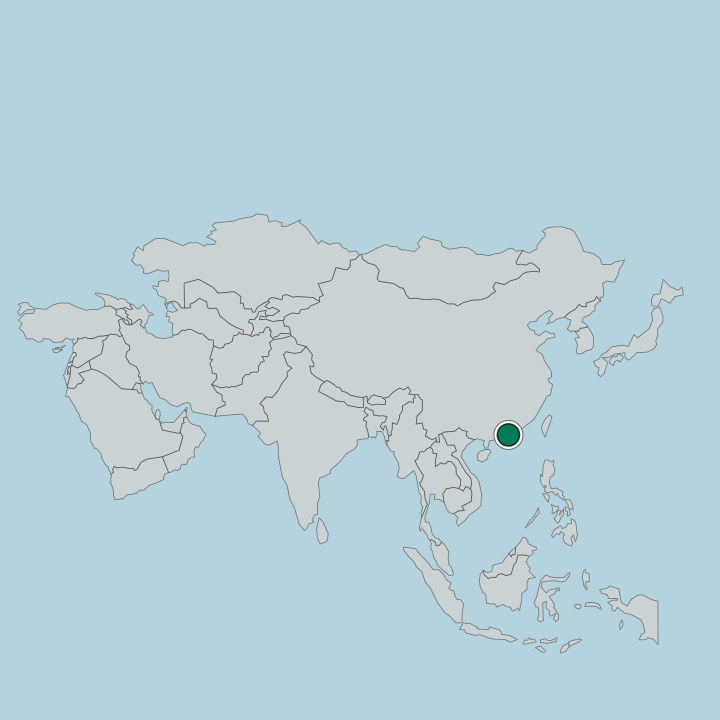
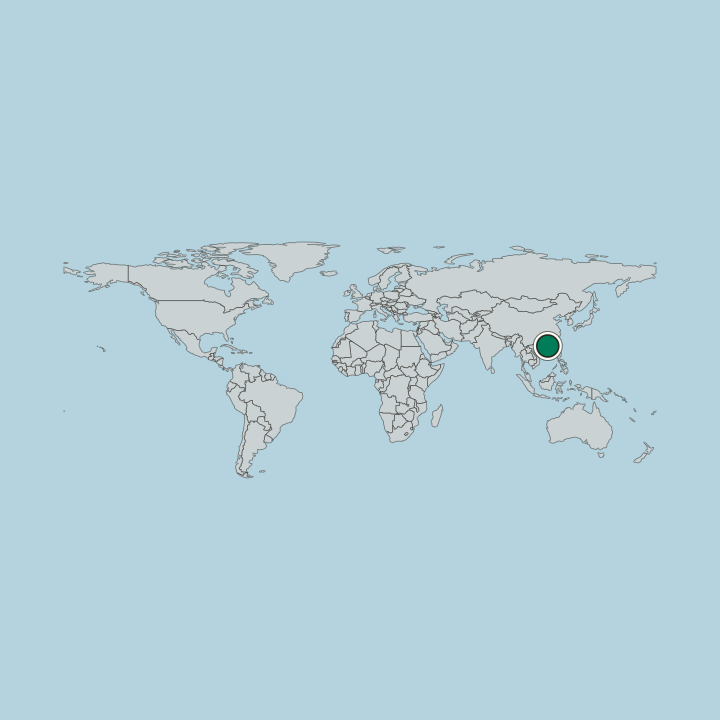
Hong Kong sits on China's southern coast, just south of Shenzhen, on the eastern side of the Pearl River estuary. The territory falls into three parts. Hong Kong Island holds the original city on its northern shore, the Kowloon Peninsula reaches down toward it from the mainland, and the far larger New Territories stretch north from Kowloon to the boundary with Shenzhen, taking in most of the land and the great majority of the outlying islands.
Water is everywhere in this arrangement. Victoria Harbour, a deep natural anchorage, divides the island from Kowloon and gave the port its reason to exist, its ferries still crossing between the two shores. The ground rises fast behind the coast.
Steep hills press the built city onto reclaimed flat land at the water's edge, and green ridges fill the interior, so country parks and hiking trails sit within reach of the towers. Tai Mo Shan, near the centre of the New Territories, is the highest summit at 957 metres. Lantau, west of Hong Kong Island, is the largest island of them all and carries both the airport and long stretches of empty upland.
From dense harbour front to forested peak, the range is startling for so small a place.
What is the history of Hong Kong?
Hong Kong began as a British trading foothold on the edge of a Chinese empire. Britain took Hong Kong Island in the aftermath of the First Opium War, and the Treaty of Nanking ceded it in 1842, turning a sparse fishing coast into a colonial port. The territory then grew in stages.
The Kowloon Peninsula was added in 1860, and in 1898 Britain leased the New Territories from China for ninety-nine years, fixing the shape of the whole territory and, in time, the clock that would end British rule. Trade made the place. Its deep harbour drew shipping, banking, and migrants, and the city became one of the great entrepôts of Asia, its fortunes rising and falling with the region around it.
War interrupted the story. Japanese forces occupied the territory from 1941 to 1945, before British administration resumed. As the lease on the New Territories ran down, Britain and China negotiated the future, and the 1984 Joint Declaration set the terms.
On the first of July 1997, sovereignty passed to China and the colony became a special administrative region under a promise of a high degree of autonomy. The port that Britain founded is now a Chinese city that still runs by its own rules.
What is Hong Kong like?
Hong Kong runs on Cantonese language, food, and habit, layered over a century and a half of contact with the wider world. Its everyday culture is Cantonese to the core. The great daily ritual is yum cha, going out for tea and dim sum, where trolleys or kitchens send round small steamer baskets of dumplings, buns, and rolls to be shared across a crowded table.
Cantonese opera and street markets carry the same inheritance. That older world sits inside one of the most compressed modern cities anywhere, and the two rub along constantly. A temple thick with incense stands a few streets from glass banking towers, and a market alley opens onto a rail line to the mainland.
British rule left its own residue. English shares official status with Cantonese, the courts and street names keep colonial forms, and the double-decker trams and Star Ferry still run as they long have. Waves of migration widened the palate further, so a single district can offer Chiuchow, Shanghainese, and Western cooking within a block.
Festivals mark the lunar year with lion dances and fire. The result reads as one city speaking several histories at once.
What is the climate of Hong Kong?
Hong Kong has a humid subtropical climate shaped by the monsoon. Winters are mild and relatively dry, cool enough on the coast for a jacket, with the hills above Tai Mo Shan turning colder still. Summers are the opposite: hot, sticky, and wet, with most of the year's heavy rain falling between May and September.
Typhoons track in off the South China Sea across those same months, occasionally closing the harbour and the airport. Autumn is the clear, dry reward.
How do you get to Hong Kong?
Almost everyone arrives by air. Hong Kong International Airport sits on reclaimed land off Lantau Island, west of the city, and is one of the busiest passenger and cargo hubs in Asia. From there the Airport Express train runs into Kowloon and on to Central in well under an hour, threading beneath Victoria Harbour.
Others come overland. High-speed rail and road crossings link the territory to Shenzhen and the wider Pearl River delta, and ferries reach Macau and mainland ports across the estuary.
Good for
Updated September 2026