Hong Kong
Islands District, Hong Kong — Towns & Travel Guide
Islands District is one of the 18 districts of Hong Kong, a part of the New Territories made up of outlying islands rather than mainland ground.
Hotel links are affiliate links: booking through them may earn us a commission, at no extra cost to you. It never affects how places are ranked. How this works


Towns & cities in Islands District
One town here has its own guide — it links to where to stay.

 Hong Kong
Tung Chung
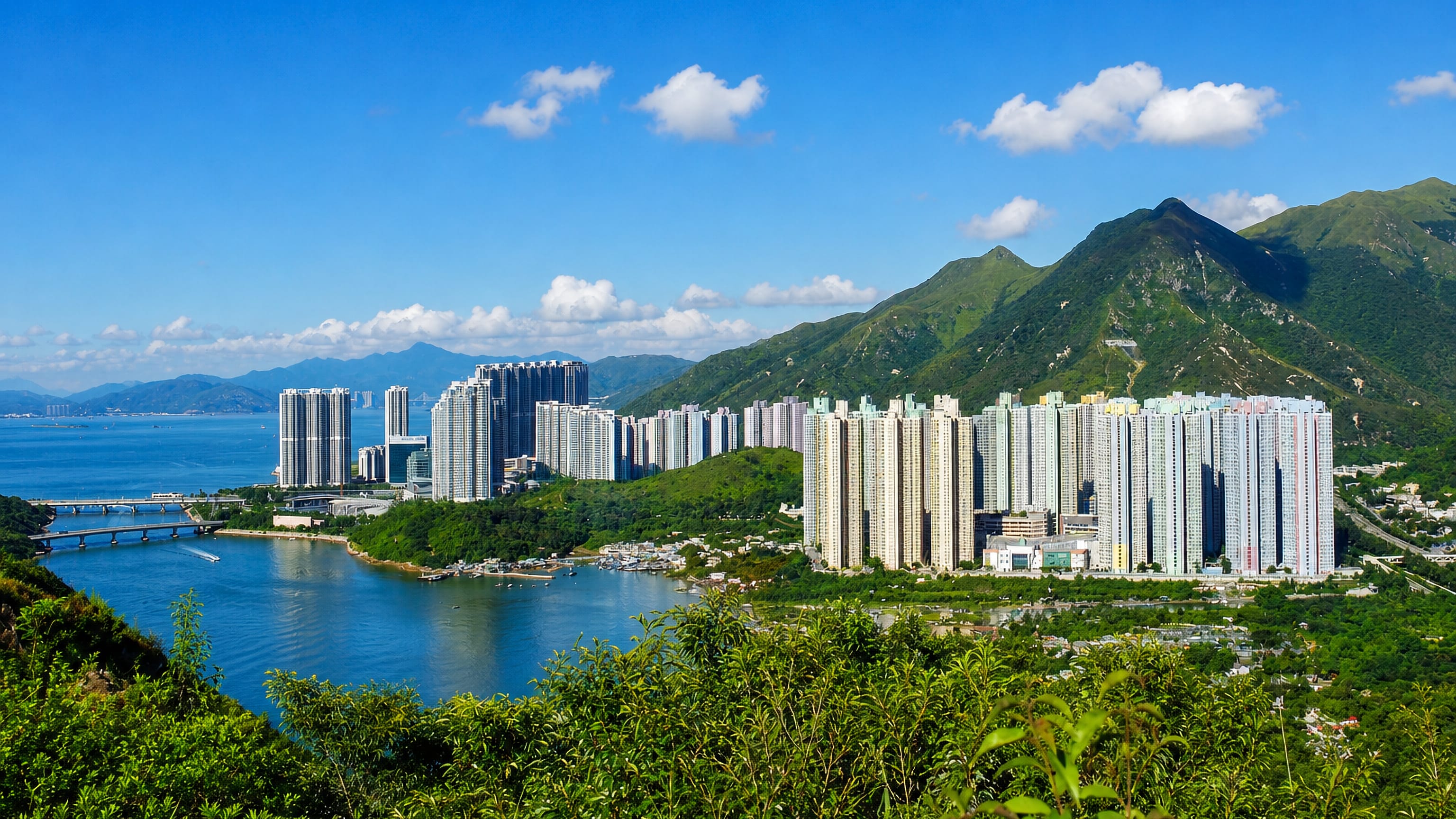
Tung Chung holds the northwestern coast of Lantau Island, a fishing village beside Tung Chung Bay rebuilt as one of Hong Kong's most recent new towns.Where to stay →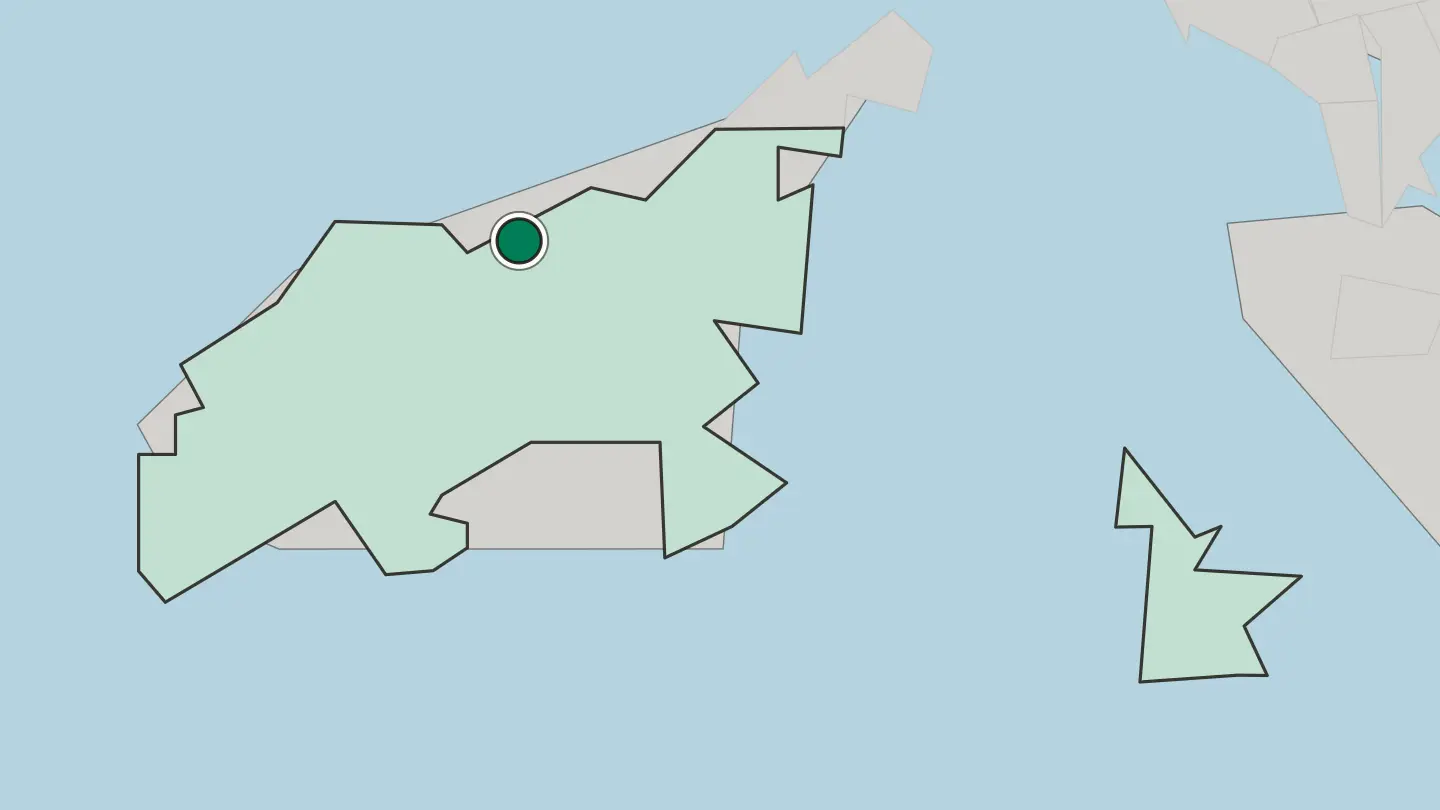
Hotel links are affiliate links: booking through them may earn us a commission, at no extra cost to you. It never affects how places are ranked. How this works
About Islands District
Water separates everything here.
What is Islands District known for?
Islands District is assembled from separate pieces of land rather than one continuous stretch, so movement, work and settlement inside it follow the shape of the sea as much as the shape of the ground. The count is large. Hong Kong's Outlying Islands is the generic label for 234 islands, islets and rocks in the territory, and Islands District is the one of the 18 districts built around that island ground.
Where is Islands District?
This district is mostly water. Islands District is defined by the sea between its parts, since the land it administers comes in separate pieces and the distance from one to the next is measured across open water rather than along a road. Land area is modest.
What the district covers on the map is scattered thinly, and the ground people actually live on is a small share of the space its boundary encloses. The New Territories claim it administratively. Islands District belongs to that part of Hong Kong rather than to the built-up core, and being counted among the 18 districts while consisting of islands makes it the odd unit in the set.
Coastline does the work of a border here. Every boundary that matters is a shoreline, so each island is its own container of settlement, and the Outlying Islands label covering 234 islands, islets and rocks describes a geography of edges more than of area. Distance here is not a matter of kilometres.
A crossing of a few kilometres can take longer than a far longer journey on land, which is the practical form the district's geography takes.
What is Islands District like?
There is no single island identity. Islands District is a name on the administrative map rather than a community, since the people of one island and the people of the next share a district but not a street, a shoreline or a daily routine. Each island keeps its own scale.
What holds across them is the condition of living behind water, which shapes how supplies arrive and how far an ordinary errand can reasonably go. The city stays close in practice. Belonging to Hong Kong means the working life of the territory is a crossing away, and the islands of this district work partly as places to leave in the morning and return to at night.
Visitors invert that pattern. The Outlying Islands draw people out of the built-up districts for the day, so the same water that isolates the district also delivers its busiest hours, and island communities live with two rhythms rather than one. English is in ordinary use across the 18 districts.
That, and the crossing itself, are the two things every island here shares with the rest of Hong Kong.
What is the history of Islands District?
The district is a modern administrative object. Islands District exists because Hong Kong divides itself into 18 districts, and the islands scattered through the territory had to be gathered under one of them rather than left off the frame. The islands are older than the label.
Settlement on them long predates any district boundary, and what the New Territories designation records is an administrative decision rather than the start of anything on the ground.
What is the climate of Islands District?
The sea governs the year here. Islands District sits in the tropical band with water on every side, and open water holds the extremes in check, so the islands run milder in the hot months and less sharp in the cool ones than ground set back from any coast. Wind is the other half.
Exposure changes from one shoreline to the next across the district, which is why two of the Outlying Islands can feel unalike on the same afternoon.
How do you get to Islands District?
Arrival is by water for most of it. Islands District has no continuous road link between its pieces, so reaching one island from another generally means going back out onto the water rather than driving around a bay. Timetables run the day.
A missed crossing costs real time, which is the single biggest difference between travelling inside this district and travelling anywhere else among the 18 districts of Hong Kong.
Common questions
What is the best area to stay in Islands District?
The settled Outlying Islands: trips spent among the Outlying Islands rather than in the urban districts. Urban Hong Kong: schedules in the city that cannot be held to crossing times.
Good for
More regions in Hong Kong
See also
Updated September 2026