Hong Kong · Tai Po District
Where to Stay in Tai Po, Tai Po District
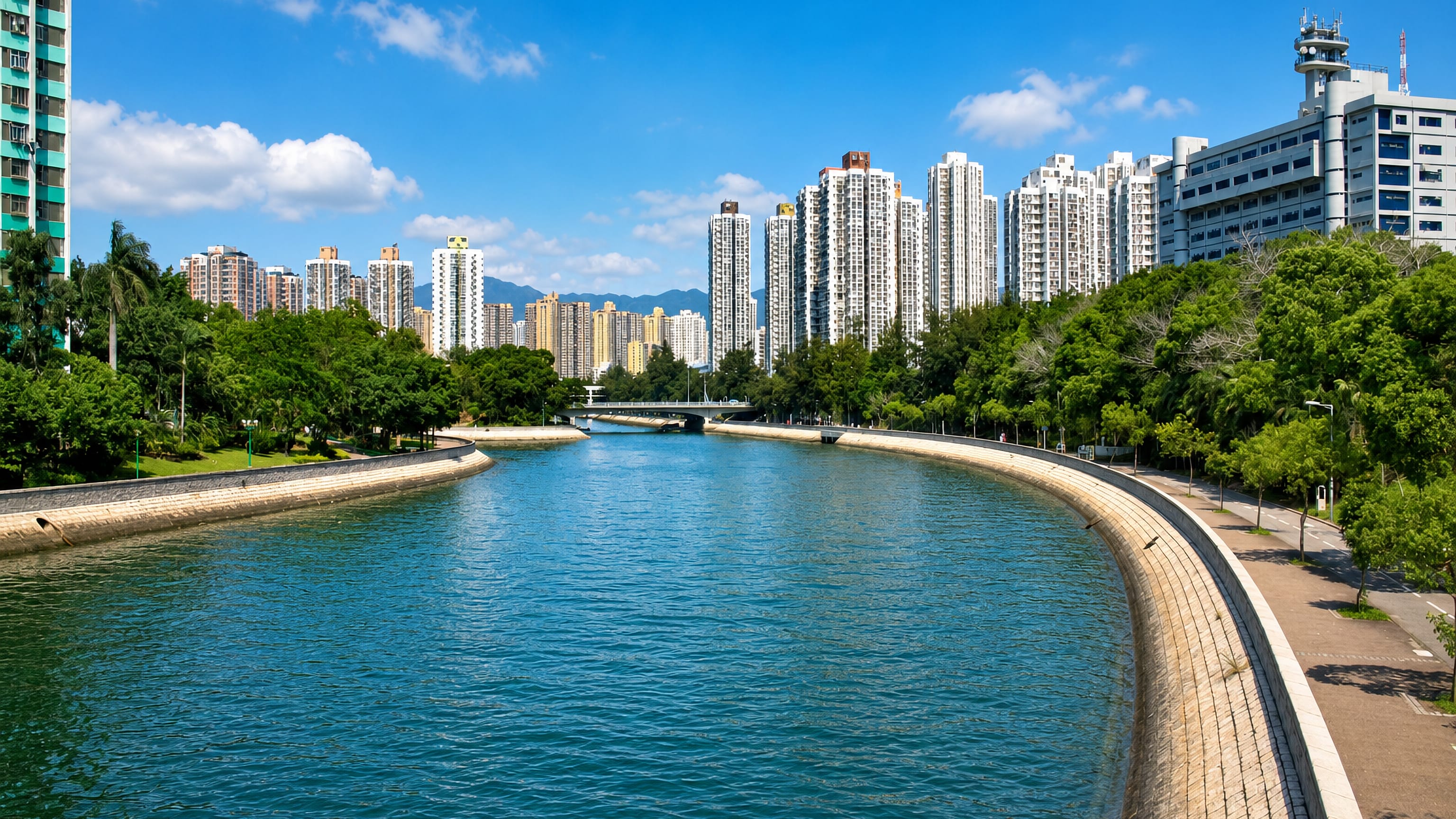
Two market towns face each other across the Lam Tsuen River at Tai Po, an area of the New Territories absorbed into Tai Po New Town.
Hotel links are affiliate links: booking through them may earn us a commission, at no extra cost to you. It never affects how places are ranked. How this works


Where to stay in Tai Po
Where the beds are, and what that means for the visit.
The Lam Tsuen River splits the choice. South of it, Tai Po Hui and Fu Shin Street hold the market trade that gave the place its name, and the Fu Shin Sports Centre stands on the same side within an easy walk. That side suits anyone who wants the market first.
North of the water, Tai Po Old Market, Tai Po Kau Hui in its older name, keeps the quieter half of the pairing, together with the ground near the old Tai Po Market railway station of the Kowloon-Canton Railway. Tai Wo is the third option. Tai Wo Sports Centre and Fu Heng Sports Centre mark the residential blocks of Tai Po New Town, the development that took in both market towns in the late 1970s and early 1980s.
Beds are scarce across all three. Tai Po sits inside the New Territories rather than the built-up core of Hong Kong, so a night here trades choice of rooms for market streets, the river, and the Tai Po Sports Ground Squash and Tennis Centre a short way off. Tsung Yuen Sin Kwun stands among the older ground, a marker of what the market towns kept when the new town went up.
Find hotels in Tai Po
Direct booking searches for these neighbourhoods.
Tai Po Hui
The south-bank market town, where Fu Shin Street trades and the Fu Shin Sports Centre stands a walk from the Lam Tsuen River. Beds are limited here, so book early.Find hotels in Tai Po HuiThe north bank of the Lam Tsuen RiverTai Po Old Market
Tai Po Kau Hui, the older of the two market towns, set near the old Tai Po Market railway station of the Kowloon-Canton Railway. Rooms are few around here — worth securing early.Find hotels in Tai Po Old MarketTai Po New Town blocks by Tai Wo Sports CentreTai Wo
New-town housing raised in the late 1970s and early 1980s, with Tai Wo Sports Centre and Fu Heng Sports Centre close at either hand. Beds are limited here, so book early.Find hotels in Tai WoHotel links are affiliate links: booking through them may earn us a commission, at no extra cost to you. It never affects how places are ranked. How this works
Things to do in Tai Po
Ranked by global recognition; descriptions from Wikidata (CC0).
Stadiums & Sports
3- Tai Po Sports Ground Squash and Tennis Centre
- Tai Wo Sports Centre
- Fu Shin Sports Centre
Parks & Gardens
1- Tsung Yuen Sin Kwun
worth knowingacross 2 categories in Tai Po
About Tai Po
The market towns came in pairs.
What is Tai Po known for?
Tai Po Old Market, also called Tai Po Kau Hui, sat on the north bank of the Lam Tsuen River, while Tai Po Hui traded from Fu Shin Street on the south bank. Both were folded into Tai Po New Town in the late 1970s and early 1980s. The name works three ways since: the ground around the original markets, the new town, and the whole of Tai Po District in the New Territories of Hong Kong.
What are the main landmarks in Tai Po?
Five entries carry the list. Fu Shin Sports Centre, Fu Heng Sports Centre and Tai Wo Sports Centre are indoor halls belonging to the housing estates of Tai Po New Town rather than to the market towns that preceded them. Tsung Yuen Sin Kwun is the outlier.
The Tai Po Sports Ground Squash and Tennis Centre completes the set, and between them these places account for what Tai Po records in the New Territories.
What is the history of Tai Po?
Tai Po began as two market towns. Tai Po Old Market, recorded also as Tai Po Kau Hui or Tai Po Kau Hui, held the north bank of the Lam Tsuen River, and Tai Po Hui traded from Fu Shin Street on the south bank. The river ran between them.
Both markets stood near the old Tai Po Market railway station of the Kowloon-Canton Railway, the line that gave the pair their link outward from the New Territories. Fu Shin Street carried the southern market, and the name still marks both a street and a sports hall in Tai Po. The new town changed the frame.
In the late 1970s and early 1980s both market towns were taken into Tai Po New Town, and the estates that came with it brought the halls standing at Fu Shin, Fu Heng and Tai Wo. Tsung Yuen Sin Kwun survives from the older ground. Since then the name has worked at three scales at once: the vicinity of the original market towns, Tai Po New Town, and the whole of Tai Po District within the New Territories of Hong Kong.
The written record gives no founding year.
Where is Tai Po?
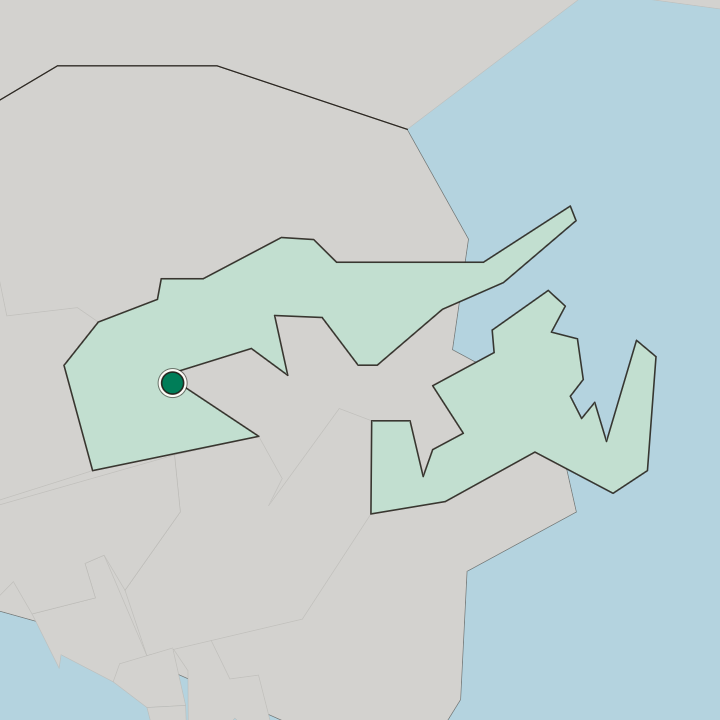
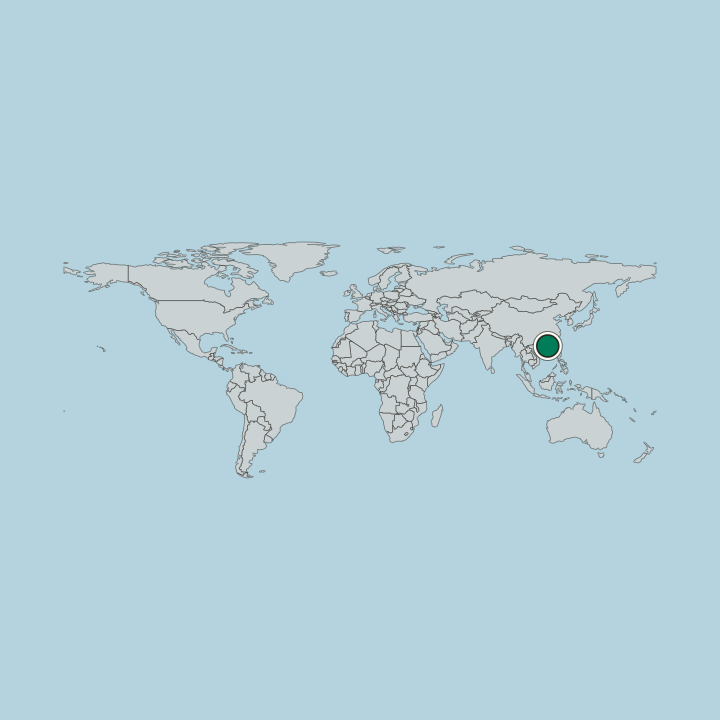
The Lam Tsuen River orders the ground. Tai Po lies in the New Territories of Hong Kong, and its two historic market towns sit on opposite banks, Tai Po Old Market to the north and Tai Po Hui with Fu Shin Street to the south. Tai Po New Town covers both.
The area falls in the tropics on the equator's northern side, and that setting shows in the green along the Lam Tsuen River and in how long the warm season runs.
What is the climate of Tai Po?
Warm air sets the terms. Tai Po sits in the tropics north of the equator, so its year turns on rain and humidity rather than on cold, and the damp reads strongest on the low ground beside the Lam Tsuen River. Winter never really lands.
One account of the weather covers Tai Po Old Market, Tai Po Hui and the newer blocks of Tai Po New Town alike, since all of it lies within reach of the same river.
How do you get to Tai Po?
The railway set the pattern. The old Tai Po Market railway station of the Kowloon-Canton Railway stood beside the two market towns, and that line fixed how the area is approached from the rest of the New Territories. Tai Po New Town grew around both.
Anyone travelling on from Tai Po Old Market to Tai Wo or Fu Heng crosses ground the new town joined up in the late 1970s and early 1980s, so the distances involved stay short.
Common questions
What is the best area to stay in Tai Po?
Tai Po Hui: Market mornings on Fu Shin Street. Tai Po Old Market: The north bank of the Lam Tsuen River. Tai Wo: Tai Po New Town blocks by Tai Wo Sports Centre.
Good for
Updated September 2026