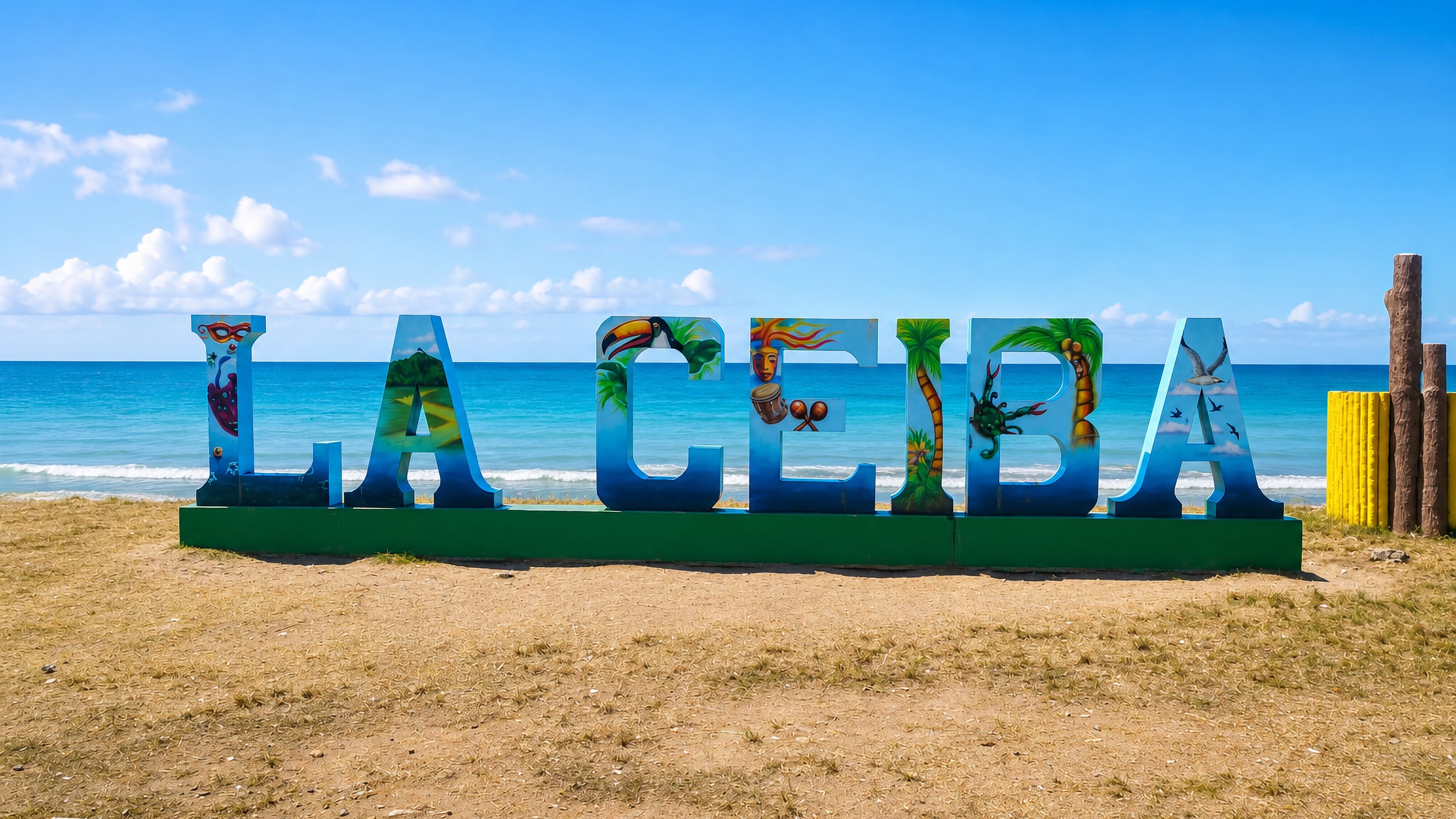
Honduras · Departamento de Atlántida
Where to Stay in La Ceiba, Departamento de Atlántida
La Ceiba is a Caribbean port city on the Gulf of Honduras, capital of the Departamento de Atlántida and founded in 1872.
Hotel links are affiliate links: booking through them may earn us a commission, at no extra cost to you. It never affects how places are ranked. How this works


Where to stay in La Ceiba
How the choice of base plays out on the ground.
Distance from the water is the choice in La Ceiba. Rooms near the waterfront put the port and the open Caribbean at the end of the street, which suits anyone here for the sea, and the walk into the middle of the city takes only a few minutes from there. Blocks behind it, La Ceiba does its work as the capital of the Departamento de Atlántida, and a room in that part trades the sea air for a quieter night without adding any real distance.
Both sides are walkable. Nothing in the built-up city is far from the shoreline. Farther out it changes.
The municipality loosens into open ground along the road that runs 202 km to San Pedro Sula, beds thin quickly once the blocks end, and a stop out there makes sense only for a driver breaking the run in from the interior of Honduras. Most visitors do better in the city itself. Anyone following the coast of the Gulf of Honduras can treat La Ceiba as the overnight stop between the water and the interior, since the port gives it more beds than the smaller places along the Caribbean side of Central America.
Take the waterfront if the sea is the point. The blocks behind it are the better call for a working trip, for a late arrival, or for anyone who wants the noise of the port at a distance.
Find hotels in La Ceiba
Direct booking searches for these neighbourhoods.
The waterfront
The working front on the Gulf of Honduras runs the length of this side of the city.Find hotels in The waterfrontTravellers using La Ceiba as the capital of Atlántida rather than as a sea stopBlocks behind the port
Back from the water, where the departmental business of the Departamento de Atlántida is done.Find hotels in Blocks behind the portDrivers breaking the 202 km run in from San Pedro SulaThe San Pedro Sula road
The inland approach, out where the municipality of La Ceiba turns to open ground. Beds are limited here, so book early.Find hotels in The San Pedro Sula roadHotel links are affiliate links: booking through them may earn us a commission, at no extra cost to you. It never affects how places are ranked. How this works
About La Ceiba
The Caribbean sets the terms.
What is La Ceiba known for?
La Ceiba works as a port at the edge of the Caribbean Sea, on the stretch of the Honduras coast that forms part of the boundary of the Gulf of Honduras, and the sea has given the city its trade since 1872. It is also the capital of the Departamento de Atlántida. San Pedro Sula lies 202 km inland.
The municipality reaches back from the water, and the port keeps La Ceiba among the more important cities of Honduras and of the Caribbean side of Central America.
What are the main landmarks in La Ceiba?
The waterfront is the landmark. La Ceiba turns on the sea rather than on any single monument, and the port, the shoreline of the Caribbean, and the open reach of the Gulf of Honduras supply the fixed points that a cathedral or a castle would supply elsewhere. The rest is street-level.
Beyond the built-up blocks the municipality carries on into the Departamento de Atlántida, where the ground behind the city belongs to the department rather than to the port, and the coast of Honduras runs on either side.
What is the history of La Ceiba?
La Ceiba dates from 1872. The date is late for Honduras, and the city that followed grew out of the sea trade rather than out of the older inland pattern of settlement, taking shape as a port on the Caribbean coast. Its role has been a maritime one throughout.
Shipping tied this stretch of coast to the rest of Central America and to the wider Caribbean, and the city grew into one of the more important in the country on the strength of that connection alone. Administration followed the trade. La Ceiba became the capital of the Departamento de Atlántida, which made it the seat of the department as well as its harbour, and the two roles have held together since, each giving the other a reason to keep growing.
The department and its capital share a coastline. The Gulf of Honduras lies open in front of both, and the boundary that the coast helps to form has kept the port in the path of traffic moving along the Caribbean side of Central America. Inland the picture is different.
San Pedro Sula stands 202 km off, the distance that fixes La Ceiba's position relative to the interior of Honduras, and the municipality itself reaches back from the water across a wide stretch of ground. A port, a departmental capital, and a municipality running inland from the shore: those three facts account for most of what the city has been since 1872.
Where is La Ceiba?
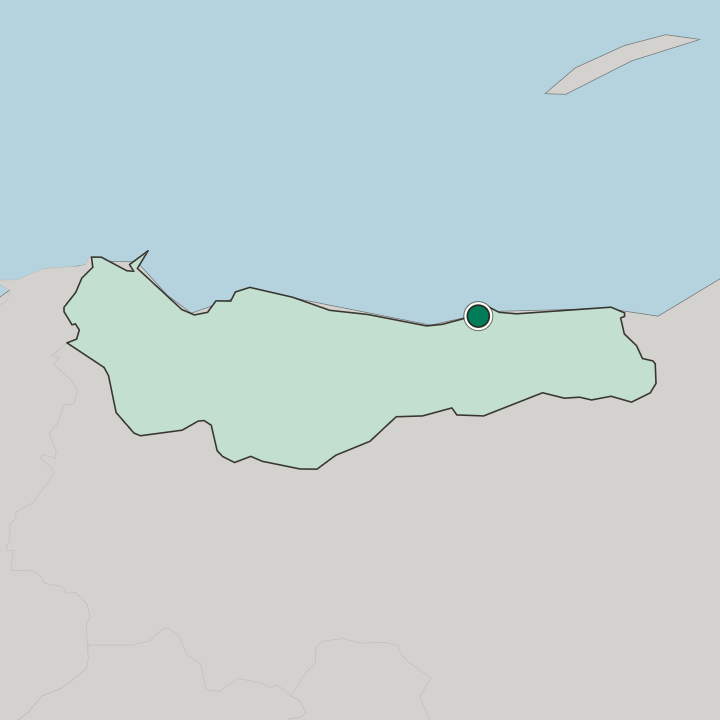
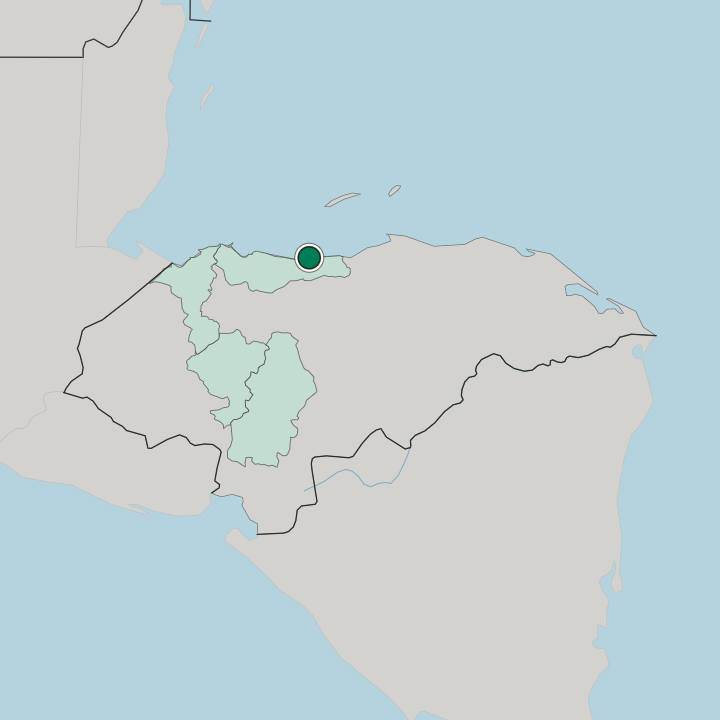
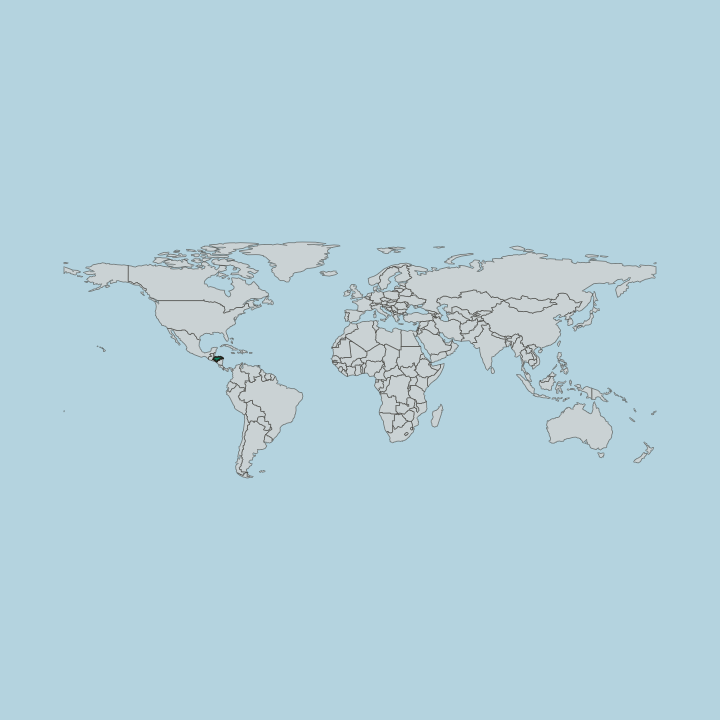
Water on one side, land on the other. La Ceiba sits on the Honduran shore of the Caribbean Sea, at the edge of the Gulf of Honduras, and the municipality runs back from the water across a broad piece of the Departamento de Atlántida. The city belongs to the Caribbean side of Central America.
San Pedro Sula stands 202 km off through the interior of Honduras.
What is the climate of La Ceiba?
The Caribbean governs the air. La Ceiba lies within the tropical band, so heat holds through the year and the moisture comes off the sea instead of arriving with the change of season that marks places well away from the equator. Rain is a coastal matter here.
Weather moves in off the Gulf of Honduras rather than out of the interior of the Departamento de Atlántida, and the sea keeps the range of the year narrow.
How do you get to La Ceiba?
Most arrivals come from San Pedro Sula. The road from there covers 202 km to La Ceiba, and it is the standard overland approach to this part of the Caribbean coast of Honduras as well as the route most journeys into the Departamento de Atlántida follow. The sea offers the other way in.
As a port on the Gulf of Honduras, the city takes traffic off the water as well, and the waterfront stands close enough to the centre that an arrival by ship lands within walking distance of it.
Common questions
What is the best area to stay in La Ceiba?
The waterfront: Guests who want the Caribbean and the port of La Ceiba at the end of the street. Blocks behind the port: Travellers using La Ceiba as the capital of Atlántida rather than as a sea stop. The San Pedro Sula road: Drivers breaking the 202 km run in from San Pedro Sula.
Updated September 2026