Honduras · Departamento de Comayagua
Where to Stay in Comayagua, Departamento de Comayagua
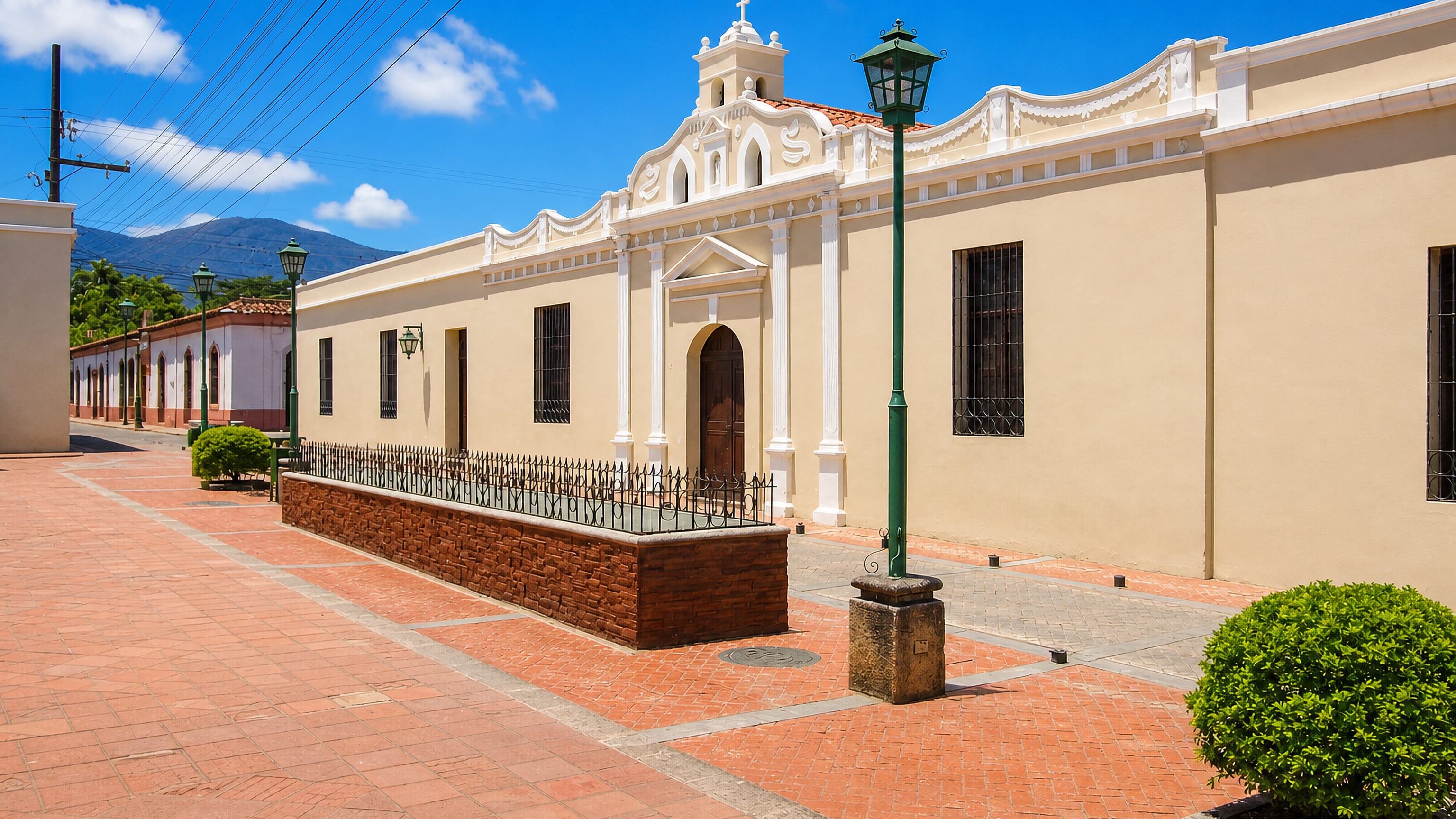
Comayagua is a colonial town of Honduras, founded in 1537 and built around the Immaculate Conception Cathedral.
Hotel links are affiliate links: booking through them may earn us a commission, at no extra cost to you. It never affects how places are ranked. How this works


Where to stay in Comayagua
Where the beds are, and what that means for the visit.
The choice turns on distance from the Immaculate Conception Cathedral. Rooms in the blocks immediately around it put La Merced Church, Iglesia de San Francisco, and the Museo Colonial de Arte Religioso within a few minutes on foot, which is the whole argument for staying in the middle of a town this compact. Everything worth walking to is close.
Evenings belong to the plaza in front of the cathedral. A short way off, the streets running past the Museo Histórico y Cívico Casa Cabañas and the Museo Casa José Santos Guardiola are quieter, and a room there still leaves Iglesia de San Sebastián and the Museo Casa Colonial Familia Castillo inside an easy walk. Traffic thins quickly.
Past the colonial grid the municipality of Comayagua opens into farmland and country roads, so beds are scarce out there and anyone driving through the Departamento de Comayagua does better to sleep in the old town and set out in the morning. Honduras keeps its colonial building stock here, and the town rewards a stay of more than one night for that reason alone.
Find hotels in Comayagua
Direct booking searches for these neighbourhoods.
The cathedral blocks
The Immaculate Conception Cathedral and Iglesia de San Francisco stand within the same handful of streets.Find hotels in The cathedral blocksQuieter nights a few corners off the cathedral plazaStreets by Casa Cabañas
The Museo Histórico y Cívico Casa Cabañas and the Museo Casa José Santos Guardiola line these blocks.Find hotels in Streets by Casa CabañasDrivers crossing the Departamento de ComayaguaThe outer municipality
Past the colonial grid the land turns to farmland, so beds sit back toward Iglesia de San Sebastián. Few places to stay nearby — book ahead.Find hotels in The outer municipalityHotel links are affiliate links: booking through them may earn us a commission, at no extra cost to you. It never affects how places are ranked. How this works
Things to do in Comayagua
Ranked by global recognition; descriptions from Wikidata (CC0).
Museums & Galleries
3- Museo Colonial de Arte Religioso
- Museo Histórico y Cívico Casa Cabañas
- Museo Casa José Santos Guardiola
Churches & Religious Sites
3- Immaculate Conception Cathedral, Comayagua
- La Merced Church (Honduras)
- Iglesia de San Francisco
worth knowingacross 2 categories in Comayagua
About Comayagua
The colonial churches carry it.
What is Comayagua known for?
Comayagua grew from a Spanish foundation of 1537, and its old centre still holds the Immaculate Conception Cathedral together with La Merced Church, Iglesia de San Francisco, and Iglesia de San Sebastián. Four museums sit among the same few streets. The Museo Colonial de Arte Religioso keeps religious art of the colonial period, while the Museo Histórico y Cívico Casa Cabañas, the Museo Casa José Santos Guardiola, and the Museo Casa Colonial Familia Castillo occupy old houses of the town itself.
What are the main landmarks in Comayagua?
One cathedral, three churches, four museums. The Immaculate Conception Cathedral holds the principal front of the old centre, and La Merced Church, Iglesia de San Francisco, and Iglesia de San Sebastián account for the rest of the colonial religious building that survives in Comayagua. Museums fill the gaps between them.
Religious art is gathered in the Museo Colonial de Arte Religioso, civic and historical material in the Museo Histórico y Cívico Casa Cabañas, and two further collections occupy the Museo Casa José Santos Guardiola and the Museo Casa Colonial Familia Castillo.
What is the history of Comayagua?
Comayagua dates from 1537. That Spanish foundation set the frame for everything after it, and the churches raised across the colonial centuries, the Immaculate Conception Cathedral first among them, still fix the shape of the centre. La Merced Church belongs to the same long run of building.
Iglesia de San Francisco and Iglesia de San Sebastián complete the group, so a cathedral and three churches stand within a short walk of one another, which is an unusual density of religious architecture for a town of this size in Honduras. The record is kept in houses. Four museums occupy the old town: the Museo Colonial de Arte Religioso, the Museo Histórico y Cívico Casa Cabañas, the Museo Casa José Santos Guardiola, and the Museo Casa Colonial Familia Castillo.
Three of the four are named for the families and figures who owned or gave their names to the buildings, which is how the domestic architecture of the colonial period came to serve as the town's archive rather than being cleared for something newer. The Museo Colonial de Arte Religioso takes the other route and gathers the art of the churches themselves. Names outlast buildings here.
The Departamento de Comayagua carries the town's name in turn, so the whole administrative unit around it is known by the settlement that the Spanish laid out in 1537 and that has kept its cathedral, its churches, and its house-museums since.
Where is Comayagua?
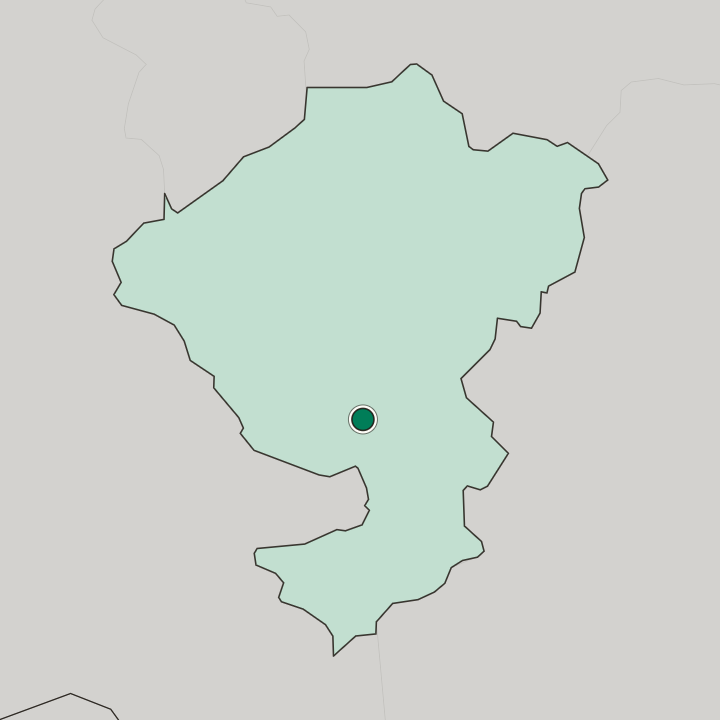
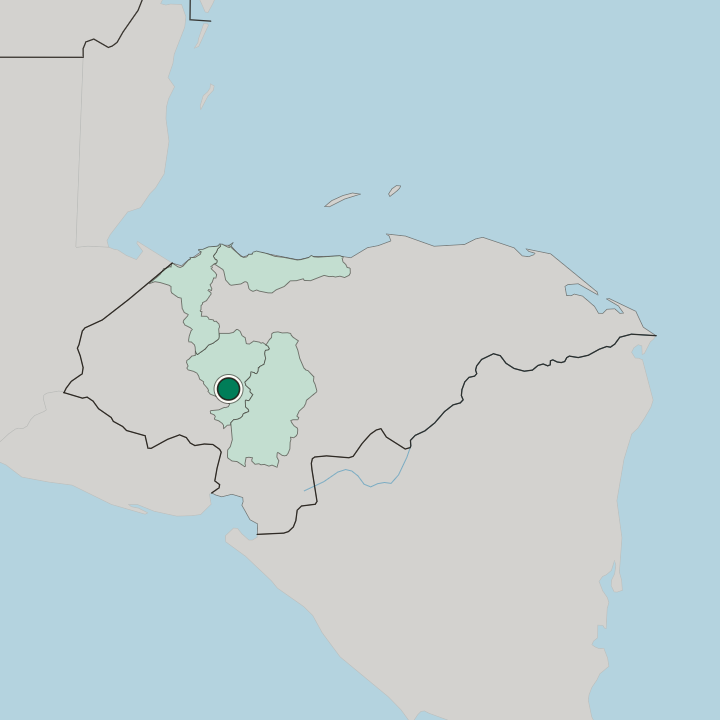
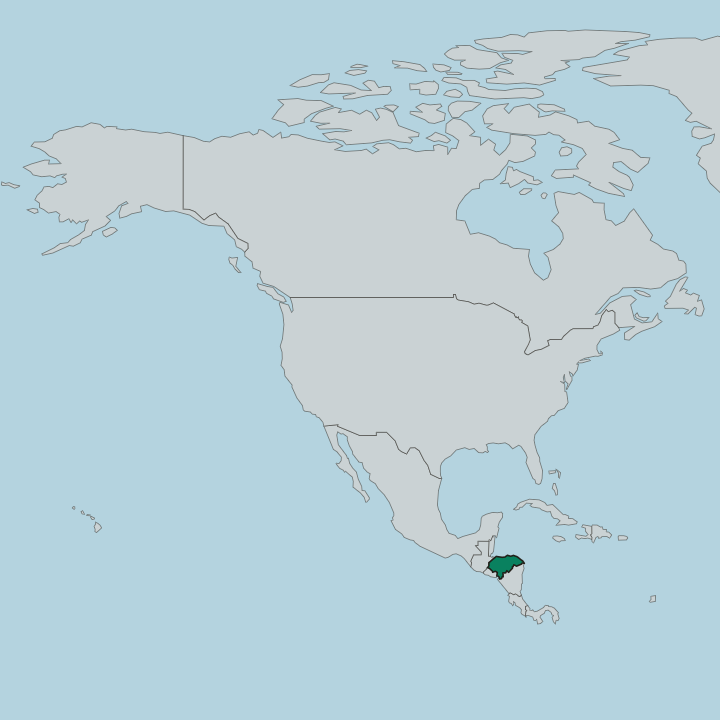
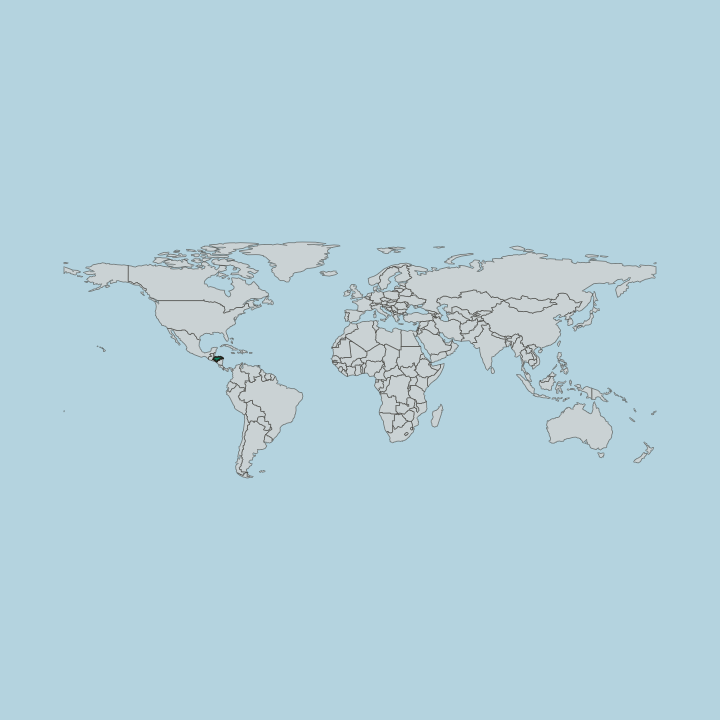
The department shares the town's name. Comayagua stands in the tropical band of Honduras, and the municipality that carries the name spreads well past the built-up streets into farmland and open country. Within the built part, the ground around the Immaculate Conception Cathedral works as the reference point, with Iglesia de San Francisco and Iglesia de San Sebastián a few blocks away and the Museo Casa Colonial Familia Castillo closer still.
The Departamento de Comayagua opens out around it.
What is the climate of Comayagua?
Seasons divide wet from dry. Comayagua lies inside the tropical band, where the year turns on rainfall rather than on any long swing between a hot summer and a cold winter of the kind familiar further from the equator. Rain builds through the middle months and eases toward the close of the year.
Warmth is the constant, and the stone of the Immaculate Conception Cathedral holds it well.
How do you get to Comayagua?
Traffic into Comayagua moves by road. Comayagua stands inland within the Departamento de Comayagua, so arrival comes overland, and the last stretch of any trip into the colonial centre is covered on foot. The old town is small.
Iglesia de San Francisco, Iglesia de San Sebastián, and the Museo Colonial de Arte Religioso all stand within a few blocks of the Immaculate Conception Cathedral, and La Merced Church is no further.
Common questions
What is the best area to stay in Comayagua?
The cathedral blocks: Guests who want La Merced Church and the religious-art museum on foot. Streets by Casa Cabañas: Quieter nights a few corners off the cathedral plaza. The outer municipality: Drivers crossing the Departamento de Comayagua.
Good for
Updated October 2026