Croatia · Primorje-Gorski Kotar County
Where to Stay in Rijeka, Primorje-Gorski Kotar County
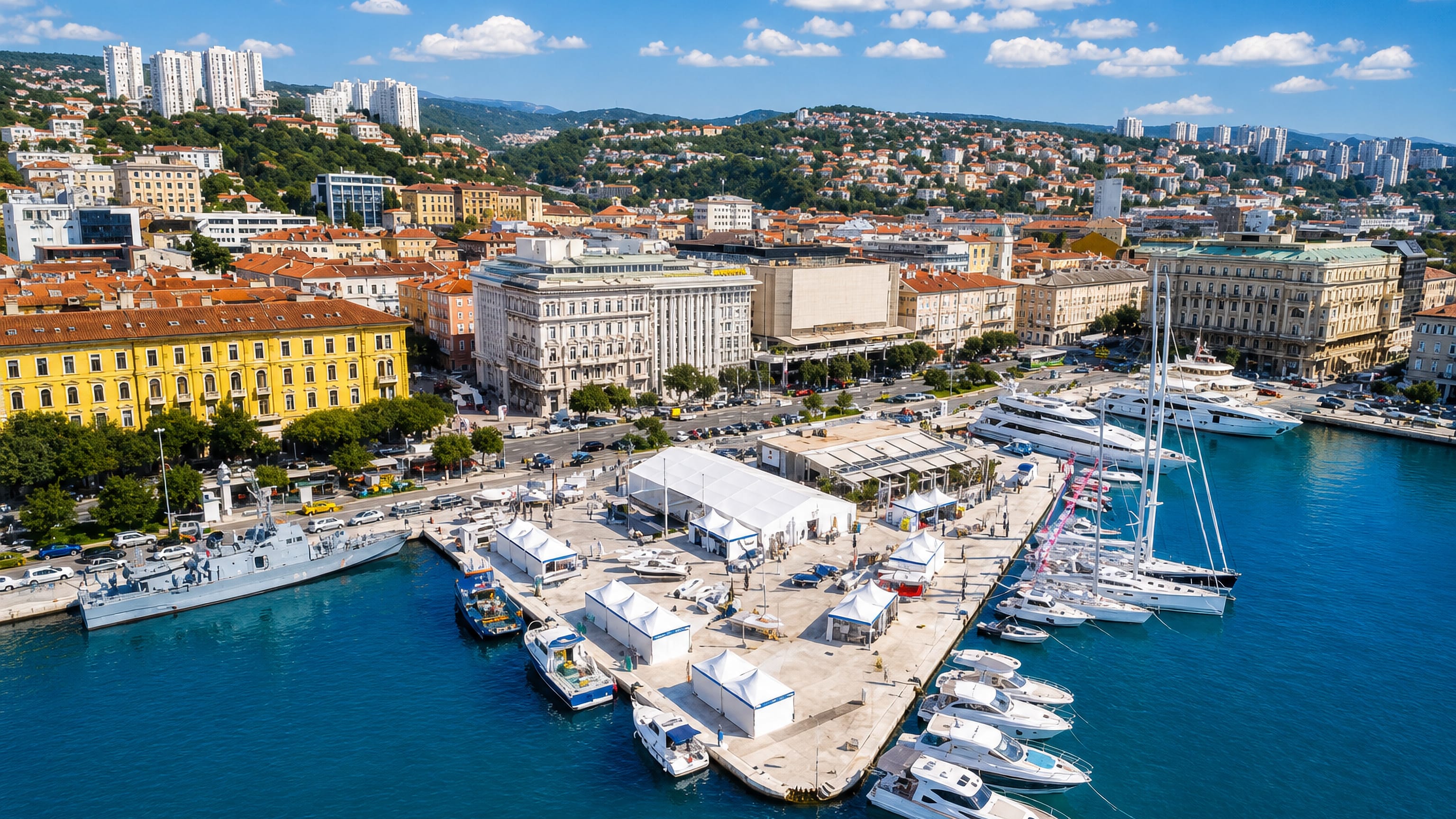
Rijeka is Croatia's principal seaport, on Kvarner Bay off the Adriatic Sea, with Trsat Castle standing back from its quays.
Hotel links are affiliate links: booking through them may earn us a commission, at no extra cost to you. It never affects how places are ranked. How this works


Where to stay in Rijeka
Each area has its own feel; here's who each one suits.

 RijekaCroatia
Podmurvice
Podmurvice is a city district of Rijeka in Croatia, defined in 2002 and gathered around the Church of Mary Help of Christians.Where to stay →RijekaCroatiaDrenova
Drenova is a neighbourhood of Rijeka on a plateau above the city, holding its largest park and cemetery grounds.Where to stay →RijekaCroatiaOrehovica
Orehovica is a district of Rijeka in Croatia, set out in 2000, with Dvorana Mladosti and Saint George the Martyr's Church as its fixed points.Where to stay →RijekaCroatiaSušak
Sušak is the eastern part of Rijeka in Croatia, set across the Rječina, a river that in former times carried an international border.Where to stay →Hotel links are affiliate links: booking through them may earn us a commission, at no extra cost to you. It never affects how places are ranked. How this works
Find hotels in Rijeka
Direct booking searches for these neighbourhoods.
Trsat
The Trsat quarter stands apart from the harbour, with the castle as its anchor.Find hotels in TrsatWalkers who want Rijeka Cathedral and Saint Nicholas Church at the doorThe cathedral blocks
The old streets around Rijeka Cathedral hold the museum and church addresses together.Find hotels in The cathedral blocksArrivals off the Adriatic Sea who want the quays of Kvarner Bay underfootThe port side
Rooms on this side sit between the water and the Maritime and History Museum of the Croatian Littoral.Find hotels in The port sideHotel links are affiliate links: booking through them may earn us a commission, at no extra cost to you. It never affects how places are ranked. How this works
Things to do in Rijeka
Ranked by global recognition; descriptions from Wikidata (CC0).
Museums & Galleries
3- Peek & Poke Computer Museum
- Maritime and History Museum of the Croatian Littoral
- Rijeka City Museum
Churches & Religious Sites
3- Rijeka Cathedral
- Saint Nicholas Church
- Church of the Assumption of the Blessed Virgin Mary
Castles & Historic Sites
1- Trsat Castle
Stadiums & Sports
1- Dvorana Mladosti
Landmarks & Notable Places
1- Tower Center Rijeka
worth knowingacross 5 categories in Rijeka
About Rijeka
The port comes first.
What is Rijeka known for?
Rijeka handles more sea traffic than anywhere else in Croatia, and the deep water of Kvarner Bay is the reason, a strategic position that made the city worth contesting for centuries. Culture followed the shipping. The Museum of Modern and Contemporary Art, the Rijeka City Museum and the Maritime and History Museum of the Croatian Littoral all stand here, and in 2020 the city held the title of European Capital of Culture under the motto Port of Diversity.
What are the main landmarks in Rijeka?
Trsat Castle sits back from the water. Nearer the harbour the older churches line up, Rijeka Cathedral, Saint Nicholas Church, the Church of Saints Fabian and Sebastian and the Church of the Assumption of the Blessed Virgin Mary, with the Rijeka City Museum and the Rijeka Natural History Museum a short way off. Newer additions stand apart.
Dvorana Mladosti, Tower Center Rijeka and the Peek & Poke Computer Museum belong to a later city, while the Museum of Modern and Contemporary Art bridges the two.
What is the history of Rijeka?
Possession changed hands repeatedly. The deep-water harbour and the strategic position on Kvarner Bay made the city worth contesting, and it passed between the Holy Roman Empire, the Republic of Venice, the Kingdom of Italy and Yugoslavia over the course of the centuries. Rulers changed, and so did the makeup of the city.
Trsat Castle belongs to the older layer of what survives. Rijeka Cathedral, Saint Nicholas Church, the Church of Saints Fabian and Sebastian and the Church of the Assumption of the Blessed Virgin Mary account for much of the rest of the pre-modern fabric. The museums record the sequence.
The Maritime and History Museum of the Croatian Littoral takes the sea as its subject, the Rijeka City Museum takes the city itself, and the Rijeka Natural History Museum takes the ground and the water around it, while the Museum of Modern and Contemporary Art works on newer material. Later institutions sit alongside them. The Peek & Poke Computer Museum keeps the machines of a recent past, Dvorana Mladosti serves as an indoor arena, and Tower Center Rijeka belongs to the commercial city rather than the historic one.
In 2020 Rijeka held the title of European Capital of Culture with the motto Port of Diversity, a phrase that points back at those contested centuries and at the mixed communities a working port draws to itself. The harbour explains the rest. A city that ranks third in size in Croatia and first in sea traffic owes both positions to the same inlet of the Adriatic Sea, and Primorje-Gorski Kotar County has been administered from here for that reason.
Where is Rijeka?
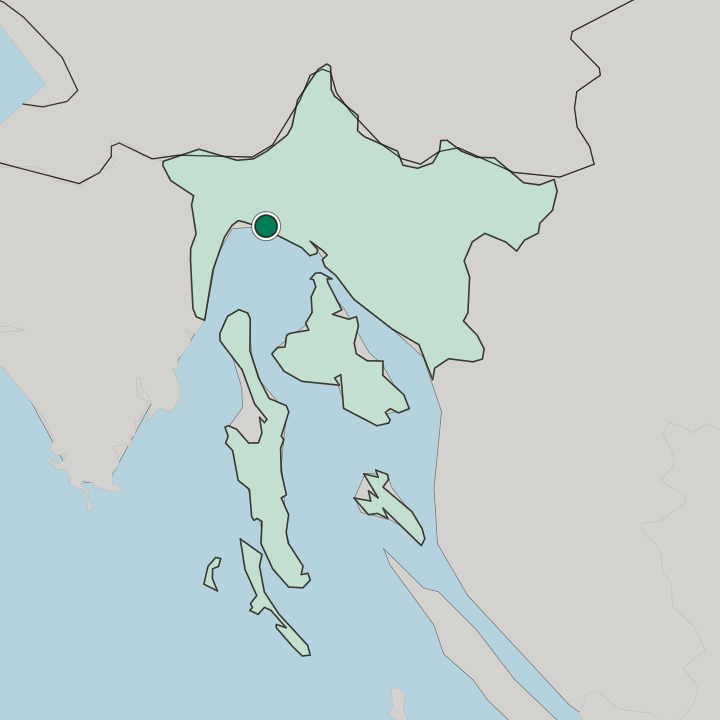
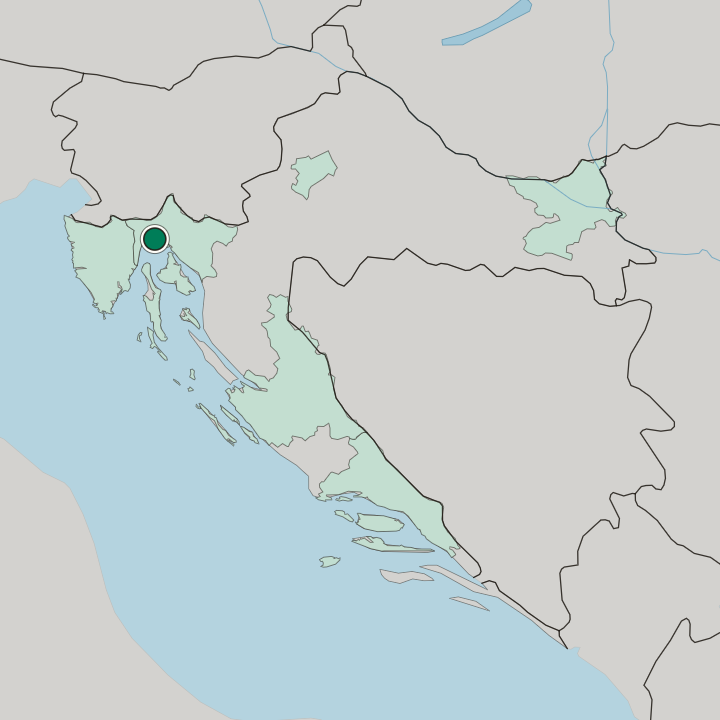
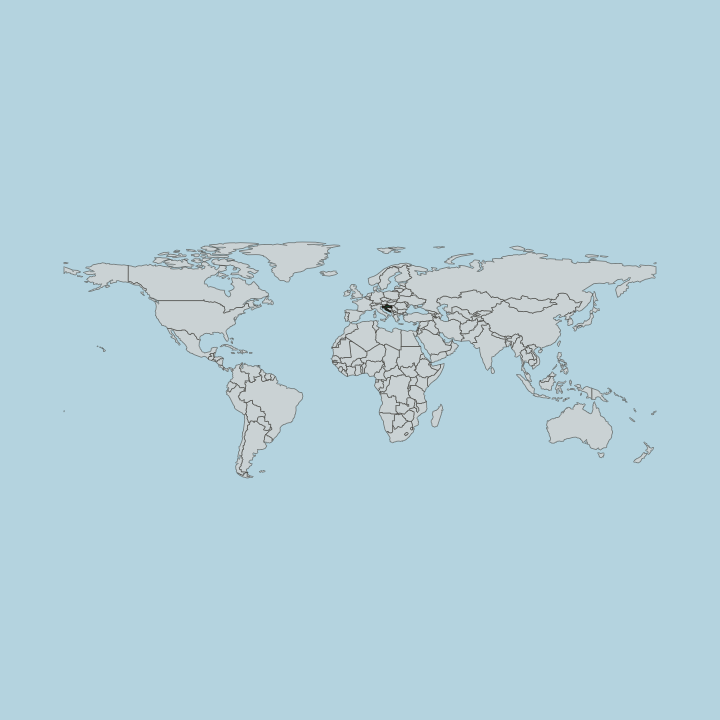
Kvarner Bay holds the city. Rijeka sits on the shore of that inlet of the Adriatic Sea within Primorje-Gorski Kotar County, on a coastal strip narrow enough that the built-up area stays tight against the water. Trsat Castle stands back from the quays.
The county pairs the coast with the Gorski Kotar interior, so the ground behind Rijeka is a wholly different landscape from the harbour in front of it.
What is the climate of Rijeka?
The Adriatic Sea moderates everything. Rijeka lies in the temperate band on a sheltered bay, so its winters stay milder than those of the interior of Primorje-Gorski Kotar County, where the ground behind the coast rises into Gorski Kotar and holds the cold far longer. Sea air reaches most streets.
Summer warmth off the water of Kvarner Bay carries well into the evening.
How do you get to Rijeka?
Ships come first here. Rijeka is the principal seaport of Croatia, so arrival by water counts as ordinary rather than exceptional, and the quays of Kvarner Bay open more or less directly onto the streets. Overland routes come from the interior.
Anyone crossing Primorje-Gorski Kotar County from Gorski Kotar meets the Adriatic Sea at Rijeka, with Trsat Castle beside the final stretch of the approach.
Common questions
What is the best area to stay in Rijeka?
Trsat: Guests basing themselves at Trsat Castle rather than at the quays. The cathedral blocks: Walkers who want Rijeka Cathedral and Saint Nicholas Church at the door. The port side: Arrivals off the Adriatic Sea who want the quays of Kvarner Bay underfoot.
Good for
Updated October 2026