Indonesia · Provinsi Sulawesi Selatan
Where to Stay in Makassar, Provinsi Sulawesi Selatan
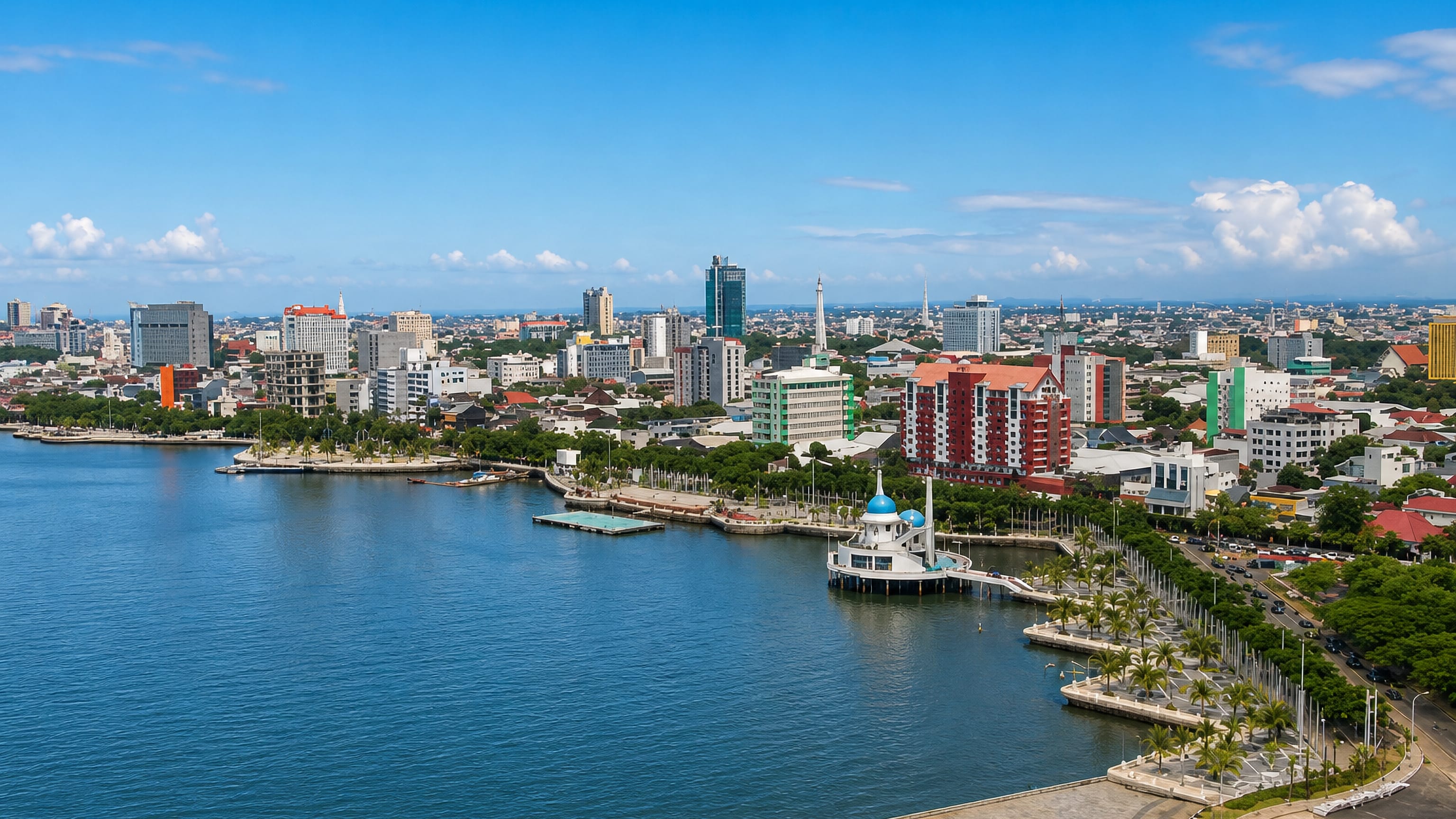
Makassar is the capital of South Sulawesi, a port city on the Makassar Strait that has worked the island's southwest coast since 1607.
Hotel links are affiliate links: booking through them may earn us a commission, at no extra cost to you. It never affects how places are ranked. How this works


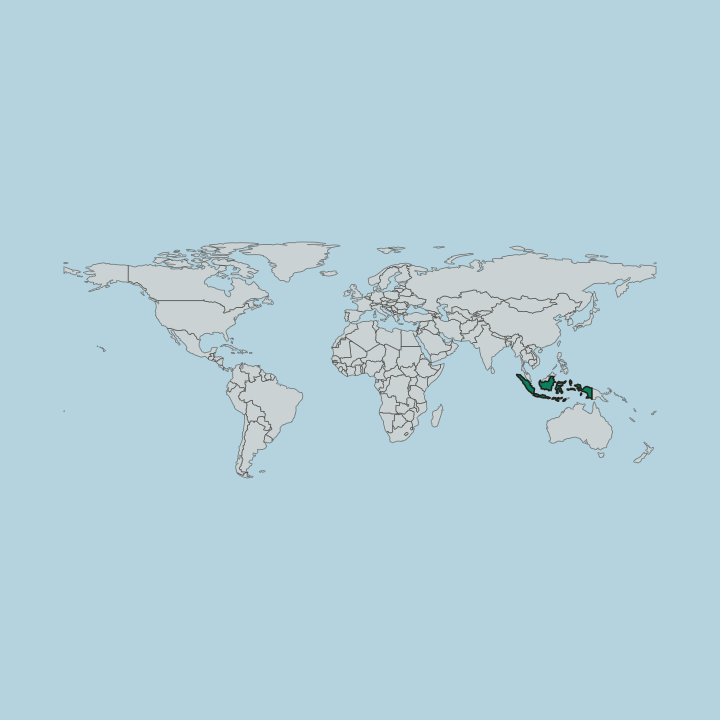
Where to stay in Makassar
Where the beds are, and what that means for the visit.
Fort Rotterdam and the shoreline set the two obvious bases, and the gap between them is small enough that a stay in either still reaches most of what visitors come to Makassar for. The waterfront wins on evenings. Hotels facing the Makassar Strait give an outlook over the shipping channel and put the harbour, La Galigo Museum, and the old fort within a short walk.
Distances are walkable near the water. Inland blocks are quieter and better placed for business, with the provincial offices of South Sulawesi and Trans Studio Makassar in easy reach of each other. Both sides fill the same nights.
Makassar earns its keep from work, not visitors. Its rooms are taken by traders, provincial officials, and families passing through on their way to somewhere else in South Sulawesi, which keeps the supply steady but rarely leaves it slack. Weekends are the exception, and holidays more so.
Trans Studio Makassar and the shoreline fill up when the region comes into town, and beds near either can go early in school holidays. Anyone who wants quiet does better a few streets back from the shore than on the waterfront itself, where evenings stay busy.
Find hotels in Makassar
Direct booking searches for these neighbourhoods.
Makassar Strait waterfront
Rooms facing the Makassar Strait, minutes from Fort Rotterdam and the shipping channel it guards.Find hotels in Makassar Strait waterfrontmuseum days done entirely on footFort Rotterdam quarter
Walking distance of Fort Rotterdam, La Galigo Museum, and Makassar Museum without needing a taxi.Find hotels in Fort Rotterdam quarterprovincial business and family tripsInland business blocks
Quieter streets near the South Sulawesi provincial offices, with Trans Studio Makassar an easy drive out.Find hotels in Inland business blocksHotel links are affiliate links: booking through them may earn us a commission, at no extra cost to you. It never affects how places are ranked. How this works
Things to do in Makassar
Ranked by global recognition; descriptions from Wikidata (CC0).
Museums & Galleries
3- Fort Rotterdam
- La Galigo Museum
- Makassar Museum
Churches & Religious Sites
2- Sacred Heart Cathedral
- Makassar Immanuel Church
Stadiums & Sports
1- GOR Mattoanging
Parks & Gardens
1- Trans Studio Makassar
Landmarks & Notable Places
2- Rumah Sarang Semut
- Rumah Tahanan Militer
worth knowingacross 5 categories in Makassar
About Makassar
What is Makassar known for?
Makassar handles the trade of a whole island, and the harbour that faces the Makassar Strait has been the working centre of that traffic since the seventeenth century. Fort Rotterdam holds the old ground. The city's museum list runs to La Galigo Museum and Makassar Museum, while Sacred Heart Cathedral and Makassar Immanuel Church mark a port that took in more than cargo.
Trans Studio Makassar answers a different appetite. No city on Sulawesi is larger.
What are the main landmarks in Makassar?
Fort Rotterdam is the first stop for most. Its walls give the city a fixed historical point, and La Galigo Museum together with UPT Museum dan Taman Budaya Sulawesi Selatan (La Galigo) covers the material culture of South Sulawesi in detail. Churches add another line.
Sacred Heart Cathedral and Makassar Immanuel Church stand among the city's marked buildings, while Trans Studio Makassar and GOR Mattoanging serve an entirely different afternoon.
What is the history of Makassar?
The city dates itself to 1607. Everything after that year turns on the harbour: a trading port on the Makassar Strait that drew ships from across the archipelago and, in time, the fortifications and garrisons that a working port of this size attracts. Fort Rotterdam survives from that world.
The name changed for a period as well, and Indonesian records from those decades carry the city as Ujung Pandang before Makassar was restored. The municipality signs itself Kota Makassar. Sacred Heart Cathedral and Makassar Immanuel Church belong to the same outward-facing centuries.
Museums carry the rest of the record. La Galigo Museum and Makassar Museum keep the city's own collections, UPT Museum dan Taman Budaya Sulawesi Selatan (La Galigo) works at provincial scale, and Museum Mandala Pembebasan Irian Barat and Jenderal M Jusuf Museum sit alongside them. Two named houses are marked as well, Rumah Sarang Semut and Rumah Tahanan Militer, and GOR Mattoanging stands among the civic buildings the city has kept.
The port never stopped working. Trade through the Makassar Strait outlasted every change of name and administration, and it is still the reason the city ranks with Jakarta, Surabaya, Medan, and Bandung rather than with its provincial neighbours.
Where is Makassar?
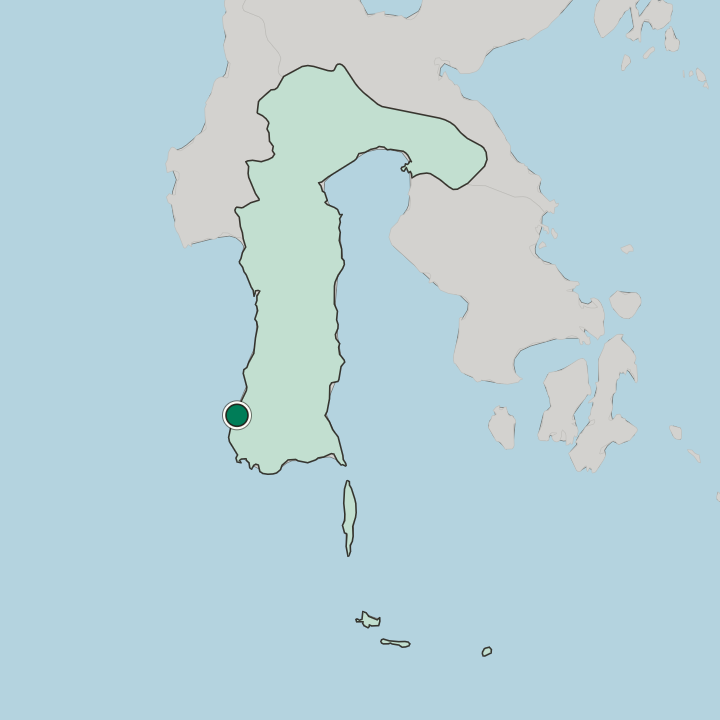
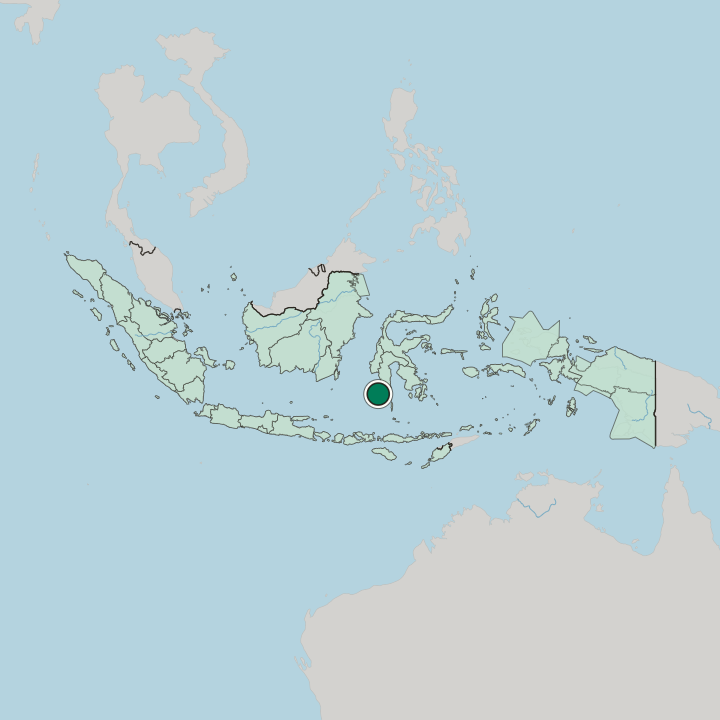
Makassar stands on the southwest coast of Sulawesi, facing the Makassar Strait, with open water on one side and the rest of South Sulawesi behind it. The strait is a working channel. Sea traffic through it is what set the city facing outward rather than inland.
Beyond the built ground, South Sulawesi opens out into the country the port has always drawn its cargo from, and the province's other towns look to Makassar for their outlet to the sea.
What is the climate of Makassar?
Air off the Makassar Strait keeps the city warm and damp in every month of the year, and the calendar here divides into wetter and drier rather than into hot and cold. What shifts here is the rain. Sea breezes reach the waterfront before they reach anywhere else in Makassar, so the shore is the comfortable side of a hot afternoon.
The strait keeps nights mild.
How do you get to Makassar?
Most arrivals come by air or by sea. The harbour on the Makassar Strait takes the shipping that ties South Sulawesi to the rest of the archipelago, and the crossings that leave from it are the old way into the city. Roads run inland from the waterfront.
They carry the traffic between Makassar and the towns of South Sulawesi, and the same routes feed the cargo that leaves through the harbour.
Common questions
What is the best area to stay in Makassar?
Makassar Strait waterfront: sea outlook and evenings by the harbour. Fort Rotterdam quarter: museum days done entirely on foot. Inland business blocks: provincial business and family trips.
Good for
Updated October 2026