Iran · Kermanshah Province
Where to Stay in Eslāmābād-e Gharb, Kermanshah Province
Eslāmābād-e Gharb, once Shahabad-e Gharb, is the second largest city of Kermanshah province and is known for its oak trees.
Find your area →


Where to stay in Eslāmābād-e Gharb
Where visitors usually base themselves, and why.
Rooms concentrate in the centre. Eslāmābād-e Gharb runs both its county and its Central District from the same streets, so the practical stay is the compact middle of the city, where the administrative business and the through traffic overlap. The oaks start beyond the edge.
Travellers who came for the trees rather than for paperwork still do better sleeping in town, since the surrounding country is not where beds are found. Heritage here is a list of registered sites. The names are Persian, محوطه سراب شرفآباد ۱, تپه سراب شرفآباد ۲, and تپه جنگاه among them, and seeing more than one of them in a day takes a car.
Beds stay in the city. Eslāmābād-e Gharb County is run from the same town, so a visitor booking for تپه جغا بافت or تپه حومهای plans the driving around a city room rather than the other way round. Kermanshah province holds the larger hotels. Anyone who wants choice rather than proximity trades the early start for a longer approach, which is a fair swap only if the sites are not the point of the trip.
About Eslāmābād-e Gharb
Oaks make the name here.
What is Eslāmābād-e Gharb known for?
Eslāmābād-e Gharb is known for its oak trees, and those trees are the trait the record singles out about the second largest city in Kermanshah province. It heads its own county. The Central District and Eslāmābād-e Gharb County are both administered from the city, which carried a different name, Shahabad-e Gharb, before the 1979 Iranian Revolution.
What are the main landmarks in Eslāmābād-e Gharb?
The record here is archaeological. Sites registered under Persian names, تپه سراب شرفآباد ۳, تپه سراب شرفآباد ۲, and محوطه سراب شرفآباد ۱ among them, repeat one place name across three separate entries, while تپه غرب نیروگاه, تپه جنگاه, تپه حومهای, and تپه جغا بافت stand on their own in the county's inventory. Oak trees supply the other landmark.
Visitors expecting a single central set piece find instead a scatter of registered ground, and the trees the city is known for shape the surroundings more than any one structure does.
What is the history of Eslāmābād-e Gharb?
The city has carried two names. Prior to the 1979 Iranian Revolution the place was called Shahabad-e Gharb, and the change to Eslāmābād-e Gharb replaced the first element of the compound while leaving Gharb where it stood. The seat did not move.
Administration continued from the same streets, with the Central District and Eslāmābād-e Gharb County still directed from the city, and the earlier form survives on maps and in records printed before the change. Beneath both names lies older ground. The registered sites of the county, تپه جنگاه and تپه جغا بافت among them, together with the سراب شرفآباد group listed in three parts, record use of this land long before either modern name existed.
The county's inventory runs to seven registered sites, and the سراب شرفآباد entries account for three of them on their own. Oaks carry the rest. Eslāmābād-e Gharb grew into the second largest city of Kermanshah province with that woodland as its steadiest association, and the trees are still the first thing said about the place in Iran's reference works, ahead of its county seat status or its size within Kermanshah province.
Where is Eslāmābād-e Gharb?
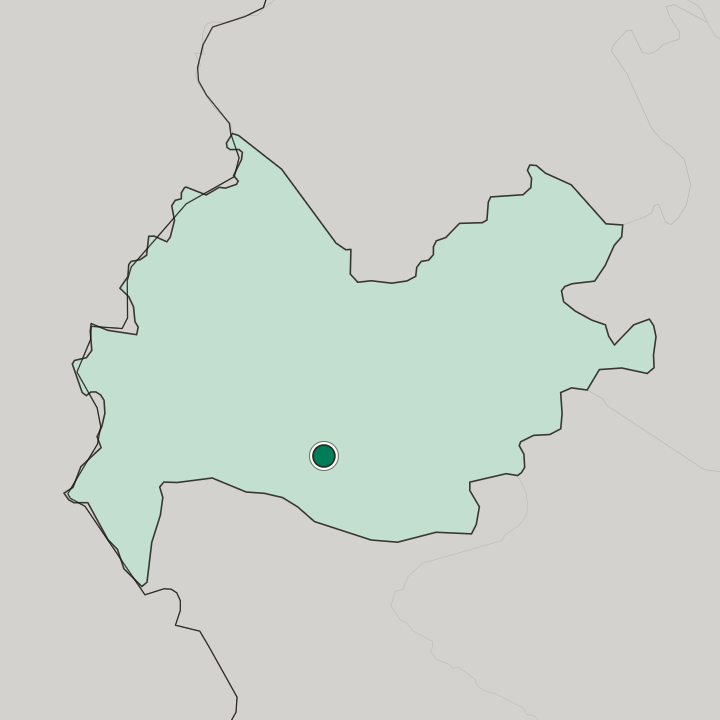
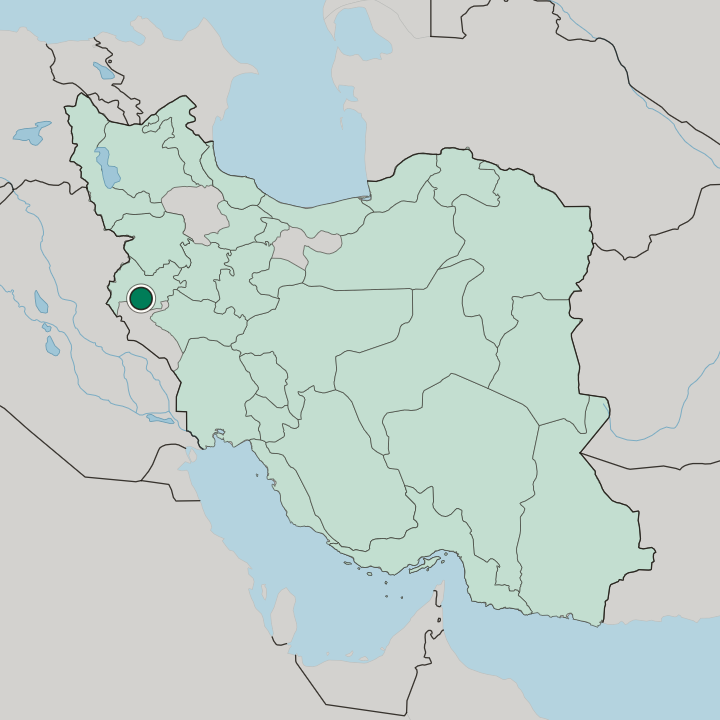
Kermanshah province surrounds the city. Eslāmābād-e Gharb heads Eslāmābād-e Gharb County from within its Central District, and oak trees are the feature the record attaches to the ground around the built-up area. The subtropical band reaches here.
That places the city in the warmer part of Iran, where summer heat orders the working day and where the oak country the city is known for begins once the built-up streets give out.
What is the climate of Eslāmābād-e Gharb?
Seasons here run to two. The subtropical band crossing Kermanshah province gives Eslāmābād-e Gharb a long warm half and a shorter cool one, and the oaks the city is known for stand through both. Pack for the swing.
A visitor arriving between the extremes finds the walking easiest, since the middle of a warm day asks more of anyone crossing town on foot than the same walk does in the cool months.
How do you get to Eslāmābād-e Gharb?
Kermanshah's roads bring in everything. Eslāmābād-e Gharb stands on the overland routes through Kermanshah province, and as the seat of both Eslāmābād-e Gharb County and its Central District it is the point local traffic aims for rather than skirts. The city makes a natural stop.
Drivers heading out to تپه جنگاه or محوطه سراب شرفآباد ۱ set off from here, since the town holds the county's services and the rooms that go with them.
Another city in Kermanshah Province
Updated September 2026