Iran · Qom Province
Where to Stay in Qom, Qom Province
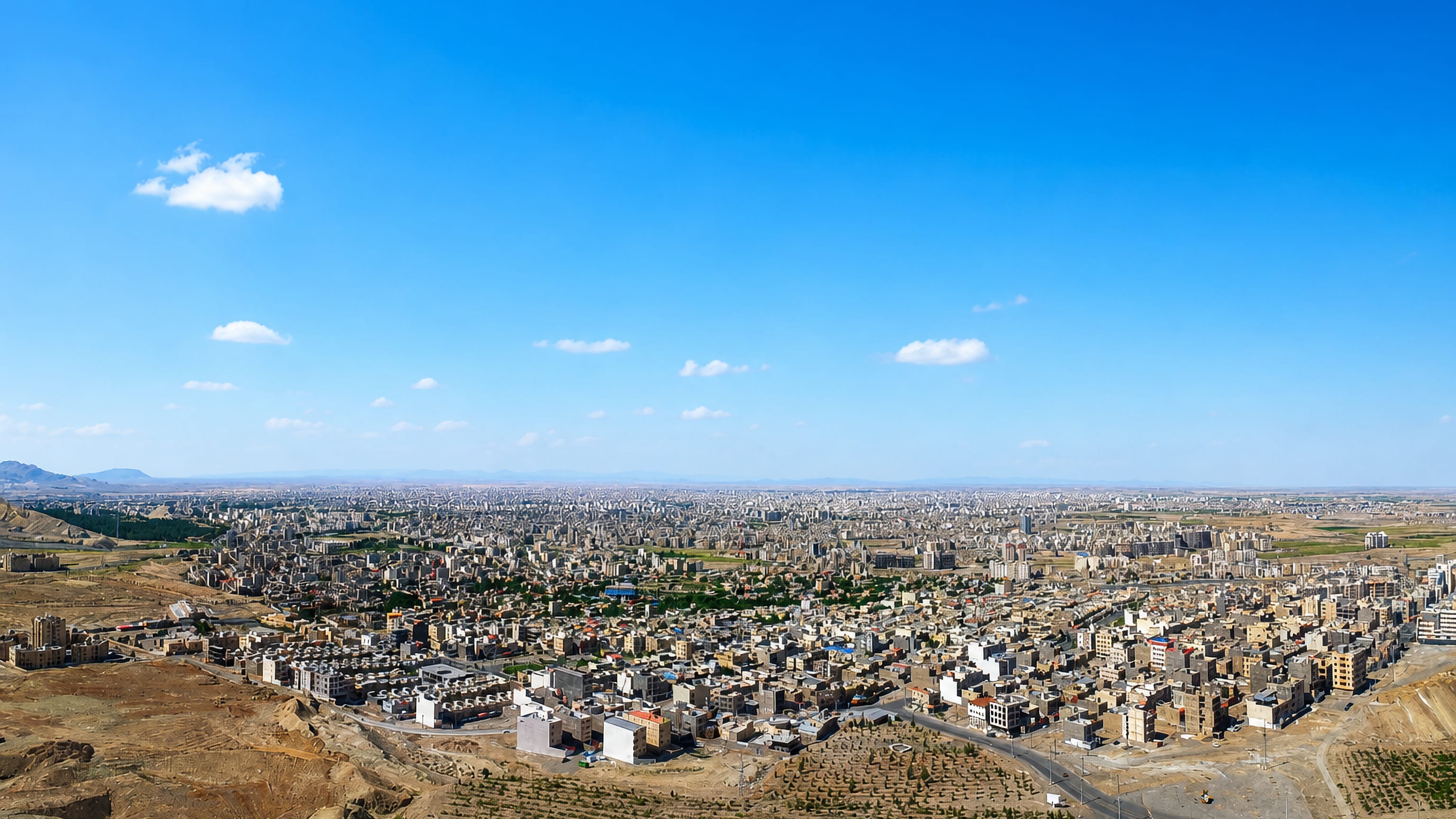
Domed shrines mark the skyline of Qom, a city on the central Iranian plateau and capital of Qom Province, known for its imamzadeh mausoleums.
Find your area →


Where to stay in Qom
One neighbourhood here has its own guide — here's what it is best for.

 QomIran
Jamkarān
Jamkarān is a neighbourhood of Qom in Iran, and the Jamkaran Mosque that carries its name is the reason the place is known.Where to stay →Things to do in Qom
Ranked by global recognition; descriptions from Wikidata (CC0).
Churches & Religious Sites
1- Jamkaran Mosque
Castles & Historic Sites
5- Imamzadeh Ali ibn Jafar (Qom) Heritage
- Khomeini House (Qom) Heritage
- Imamzadeh Ahmad bin Muhammad Hanafieh Heritage
- Imamzadeh Ibrahim (Shahid Rouhani Boulevard, Qom) Heritage
- Tavakkoli House (Qom) Heritage
worth knowingacross 2 categories in Qom
About Qom
Qom is known as a city of shrines.
What is Qom known for?
Its old quarters gather around a dense cluster of imamzadeh mausoleums, and the Imamzadeh Ali ibn Jafar and the Imamzadeh Ahmad bin Muhammad Hanafieh draw pilgrims through the year to the plateau. Founded in the early ninth century, the city grew as a seat of learning. The Khomeini House and the Tavakkoli House survive from its later merchant and scholarly life.
Two houses, one memory.
What are the main landmarks in Qom?
Qom holds a dense cluster of imamzadeh shrines at its heart. The Imamzadeh Ali ibn Jafar and the Imamzadeh Ibrahim draw the pilgrim streets around them, while the Imamzadeh Ahmad bin Muhammad Hanafieh marks a further mausoleum in the old quarters. Two restored courtyard houses survive from the domestic town.
The Khomeini House and the Tavakkoli House keep the memory of scholars and merchants on the plateau.
What is the history of Qom?
Qom was founded in the early ninth century, taking shape as a settlement on the central Iranian plateau in the year 805. The town grew around a cluster of imamzadeh shrines, mausoleums that made it a place of pilgrimage and, in time, a seat of religious learning. Pilgrims came for the shrines.
The Imamzadeh Ali ibn Jafar and the Imamzadeh Ahmad bin Muhammad Hanafieh anchored the old quarters, and the streets around them filled with the trades that served a shrine city on the trade routes crossing the plateau. The scholarly life left its own marks on the domestic town. Restored courtyard houses such as the Tavakkoli House and the Khomeini House preserve the architecture of the merchant and learned families of Qom, their rooms set around shaded inner yards against the dry heat.
Later shrines like the Imamzadeh Ibrahim added to the dense religious geography of the centre. Century by century the city held its role on the plateau. Its founding date still frames that long story.
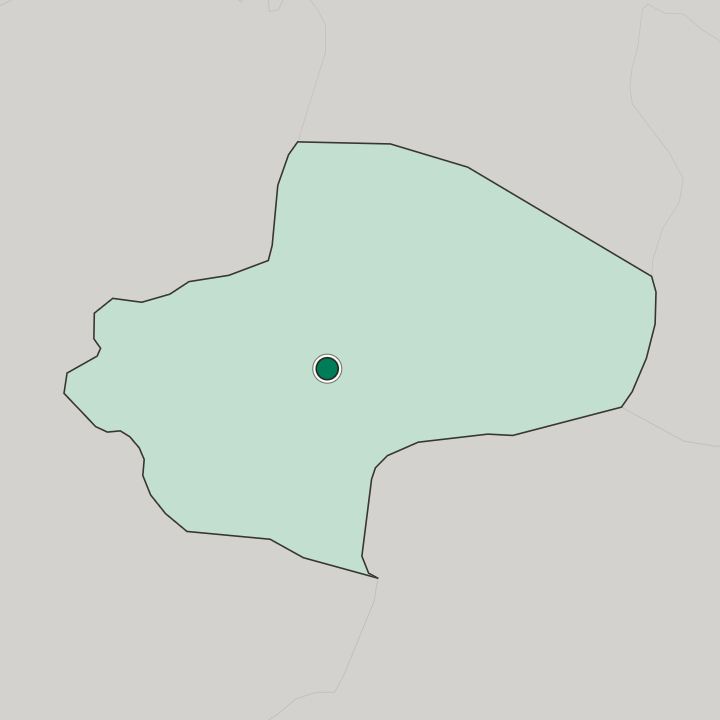
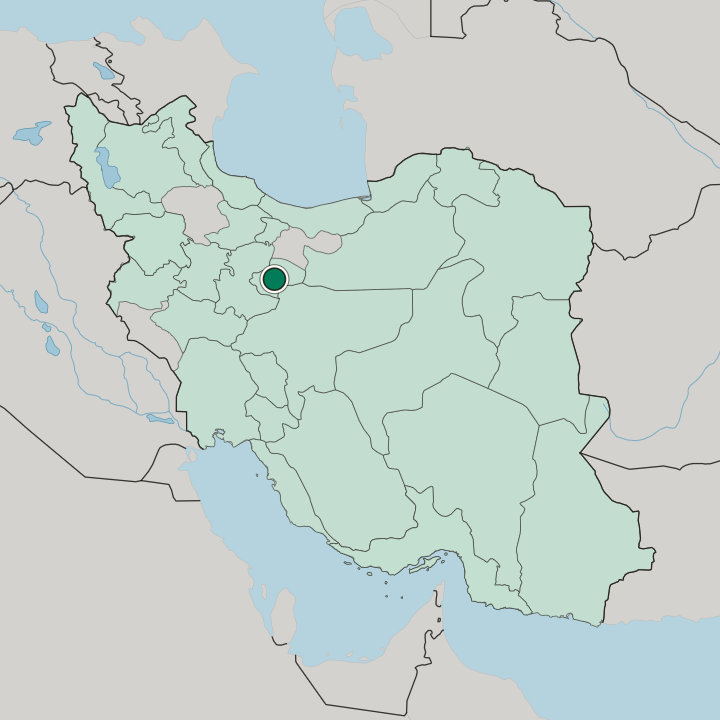
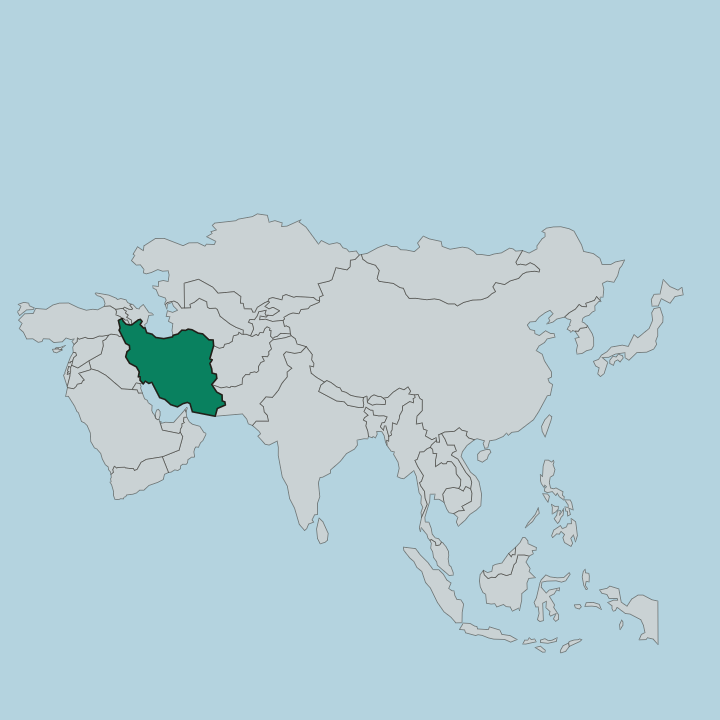
Where is Qom?
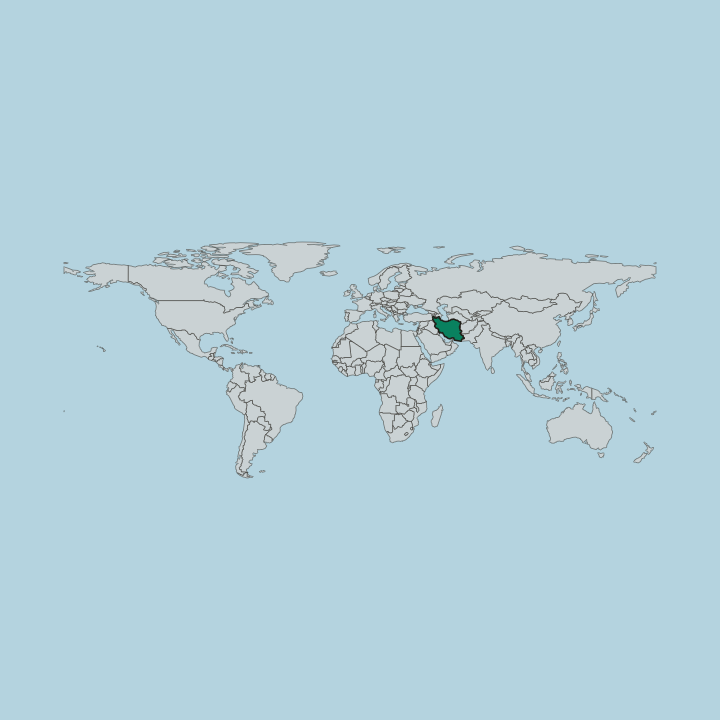
Qom sits on the flat, dry ground of the central Iranian plateau, at the edge of the arid interior where the routes converge north of the great salt deserts. It is the capital of Qom Province. The land around the city is low and open, watered by a seasonal river that crosses it before the desert.
Little breaks the horizon.
What is the climate of Qom?
Qom has a hot desert climate set by its place on the arid central Iranian plateau. Summers run long and very hot. Winters turn cold at night, with little rain falling across the year over the open ground of the interior.
Spring is brief and mild, the short window when the plateau greens before the heat returns to the plain around the city.
How do you get to Qom?
Qom sits on the main routes crossing the central Iranian plateau, a road and rail junction between the plateau cities. The rail lines pull in at Qom. The high-speed and conventional rail lines pass through Qom Province, linking the shrine city to the wider network of the interior.
Buses run to the larger cities from the central terminal. Its flat setting keeps the approaches open.
Good for
Updated October 2026