Iran
Qom Province, Iran — Towns & Travel Guide
Qom Province is Iran's holiest Shia heartland, where the shrine of Fatima Masumeh and the country's largest seminary draw pilgrims to the desert's edge.
Find your area →


Towns & cities in Qom Province
One town here has its own guide — it links to where to stay.
 Iran
Iran
Qom
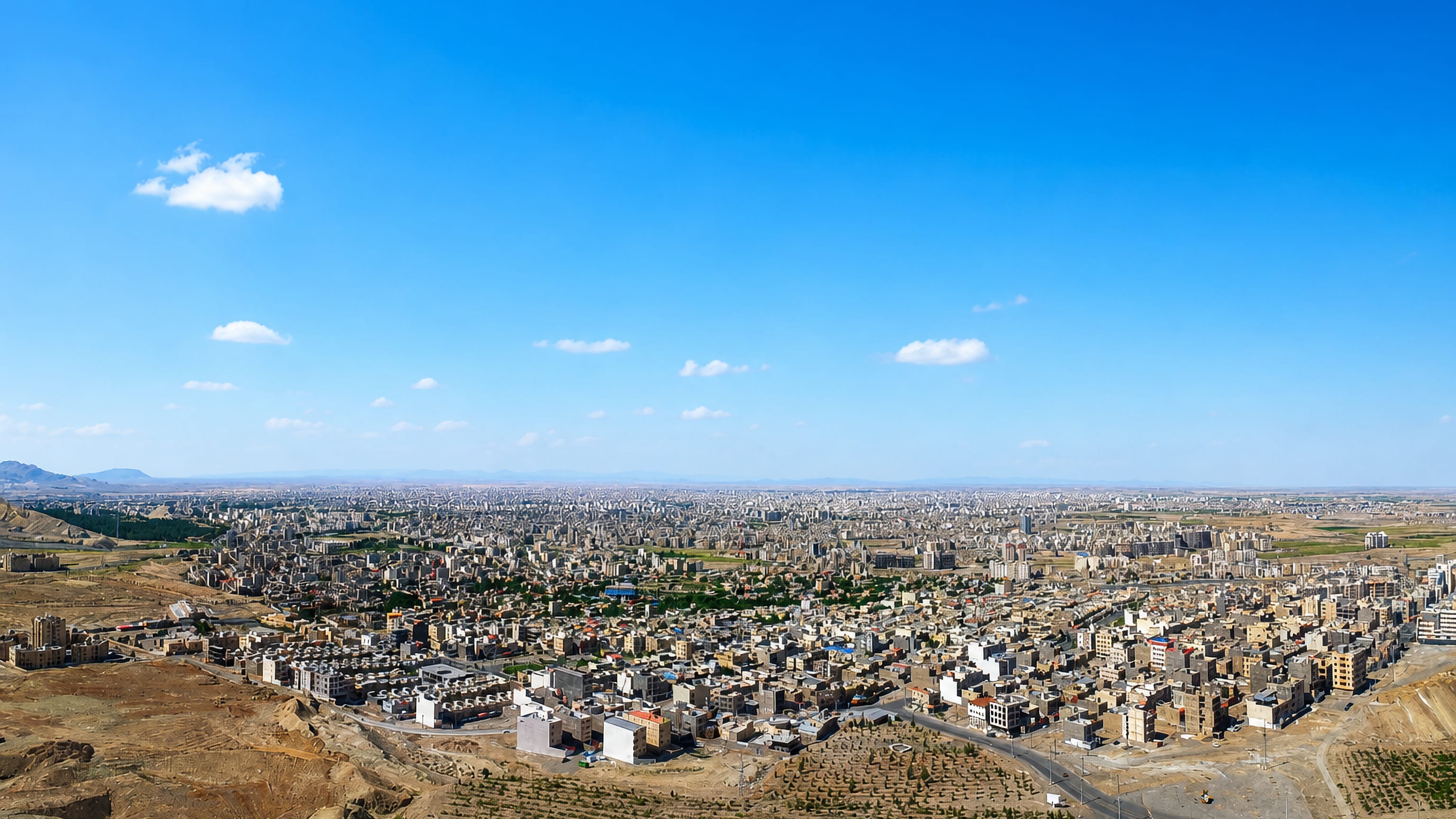
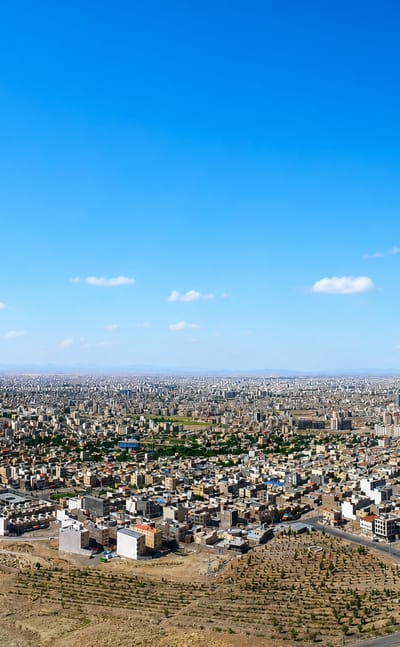
Domed shrines mark the skyline of Qom, a city on the central Iranian plateau and capital of Qom Province, known for its imamzadeh mausoleums.Where to stay →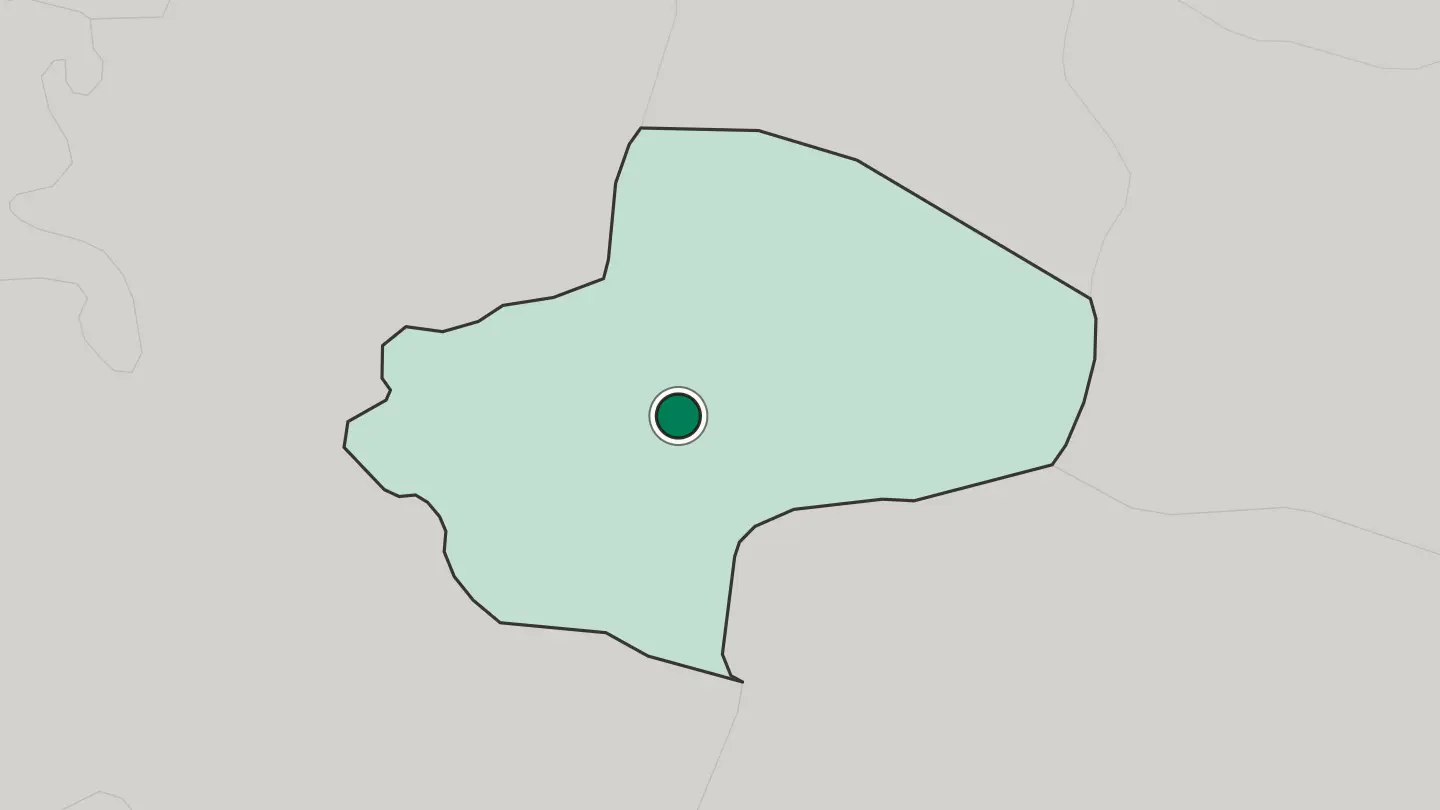
About Qom Province
What is Qom Province known for?
Qom Province is defined by the shrine of Fatima Masumeh, the domed sanctuary at the centre of Qom that ranks among the holiest sites in Shia Islam. Pilgrims come by the million. Around it grew the Qom Hawza, the largest Shia seminary in the world, whose thousands of clerics and students give the province its scholarly weight.
A short drive out of the city stands the Jamkaran Mosque, tied in Twelver belief to the hidden twelfth Imam. Faith is the draw. Everything the province is known for radiates from that.
Where is Qom Province?
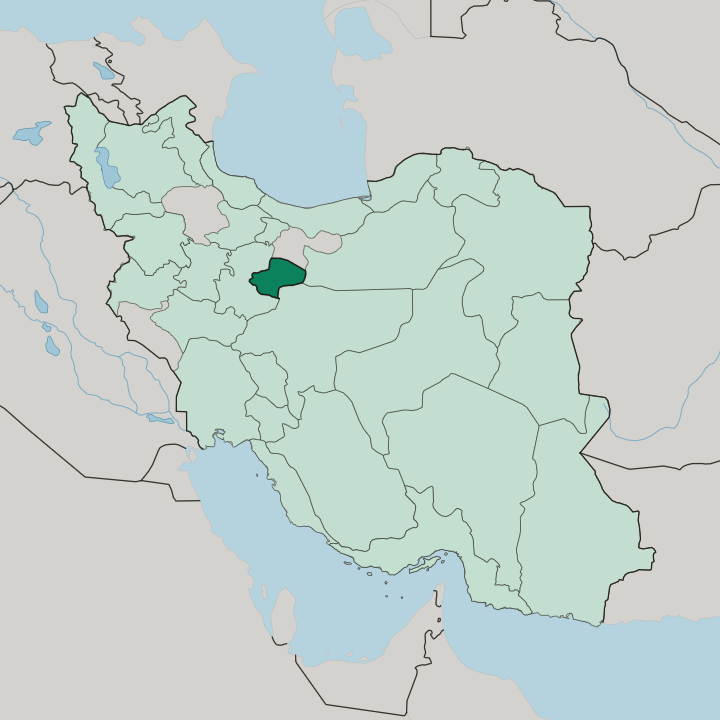
Qom Province sits in central Iran, a wedge of desert and low mountains south of Tehran. Four provinces ring it. Tehran Province lies along the north, Markazi Province to the west, Semnan Province across the eastern deserts, and Isfahan Province to the south. The land tilts down from hills in the south toward the salt flats of the interior, and much of the province lies on the arid northern edge of the Dasht-e Kavir, Iran's great central salt desert.
Little of it can be farmed. Water is the shortage that shapes everything. The Qom River, born in the Zagros Mountains far to the west, threads past the shrine through the capital and then loses itself in the salt of Namak Lake, its flow swinging from spring flood to a summer trickle.
Two salt lakes bracket the capital. Howz-e Soltan spreads its pale crust north of Qom, beside the road to Tehran, while a corner of the far larger Namak Lake reaches into the province from the east. The city of Qom itself stands on a low plain where the river cuts through, and the small towns of the south, near Kahak, climb into greener foothills.
Everything else is desert.
What is Qom Province like?
Qom is a clerical city, and the province takes its character from the seminary. Black turbans and robes fill the streets. The Qom Hawza gathers tens of thousands of Shia scholars and students from dozens of countries, and the rhythms of study, prayer, and pilgrimage set the tone far more than commerce or nightlife ever could.
Its graduates carry that learning to Shia communities across the region. Life here is deliberately pious and conservative, shaped to keep the environment fitting for the shrine of Fatima Masumeh. Persian is the everyday language, though the seminary's Arabic scholarship runs beneath it.
Faith also sets the calendar. Pilgrims flood the sanctuary on holy days, and on Wednesday nights crowds stream out to the Jamkaran Mosque to leave written prayers, a devotion tied to the awaited twelfth Imam. The bazaar beside the shrine trades in prayer stones, rosaries, and religious books.
Women cover fully, and the pace stays quiet and unhurried. It is also where visitors buy sohan, the saffron-and-pistachio brittle that is the province's most famous edible souvenir, sold in gold tins to carry home. Sweet and devout at once, Qom wears both easily.
What is the history of Qom Province?
Qom's story begins with a grave. When Fatima Masumeh, sister of the eighth Shia Imam, died here around the year 816 on the road toward Khorasan, her tomb drew scholars and pilgrims, and the town grew into a centre of Shia learning that peaked in the tenth century. The Mongols sacked it in 1224.
It recovered under the Safavids, who rebuilt the shrine, and the golden dome was raised in the reign of Fath-Ali Shah. The seminary was refounded in 1922. Qom Province itself was split from Tehran Province only in 1995.
What is the climate of Qom Province?
Qom Province bakes. Its climate is hot desert, dry and nearly rainless, because the province lies inland against the salt of the Dasht-e Kavir and far from any moderating sea. Summers are long, fierce, and cloudless, with heat shimmering off the flats around Howz-e Soltan.
Winters turn cold and short, sometimes frosty at night. The southern uplands near Kahak break the pattern, holding a milder, semi-arid climate with four proper seasons where the desert gives way to hills.
How do you get to Qom Province?
Nearly all travellers reach Qom overland from Tehran. The freeway south from the capital covers the run in about two hours, passing Imam Khomeini International Airport, which sits along that same road and handles most arrivals from abroad. The railway carries its share as well.
Qom is a busy junction on the main line running south from Tehran toward Isfahan and Kashan, served by both fast and slower services, with intercity trains stopping at Qom-Mohammadieh station east of the city. Beyond the capital corridor, the province has no airport of its own.
Good for
More regions in Iran
Updated September 2026