Iran · Sistan and Baluchestan Province
Where to Stay in Sarāvān, Sistan and Baluchestan Province
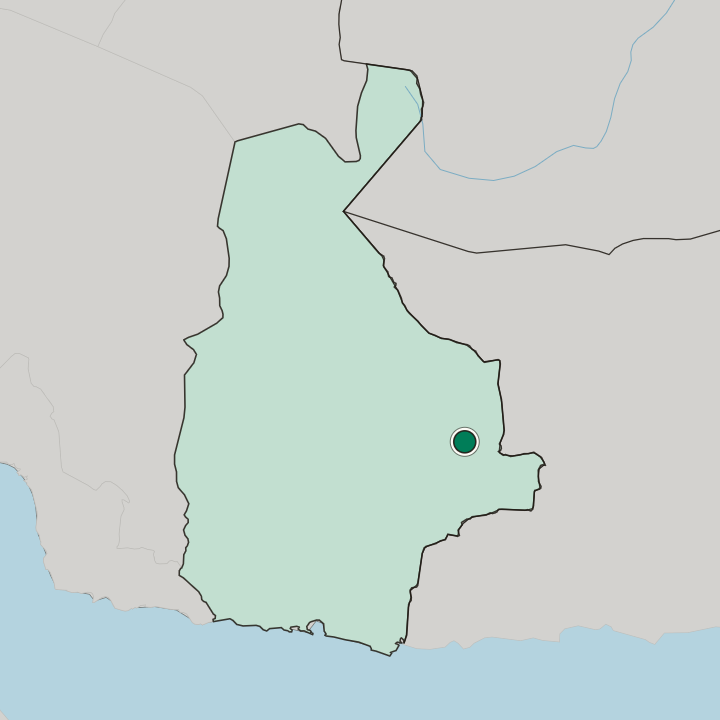
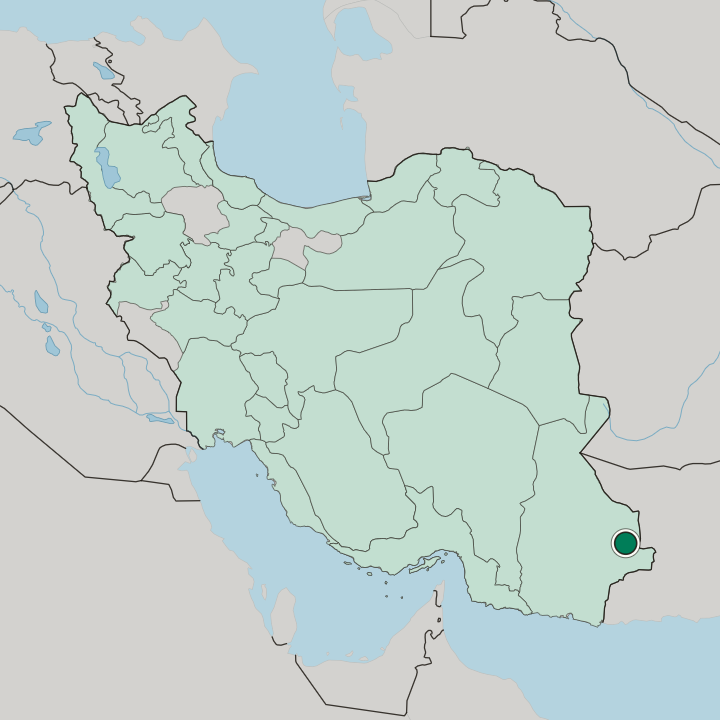
Sarāvān lies in a long valley of Sistan and Baluchestan province, Iran, seat of Saravan County close to the border with Pakistan.
Find your area →


Where to stay in Sarāvān
Where the beds are, and what that means for the visit.
Old Saravan Castle is the fixed point a stay in Sarāvān can be arranged around. Beds near it put the city's best-known structure and the listed buildings recorded as دبستان دهخدا and ساختمان بهداری سراوان within an easy walk, which suits a traveller who has come for the heritage rather than for the road. The valley does the rest.
Views run the length of the ground between Masheked and Makran from almost anywhere in the city, so no quarter has a monopoly on the setting that gives Sarāvān its shape. Administration pulls the other way. A room among the offices of the Central District serves anyone with business in Saravan County, an early bus, or a long drive across Sistan and Baluchestan province still ahead, and it will usually be the easier booking of the two.
Reserve rather than arrive hopeful. Rooms in a county seat this far out are counted in dozens, not hundreds, and a visit that coincides with county business can absorb them before evening. The outlying sites need a vehicle. تپه مهرگان and محوطه سنگی یا احمدآباد lie beyond the streets, so if the archaeology is the reason for the journey then parking, an early start, and a driver who knows the tracks matter more than the view from the window.
Things to do in Sarāvān
Ranked by global recognition; descriptions from Wikidata (CC0).
Castles & Historic Sites
5- دبستان دهخدا Heritage
- Old Saravan Castle Heritage
- دبستان کورش کبیر سراوان Heritage
- محوطه تنکان Heritage
- محوطه سنگی یا احمدآباد Heritage
Landmarks & Notable Places
1- ساختمان بهداری سراوان Heritage
worth knowingacross 2 categories in Sarāvān
About Sarāvān
A valley, a castle, and a frontier.
What is Sarāvān known for?
Sarāvān is known first for its setting in a long valley in the south of Masheked and north of Makran, then for Old Saravan Castle, and then for the run of listed ground around it that includes تپه سیاهدک and محوطه تنکان. The county leans on it. As the seat of Saravan County and of the Central District, the city gathers the business of a wide stretch of Sistan and Baluchestan province that ends at the boundary with Pakistan.
What are the main landmarks in Sarāvān?
Old Saravan Castle heads a longer list than most towns of this size can show, and the entries behind it run from the mound at تپه سیاهدک to the enclosure at محوطه تنکان and the stone ground of محوطه سنگی یا احمدآباد. Buildings are listed too. دبستان کورش کبیر سراوان, دبستان دهخدا, and ساختمان بهداری سراوان all appear in the register, which is unusual for a city out on the edge of Sistan and Baluchestan province. تپه مهرگان completes it. Half a day covers the built entries, and the rest of the time belongs to the country around Sarāvān.
What is the history of Sarāvān?
Dates are the missing part. What Sarāvān has instead of a founding year is ground that was clearly worked long before any county existed, with تپه سیاهدک and تپه مهرگان standing as mounds in the country around and محوطه تنکان listed beside them as an occupied site. The valley invited that.
A corridor running through the south of Masheked and north of Makran carries traffic by its nature, and settlements grow where such a corridor is watched. Old Saravan Castle is the built expression of the same logic. A fortification placed on this valley speaks to a route worth holding, and the fact that the castle is recorded as the old one implies the city outgrew it rather than abandoned the site.
Later buildings joined the register. ساختمان بهداری سراوان and the schools listed as دبستان کورش کبیر سراوان and دبستان دهخدا belong to a period when the state was building institutions in the far reaches of Sistan and Baluchestan province, and their survival on the heritage list marks that phase clearly. The county form came last of all. Sarāvān now holds the seat of Saravan County and of its Central District, an arrangement that puts modern administration on ground whose earlier layers are still visible at محوطه سنگی یا احمدآباد.
Where is Sarāvān?
The valley is the whole geography. Sarāvān occupies a long trough of ground in the south of Masheked and north of Makran, with the frontier of Pakistan not far beyond and the Central District of Saravan County filling the country on either side. Height frames the city.
Beyond the cultivated floor the ground rises away, and the sites listed as تپه سیاهدک and تپه مهرگان sit out on that broken country rather than on the flat where Sistan and Baluchestan province put its roads.
What is the climate of Sarāvān?
The valley moderates what the subtropical band delivers, holding the nights of Sarāvān cooler than the bare position between Masheked and Makran would suggest, while the days in the warm season still ask for shade and water. Mornings are the good hours. Anyone walking to Old Saravan Castle or out to محوطه تنکان in summer should be finished before noon.
Winter is the traveller's season here.
How do you get to Sarāvān?
The valley road is the way in. Traffic follows the trough that runs through the south of Masheked and north of Makran, and because Sarāvān holds the seat of Saravan County and of the Central District, that road ends at the city rather than skirting it. Distances are long out here.
Journeys across Sistan and Baluchestan province are measured in half-days, and the crossing towards Pakistan lies beyond the county's own network.
More cities in Sistan and Baluchestan Province
Updated September 2026