Iran
Sistan and Baluchestan Province, Iran — Towns & Travel Guide
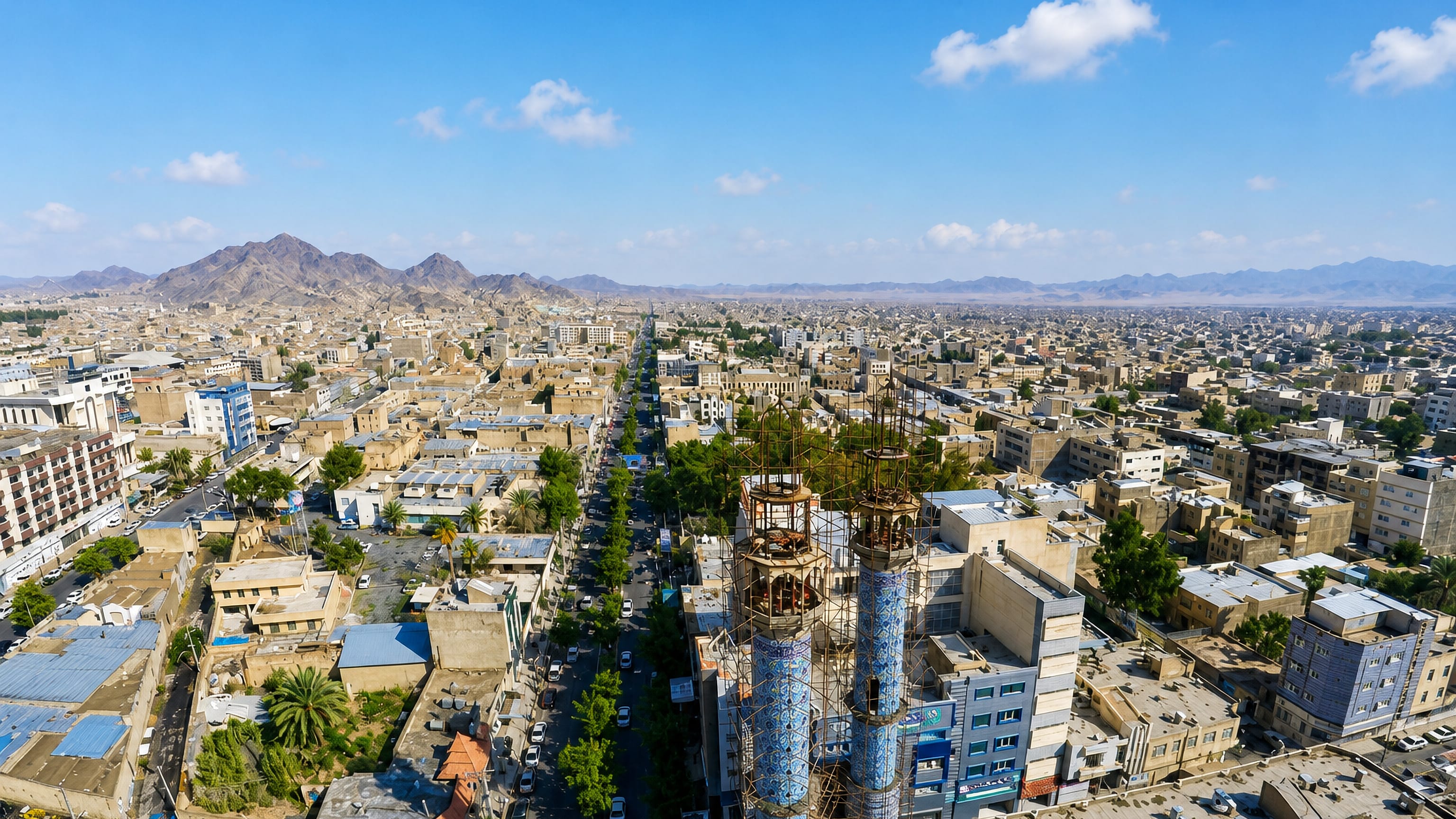
Sistan and Baluchestan is Iran's southeastern corner, a desert-and-mountain province on the Gulf of Oman, bordering Pakistan and Afghanistan.
Find your area →


Towns & cities in Sistan and Baluchestan Province
Pick a town or city — each links to where to stay.

 Iran
Iran
Zahedan
Zahedan is the capital of Sistan and Baluchestan province in Iran, a border city on the overland road that runs towards Pakistan.Where to stay →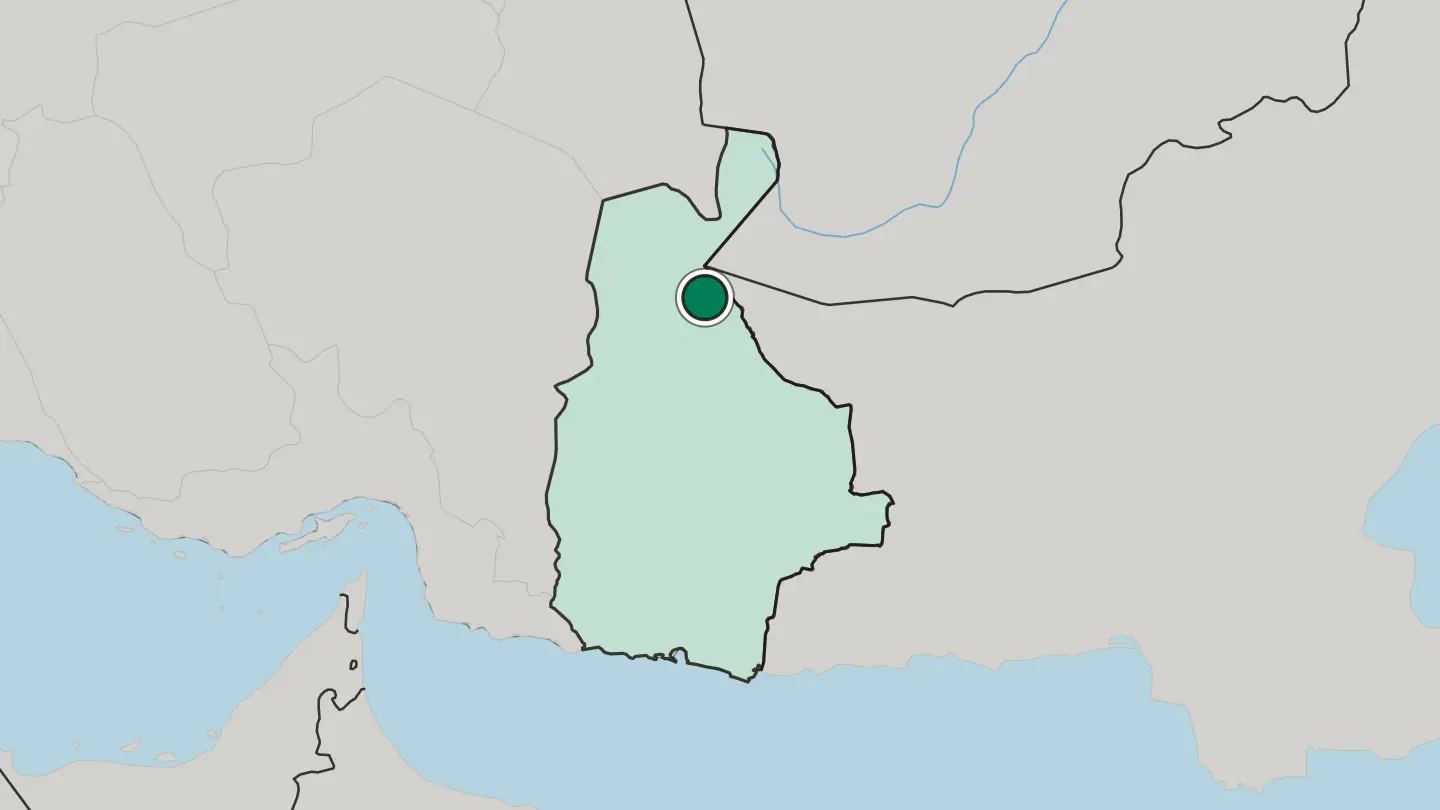 Iran
Iran
Iranshahr
Iranshahr is a city of Sistan and Baluchestan province, Iran, seat of Iranshahr County in the Baloch borderlands towards Pakistan.Where to stay →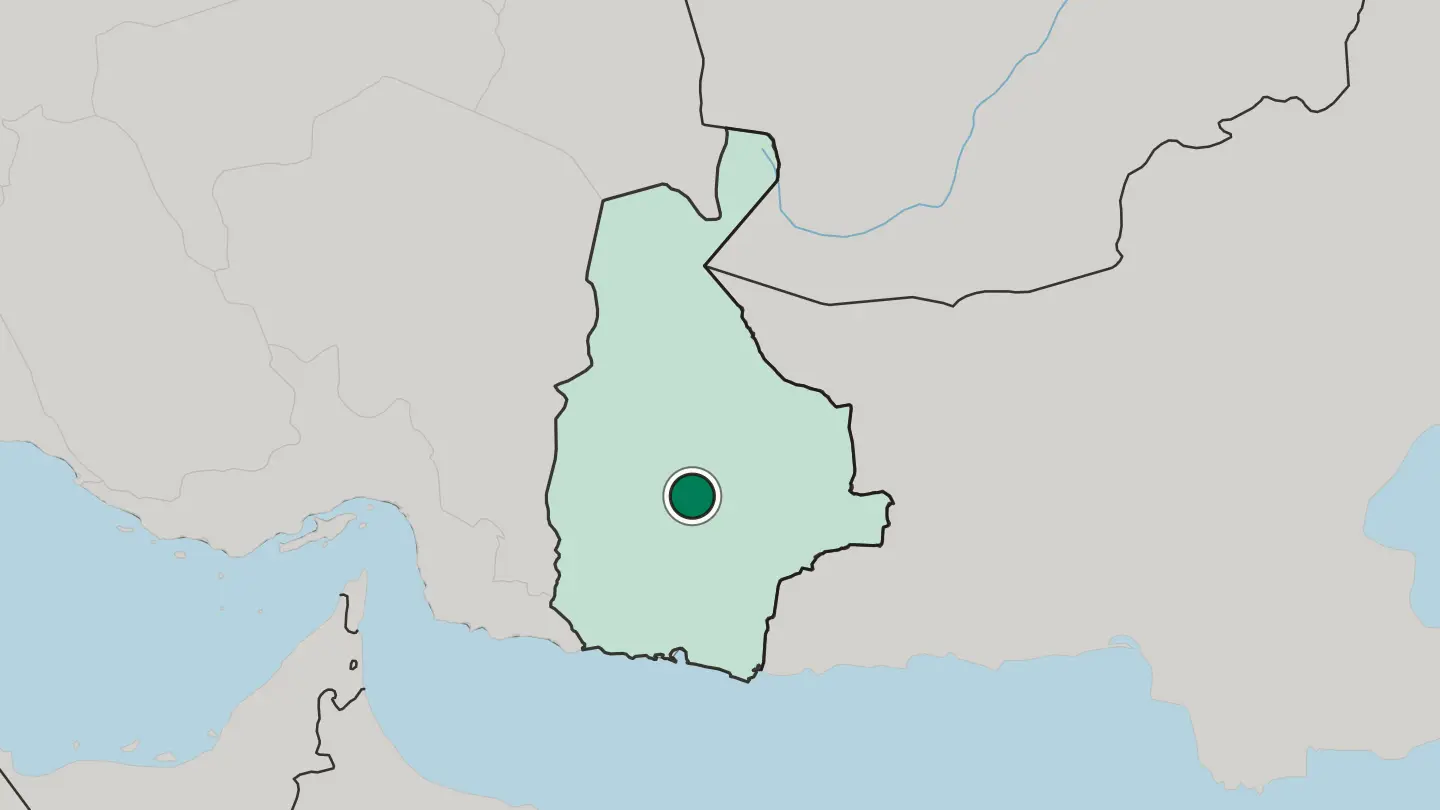 Iran
Iran
Zābol
Zābol is a city of Sistan and Baluchestan province, Iran, seat of Zabol County and its Central District near the border with Afghanistan.Where to stay →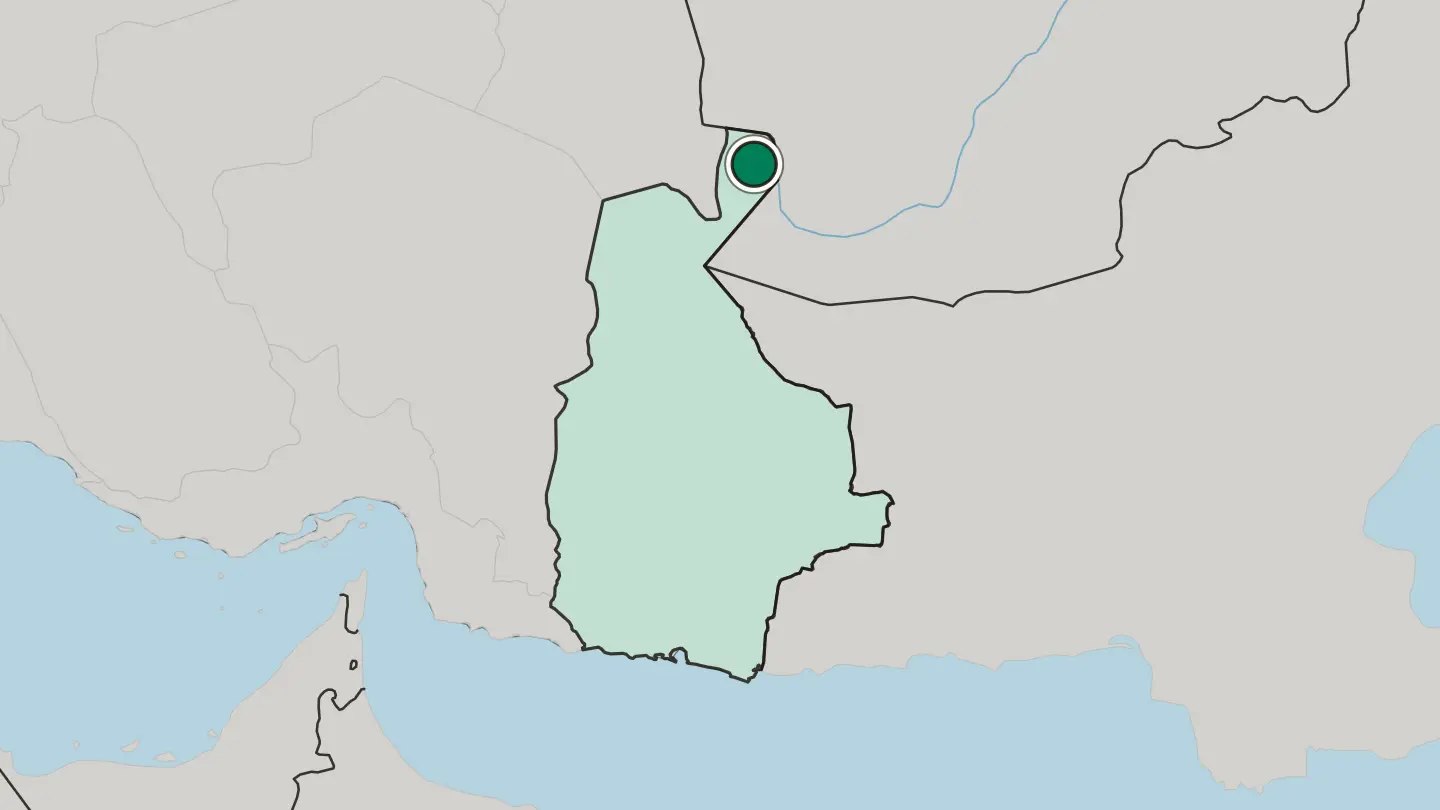 Iran
Iran
Sarāvān
Sarāvān lies in a long valley of Sistan and Baluchestan province, Iran, seat of Saravan County close to the border with Pakistan.Where to stay →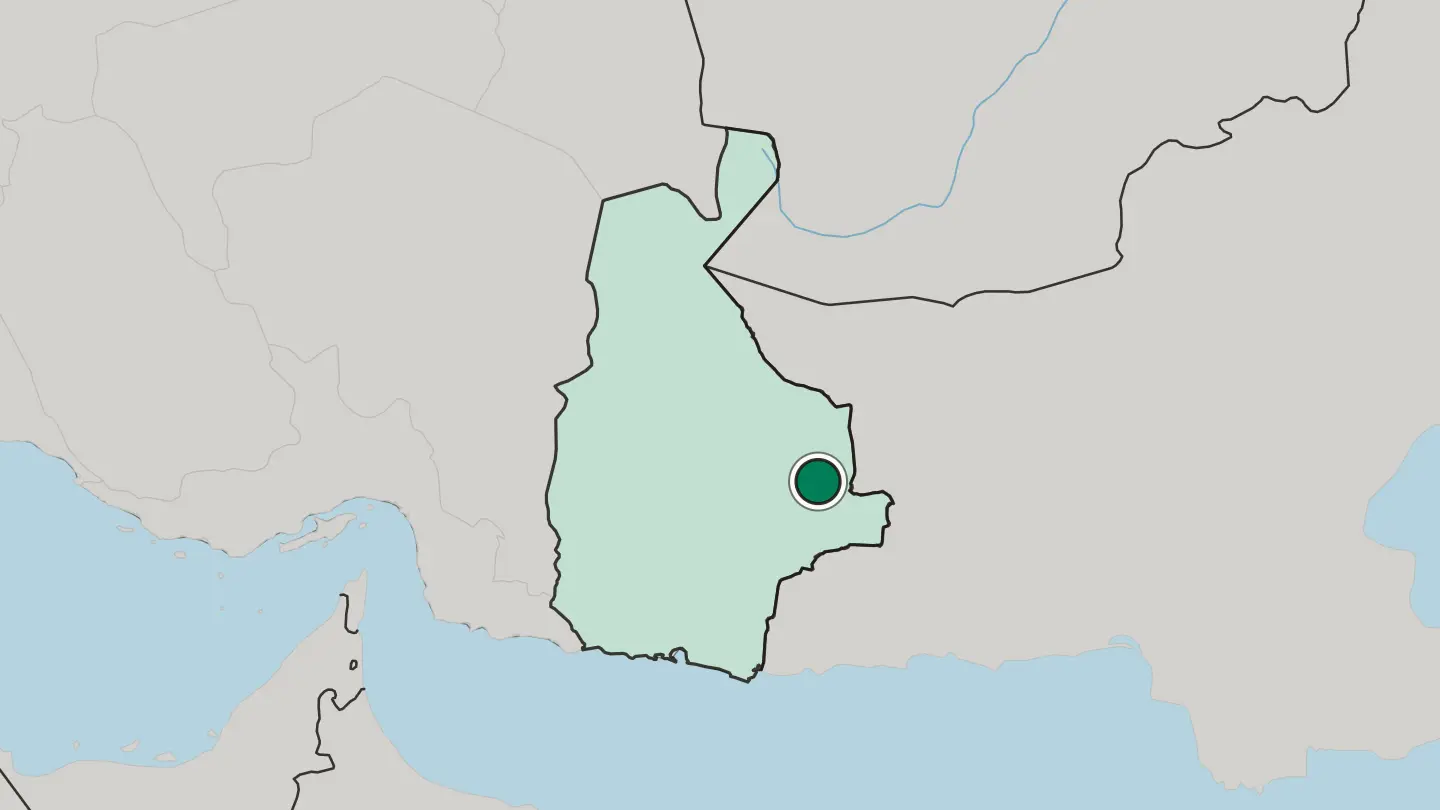
About Sistan and Baluchestan Province
What is Sistan and Baluchestan Province known for?
Sistan and Baluchestan is the largest province in Iran after Kerman, and the least visited by outsiders. Two worlds share it. The northern Sistan plains hold Shahr-e Sukhteh, a Bronze Age city on the Helmand River, while the south is Baluchestan proper, Baloch country reaching down to the port of Chabahar on the Gulf of Oman.
Between them rises Mount Taftan, an active volcano. The people here are mostly Baloch and Sunni, a distinct edge of Iran pressed against Pakistan and Afghanistan.
Where is Sistan and Baluchestan Province?
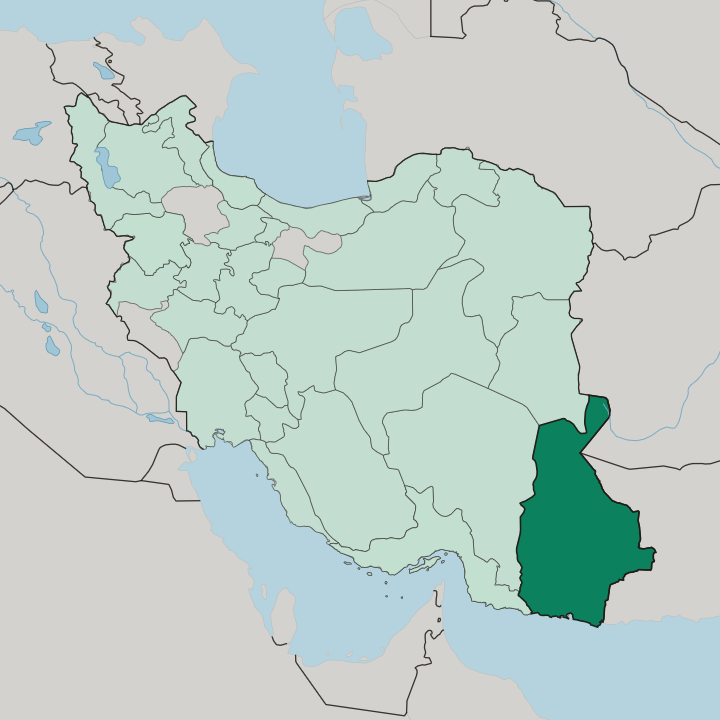
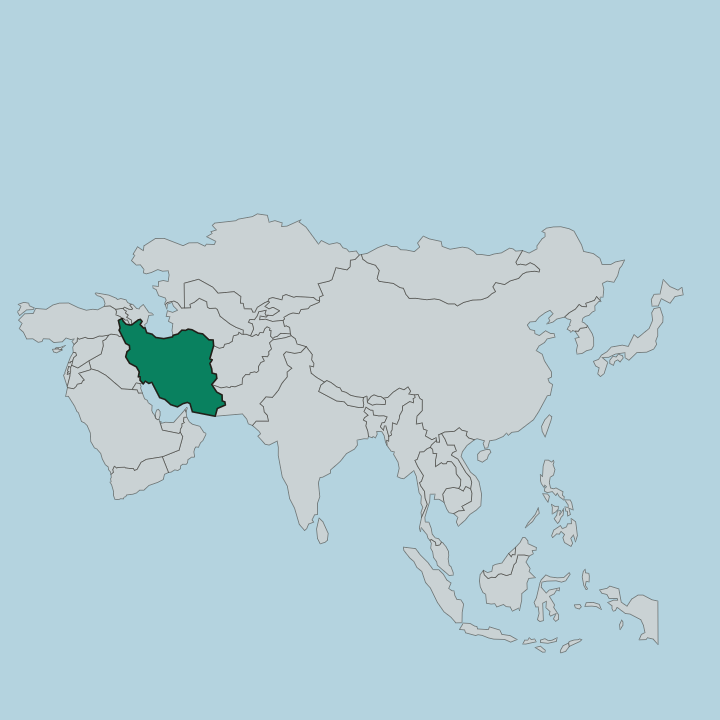
Sistan and Baluchestan fills the far southeast of Iran, the country's second-largest province after Kerman. Afghanistan lies to the northeast and Pakistan runs down the whole eastern edge. Kerman and Hormozgan provinces border it to the west, South Khorasan to the north, and the Gulf of Oman closes it off to the south.
That southern shore is the Makran coast, opening onto the Gulf of Oman and the open ocean beyond, not the enclosed Persian Gulf. Chabahar stands on it, the country's southernmost port. Zahedan, the capital, sits inland in the north, closer to Pakistan and Afghanistan than to the sea.
The province splits in two. The northern third is Sistan, a flat basin where the Helmand River flows in from Afghanistan and drains into the Hamun wetlands, a chain of shallow lakes on the border. South of it spreads Baluchestan proper, arid mountains and stony plateaus, cut by seasonal rivers and studded by the cone of Mount Taftan, an active volcano that stands as the highest point in the southeast.
Sand and gravel desert covers much of the interior. Between the Sistan lakes and the Makran shore lie hundreds of kilometres of some of the driest land in Iran.
What is Sistan and Baluchestan Province like?
Culturally the province stands apart from the rest of Iran. Most people here are Baloch, Sunni Muslims of the Hanafi school, unlike the Shia majority that defines the rest of the country. The Sistani Persians of the northern plains are the exception, Shia and Persian-speaking.
Balochi rules the south. It is close kin to the tongues spoken over the border in Pakistani Balochistan, and dress, music and cooking all lean east toward the Baloch world rather than west toward Tehran. The crafts are old and specific.
Baloch women work dense geometric needlework, called balochi-duzi, onto dresses and cloth. At Kalporegan, near Saravan, potters still shape their vessels by hand without a wheel, a craft that has run unbroken for thousands of years. Baloch music keeps its own instruments and long sung ballads, far from the Persian classical tradition of the interior.
Along the Makran coast the food turns to fish, dates and rice. This is the poorest and least developed of Iran's provinces, and life away from the coast is plainer and harder than in much of the rest of the country.
What is the history of Sistan and Baluchestan Province?
Sistan takes its name from the Saka, the Scythian people who swept into the Helmand basin more than two thousand years ago and left it the old name Sakastan. The Bronze Age came first. On the delta stands Shahr-e Sukhteh, the Burnt City, a settlement of the third millennium BC, later inscribed as a UNESCO World Heritage Site.
The coppersmith Ya'qub ibn al-Layth rose from Sistan to found the Saffarid dynasty at Zaranj. The Baloch south stayed a patchwork of tribal khanates, and its frontier with British India was fixed only in the nineteenth century.
What is the climate of Sistan and Baluchestan Province?
This is one of the hottest, driest corners of Iran. Rain is scarce almost everywhere. Over the Sistan plains in the north blows the bad-e sad-o-bist-ruz, the wind of a hundred and twenty days, a relentless summer gale that lifts dust and buries Zabol in it.
The interior deserts bake through the long summer, with almost no cloud. The Makran coast is different, humid and tropical, its heat softened by the Gulf of Oman and brushed by the edge of the Indian Ocean monsoon.
How do you get to Sistan and Baluchestan Province?
Distance keeps this province apart. Most travellers reach it by air, flying into Zahedan in the north or Chabahar down on the coast, since the drive from central Iran runs for hundreds of kilometres across empty desert. The main road comes in from Kerman and Bam in the west.
Rail reaches Zahedan too, joined both to the Iranian network and, by a rare broad-gauge line, to Quetta over the border in Pakistan. The busiest land crossing is Mirjaveh, on the road east to Pakistan.
Common questions
What is the best area to stay in Sistan and Baluchestan Province?
Zahedan: arriving overland from Pakistan. Iranshahr: a stop on the interior plateau. Zabol: the Sistan plains and the Burnt City.
Good for
More regions in Iran
Updated September 2026