Iran · Yazd Province
Where to Stay in Yazd, Yazd Province
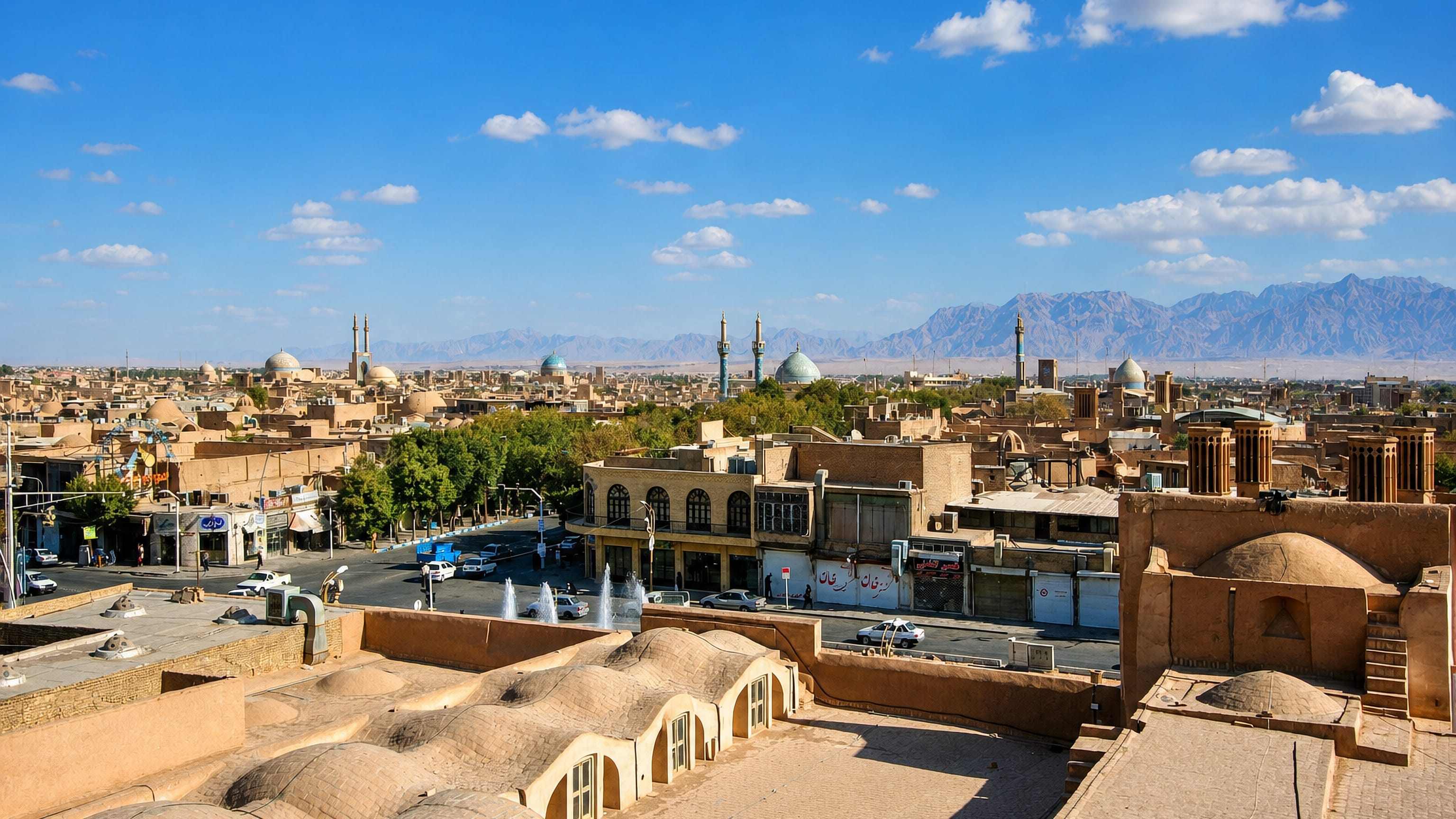
Wind towers rise over Yazd, a desert city in central Iran known as the City of Windcatchers and listed as a UNESCO World Heritage Site.
Find your area →


Where to stay in Yazd
Where visitors usually base themselves, and why.
Yazd concentrates its lodging in the old mud-brick town, much of it in restored traditional houses. The historic core is the natural base, where the Jameh Mosque of Yazd, the wind towers, and the narrow covered lanes stand within a short walk of one another. Stay here to sleep inside the World Heritage city.
This old quarter puts the Yazd Water Museum and the Kasnaviyeh Dovecote Tower close at hand, so first-time visitors can trace the desert architecture on foot across a single unhurried day. Beyond the walls the city opens out. Newer districts spread across the flat desert of Yazd Province, plainer and quieter, a practical choice for travellers who want modern rooms with easy road access to the old town.
The Heydarzadeh Coin and Anthropology Museum adds to the draw of the historic centre. Beds cluster where the old houses stand. Wherever you settle in this desert city of central Iran, the mud-brick core keeps the mosque, the wind towers, and the museums of Yazd within a short walk of one another.
Things to do in Yazd
Ranked by global recognition; descriptions from Wikidata (CC0).
Churches & Religious Sites
1- Jameh Mosque of Yazd Heritage
Castles & Historic Sites
1- Kasnaviyeh Dovecote Tower Heritage
Landmarks & Notable Places
6- خانه امام حسینی Heritage
- خانه سید علی محمد وزیری Heritage
- خانه راس حسینی Heritage
- خانه ملا حسینی Heritage
- خانه چقماقی یزدی Heritage
Show 1 more →
- خانه حطیرهای یزدی Heritage
worth knowingacross 3 categories in Yazd
About Yazd
What is Yazd known for?
Yazd is known as the City of Windcatchers, its skyline broken by the wind towers that cool its desert houses. The old town is its glory. The capital of Yazd Province in central Iran carries an ancient mud-brick centre listed as a UNESCO World Heritage Site, gathered around the great Jameh Mosque of Yazd, while the Yazd Water Museum records the underground channels that watered the desert.
Few cities keep so much of their old fabric.
What are the main landmarks in Yazd?
Yazd's landmarks fill its old mud-brick town. The Jameh Mosque of Yazd is the best known, its tall minarets rising over the covered lanes, while wind towers crown the historic houses on every side. Water and craft mark the rest.
The Yazd Water Museum tells the story of the qanat channels beneath the desert, the Kasnaviyeh Dovecote Tower stands as a rural relic on the city's edge, and the Heydarzadeh Coin and Anthropology Museum gathers the collections of Yazd Province.
What is the history of Yazd?
Yazd counts among the oldest continuously inhabited cities of central Iran. Its roots reach back to the Sassanian period, and the desert setting shaped everything that followed, from the wind towers that cool the houses to the qanat channels that carried water in from beyond the sands. Survival meant ingenuity.
The Yazd Water Museum records the underground system that made a city possible in so dry a place, while the great Jameh Mosque of Yazd rose over the centuries as the spiritual heart of the old town. Isolation preserved it. Lying deep in the desert of Yazd Province, far from the routes of conquest that reshaped other cities, Yazd kept its mud-brick fabric intact where others were rebuilt in stone.
That continuity earned its reward. The historical city was recognized as a UNESCO World Heritage Site, its lanes, wind towers, and courtyard houses standing as one of the best-kept desert townscapes of Iran. Each generation repaired the old walls rather than replacing them.
So Yazd endures as an ancient desert capital, its Sassanian origins still legible in the shaded lanes of the World Heritage core.
Where is Yazd?
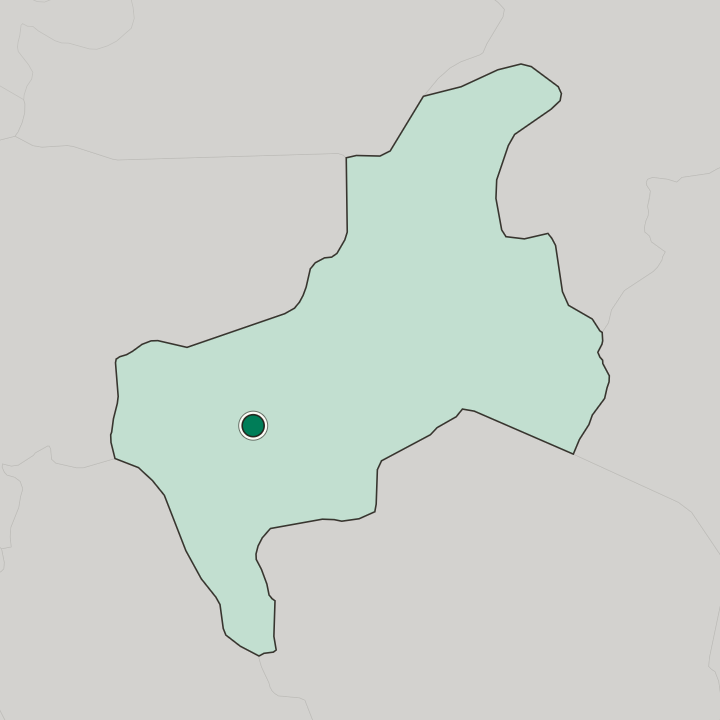
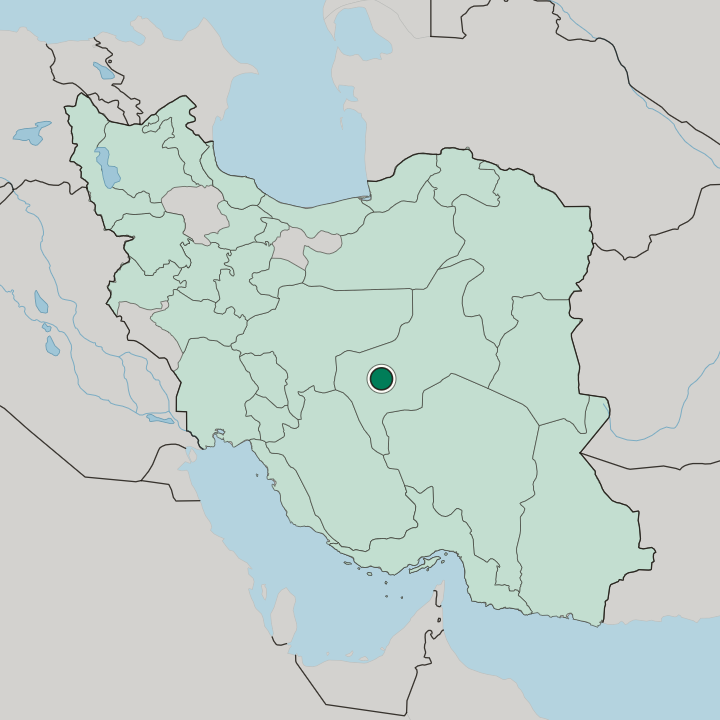
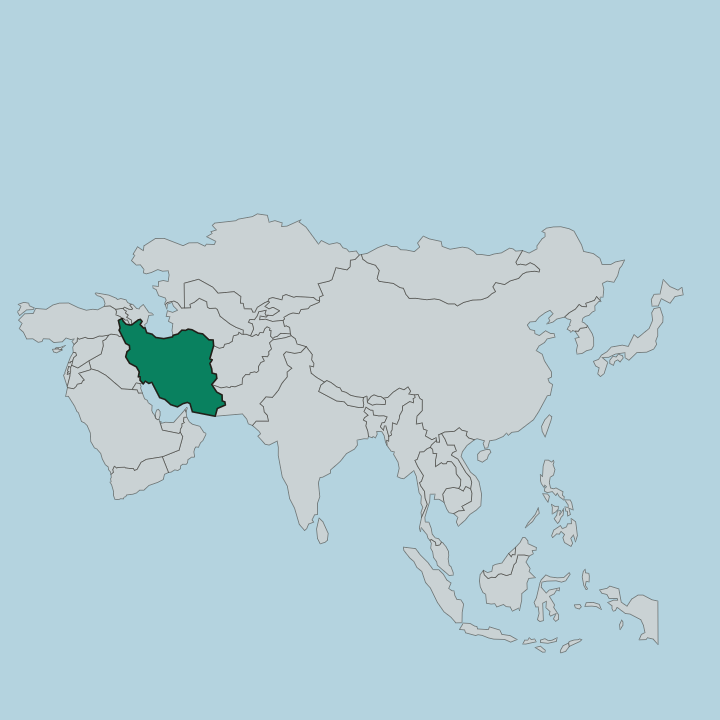
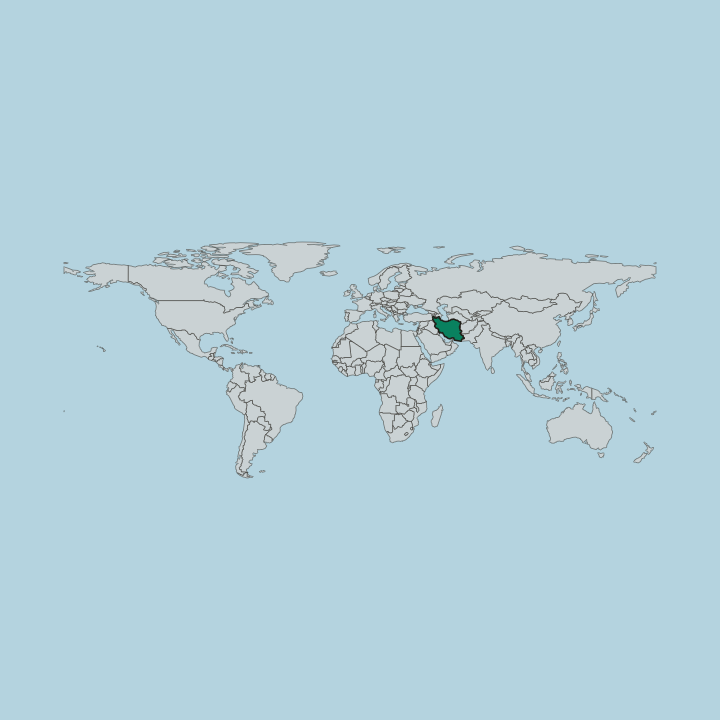
Yazd lies deep in the desert of central Iran, the capital of Yazd Province. Dry land rings it on all sides. The city stands on a high, arid plain between mountain ranges, far from any sea or great river, which is why its builders turned to wind towers and underground channels to make life bearable.
Sand and stone surround the town. This harsh desert setting in central Iran is the reason Yazd grew as a city of shade, water, and thick mud-brick walls.
What is the climate of Yazd?
Yazd has a hot desert climate, among the driest of any city in central Iran. Rain is rare here. Its position on the high arid plain of Yazd Province, far from the sea, brings scorching summers, cool nights, and very little rainfall through the year.
The wind towers of the old town answer that heat, drawing cooler air down into the mud-brick houses below.
How do you get to Yazd?
Yazd sits on the old desert roads that cross central Iran. The routes have always run through it. As the capital of Yazd Province, the city stands on the road and rail lines that link the interior of the country, so highways and trains reach it across the open desert.
From the arrival points the old mud-brick town and the Jameh Mosque of Yazd lie only a short way off.
Good for
Another city in Yazd Province
Updated September 2026