Iran
Yazd Province, Iran — Towns & Travel Guide
Yazd Province is a high desert region of central Iran, its adobe capital of Yazd standing between the Dasht-e Kavir and the Dasht-e Lut.
Find your area →


Towns & cities in Yazd Province
Pick a town or city — each links to where to stay.
 Iran
Iran
Yazd
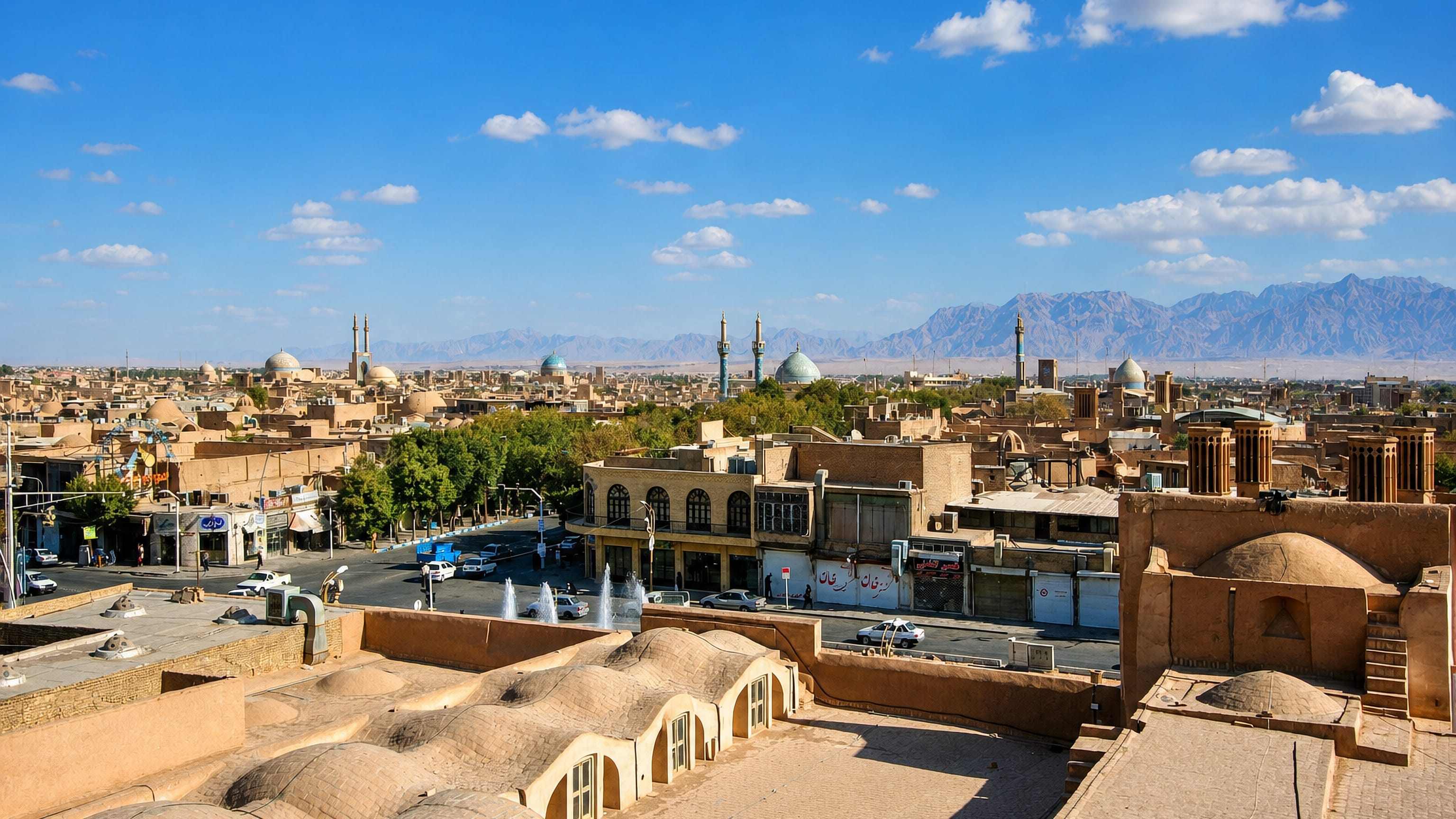
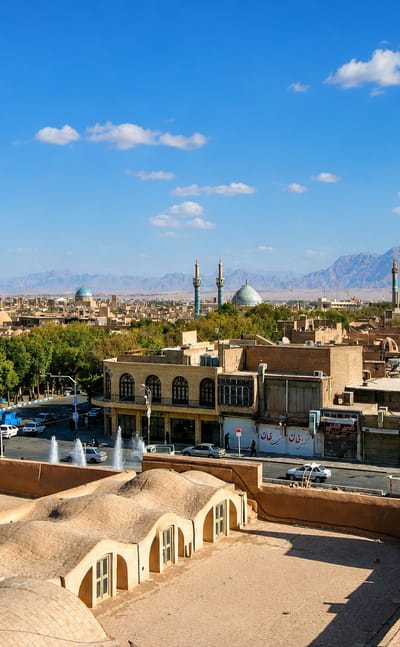
Wind towers rise over Yazd, a desert city in central Iran known as the City of Windcatchers and listed as a UNESCO World Heritage Site.Where to stay →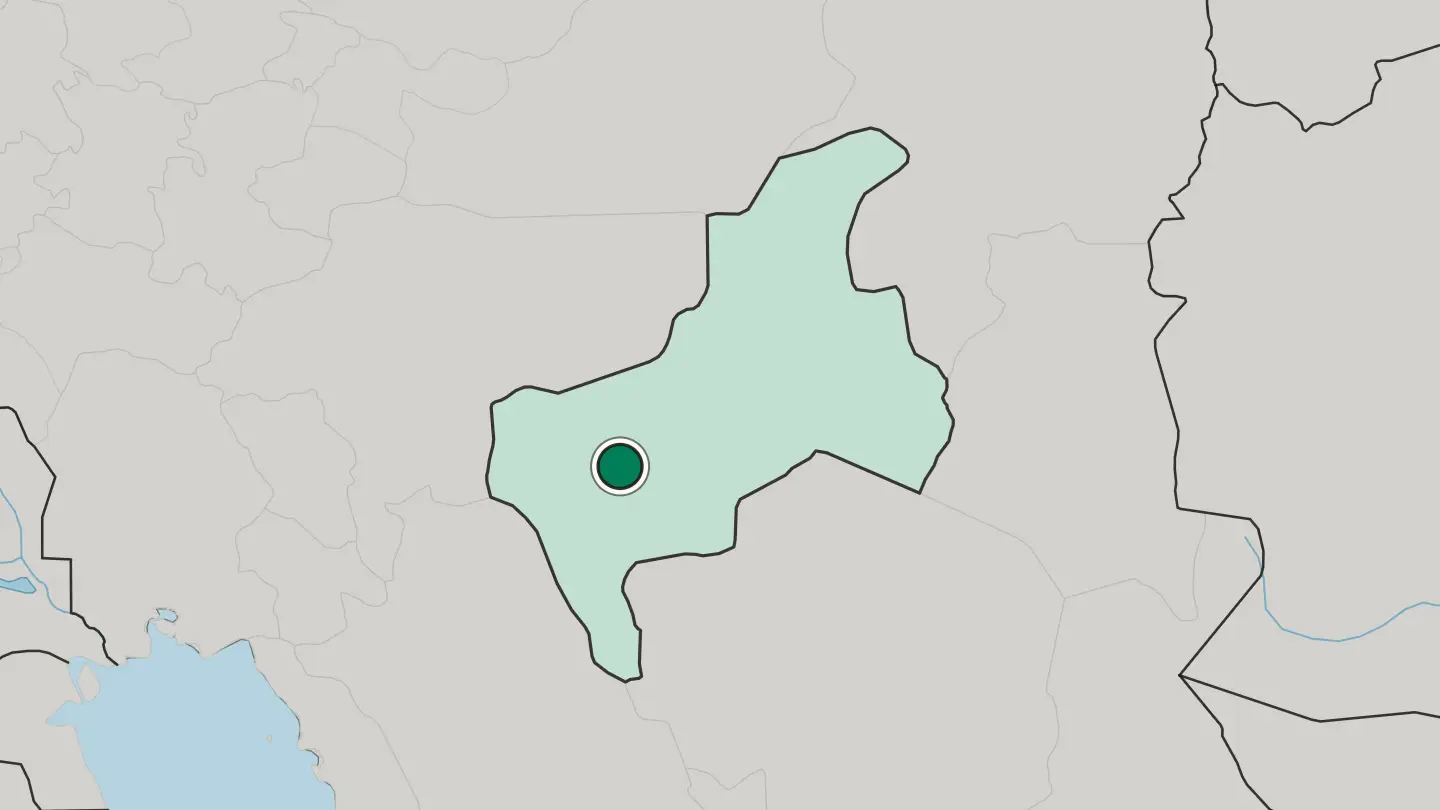
 Iran
Iran
Ardakān
Ardakān is a mudbrick desert town of Yazd province in central Iran, a place of wind-towers and old cisterns on the edge of the great desert.Where to stay →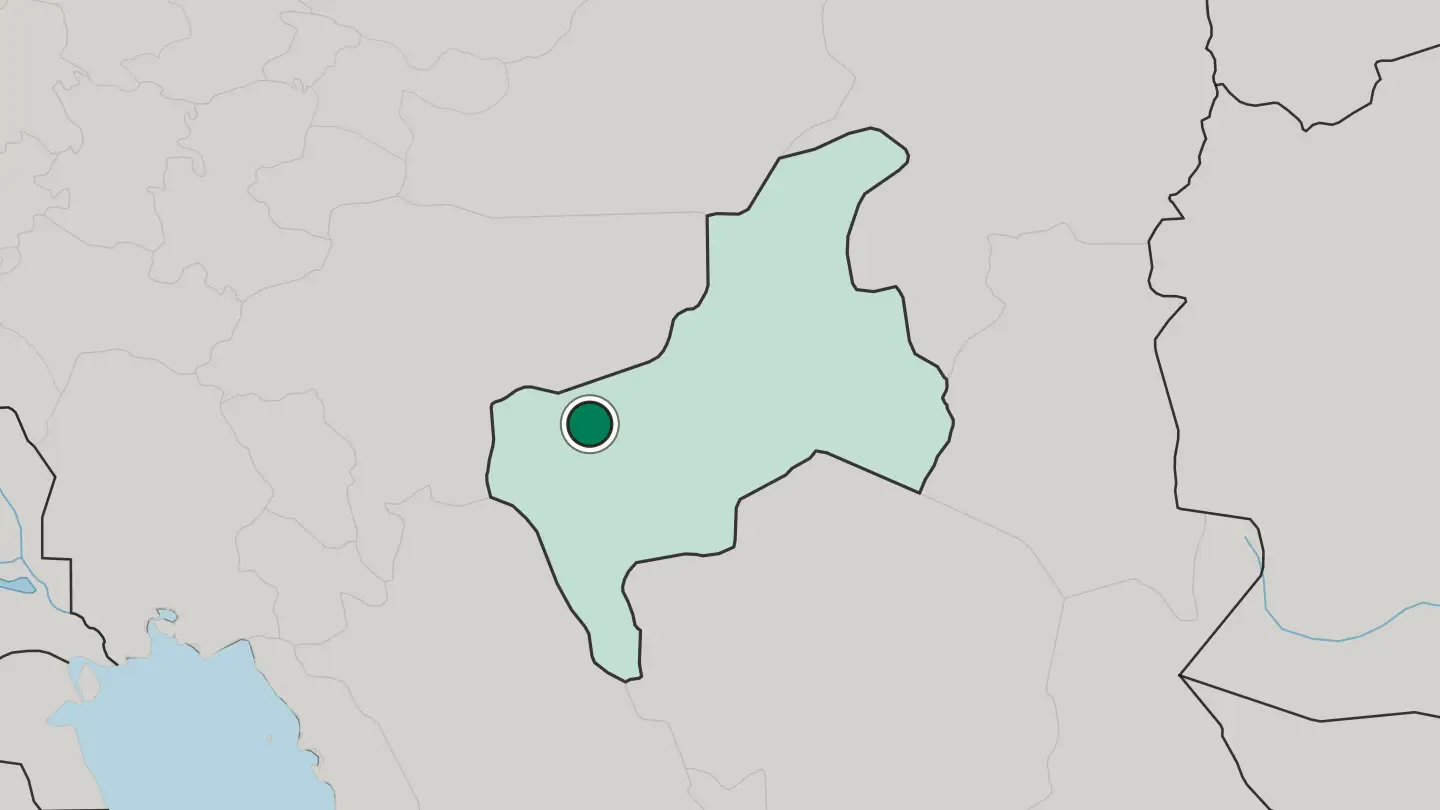
About Yazd Province
What is Yazd Province known for?
Yazd is one of the oldest continuously inhabited cities on Earth, and its labyrinth of sun-dried mudbrick lanes forms a UNESCO World Heritage old town. Windcatchers crown the rooftops. These tall badgir towers funnel any breeze down into the rooms below, an ancient answer to desert heat that needs no power.
The province is also the heartland of Zoroastrianism, where a sacred fire has burned for more than a thousand years. Silk weaving and sweets made Yazd famous across Iran.
Where is Yazd Province?
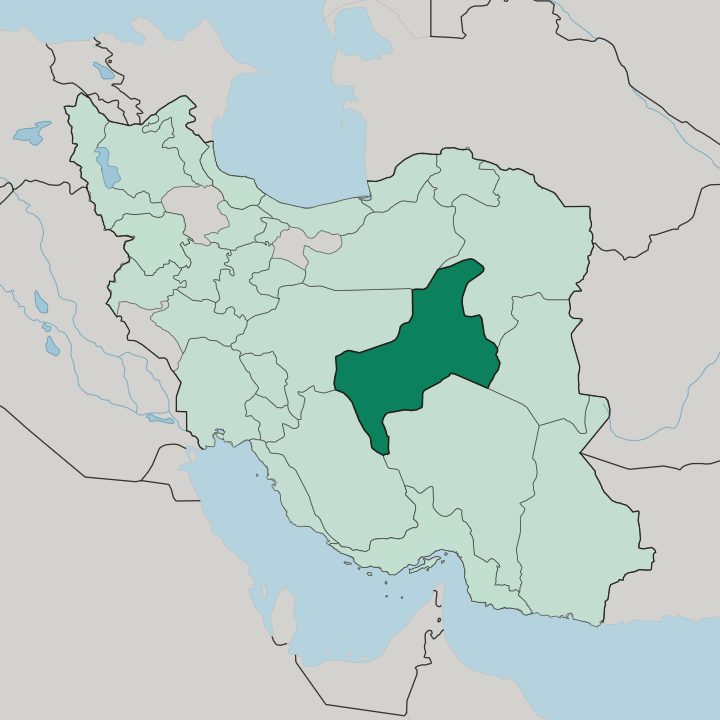
Yazd Province lies in the arid heart of Iran, spread across the central Iranian plateau far from any sea. The Dasht-e Kavir, the northern salt desert, presses down from above, while the Dasht-e Lut opens across the east and south-east. Isfahan Province borders it to the west. Kerman lies beyond the eastern sands.
This is high desert country, a mosaic of gravel plain, salt flat, and bare rock that has been thinly settled for as long as anyone has kept records. Little rain reaches it. The land tilts up toward the mountains in the south.
Shir Kuh raises a snow-capped wall above the town of Taft, the tallest summit in the province and the source of the meltwater that feeds its orchards. Away from that range the surface water all but vanishes. For centuries the province drank instead from qanats, gently sloping tunnels that carry mountain groundwater for tens of kilometres beneath the plain to reach Yazd, Meybod, and Ardakan.
Yazd itself stands on a shelf between Shir Kuh and the northern desert, a little above the surrounding flats. The deserts set the terms here. Everything green is borrowed from the far-off snows.
What is Yazd Province like?
Two faiths shape daily life here. Yazd is the enduring centre of Zoroastrianism in Iran, and its fire temple guards a flame that priests have kept alight for more than a thousand years. On the desert edge stand the Towers of Silence, the bare hilltop dakhma where the dead were once laid out for the sky.
Pilgrims still climb to Chak Chak, a cliffside shrine dripping with spring water in the mountains above Ardakan. Persian is the everyday language, and Islam the faith of the majority, but the older religion is woven through the calendar and the streets. Few Iranian cities wear their history so plainly.
The desert taught the province how to build. Windcatchers rise from the flat rooftops of Yazd, hollow towers that pull cool air down into the rooms and courtyards beneath. The tallest of them crowns the pavilion at Dowlatabad Garden.
Thick adobe walls, shaded alleys, and domed ice houses did the rest, holding winter cold deep into summer long before machines could. Yazd grew wealthy weaving silk and the shimmering brocade called termeh, and its confectioners still sell trays of baklava and qottab to travellers passing through. The pace is unhurried and the faith is felt.
This is one of the most traditional corners of Iran, and it makes no apology for it.
What is the history of Yazd Province?
Yazd owes much of its character to the desert that kept invaders at bay. Its remoteness spared the city the sacking that the Mongols visited on so much of Iran, and scholars and artisans took refuge behind its walls. The Venetian merchant Marco Polo passed through in the 13th century and admired the fine silk the weavers shipped along the caravan roads.
Long before that the province had been a stronghold of Zoroastrianism, and it stayed one after the coming of Islam. Trade and textiles built it. The mudbrick city that grew from all this still stands.
What is the climate of Yazd Province?
Yazd sits in one of the driest reaches of Iran, with a hot desert climate that swings hard between the seasons. Summers are long and fierce, the daytime air baking the mudbrick until dusk brings relief. Winters turn cold on the plateau, and snow settles on Shir Kuh while the plains below stay bone-dry.
Rainfall on the Yazd plateau is meagre. What little falls comes mostly in the cooler months, and the whole province depends on the mountain snowmelt that the qanats carry down. The sky is clear far more often than not.
How do you get to Yazd Province?
Most travellers reach the province overland, slotting Yazd into the classic route between Isfahan and the south-east. Trains run through on the line that links Tehran with Kerman and the port of Bandar Abbas, and Bafq is the junction where the desert tracks divide. Shahid Sadooghi Airport, on the edge of Yazd, connects the province to Tehran and Mashhad by air.
Roads cross the open plateau in every direction. Isfahan lies half a day off.
Common questions
What is the best area to stay in Yazd Province?
Yazd: the mudbrick old city and its windcatchers.
Good for
More regions in Iran
Updated September 2026