Iran · Zanjan Province
Where to Stay in Zanjan, Zanjan Province
Zanjan is a city of northwest Iran on the Tehran-Tabriz road, known for its handmade knives, its old laundry house, and the dome of Soltaniyeh nearby.
Find your area →


Where to stay in Zanjan
How the choice of base plays out on the ground.
Where you stay in Zanjan turns on the old town or the road. The streets around the bazaar keep the laundry house, the mosques, and the knife shops within a walk, and staying downtown suits anyone here for the crafts. The old bazaar runs through the centre.
Smiths work in the lanes. Out toward Soltaniyeh and the highland, the town gives way to plain, hills, and the great dome. A room out of town trades the bazaar for the huge dome of Soltaniyeh, the open highland, and the salt hills of the region.
Bare uplands roll to the sky. Stay downtown for the bazaar, or out for the dome. The town lies a short way back.
Things to do in Zanjan
Ranked by global recognition; descriptions from Wikidata (CC0).
Churches & Religious Sites
2- Eshaq Mirza Mosque Heritage
- Abbasqoli Mosque Heritage
Castles & Historic Sites
8- Rakhtshooy Khaneh Edifice Heritage
- Seh Setareh Match Factory of Zanjan Heritage
- Khadivi House (Zanjan) Heritage
- Towfiqi Building Heritage
- Dokhan Caravanserai Heritage
Show 3 more →
- کشتارگاه زنجان Heritage
- گاورتپه Heritage
- حمام حسینیه اعظم Heritage
Landmarks & Notable Places
3- خانه بهمنی Heritage
- Sheikh al-Islami House (Zanjan) Heritage
- ساختمان دارائی (بنا و باغ) Heritage
worth knowingacross 3 categories in Zanjan
About Zanjan
Zanjan is the knife-making city of the northwest.
What is Zanjan known for?
On the highland road between Tehran and Tabriz, it is famous across Iran for its handmade knives, its filigree silver, and its traditional crafts, and it keeps a beautiful old public laundry house now a museum and a great covered bazaar, while the vast brick dome of Soltaniyeh stands in the country nearby. The highland runs bare around. The dome stands huge on the plain.
What are the main landmarks in Zanjan?
The old laundry house is the pride of Zanjan. The graceful Rakhtshooykhaneh, once a public washing house and now a folk museum, stands over its stream in the town, the emblem of the city, by the water. A great dome rises on the plain.
The huge brick dome of Soltaniyeh stands in the country nearby, one of the largest in the world, while the covered bazaar, the old mosques, and the knife workshops mark the streets of Zanjan.
What is the history of Zanjan?
Zanjan has long stood on the road to the west. A town grew on the highland road that ran from the capital to Tabriz and beyond, and it prospered on the trade of the caravans and the craft of its smiths and silverworkers. Crafts made its name.
The knives, the silver filigree, and the leather of Zanjan were carried across Persia, and its bazaar filled with the work of its hands. A mighty dome rose nearby under the Mongols. At Soltaniyeh, a short way from the town, the Ilkhan Öljaitü raised a huge mausoleum crowned by one of the largest brick domes ever built, meaning it as a new capital.
The capital came to nothing. Öljaitü died and Soltaniyeh sank to a village, but its great blue-tiled dome still stands on the plain, and Zanjan grew on as the market town of the highland. The dome still rises over the plain. Zanjan keeps its crafts and its dome on the highland road.
Where is Zanjan?
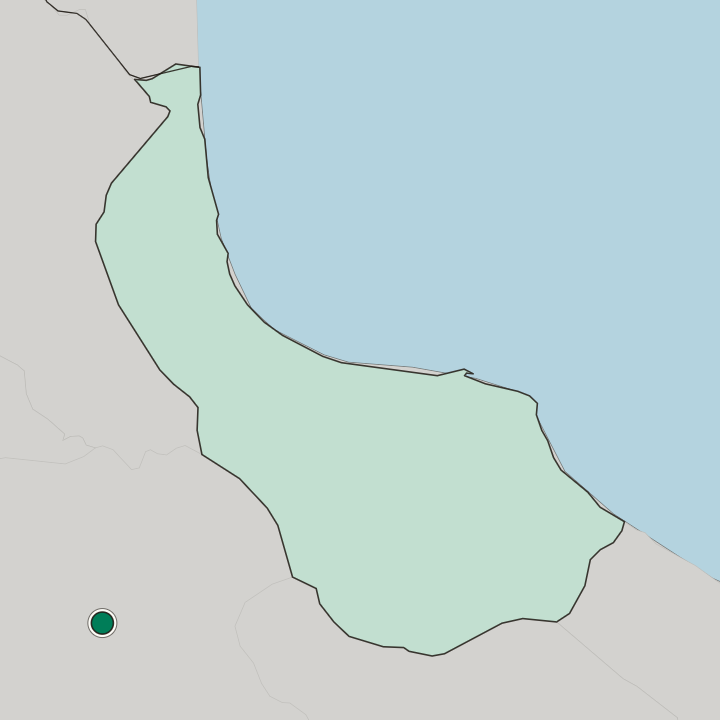
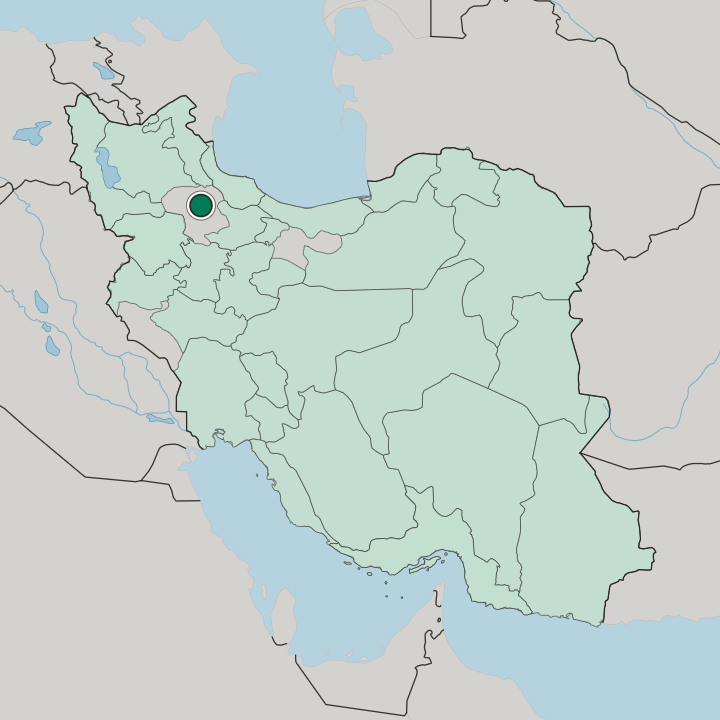
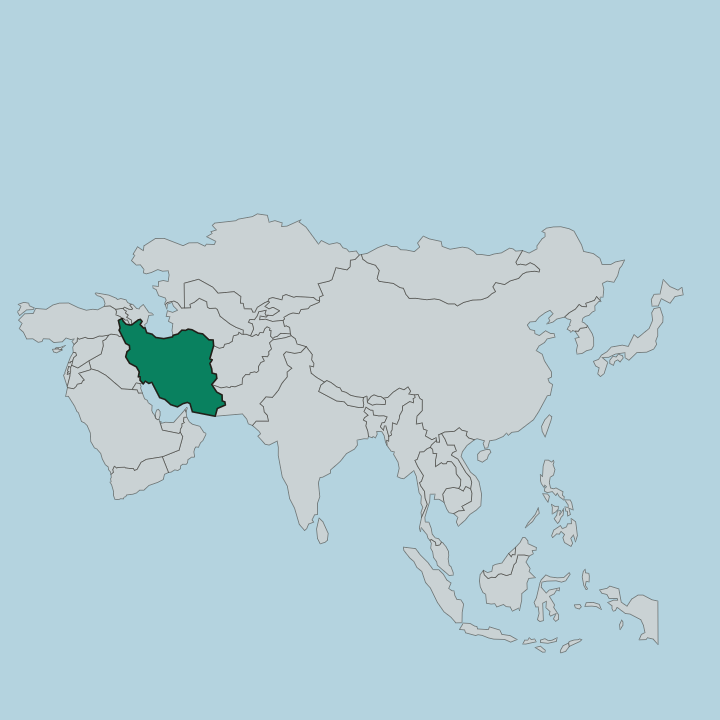
Zanjan lies in the northwest of Iran, in the highlands between Tehran and the Azerbaijani plateau. The city sits in a broad valley on the Zanjanrud river, ringed by bare rolling hills of the highland, on the great road and rail line that crosses the northwest. Bare hills roll around the town.
The river runs down the valley.
What is the climate of Zanjan?
Zanjan has a cold, dry highland climate. Warm summers and long, cold winters cross the highland, with deep snow in the winter and little rain the rest of the year. Deep snow covers the town in winter.
The highland runs dry in summer.
How do you get to Zanjan?
Zanjan lies in northwestern Iran, on the highway and rail from Tehran to Tabriz. Fast trains and the freeway run to it across the highland from both cities, and roads run out to Soltaniyeh. Lanes climb into the hills.
Tehran lies east down the road.
Good for
Another city in Zanjan Province
Updated September 2026