Iran
Zanjan Province, Iran — Towns & Travel Guide
Zanjan Province spreads across the mountains of north-western Iran, ruled once from Soltaniyeh and famous still for its silver filigree.
Find your area →


Towns & cities in Zanjan Province
Pick a town or city — each links to where to stay.
 Iran
Iran
Zanjan
Zanjan is a city of northwest Iran on the Tehran-Tabriz road, known for its handmade knives, its old laundry house, and the dome of Soltaniyeh nearby.Where to stay →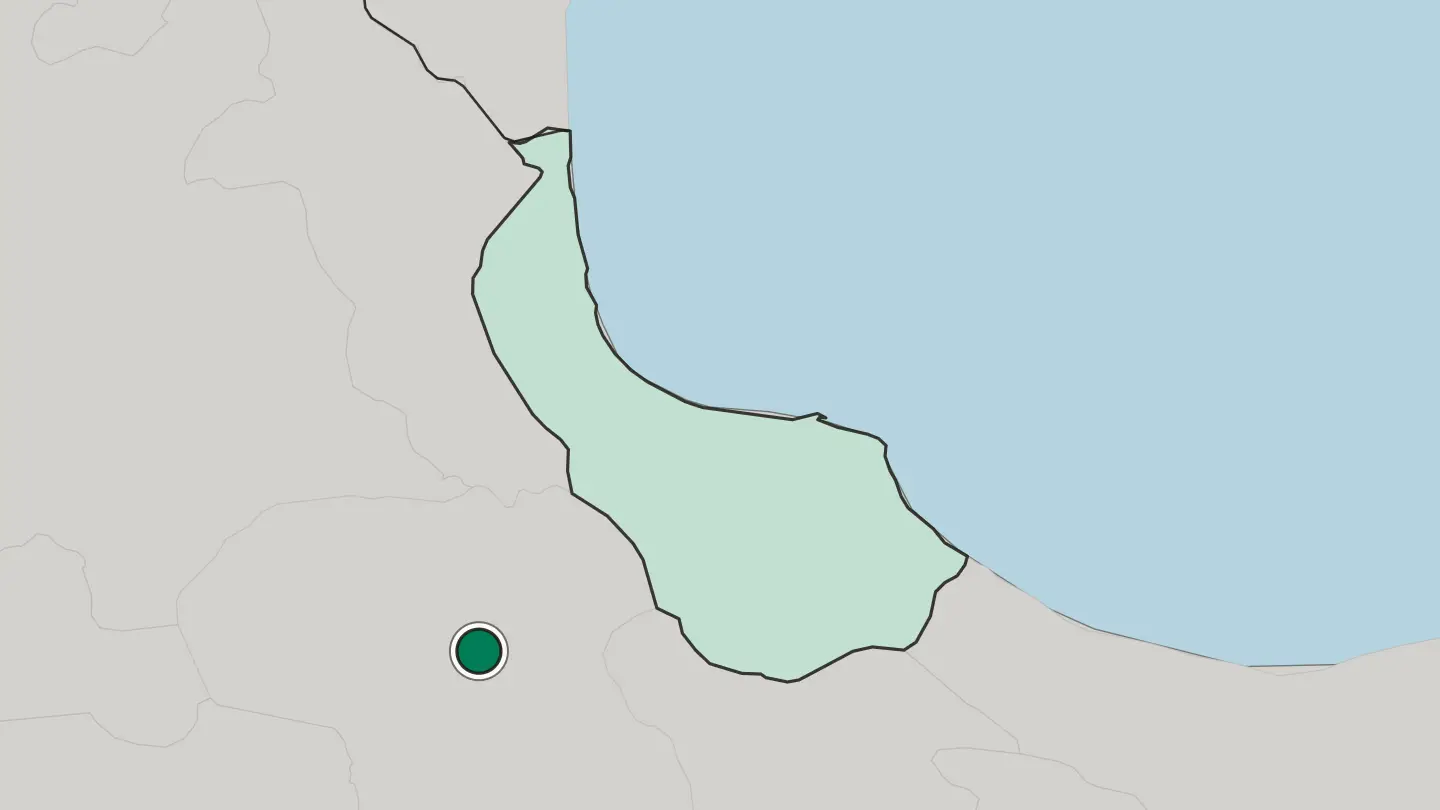 Iran
Iran
Abhar
Abhar sits between two cities. The seat of Abhar County in Zanjan province has stood on the ground between Qazvin and Zanjan long enough to matter.Where to stay →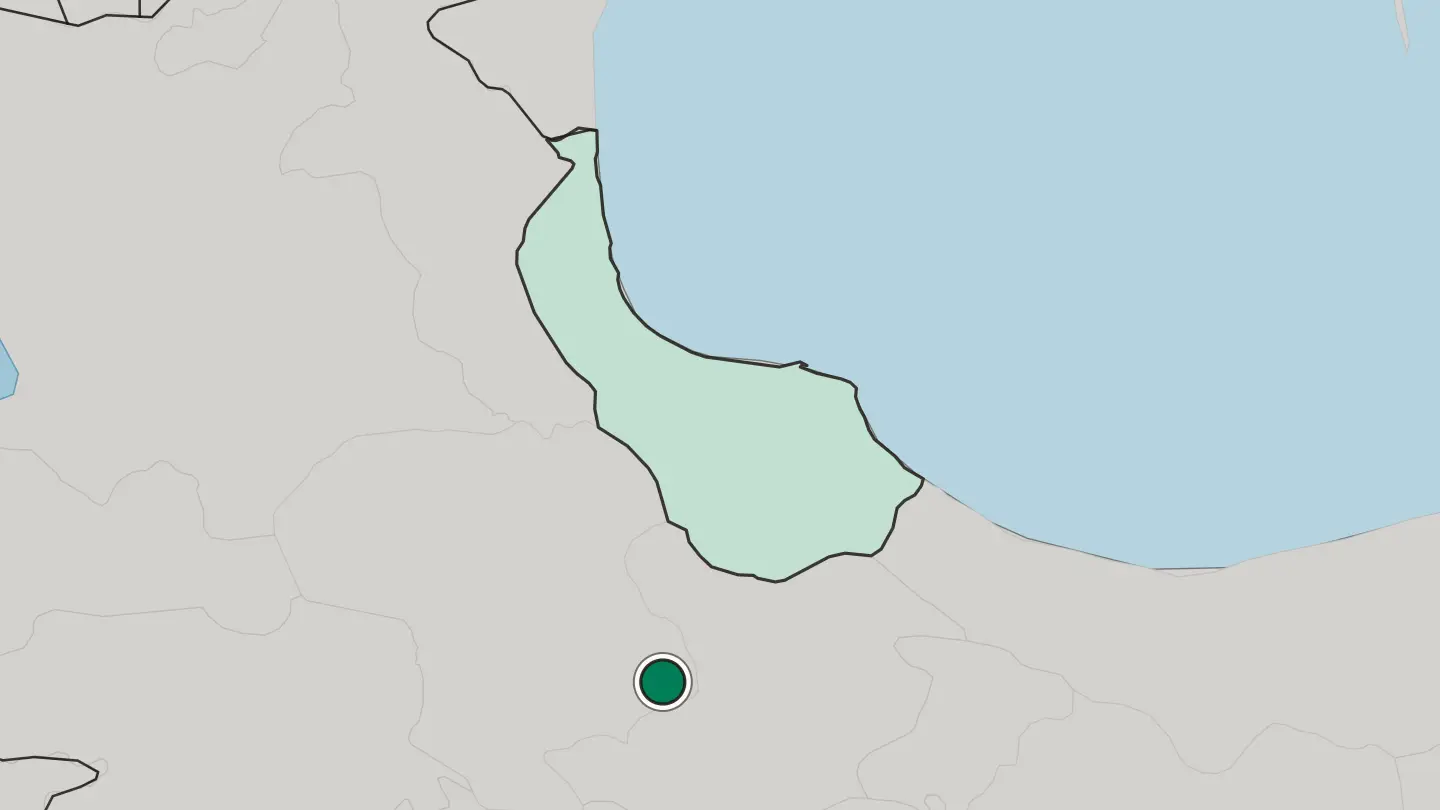
About Zanjan Province
What is Zanjan Province known for?
Two things carry the province's name. The first is Soltaniyeh, where the Ilkhanid ruler Öljaitü raised the turquoise-tiled Soltaniyeh Dome, a brick mausoleum. The second is metalwork.
Zanjan, the capital, is registered by the World Crafts Council as a world city of filigree, and its bazaar still turns out hand-forged knives, hammered copper, and the fine twisted-silver malileh. Charoogh, a soft handmade shoe, comes from here too.
Where is Zanjan Province?
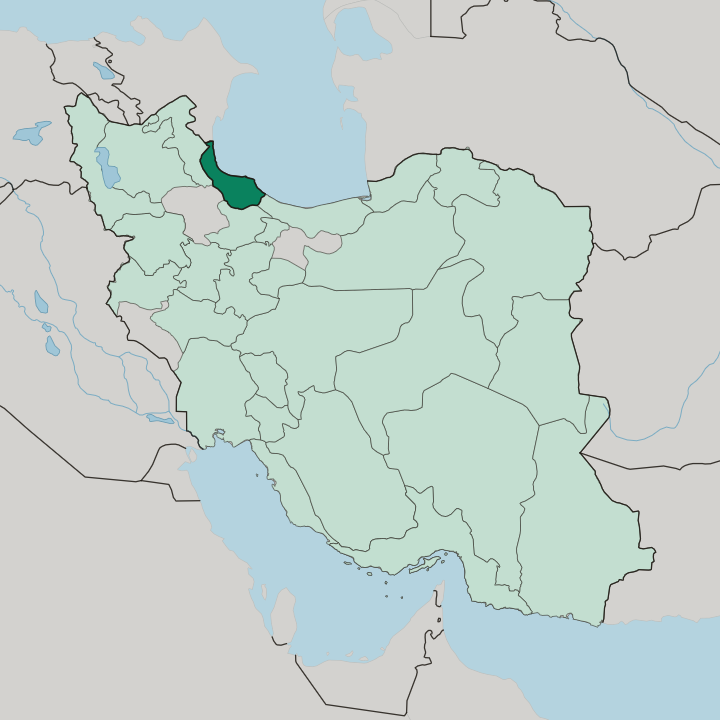
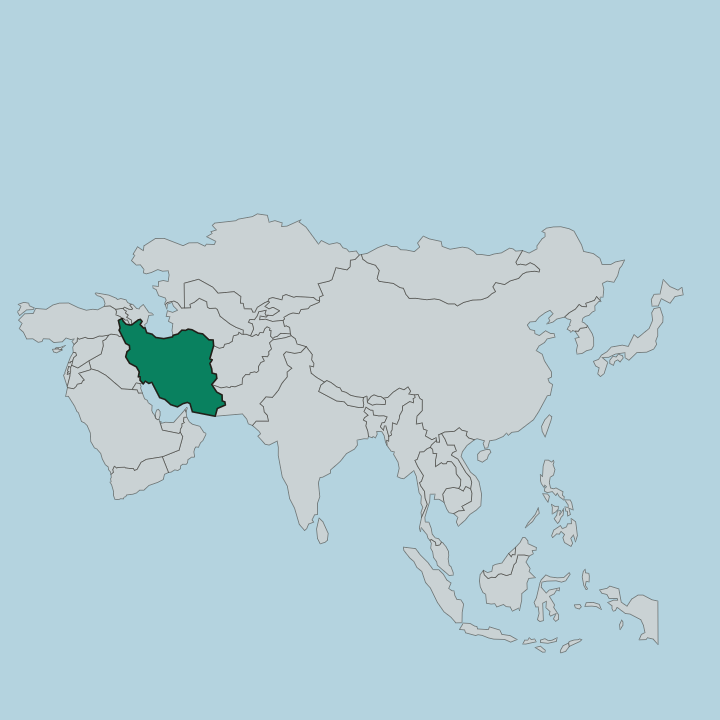
Zanjan Province sits in the north-west of Iran, on the high road that has always linked Tehran with Tabriz. It is a mountainous province. The land is part of the Iranian plateau, folded into ridges and broad upland basins.
To the east lies Qazvin, and beyond it the capital; to the west, the mountains rise toward Kurdistan and the Azerbaijan provinces. Gilan and the humid Caspian lowlands lie over the ranges to the north. One river gives the province its shape.
The Qizil Üzan enters from the Kurdish mountains in the west and swings north-east across the province, carving red-brown gorges through the hills before it joins the Shahrud to become the Sefid-Rud, the river that drains this corner of Iran north to the Caspian Sea. Its valley has drawn settlers for thousands of years. The capital, Zanjan, stands on a smaller tributary in the centre.
South of it the land climbs toward Qeydar and the lit limestone galleries of the Katale Khor caves, the largest of the province's caves. Little of the province is flat.
What is Zanjan Province like?
Most people here speak Azerbaijani Turkic at home, the same tongue heard across much of Iran's north-west, with Persian used for school and business. In the northern valleys of Tarom the older Tati dialect still survives, a remnant of the region's deep Iranian past. The province is overwhelmingly Shia Muslim.
Its towns feel like working provincial Iran rather than a polished tourist stage. Life turns on the bazaar. Craft is the thread that ties the whole province together, generation after generation.
In Zanjan's covered bazaar the lanes are given over to silversmiths pulling filigree into lace-fine flowers, to knife-makers, coppersmiths, and the makers of the charoogh, a soft leather shoe once worn across these hills. The knife of Zanjan is a national byword for a good, honest blade. Silversmithing here is old enough that the town claims filigree's very origins, a craft handed down through generations of the same bazaar.
The old Rakhtshooy-khaneh, a grand stone wash-house in the capital, holds the tools and photographs of that ordinary working life as a small museum. It all fits together.
What is the history of Zanjan Province?
For a few decades around the year 1300 this was the centre of an empire. The Mongol Ilkhan Öljaitü chose the plain at Soltaniyeh for a new capital and raised his great domed tomb there between 1302 and 1312, meaning it to hold the bodies of Shia Islam's first imams. The capital did not outlive its dynasty by long.
What endured was the road. Traffic between Tehran and Tabriz, and the older Silk Road caravans before it, kept Zanjan alive as a market town for centuries after the court had gone.
What is the climate of Zanjan Province?
Altitude sets the weather here, not the sea. Zanjan sits high on the plateau, and its winters are very cold and snowy. Summers turn warm and dry, cooler after dark than in the plains toward Tehran.
Rain and snow are modest, falling mostly in the colder half of the year, so the hills stay tawny and bare through the long dry summer. Bring layers.
How do you get to Zanjan Province?
Zanjan lies on the highway and railway that link Tehran with Tabriz and Turkey, roughly a three-hour drive from Tehran. Cars and intercity buses climb the freeway all day, and the Tehran-Tabriz railway threads the same corridor, stopping at Zanjan between the capital and the north-western frontier. A small domestic airport sits at the capital.
Qazvin is the last big city on the approach.
Common questions
What is the best area to stay in Zanjan Province?
Zanjan: the filigree bazaar and museums.
Good for
More regions in Iran
Updated October 2026