
Jamaica · Kingston
Where to Stay in Kingston
Kingston is the largest city of Jamaica, founded in 1692, known for the National Gallery of Jamaica and the old brick of Hibbert House.
Hotel links are affiliate links: booking through them may earn us a commission, at no extra cost to you. It never affects how places are ranked. How this works



Where to stay in Kingston
The practical side of choosing where to sleep.
Kingston spreads across its parish, and where you stay turns on what draws you to the city. The old downtown gathers around the National Gallery of Jamaica and Hibbert House, close to the Church of the Redeemer and the streets laid out after 1692. Base yourself here for the historic core.
It suits travellers drawn to Kingston's Georgian origins and its galleries rather than the newer uptown. Hibbert House and the National Gallery of Jamaica stand within the old grid. Churches and civic buildings crowd the surrounding blocks.
Toward the sporting grounds, the districts around Melbourne Park, Railway Oval, and the National Arena keep a livelier, event-driven feel, the base for visitors here for cricket and the arena crowds. Melbourne Park marks that side of the city. This is the sporting quarter.
The city stretches back from its harbour across the parish of Kingston, so the downtown and the uptown lie a good way apart and a car helps between them. Choose the old downtown for the galleries and the Georgian streets, the grounds around the National Arena for the sport.
Find hotels in Kingston
Direct booking searches for these neighbourhoods.
The old downtown around the National Gallery of Jamaica
The historic core of Kingston laid out after 1692, where the National Gallery of Jamaica and Hibbert House standFind hotels in The old downtown around the National Gallery of JamaicaCricket and arena events in the parish of KingstonThe sporting grounds by the National Arena
The event-driven quarter of Kingston around Melbourne Park, Railway Oval, and the National ArenaFind hotels in The sporting grounds by the National ArenaHotel links are affiliate links: booking through them may earn us a commission, at no extra cost to you. It never affects how places are ranked. How this works
Things to do in Kingston
Ranked by global recognition; descriptions from Wikidata (CC0).
Museums & Galleries
1- National Gallery of Jamaica
Churches & Religious Sites
1- Church of the Redeemer, Jamaica
Stadiums & Sports
3- Railway Oval
- Melbourne Park
- National Arena
Landmarks & Notable Places
1- Hibbert House Heritage
worth knowingacross 4 categories in Kingston
About Kingston
What is Kingston known for?
Kingston is known as the largest city of Jamaica and the seat of its own parish of Kingston. The National Gallery of Jamaica anchors its cultural life, while Hibbert House keeps the old Georgian brick of the early town. The city dates to 1692.
It rose after disaster struck the older settlement across the water and drew survivors to a fresh grid of streets. Music and art carry its name.
What are the main landmarks in Kingston?
Kingston's landmarks run from art galleries to sporting grounds. The National Gallery of Jamaica leads the cultural side, near Hibbert House and the Church of the Redeemer. Sport fills the other half.
Melbourne Park, Railway Oval, and the National Arena draw the crowds of the parish of Kingston. Together the galleries and the grounds mark the two faces of the city, the Georgian core and the modern arenas.
What is the history of Kingston?
Kingston was founded in 1692, laid out as a new town after catastrophe destroyed the older settlement nearby. Survivors crossed to higher, firmer ground and set out a fresh grid of streets that became the city. Disaster made it.
The new town grew where refugees rebuilt, and its early Georgian houses rose block by block along the plan of that founding year. Hibbert House survives from those merchant days. Old brick and shuttered fronts still recall the town of the seventeenth and eighteenth centuries.
Over the centuries Kingston became the largest city of Jamaica and the seat of its own parish, gathering the commerce and culture of the island. Growth pulled the town outward from the old downtown grid toward newer uptown districts. The National Gallery of Jamaica now holds the island's art, while churches like the Church of the Redeemer mark the older streets.
Trade and music built its reputation. What began as a refuge founded in 1692 grew into the great city of Jamaica, its history written into the Georgian core and the parish of Kingston around it.
Where is Kingston?
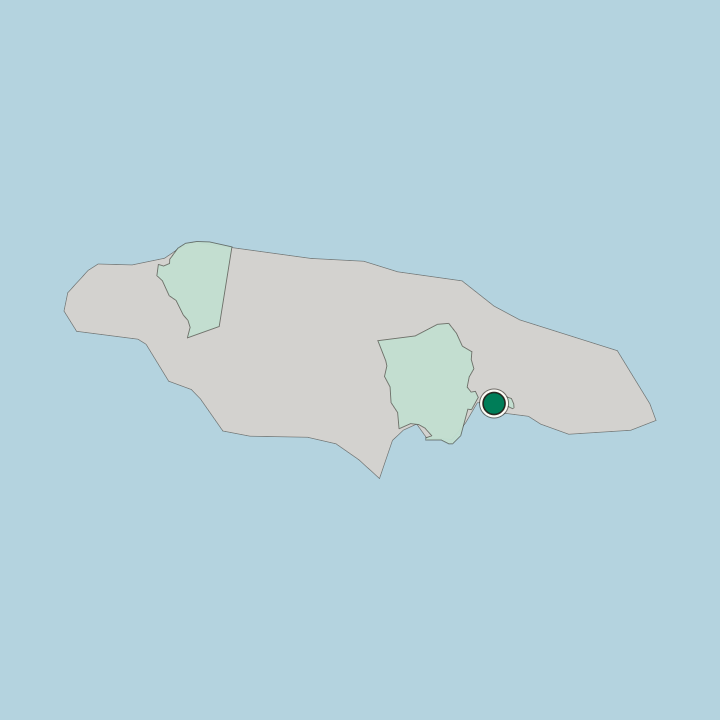
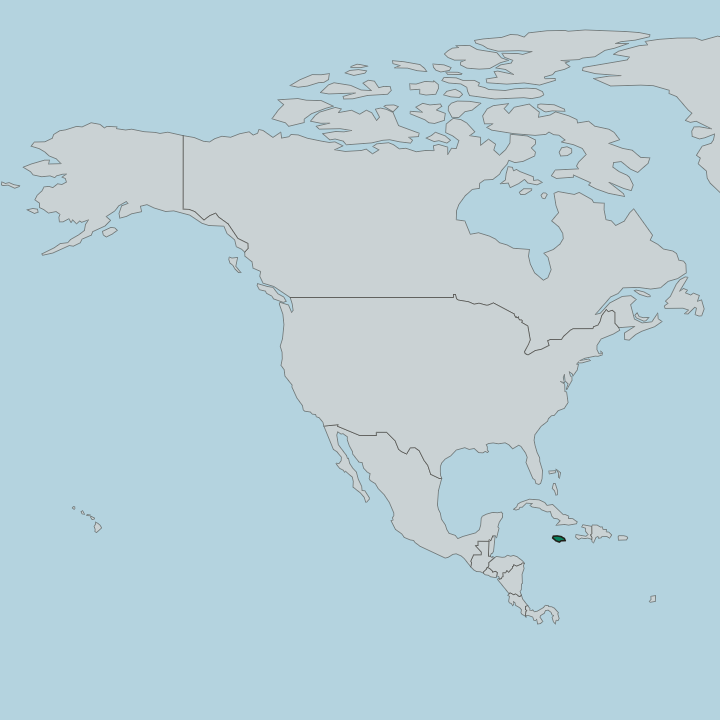
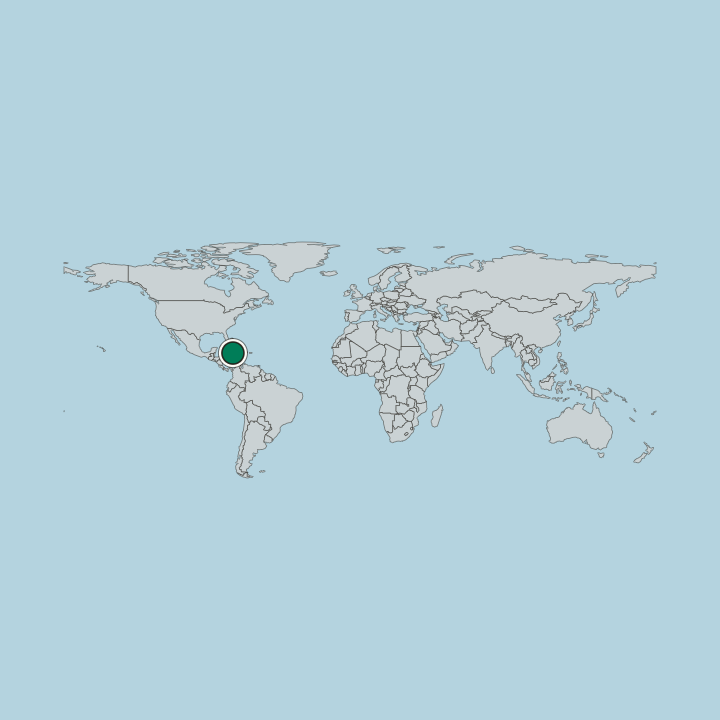
Kingston lies on the island of Jamaica, the largest city of the country and the seat of its own parish of Kingston. It rose on level ground. The flat land around the old grid stretches back from the water before it climbs toward the low hills that stand behind the built-up city and shelter it from the interior.
Warmth defines the setting. This low, tropical city has spread across its parish from the founding streets of 1692.
What is the climate of Kingston?
Kingston has a hot tropical climate, warm across the whole year on the island of Jamaica. The days stay hot and bright, with a rainy season that brings heavy afternoon downpours. Storms can arrive off the sea.
When they do, they sweep across the low ground before the sun returns and dries the streets around the old downtown. The hills behind the city catch the passing cloud.
How do you get to Kingston?
Most travellers reach Kingston by air. The international airport that serves the city handles arrivals from across the Americas and beyond, since Kingston anchors the island of Jamaica and draws much of the country's traffic to its harbour and terminals. Roads run out from the city across the parish of Kingston and along the island.
As the largest city, Kingston ties the national network together. Sea and air lead in.
Common questions
What is the best area to stay in Kingston?
The old downtown around the National Gallery of Jamaica: Georgian streets and the galleries of Kingston. The sporting grounds by the National Arena: Cricket and arena events in the parish of Kingston.
Good for
Updated September 2026