Kuwait · Al Asimah Governorate
Where to Stay in Kuwait City, Al Asimah Governorate
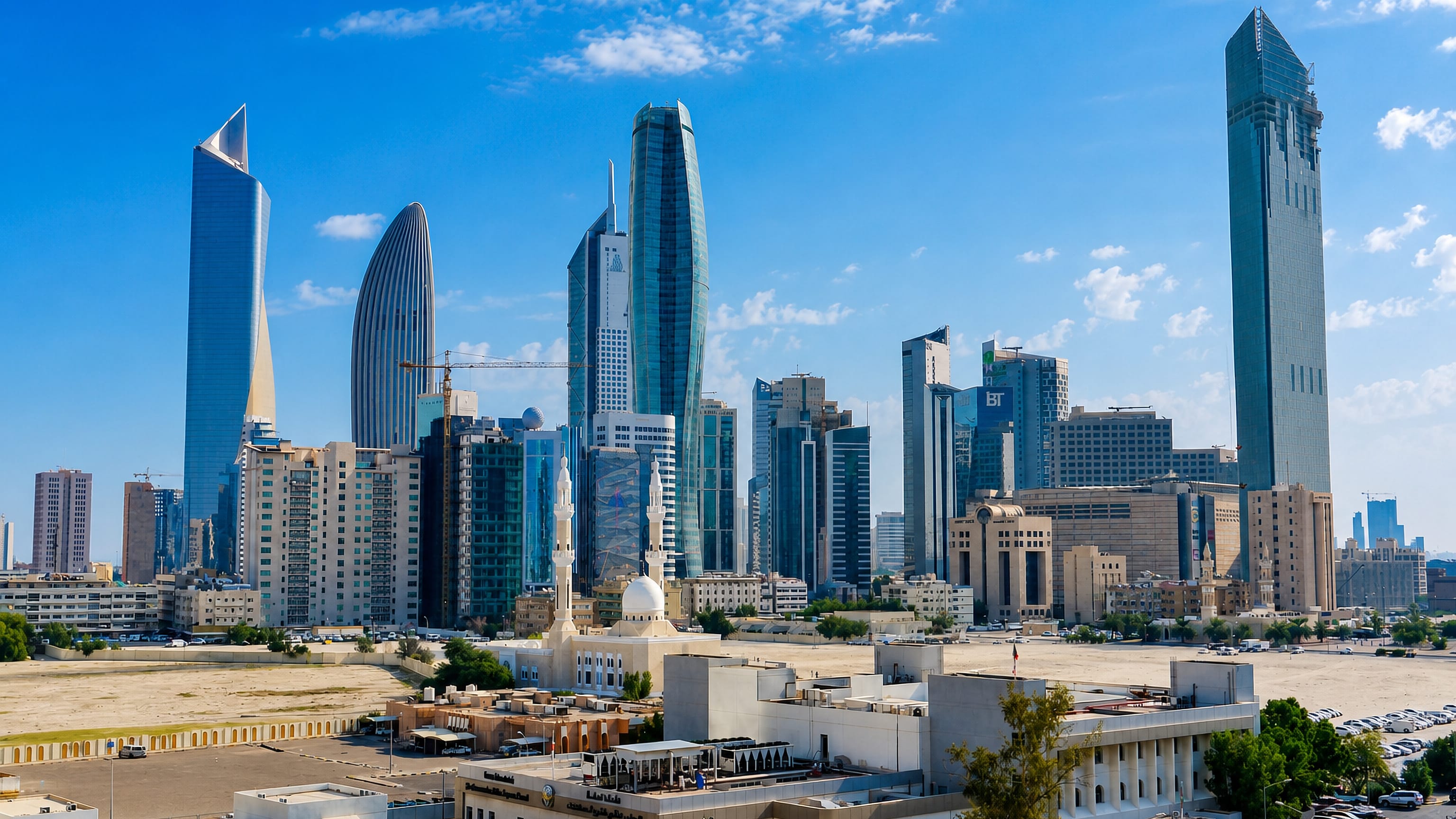
Kuwait City stands on the south shore of Kuwait Bay on the Persian Gulf, the capital of Kuwait, known for the Kuwait Towers and Sadu House.
Hotel links are affiliate links: booking through them may earn us a commission, at no extra cost to you. It never affects how places are ranked. How this works


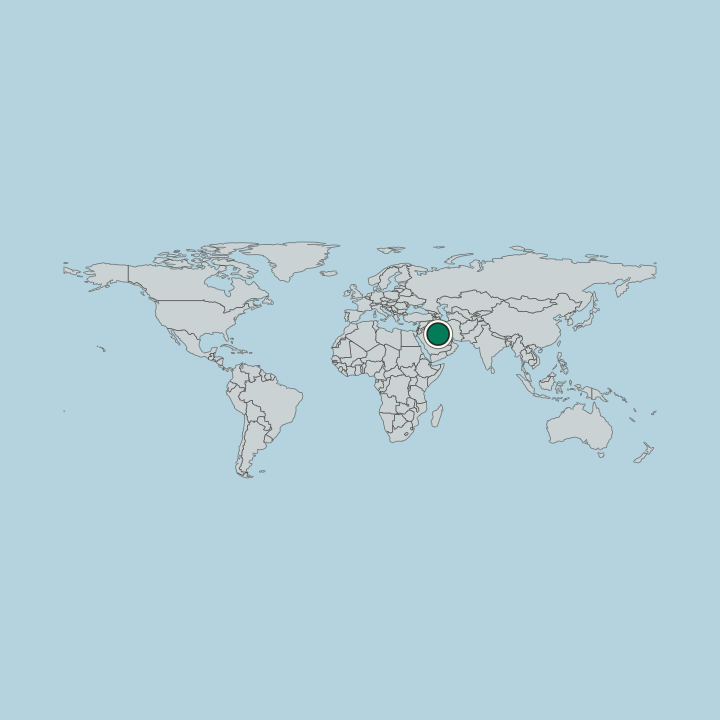
Where to stay in Kuwait City
Where visitors usually base themselves, and why.
Kuwait City runs along the south shore of Kuwait Bay, and where you stay depends on what draws you to the capital. The waterfront gathers around the Kuwait Towers and the seafront corniche, close to the Kuwait National Museum and the Persian Gulf itself. Base yourself here for the shore.
It suits travellers drawn to the bay, the towers, and the museums rather than the inland districts. The Kuwait Towers mark the seafront skyline. Museums and the old Sadu House line the ground behind the water.
Inland, the older heart of the city holds the heritage quarters around Sadu House and the Tareq Rajab Museum, the base for visitors here for the traditional crafts and collections. Sadu House keeps the old weaving traditions. This is the cultural core.
Museums range across the capital, from the Islamic Antiquities Museum of Kuwait to the Museum of Modern Art, spread through the districts of the Al Asimah Governorate. The city stretches back from Kuwait Bay, so the seafront and the inland quarters lie apart and a car helps. Choose the waterfront for the towers and the bay, the old heart for the museums and crafts.
Find hotels in Kuwait City
Direct booking searches for these neighbourhoods.
The Kuwait Bay waterfront by the Kuwait Towers
The corniche along the south shore of Kuwait Bay where the Kuwait Towers rise over the Persian GulfFind hotels in The Kuwait Bay waterfront by the Kuwait TowersTraditional crafts and museums of the Al Asimah GovernorateThe old heart around Sadu House
The cultural core of Kuwait City around Sadu House and the Tareq Rajab Museum, back from the seafrontFind hotels in The old heart around Sadu HouseHotel links are affiliate links: booking through them may earn us a commission, at no extra cost to you. It never affects how places are ranked. How this works
Things to do in Kuwait City
Ranked by global recognition; descriptions from Wikidata (CC0).
Museums & Galleries
3- Kuwait National Museum
- Sadu House
- Tareq Rajab Museum
Stadiums & Sports
1- Fajhan Hilal Al-Mutairi Court
Landmarks & Notable Places
1- Kuwait Towers Heritage
worth knowingacross 3 categories in Kuwait City
About Kuwait City
What is Kuwait City known for?
Kuwait City is known as the capital and largest city of Kuwait, set on the south shore of Kuwait Bay. The Kuwait Towers rise over the waterfront as its best-known sight, while the Kuwait National Museum and Sadu House hold the country's heritage. It sits on the Persian Gulf.
The city grew from an old trading and pearling town into the political and economic heart of the emirate, seat of the Al Asimah Governorate.
What are the main landmarks in Kuwait City?
Kuwait City's landmarks run from the seafront towers to the heritage museums. The Kuwait Towers stand over Kuwait Bay as the signature of the city. Everything else is museum ground.
The Kuwait National Museum, the Tareq Rajab Museum, the Islamic Antiquities Museum of Kuwait, and the Museum of Modern Art gather the country's collections, while Sadu House keeps its weaving traditions and the Fajhan Hilal Al-Mutairi Court stands among the old quarters.
What is the history of Kuwait City?
Kuwait City was founded in 1752 as a walled town on the south shore of Kuwait Bay. For its first centuries it lived by the sea, a port of pearling and trade set on the Persian Gulf. The bay made the town.
Sheltered water drew dhows and traders, and the settlement grew behind a wall as a harbour of the northern gulf. Pearling and shipping built the early economy. Sadu House recalls the crafts of those older desert and seafaring years.
The city rose to become the capital of Kuwait and the seat of the Al Asimah Governorate, its old walls long gone. Oil wealth in the twentieth century remade the town, and towers replaced the low buildings of the harbour. The Kuwait Towers came to crown the modern skyline above the bay, while the Kuwait National Museum gathered the story of the older city.
Trade gave way to oil. What began as a pearling port founded in 1752 grew into the political and economic heart of the emirate on the Persian Gulf.
Where is Kuwait City?
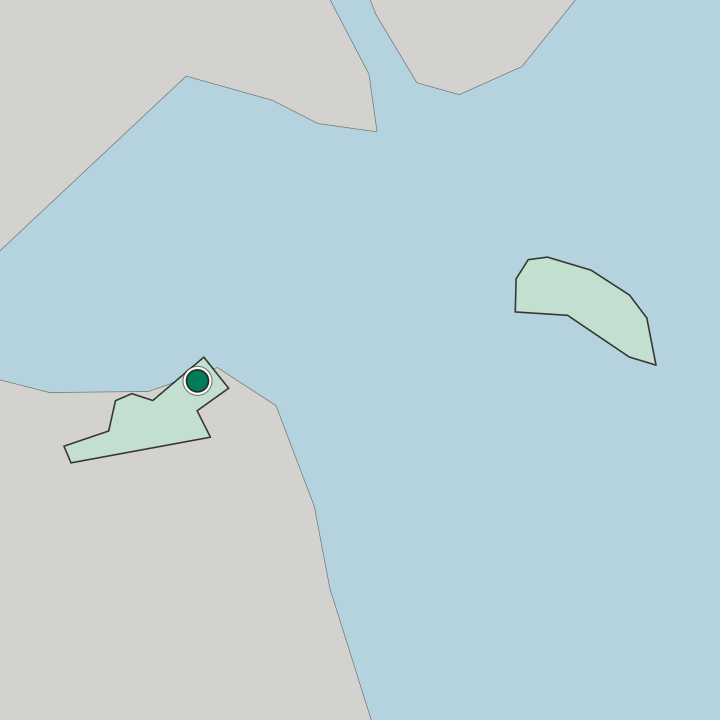
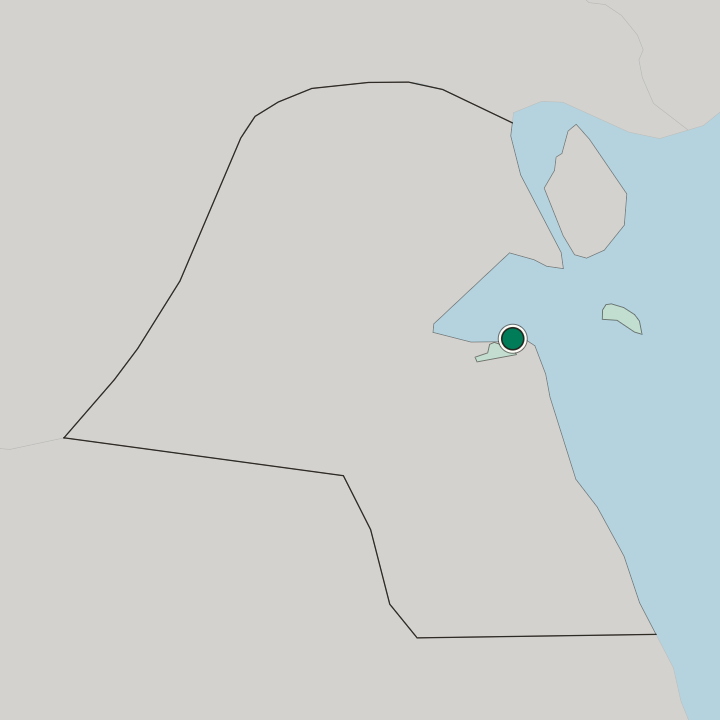
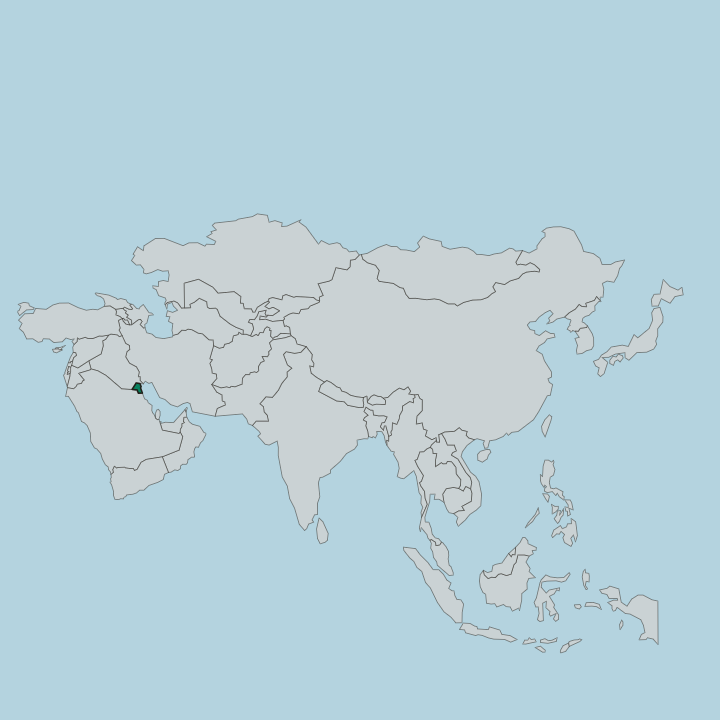
Kuwait City lies on the south shore of Kuwait Bay, at the head of the Persian Gulf. It is the capital and largest city of Kuwait and the seat of the Al Asimah Governorate. The city faces the sheltered bay.
From the seafront the land runs back into flat, dry desert ground rather than any hills or river valley. The gulf coast defines it.
What is the climate of Kuwait City?
Kuwait City has a hot desert climate at the head of the Persian Gulf. Summers are long and scorching, with fierce sun and dry winds off the desert behind the bay. Rain is rare.
When it falls, it comes in brief winter showers before the dry heat returns to the shore of Kuwait Bay. Dust storms sweep in from the inland desert through the hottest months.
How do you get to Kuwait City?
Most travellers reach Kuwait City by air. The international airport that serves the capital handles arrivals from across the region and beyond, since the city anchors the head of the Persian Gulf and draws the country's traffic to its port on Kuwait Bay. Roads and highways link Kuwait City to the rest of Kuwait and across the Al Asimah Governorate.
As the capital, it ties the national network together at the gulf. Sea and air lead in.
Common questions
What is the best area to stay in Kuwait City?
The Kuwait Bay waterfront by the Kuwait Towers: The seafront towers and the bay of Kuwait City. The old heart around Sadu House: Traditional crafts and museums of the Al Asimah Governorate.
Good for
Updated October 2026