Laos · Vientiane Prefecture
Where to Stay in Vientiane, Vientiane Prefecture
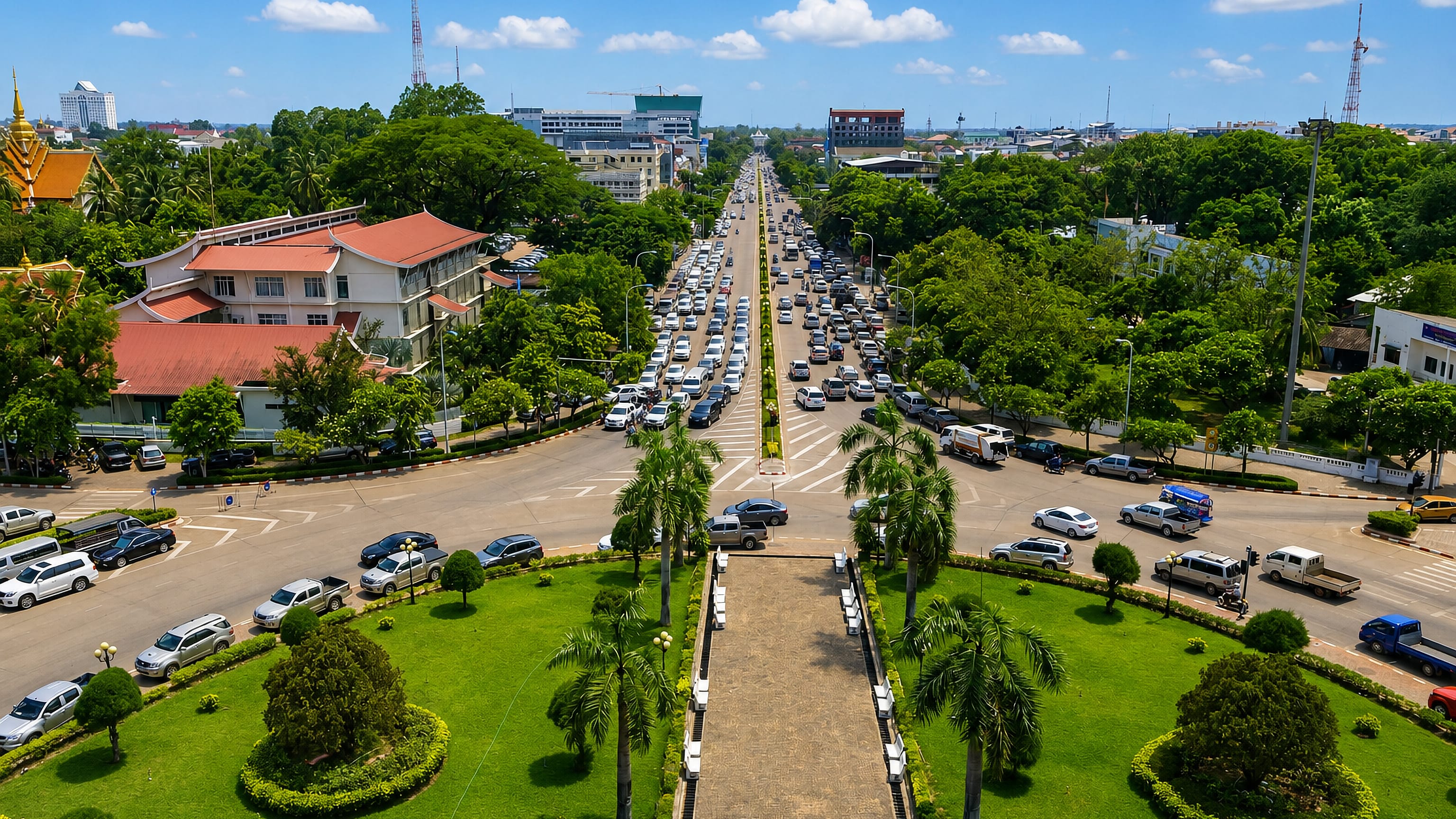
The Mekong runs past Vientiane, the capital of Laos, a riverside city of Buddhist temples founded in 1560 and crowned by the gilded Pha That Luang.
Hotel links are affiliate links: booking through them may earn us a commission, at no extra cost to you. It never affects how places are ranked. How this works


Where to stay in Vientiane
Where the beds are, and what that means for the visit.
Vientiane spreads across five urban districts of Vientiane Prefecture, and most visitors base themselves along the Mekong in the old riverside core near Pha That Luang and Haw Phra Kaew. The river frames the choice. Stay by the water and you wake to the Mekong and the Thai bank beyond, with temples, the night market, and cafes in French-Indochinese buildings within an easy walk, which suits a first stay in the capital of Laos.
Away from the waterfront, the districts around Pha That Luang and the Kaysone Phomvihane Museum give a quieter, more residential base still close to the centre. These inland quarters hold the civic Vientiane of ministries and museums, from the Vientiane Museum of Contemporary Arts to the Laos National Stadium, rather than the tourist strip. If you want calm evenings and short taxi rides to the river, this is the side of the city to choose; if you want the Mekong at your doorstep, keep to the riverside blocks instead.
Find hotels in Vientiane
Direct booking searches for these neighbourhoods.
Riverside core
The old waterfront blocks near Haw Phra Kaew face the Mekong and the Thai bank, wrapping temples, the night market, and French-Indochinese cafes into one walkable stretch.Find hotels in Riverside coreQuieter civic stays near the great stupaPha That Luang quarter
The inland district around Pha That Luang and the Kaysone Phomvihane Museum trades the tourist strip for ministries, museums, and short taxi rides back to the river.Find hotels in Pha That Luang quarterHotel links are affiliate links: booking through them may earn us a commission, at no extra cost to you. It never affects how places are ranked. How this works
About Vientiane
What is Vientiane known for?
Vientiane is known as the capital of Laos and a centre of Lao Buddhism on the Mekong. Its emblem is the gilded stupa. Pha That Luang stands as an icon of the faith, while Haw Phra Kaew, which once housed the Emerald Buddha, and the Sacred Heart Cathedral mark the layers of temple and colonial history that the city carries beside the river.
What are the main landmarks in Vientiane?
Vientiane holds the gilded stupa of Pha That Luang, the great icon of Buddhism in Laos, at the head of its landmarks. Temples anchor the city. Haw Phra Kaew, which formerly housed the Emerald Buddha, stands near the river, while the Sacred Heart Cathedral, the Kaysone Phomvihane Museum, the Vientiane Museum of Contemporary Arts, and the Laos National Stadium round out the civic and colonial sights of the capital.
What is the history of Vientiane?
Vientiane was founded in 1560, when it rose as a seat on the Mekong and grew into the leading city of the middle river. The date sets its age. From that founding the city gathered the Buddhist temples that still define it, among them Haw Phra Kaew, which was built to house the Emerald Buddha before the image left the city, and Pha That Luang, the gilded stupa that became the emblem of the faith in Laos.
Centuries later Vientiane served as the administrative capital during French rule, and that era left the French-Indochinese architecture and the Sacred Heart Cathedral among its temples. The layering of Lao Buddhist foundation and colonial administration gave the city its double character on the Mekong. Both threads survive.
The stupa and the cathedral, the old temples and the ministries, together record how a river seat founded in 1560 became the modern capital of Laos.
Where is Vientiane?
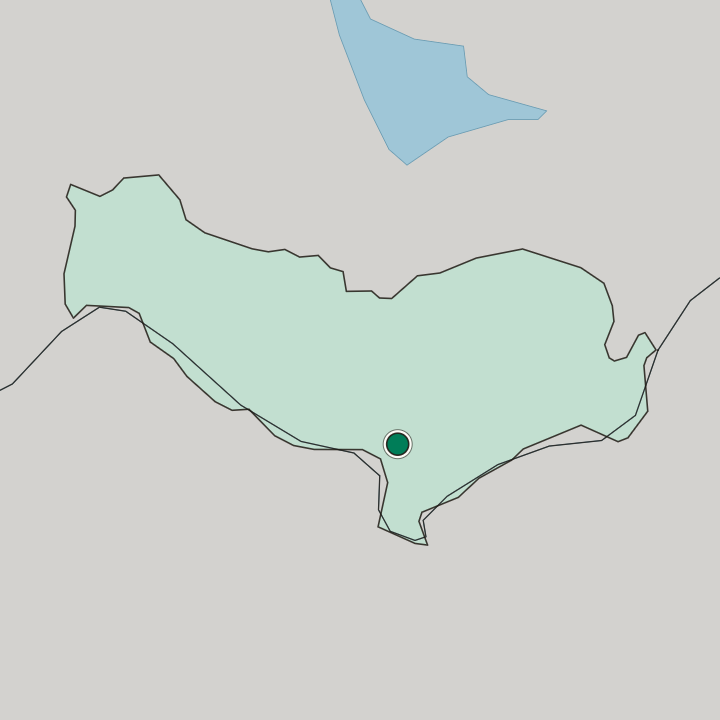
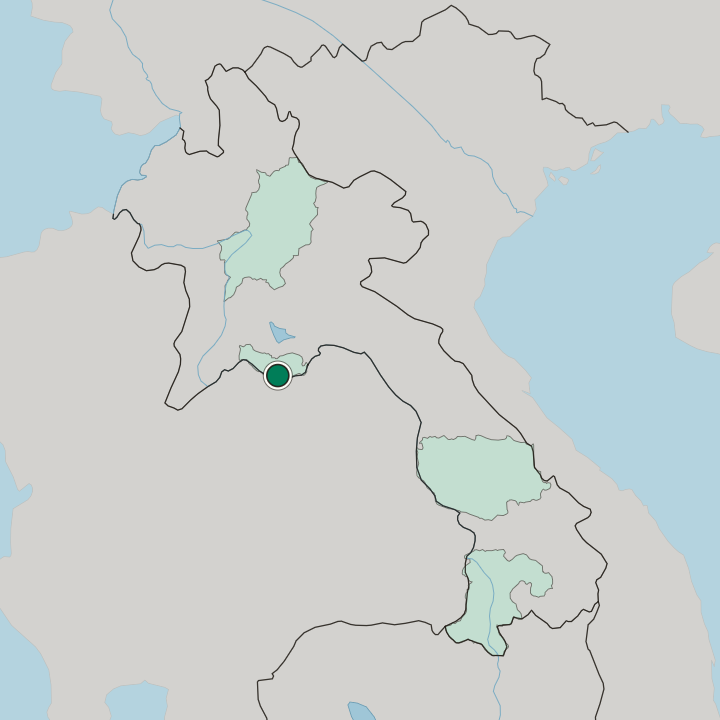
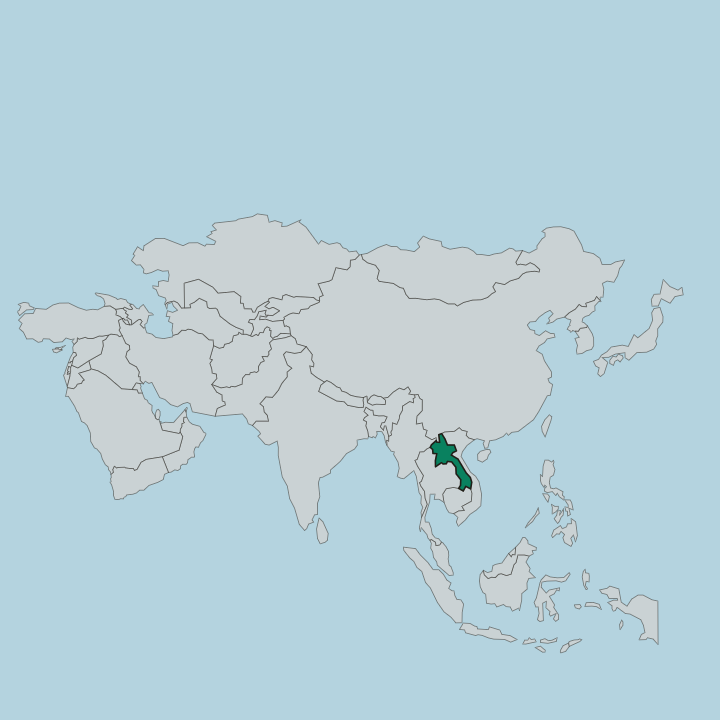
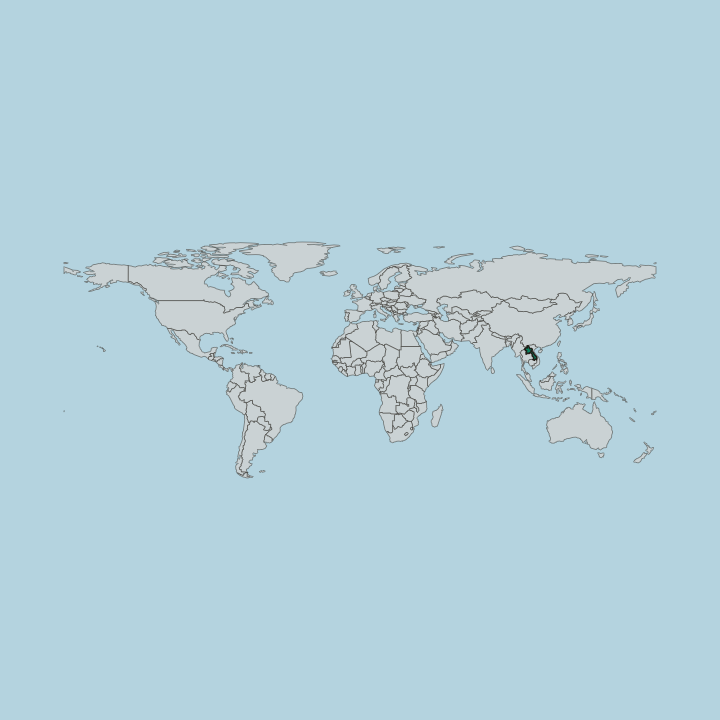
Vientiane sits on the banks of the Mekong in Vientiane Prefecture, close to the border with Thailand across the river. The water sets its edge. The city comprises the five urban districts of the prefecture and lies in the tropical lowlands of Laos, so the Mekong forms both its western boundary and the line that separates the capital from Thailand on the far bank.
What is the climate of Vientiane?
Vientiane has a tropical climate on the Mekong, warm across the year in the lowland heart of Laos. Heat holds through the seasons. The year turns on wet and dry spells rather than deep cold, and the river beside the city keeps the capital of Laos in the same warm band that governs Vientiane Prefecture around it.
How do you get to Vientiane?
Vientiane lies on the Mekong close to the border with Thailand, which makes the river crossing the main overland approach to the capital of Laos. The border sits at the doorstep. Travellers reach the city from the Thai side across the Mekong or arrive directly into the capital, then fan out through the five urban districts of Vientiane Prefecture.
Common questions
What is the best area to stay in Vientiane?
Riverside core: First-time visitors who want the Mekong at their doorstep. Pha That Luang quarter: Quieter civic stays near the great stupa.
Good for
Updated September 2026