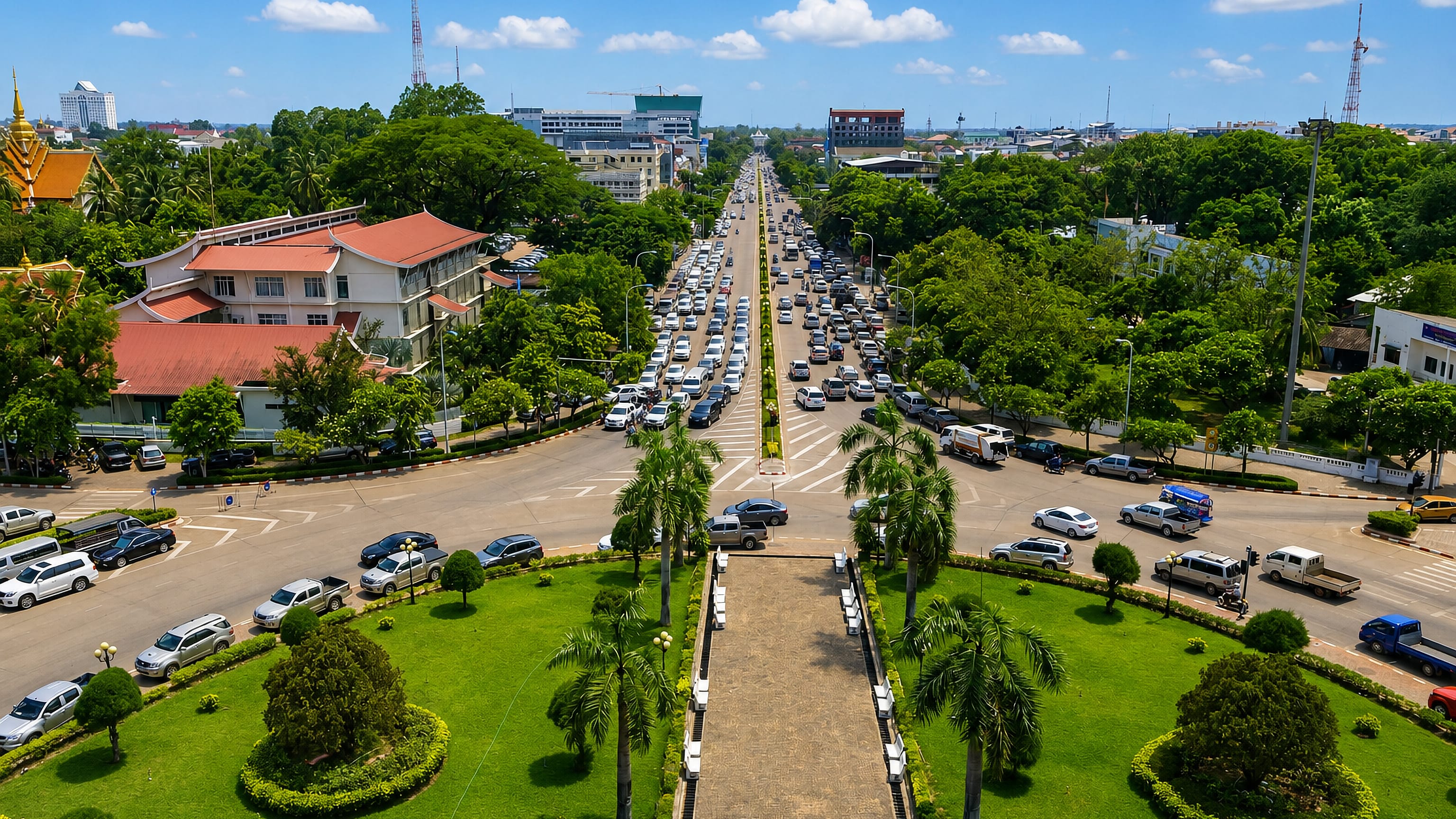
Laos: Regions, Cities & Travel Guide
Laos is the only landlocked country in Southeast Asia, threaded by the Mekong and ruled from Vientiane.
Hotel links are affiliate links: booking through them may earn us a commission, at no extra cost to you. It never affects how places are ranked. How this works


Top destinations in Laos
Cities to start from, then drill into areas and hotels.
 Laos
Laos
Vientiane
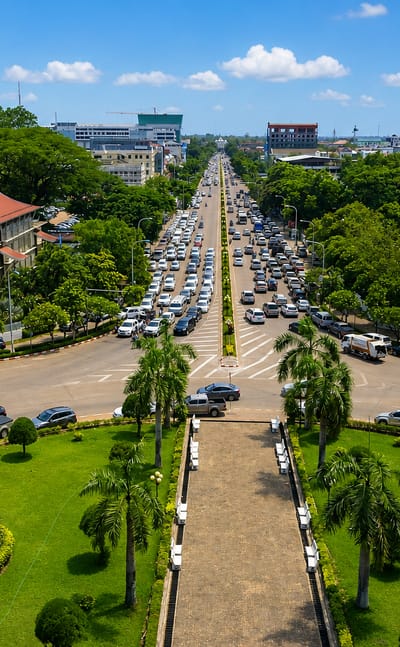
The Mekong runs past Vientiane, the capital of Laos, a riverside city of Buddhist temples founded in 1560 and crowned by the gilded Pha That Luang.Where to stay →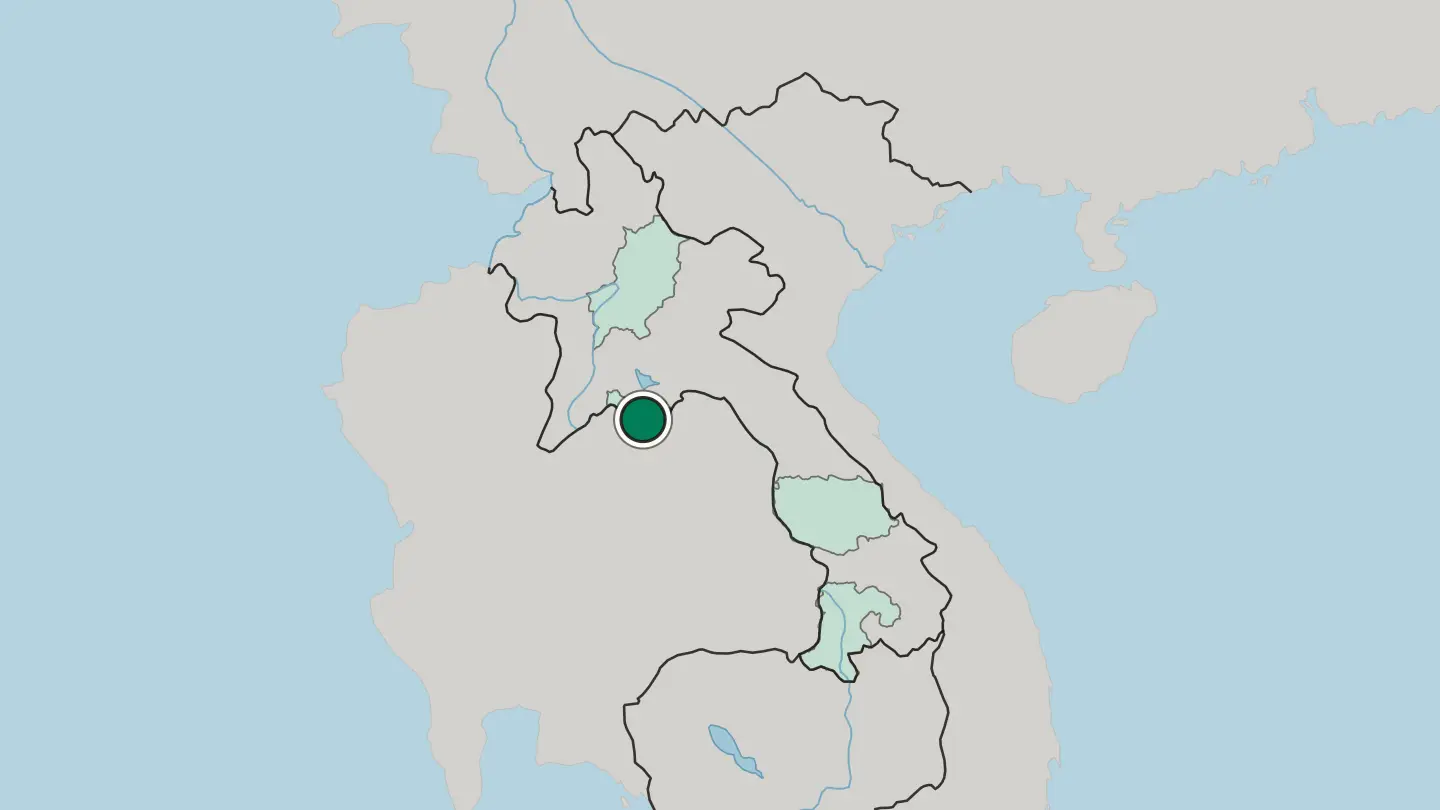
 Laos
Laos
Luang Prabang
Luang Prabang is a town of northern Laos on the Mekong, the kingdom's old royal capital, a world-heritage place of gold-roofed temples and morning alms.Where to stay →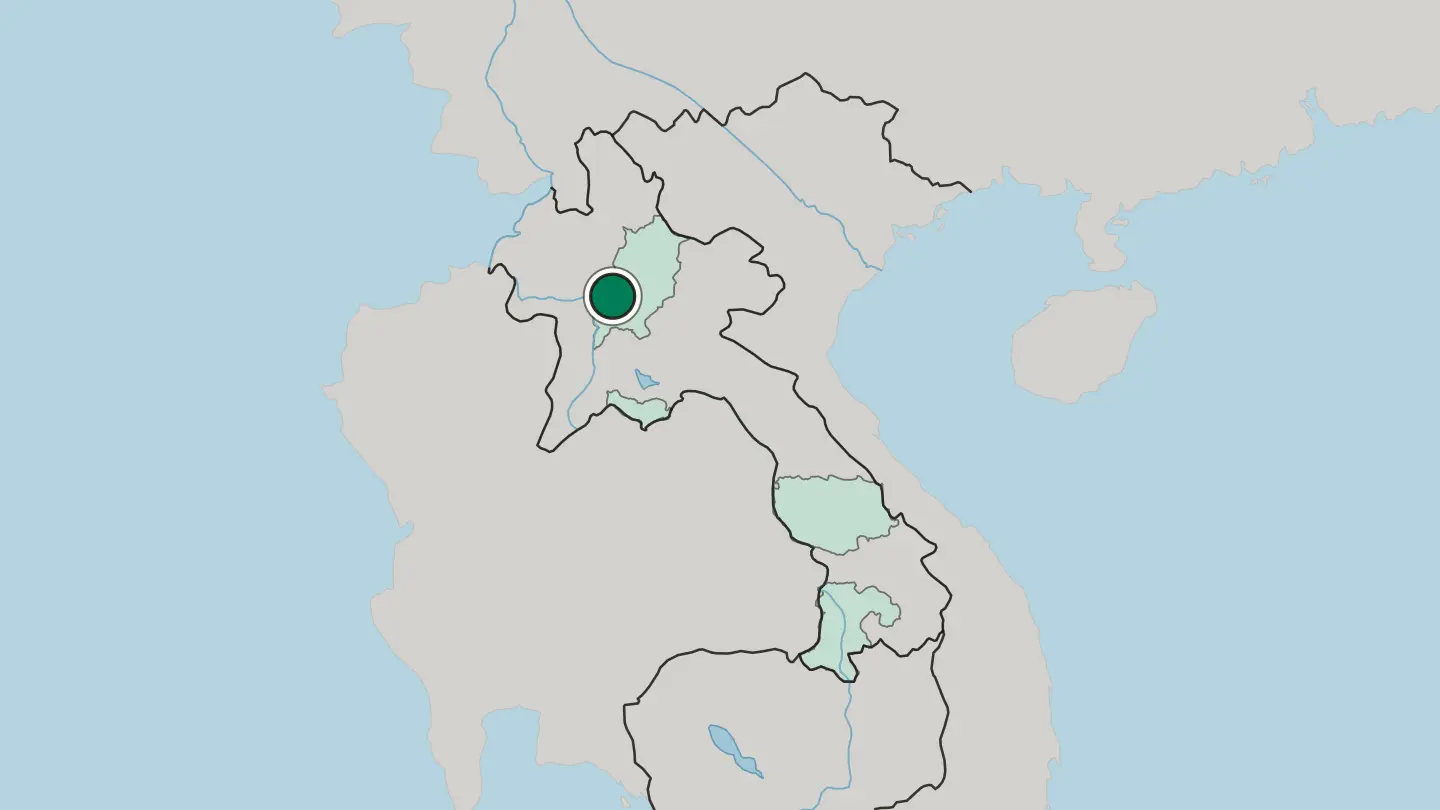
 Laos
Laos
Pakse
Pakse is the capital of Champasak province in Laos, standing where the Xe Don joins the Mekong.Where to stay →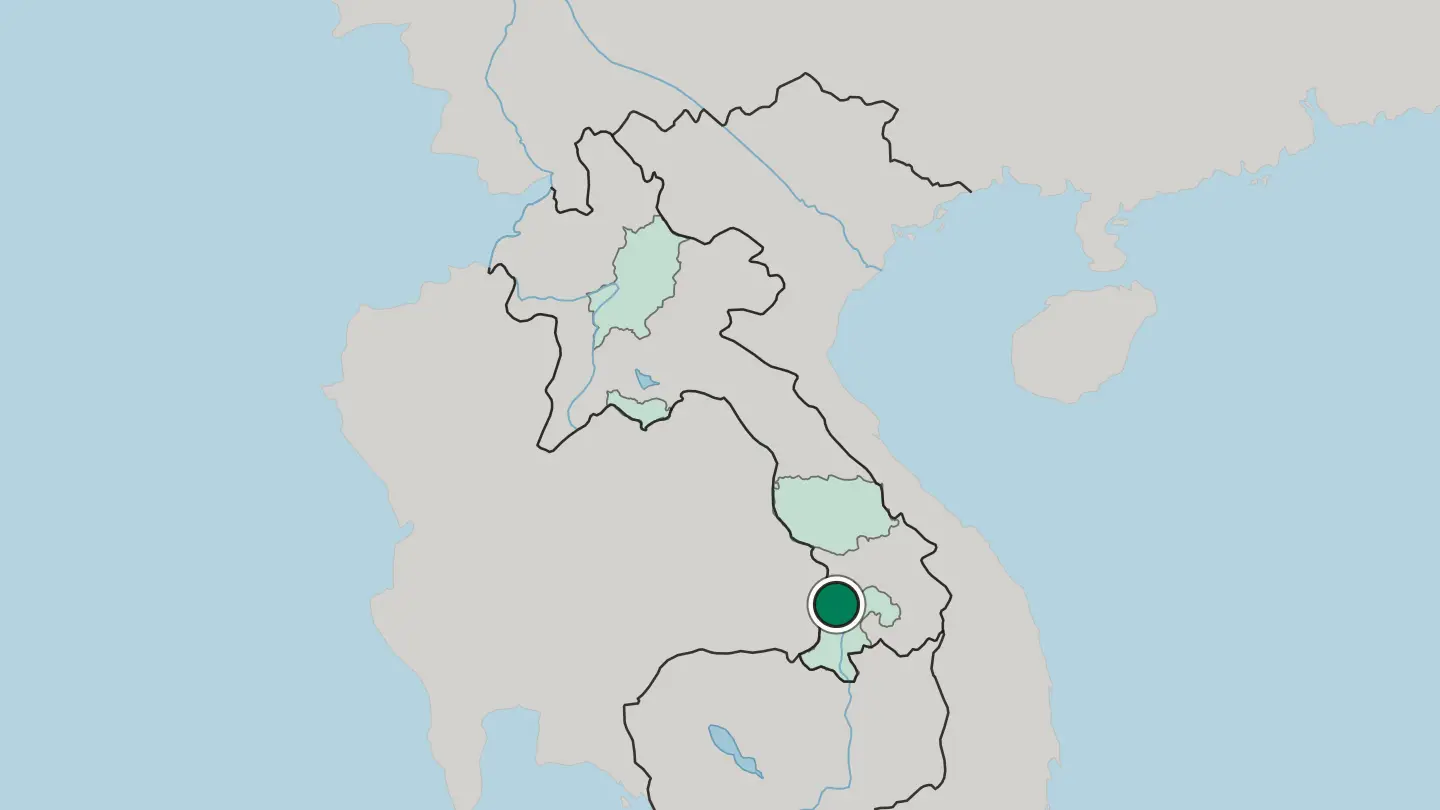
 Laos
Laos
Savannakhet
Savannakhet, officially Kaysone Phomvihane since 2005, is the second-largest city in Laos, capital of Savannakhet Province and set on the Mekong River.Where to stay →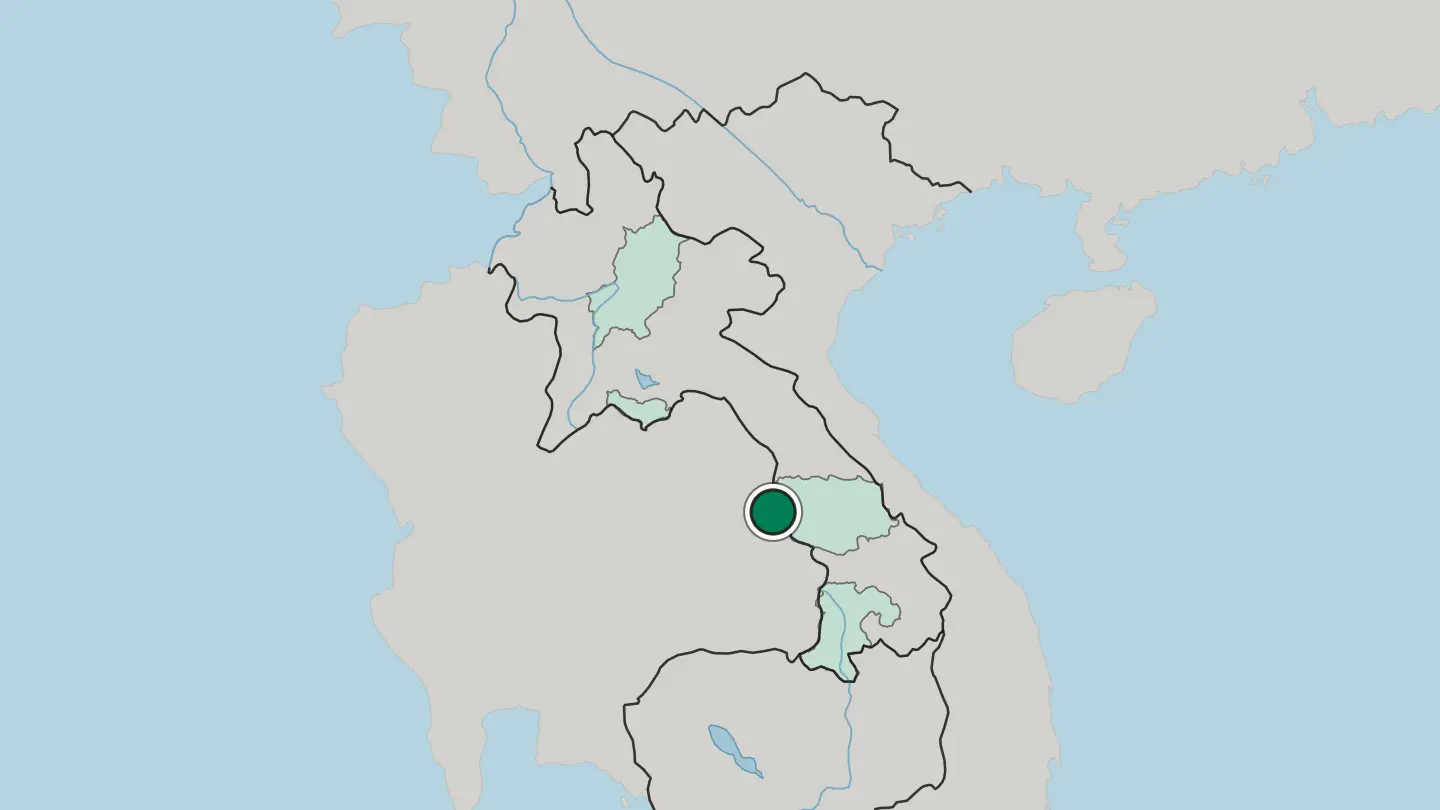
Hotel links are affiliate links: booking through them may earn us a commission, at no extra cost to you. It never affects how places are ranked. How this works
Regions of Laos
Laos
Champasak
Champasak is a Lao province on the Mekong, holding the Khmer ruins of the Champasak Cultural Landscape and the island reach of Si Phan Don.Towns & cities →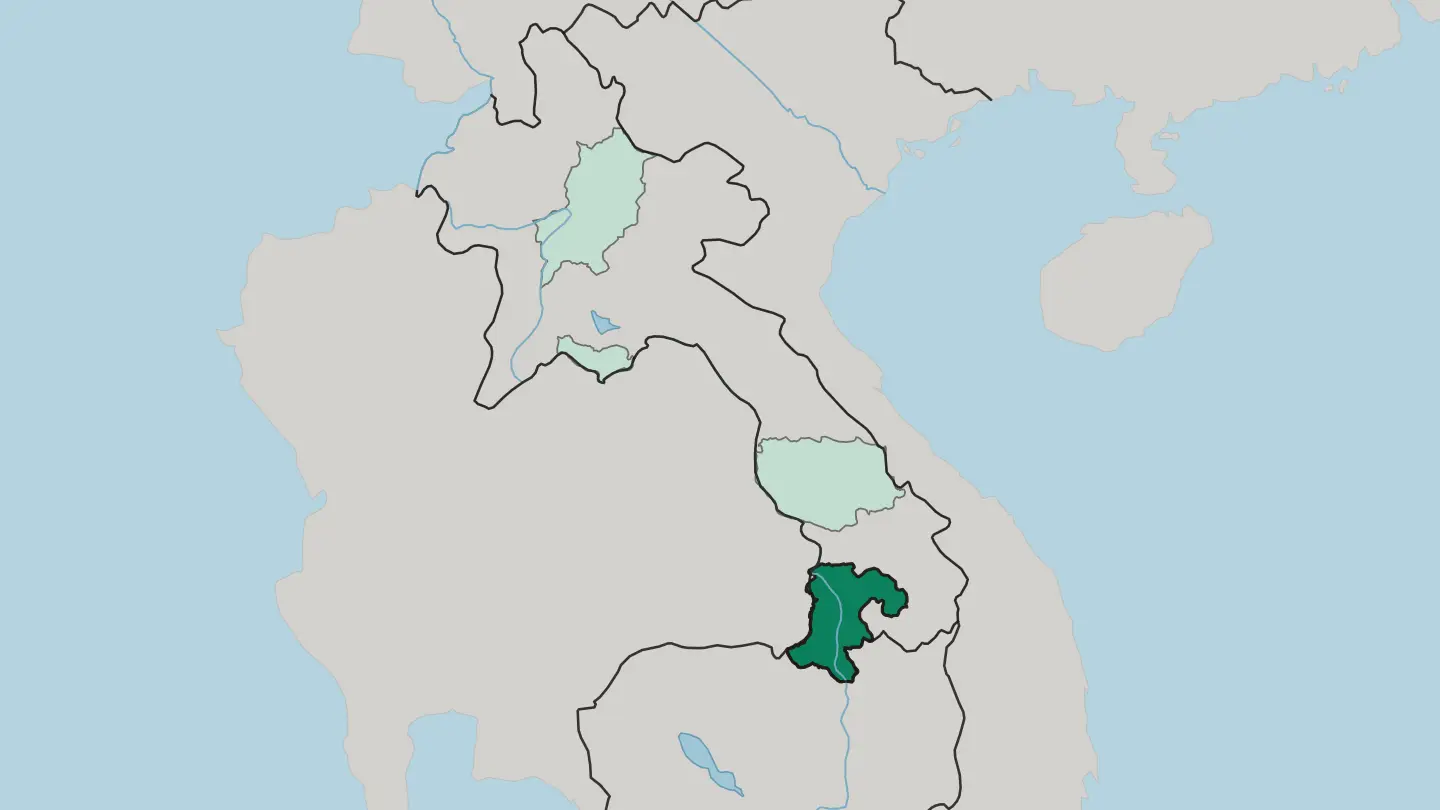 Laos
Laos
Khouèng Savannakhét
Khouèng Savannakhét is the largest province of Laos, its Pali-Sanskrit name reading as a field of gold, reaching from Thailand across to Vietnam.Towns & cities →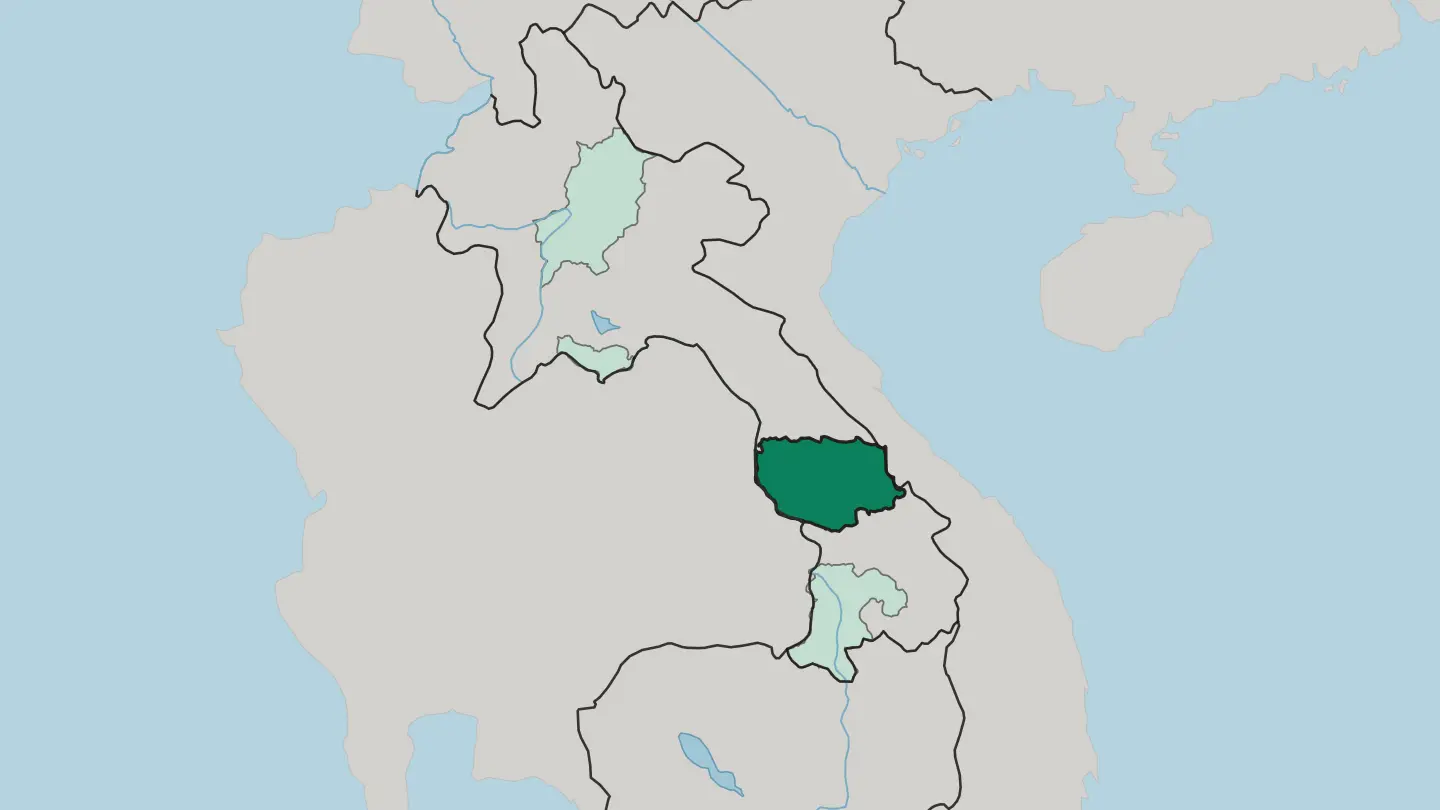 Laos
Laos
Luang Prabang Province
Luang Prabang Province takes its name from its capital, seat of the Lan Xang Kingdom and a UNESCO World Heritage Site listed since 1995.Towns & cities →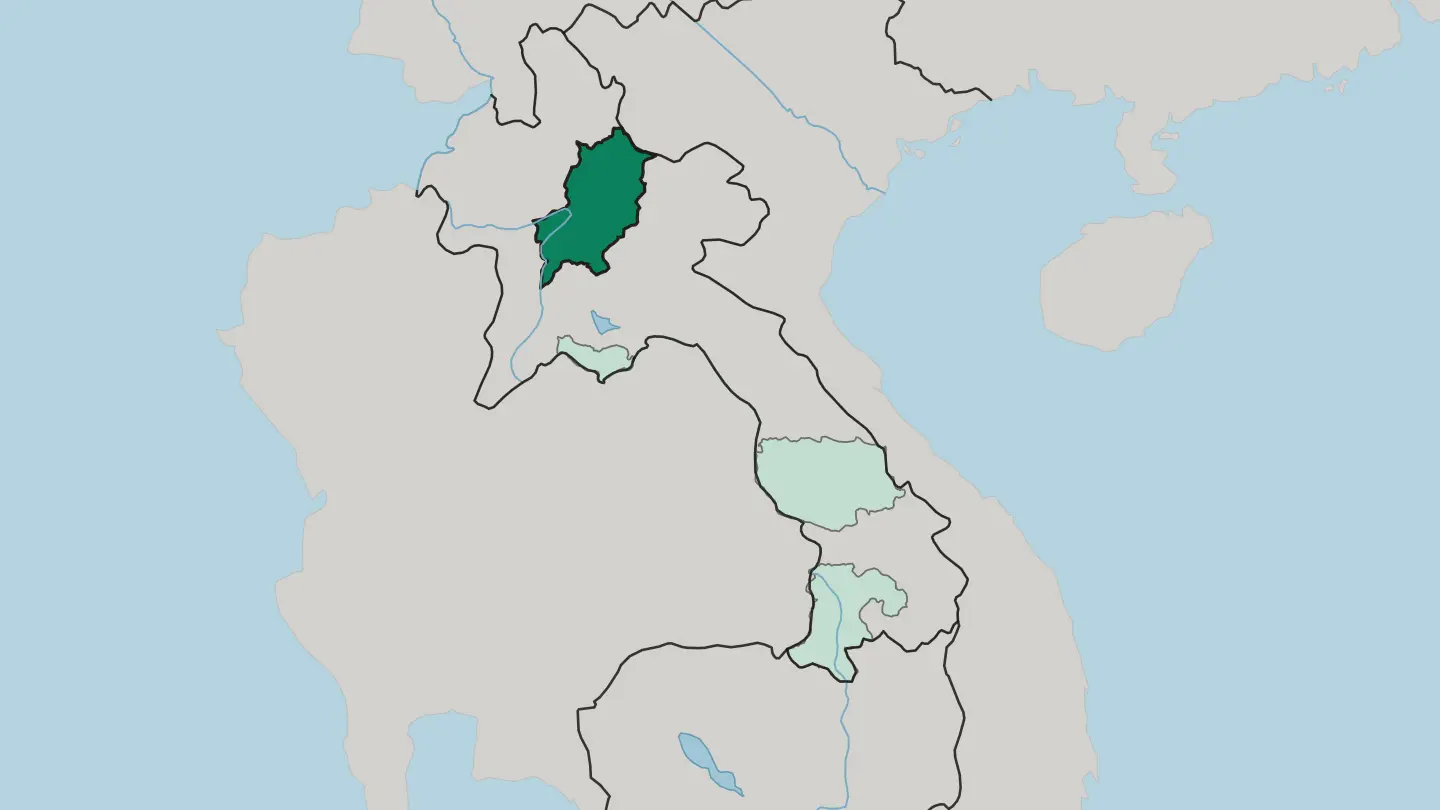 Laos
Laos
Vientiane Prefecture
Vientiane Prefecture holds the national capital of Laos in the country's northwest, an administrative unit carved from Vientiane province in 1989.Towns & cities →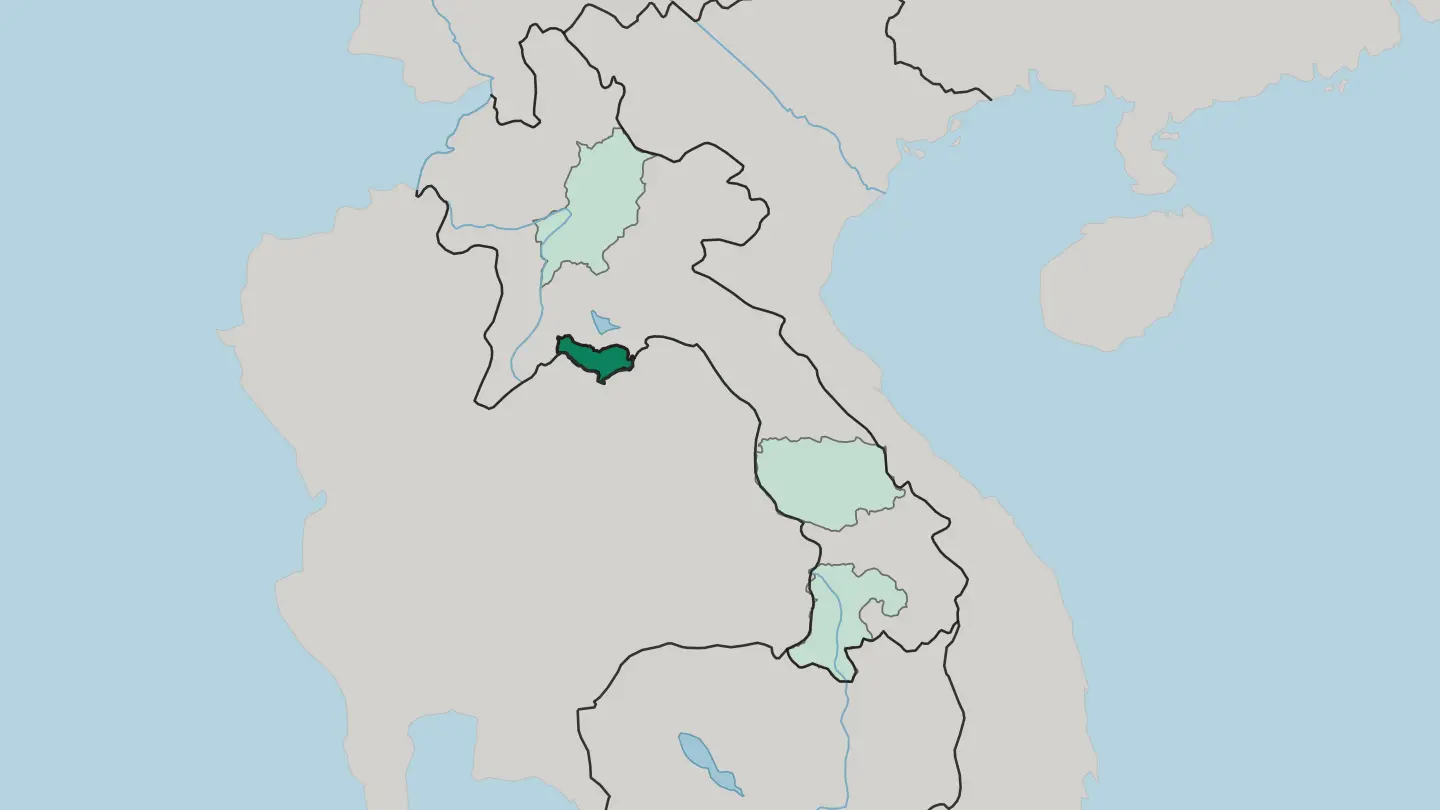
About Laos
What is Laos known for?
Laos holds four UNESCO World Heritage Sites, and each tells a different story. Luang Prabang is a town of gilded temples and saffron-robed monks at the meeting of the Mekong and the Nam Khan. In the far south, the Khmer sanctuary of Vat Phou climbs a hillside above the Champasak plain, while the megalithic Plain of Jars scatters thousands of stone vessels across the northern uplands. The newest, Hin Nam No, guards a wild limestone karst of caves and jungle along the Vietnamese border.
The country trades on quiet. Slow river days, mountain coffee, and old French shophouses draw travellers who want Southeast Asia without the crowds.
Where is Laos?
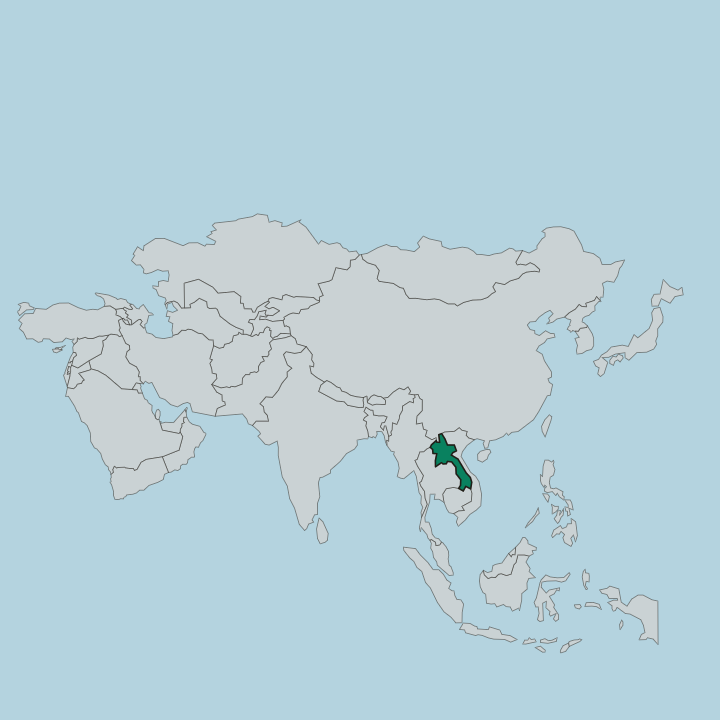
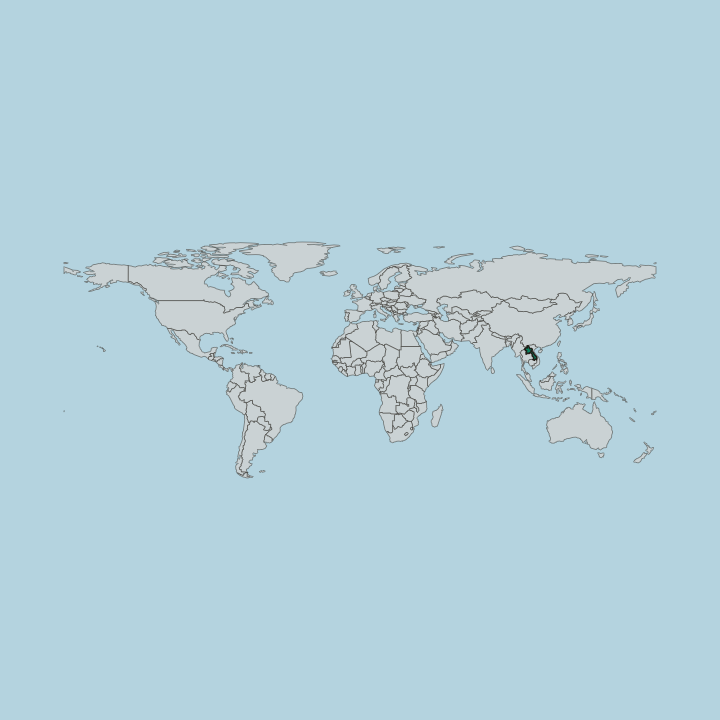
Laos sits at the heart of mainland Southeast Asia, the one country in the region with no coast. Its shape is unmistakable: a long body in the north tapering into a narrow panhandle that reaches down toward Cambodia. The Mekong does most of the ordering.
The river runs the length of the country from the Chinese border in the north to the far south, tracing much of the western boundary with Thailand and gathering nearly every tributary that drains the interior. Mountains fill the rest. Roughly seven parts in ten of the land is highland, ridge, and steep valley rather than plain.
The relief is not uniform. Along the eastern edge the Annamite Range walls Laos off from Vietnam for most of that border, while the Luang Prabang Range corrugates the north-west. Phou Bia, the country's highest summit, rises in the north-central highlands above the surrounding plateaus.
Two upland shelves stand out. The Plain of Jars spreads across the Xiangkhoang uplands in the north, and the fertile, coffee-growing Bolaven Plateau lifts above the southern panhandle in Champasak. Between the ranges the Mekong lowlands hold most of the towns, the rice, and the people.
From northern peaks to southern islands the drop is long.
What is the history of Laos?
The Lao trace their first great state to Lan Xang, the Kingdom of a Million Elephants, founded in 1354 with its seat at Luang Prabang. For centuries it controlled overland trade across the middle Mekong before splitting in 1707 into rival kingdoms centred on Luang Prabang, Vientiane, and Champasak. That fracture left the country exposed.
Siamese armies sacked Vientiane in the early nineteenth century, carrying off its treasures and its people. France drew the three kingdoms together under a protectorate from 1893, folding Laos into French Indochina and leaving the shuttered shophouses and baguettes still found in the towns. Independence came in stages.
The French recognised an autonomous Laos in 1949, and full sovereignty followed in 1953 as the Kingdom of Laos under Sisavang Vong. Then came the long war. Decades of civil conflict, entangled with the fighting in neighbouring Vietnam, made Laos one of the most heavily bombed countries on earth.
In December 1975 the communist Pathet Lao ended the monarchy and proclaimed the Lao People's Democratic Republic, the single-party state that governs from Vientiane still. The kingdoms are gone; the river endures.
What is Laos like?
Theravada Buddhism gives Lao life its rhythm, and nowhere shows it better than the dawn alms round in Luang Prabang, where lines of monks walk the streets to receive rice from kneeling townsfolk. The faith blends with older spirit belief. The baci, a ceremony of blessing in which white cotton threads are tied around the wrist, marks weddings, departures, and homecomings across every ethnic group.
Laos is far from one people, though. Alongside the lowland Lao live the Hmong, the Khmu, and dozens of other groups spread through the mountains, each with its own dress, language, and rites. Food carries the same identity.
Sticky rice is the national staple, rolled by hand from a woven basket and dipped into laap, the minced-meat salad whose name puns on luck. The golden stupa of Pha That Luang in Vientiane is the country's national symbol, and its November festival draws pilgrims from across the land. Craft runs deep.
Handwoven silk, silverwork, and the saa paper of the northern villages fill the markets. It is a culture that prizes calm, patience, and the slow courtesy that travellers remember long after they leave.
What is the climate of Laos?
Laos runs on a tropical monsoon calendar of two clear seasons. The rains arrive with the south-west monsoon from May to October, greening the paddies and swelling the Mekong, and the Bolaven Plateau soaks up more than almost anywhere else in the country. Then the taps close.
The dry season from November to April splits into a cool early stretch, when the northern hills can turn genuinely chilly, and a hot, hazy run through March and April. Altitude matters as much as the calendar. Luang Prabang and the highlands stay cooler than the sultry Mekong lowlands year-round.
How do you get to Laos?
For most travellers, Laos begins with a flight. Wattay International Airport in Vientiane is the main gateway, with Luang Prabang a close second for flights from Bangkok, Chiang Mai, and Siem Reap. There is another option now.
The Laos-China Railway threads the mountains from the Chinese border at Boten down through Luang Prabang and Vang Vieng to Vientiane, turning what were long road journeys into a few smooth hours. Overland crossings from Thailand over the Mekong friendship bridges add a third route. Once inside, the country is small enough that the train and short flights knit the main stops together.
Good for
Updated September 2026