Sri Lanka · Central Province
Where to Stay in Dambulla, Central Province
Dambulla is a town of central Sri Lanka, famed for its cave temple carved into a rock, a place of Buddha statues and frescoes at the dry-zone edge.
Hotel links are affiliate links: booking through them may earn us a commission, at no extra cost to you. It never affects how places are ranked. How this works


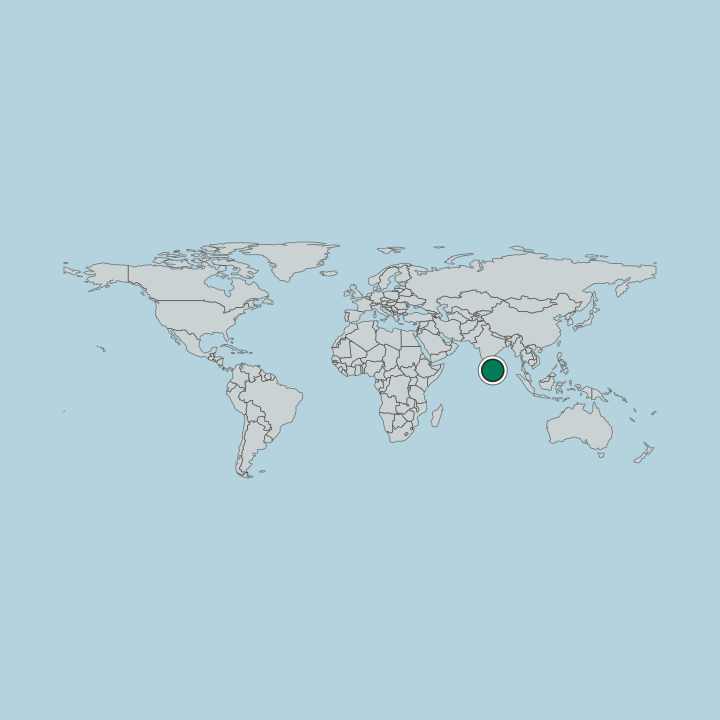
Where to stay in Dambulla
How the choice of base plays out on the ground.
Where you stay in Dambulla turns on the rock or the tanks. The streets around the temple keep the caves, the golden shrine, and the market within a walk, and staying in the town suits anyone here for the temple. The great rock towers close by.
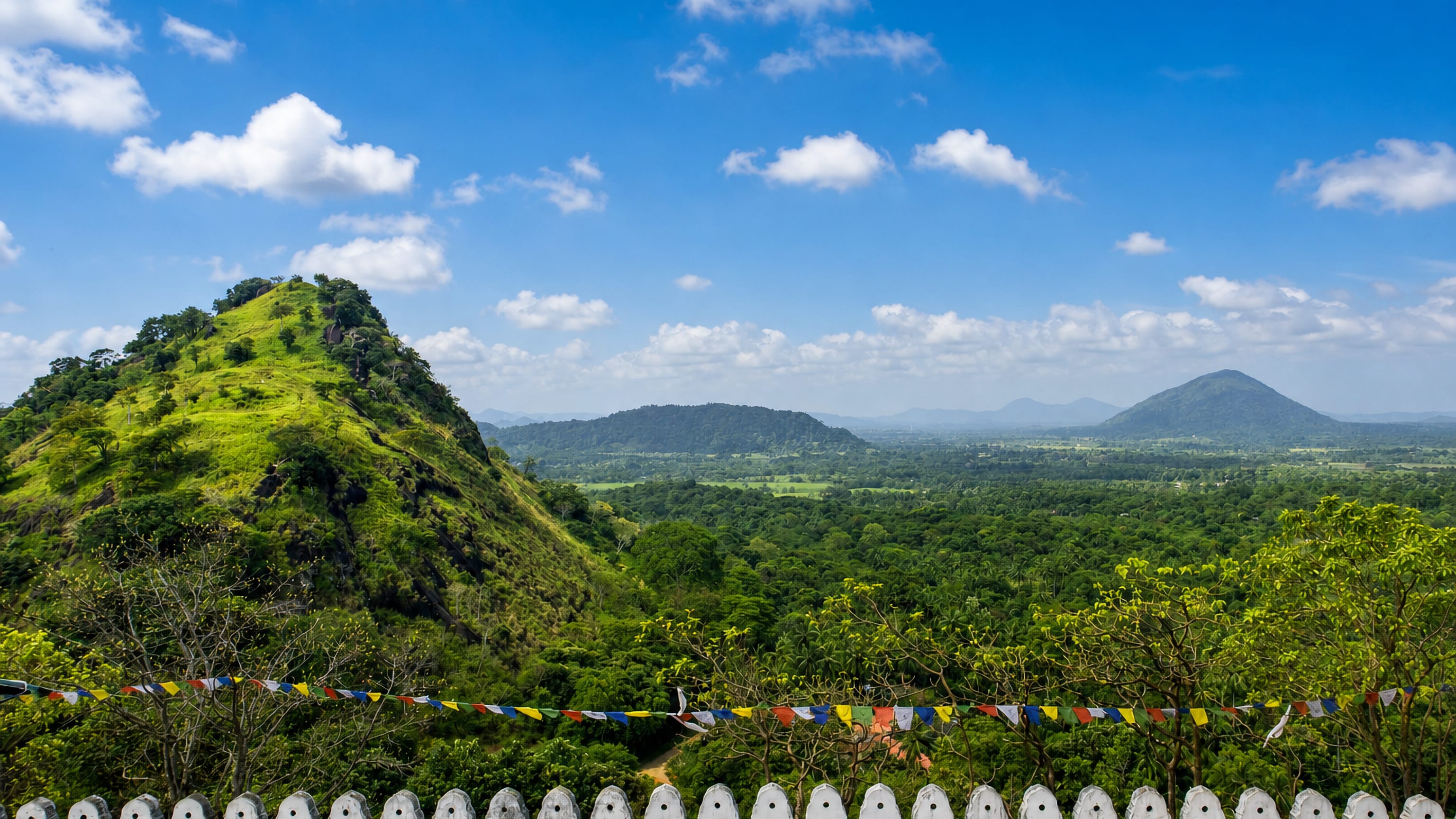
Buddhist flags line the road. Out toward Sigiriya and the reservoirs, the town gives way to the lion rock, the ancient tanks, and the dry-zone forests. A room by the water trades the town for the quiet reservoir shores, the teak woods, and the wildlife of the plain.
Scrub runs out to the hills. Stay in the town for the caves, or out for the lake and Sigiriya. From the tanks it is only a short run back into the town.
Find hotels in Dambulla
Direct booking searches for these neighbourhoods.
The temple town
Below the great rockFind hotels in The temple townStays wanting the reservoirs and lion rockThe tanks and Sigiriya
Out toward SigiriyaFind hotels in The tanks and SigiriyaHotel links are affiliate links: booking through them may earn us a commission, at no extra cost to you. It never affects how places are ranked. How this works
About Dambulla
Dambulla is the cave-temple town of central Sri Lanka.
What is Dambulla known for?
On the dry plain of the island's cultural heart, it grew around a great rock temple, and it keeps the ancient cave shrines full of golden Buddhas and old frescoes, the huge golden statue at the rock's foot, the road to the lion rock of Sigiriya nearby, and the wide tanks and forests of the dry zone around. The great rock rises over the plain. Dry country runs to the hills.
What are the main landmarks in Dambulla?
The cave temple is the pride of Dambulla. The five great caves in the rock, filled with golden Buddhas and painted from wall to ceiling with old frescoes, look out over the plain, the emblem of the town, out of downtown. A golden shrine stands below.
The huge golden temple at the rock's foot gleams by the road, while the lion rock of Sigiriya, the ancient tanks, and the dry forests mark the country around Dambulla.
What is the history of Dambulla?
Dambulla holds one of the oldest shrines of the island. More than two thousand years ago a king driven from his throne hid in the caves of the great rock, and when he won his kingdom back he made the caves a temple in thanks. The caves were filled with the Buddha.
Kings of later ages carved and painted the rock shrines, filling them with statues of the Buddha and covering their walls and ceilings with frescoes, until the caves held one of the great temples of the land. The rock temple drew pilgrims through the ages. For centuries the faithful climbed the rock to worship in its painted caves, and the shrine was kept and renewed by the kings of Sri Lanka.
The dry plain came to life again. In our own age a golden temple was built at the foot of the rock, the great market of the island rose in the town, and Dambulla grew into a busy hub of the dry zone, keeping its caves, its statues, and its frescoes. The pilgrims still climb the rock.
Dambulla keeps its cave temple above the plain.
Where is Dambulla?
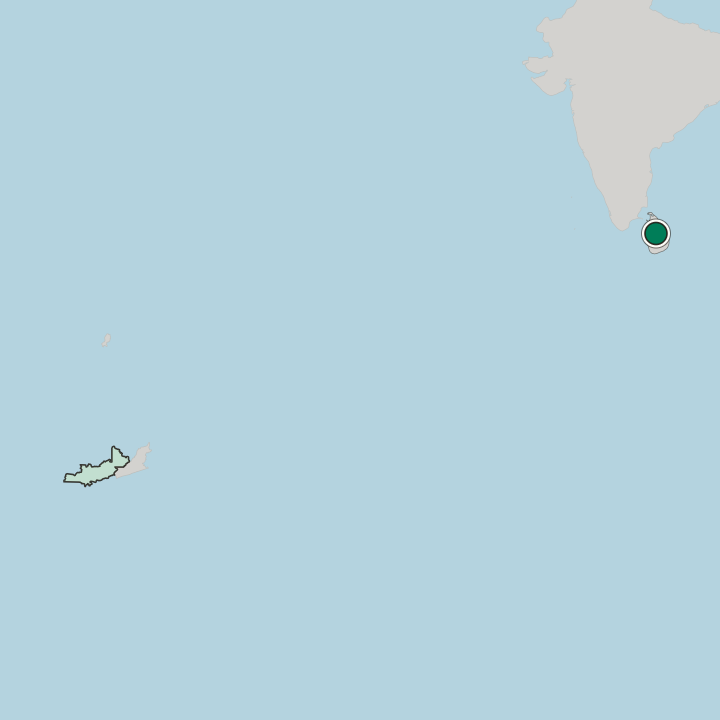
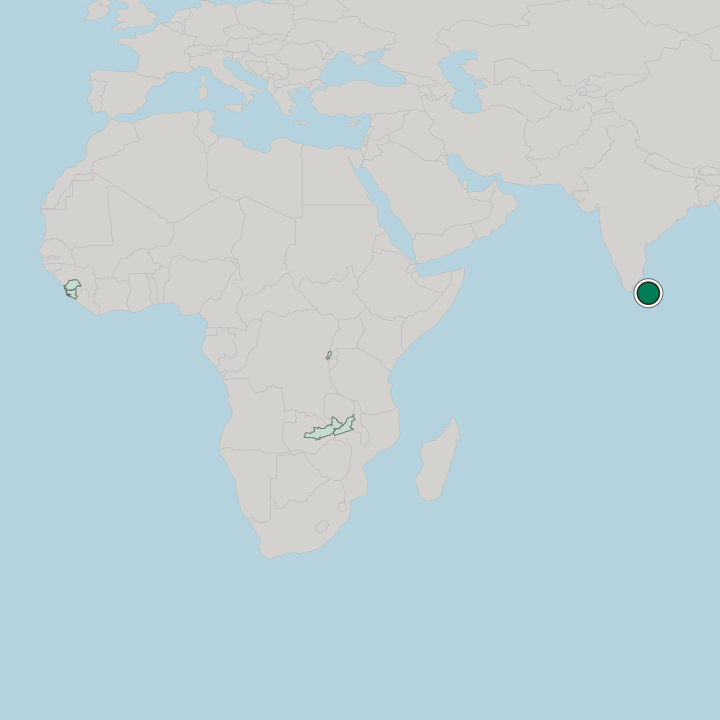
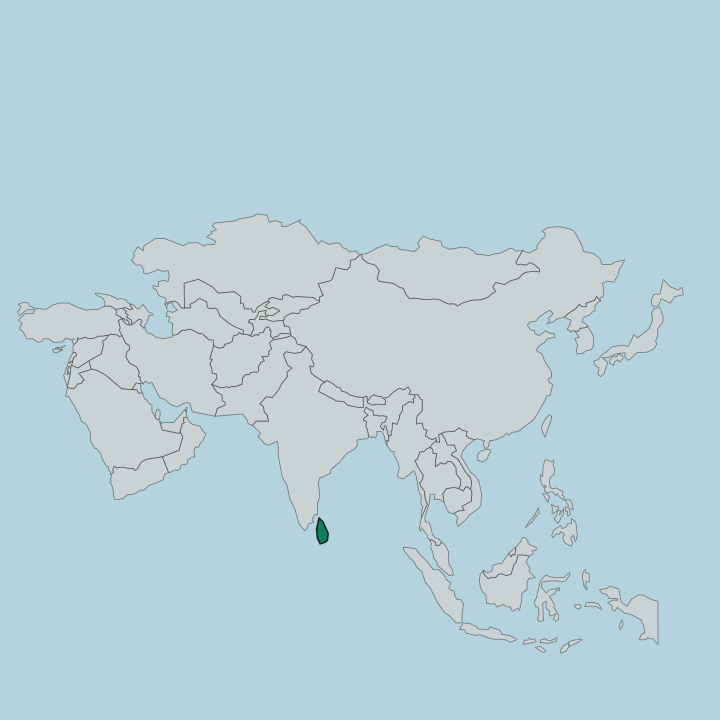
Dambulla lies in the center of Sri Lanka, on the dry plain of the Cultural Triangle. The town sits at the foot of a great black rock that rises from the flat scrub country, in a warm dry land of tanks and teak forest, with the ancient reservoirs spread across the plain and the hills of the highlands rising far to the south. The rock stands sheer and dark.
Scrub and tanks fill the plain.
What is the climate of Dambulla?
Dambulla sits in the island's dry zone, hot and tropical. Warm dry weather holds much of the year on the plain, with fierce heat in the dry months and heavy rains in the northeast monsoon. The dry season bakes the scrub.
Monsoon rains fill the tanks.
How do you get to Dambulla?
Dambulla lies in the center of Sri Lanka, on the roads that cross the Cultural Triangle. The highway runs to it up from Colombo and Kandy, and roads branch off to Sigiriya and the ancient cities. Trucks crowd the market.
Kandy lies south in the hills.
Common questions
What is the best area to stay in Dambulla?
The temple town: Visitors here for the caves and market. The tanks and Sigiriya: Stays wanting the reservoirs and lion rock.
Good for
Another city in Central Province
Updated September 2026