Sri Lanka: Regions, Cities & Travel Guide
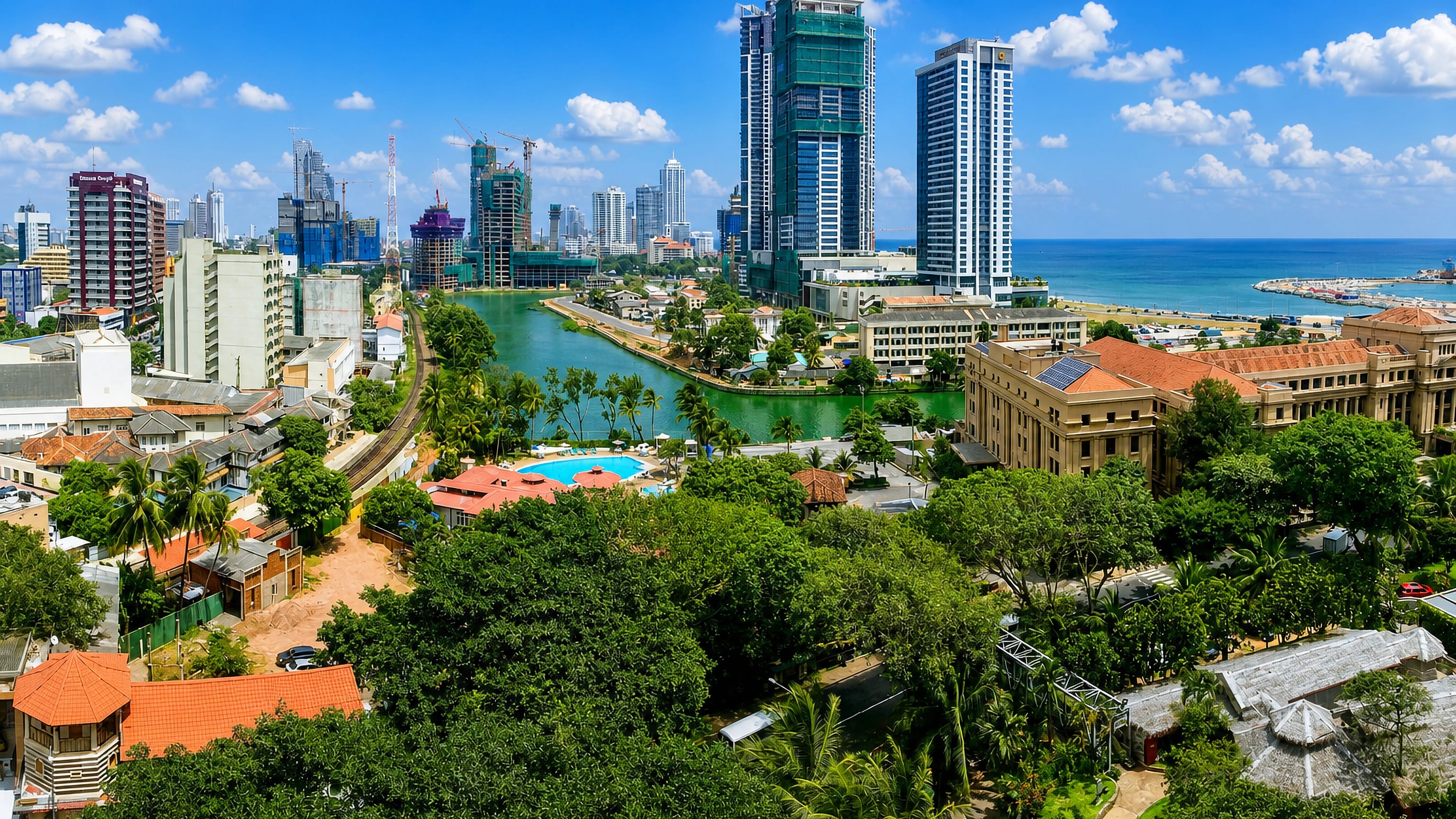
Sri Lanka is an island country in the Indian Ocean off southern India, with Colombo its largest city and coastal capital.
Hotel links are affiliate links: booking through them may earn us a commission, at no extra cost to you. It never affects how places are ranked. How this works


Top destinations in Sri Lanka
Cities to start from, then drill into areas and hotels.
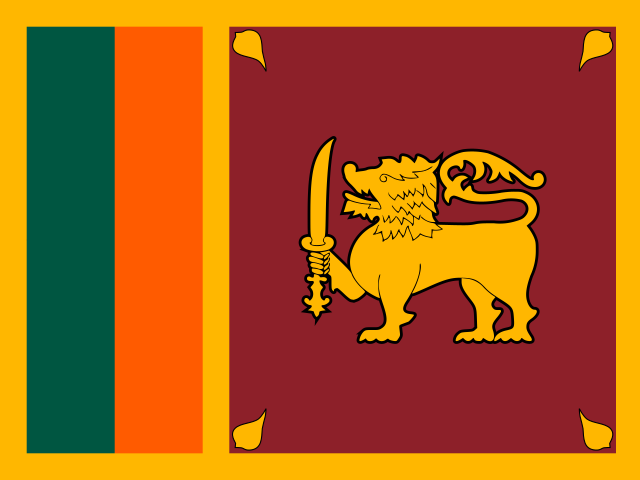 Sri Lanka
Colombo
Ships crowd the harbour at Colombo, Sri Lanka's largest city and commercial capital on the island's west coast, known for the Lotus Tower and its old port.Where to stay →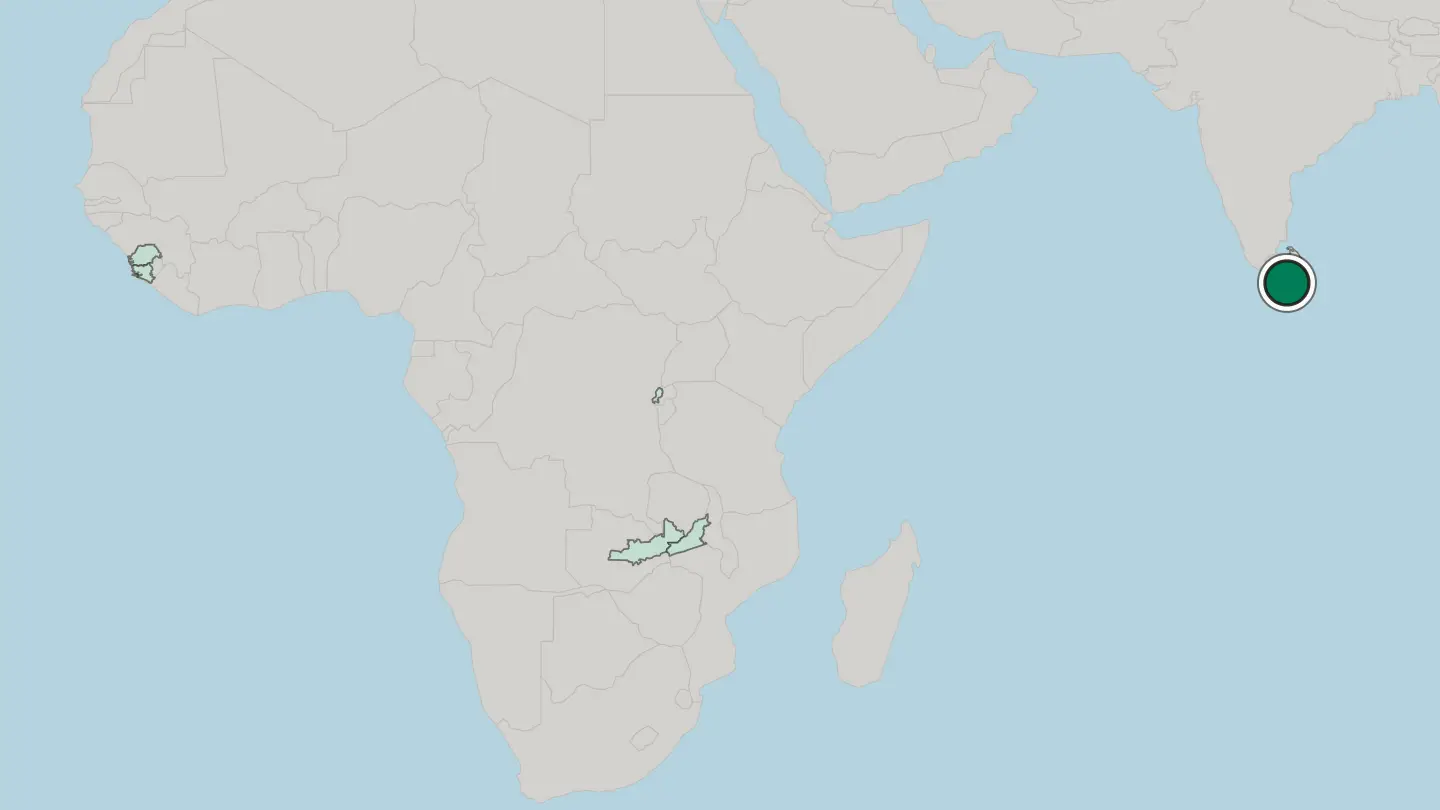 Sri Lanka
Sri Jayewardenepura Kotte
Parliament meets old fort walls at Sri Jayewardenepura Kotte, the legislative capital of Sri Lanka beside Colombo, known for the Kotte Museum and its lake.Where to stay →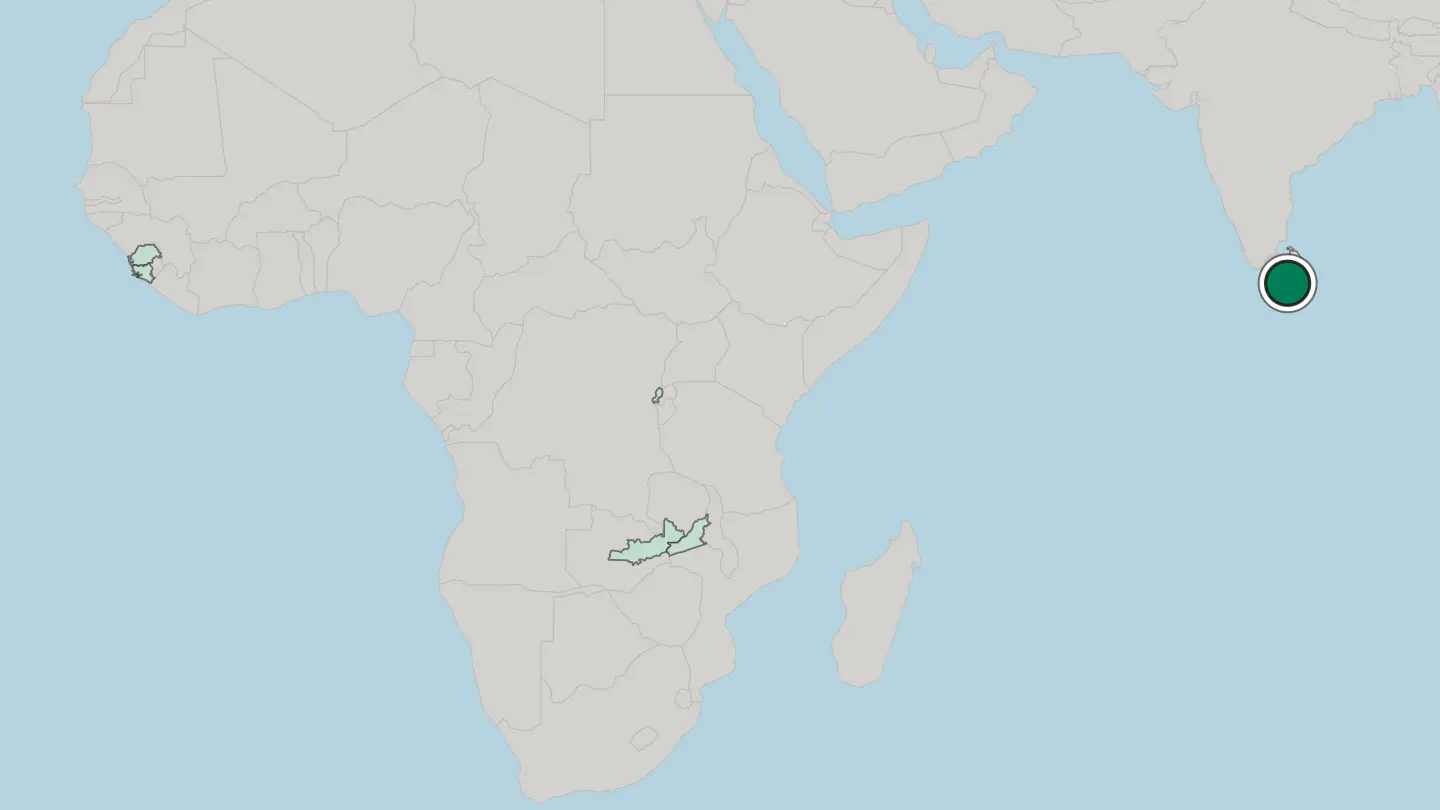
 Sri Lanka
Kandy
Kandy is the last royal capital of Sri Lanka, a sacred city in the green hills that guards the relic of the Buddha's tooth.Where to stay →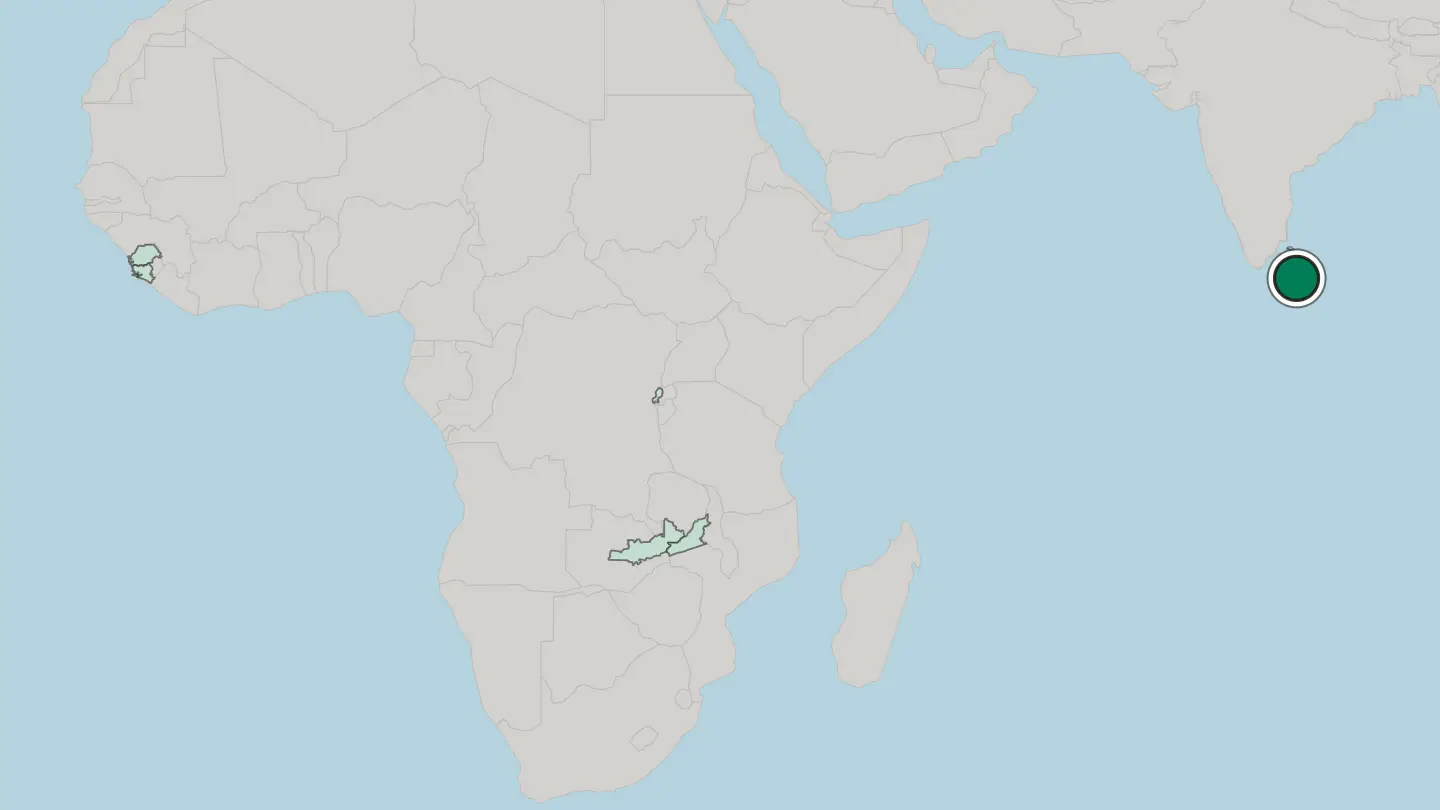
 Sri Lanka
Anuradhapura
Anuradhapura is an ancient sacred city of north Sri Lanka, the island's first great capital, a place of white stupas and the oldest planted tree on earth.Where to stay →
 Sri Lanka
Jaffna
Jaffna is the Tamil capital of northern Sri Lanka, a peninsula city of Hindu temples and palmyra palms across the lagoon at the island's northern tip.Where to stay → Sri Lanka
Galle
Galle is a port city on the south coast of Sri Lanka, famous for its old Dutch fort, a walled colonial town of ramparts and lanes above the Indian Ocean.Where to stay →
 Sri Lanka
Trincomalee
Trincomalee is a city of east Sri Lanka on the Bay of Bengal, on a great natural harbour, known for its clifftop temple and whale-watching beaches.Where to stay →
 Sri Lanka
Negombo
Negombo is a town of the west coast of Sri Lanka near Colombo, a fishing town on a wide lagoon, known for its beaches, old churches, and outrigger canoes.Where to stay →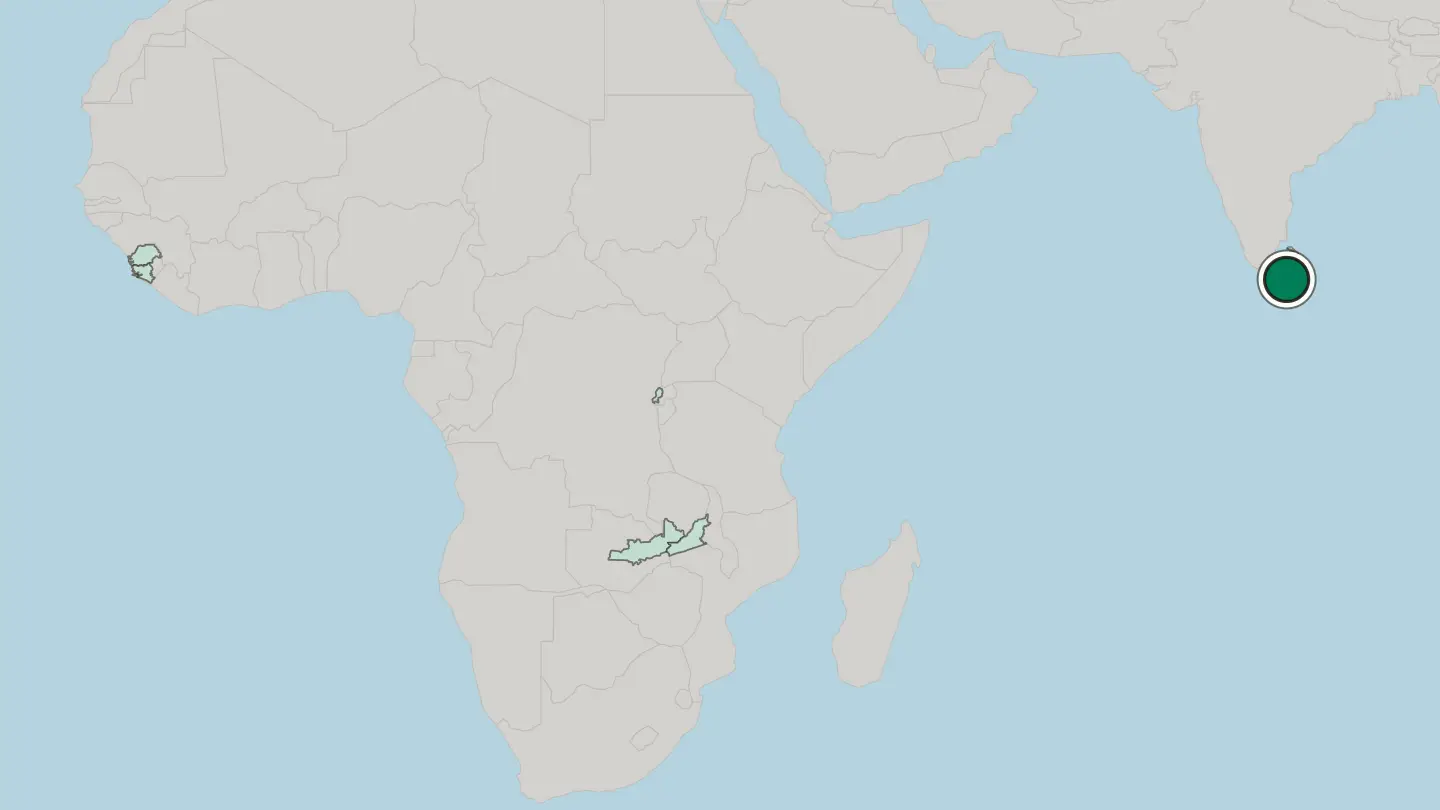
 Sri Lanka
Dambulla
Dambulla is a town of central Sri Lanka, famed for its cave temple carved into a rock, a place of Buddha statues and frescoes at the dry-zone edge.Where to stay →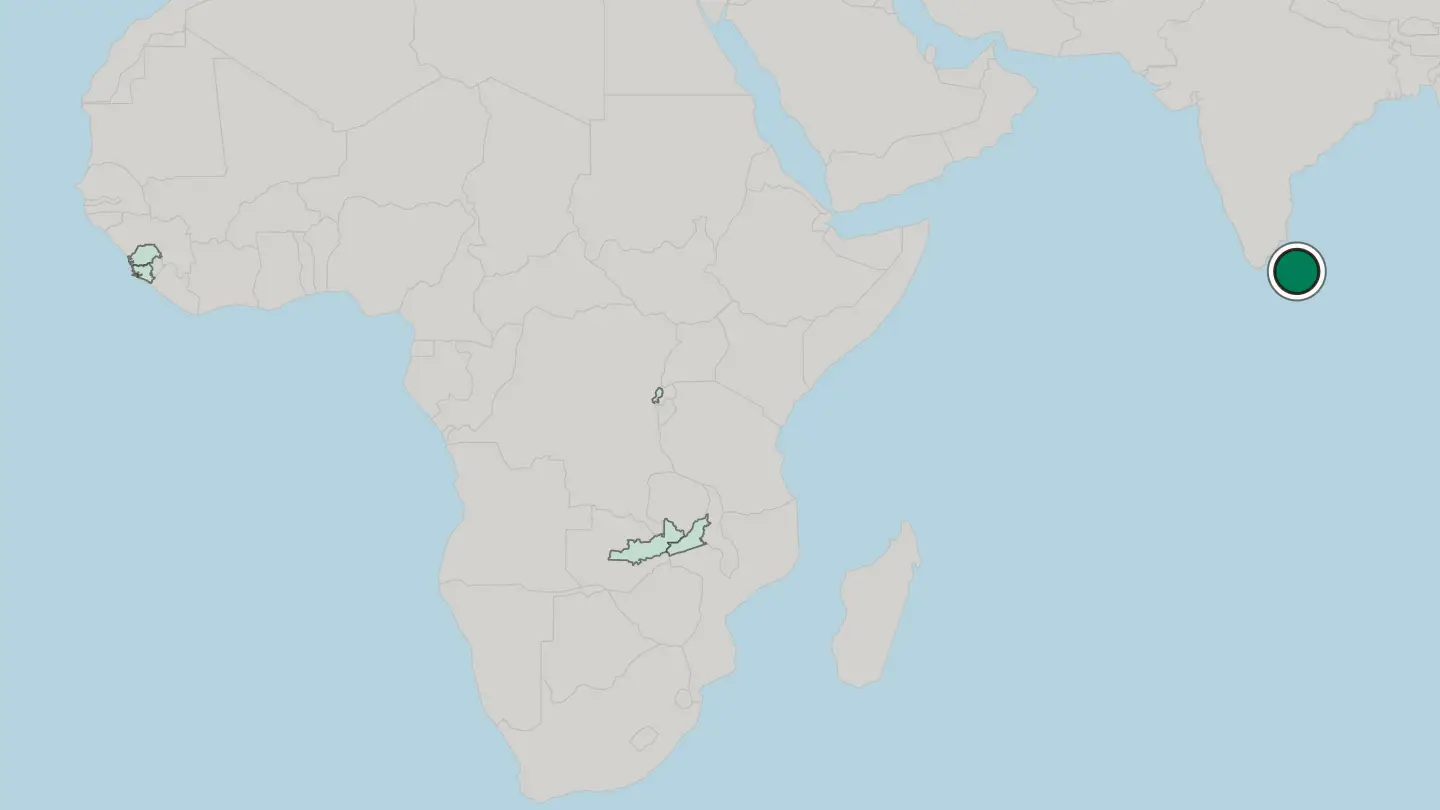
Hotel links are affiliate links: booking through them may earn us a commission, at no extra cost to you. It never affects how places are ranked. How this works
Regions of Sri Lanka
Sri Lanka
Central Province
Central Province is the interior one of the nine provinces of Sri Lanka, also called Central Sri Lanka, with Kandy as its capital since 1469.Towns & cities →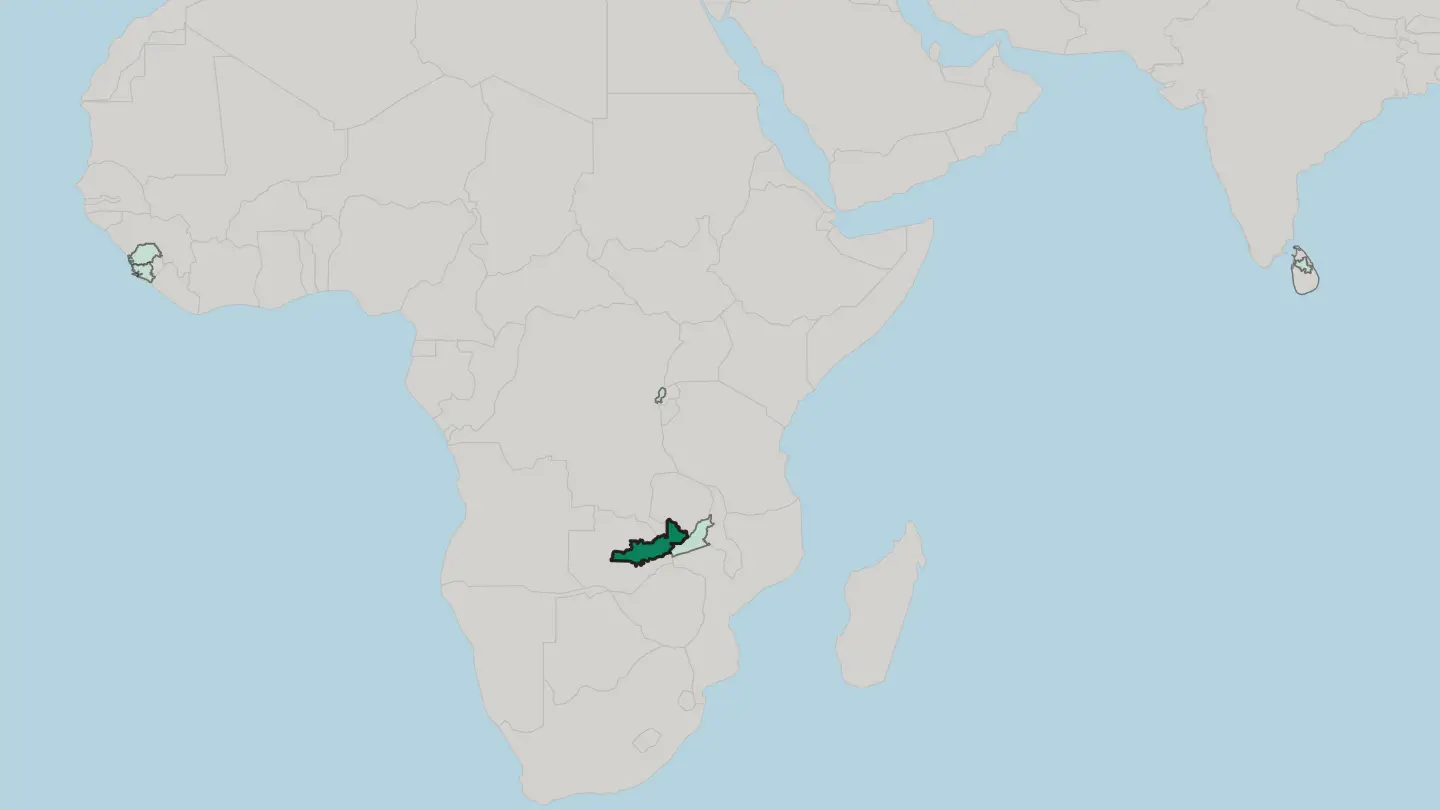 Sri Lanka
Eastern Province
The Eastern Province is one of Sri Lanka's nine provinces, administered from Trincomalee, with Kalmunai the largest city inside its bounds.Towns & cities →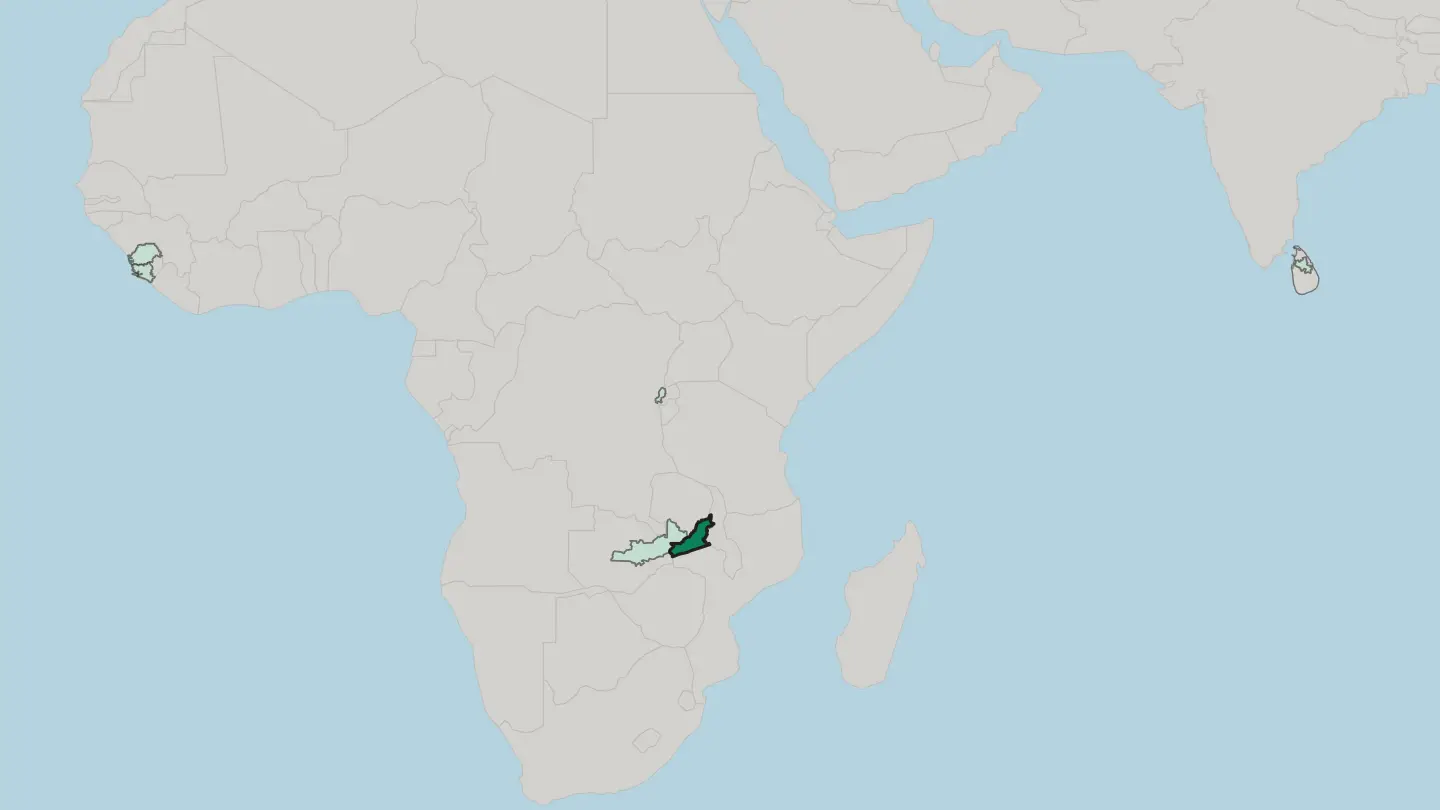 Sri Lanka
North Central Province
Anuradhapura is the capital of North Central Province, the largest of Sri Lanka's nine provinces by area and a unit dating from 1873.Towns & cities →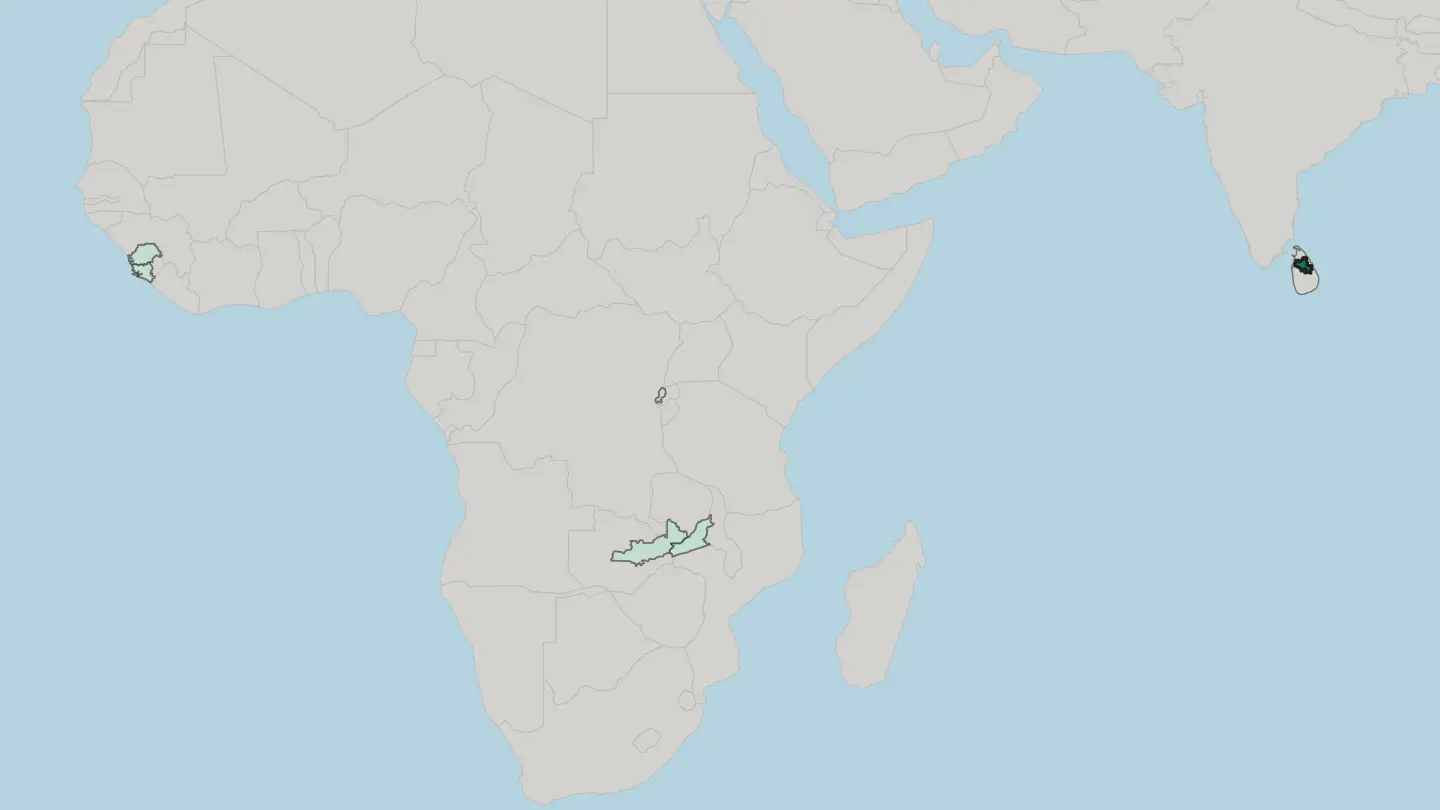 Sri Lanka
Northern Province
The Northern Province is a Tamil-majority region of Sri Lanka, capital Jaffna, holding Hindu temples, ancient ruins and undeveloped beaches.Towns & cities →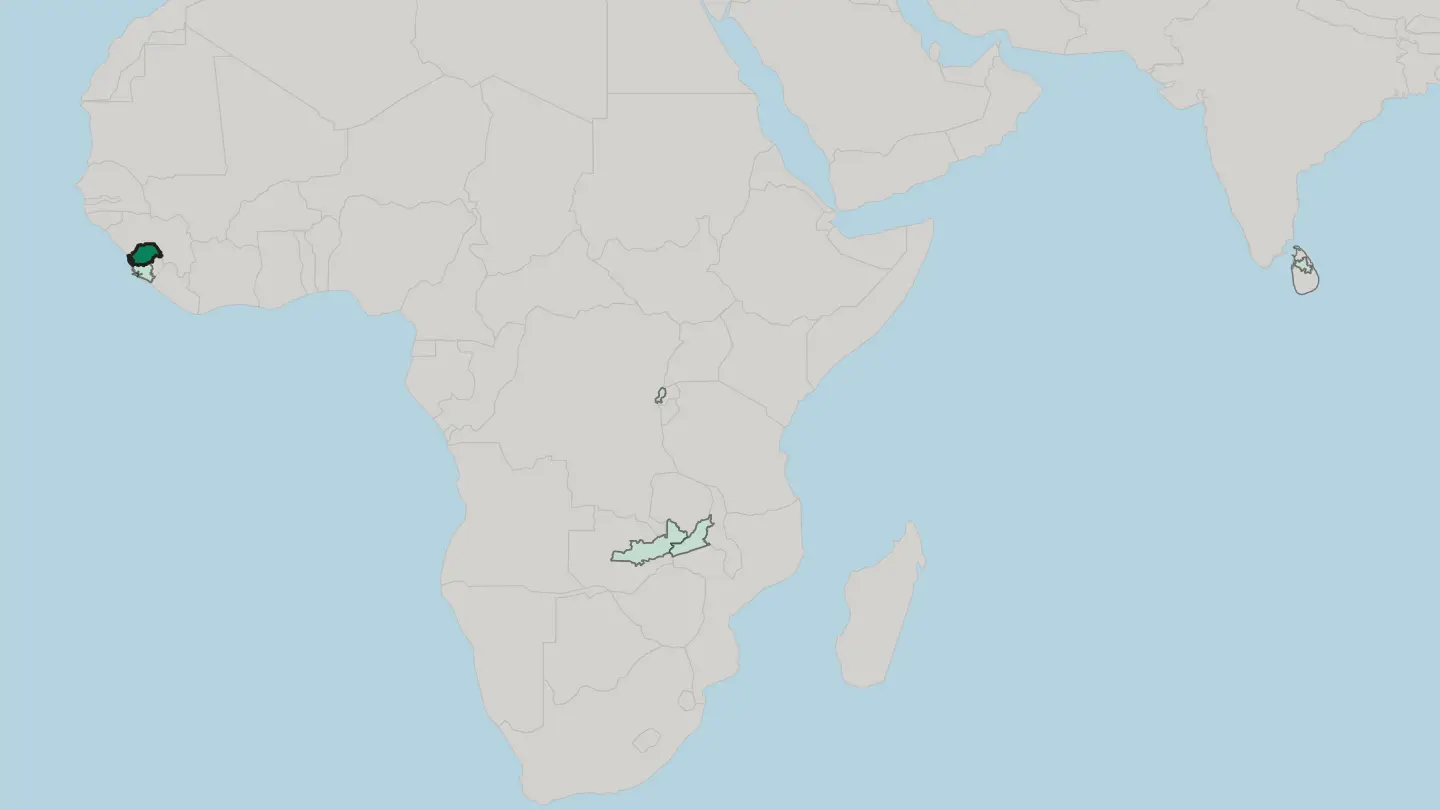
 Sri Lanka
Southern Province
Galle is the capital of the Southern Province, a province of Sri Lanka held between the Indian Ocean on three sides and four provinces on the fourth.Towns & cities →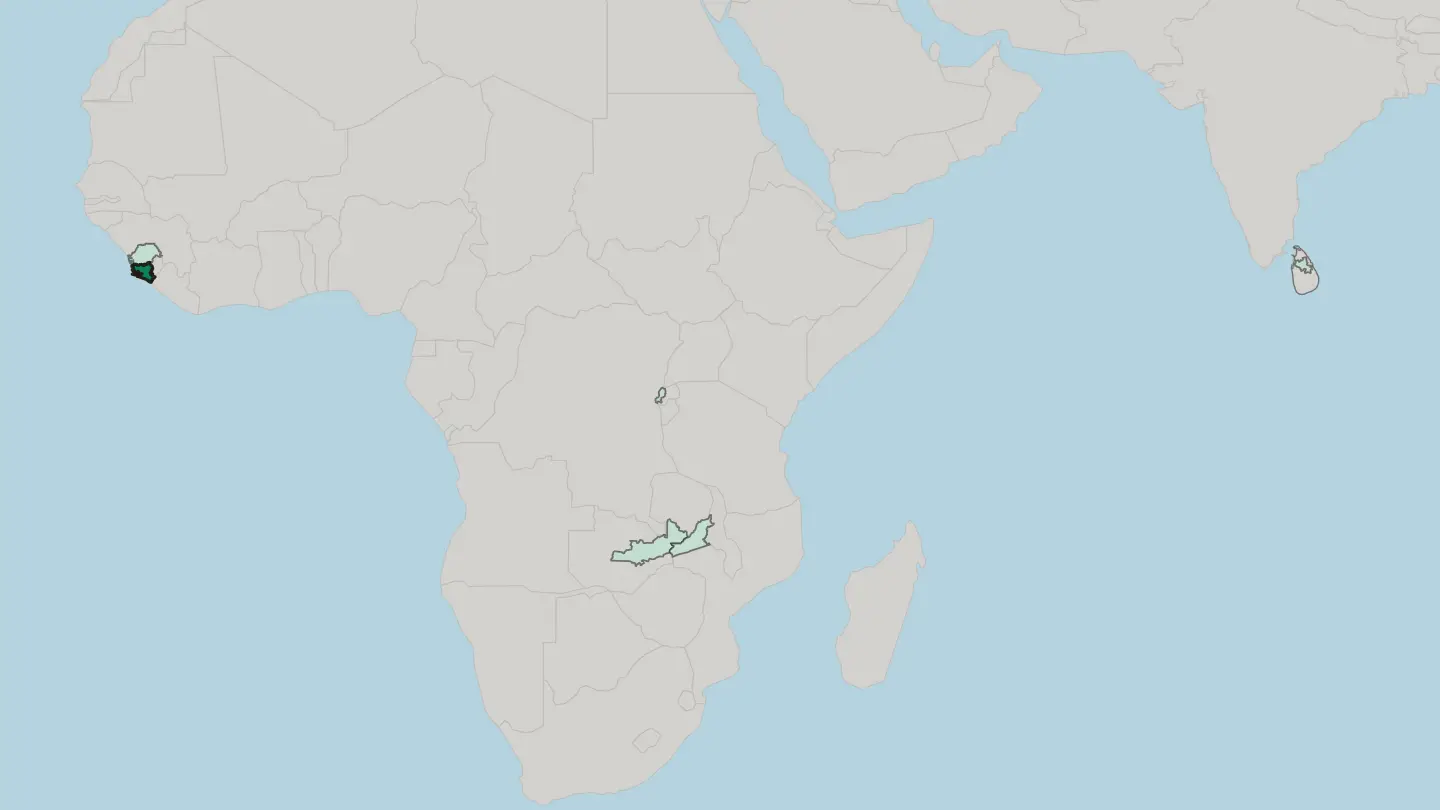 Sri Lanka
Western Province
Western Province stretches along the Indian Ocean shore of Sri Lanka, the western province built around Colombo, the island's harbour and trade capital.Towns & cities →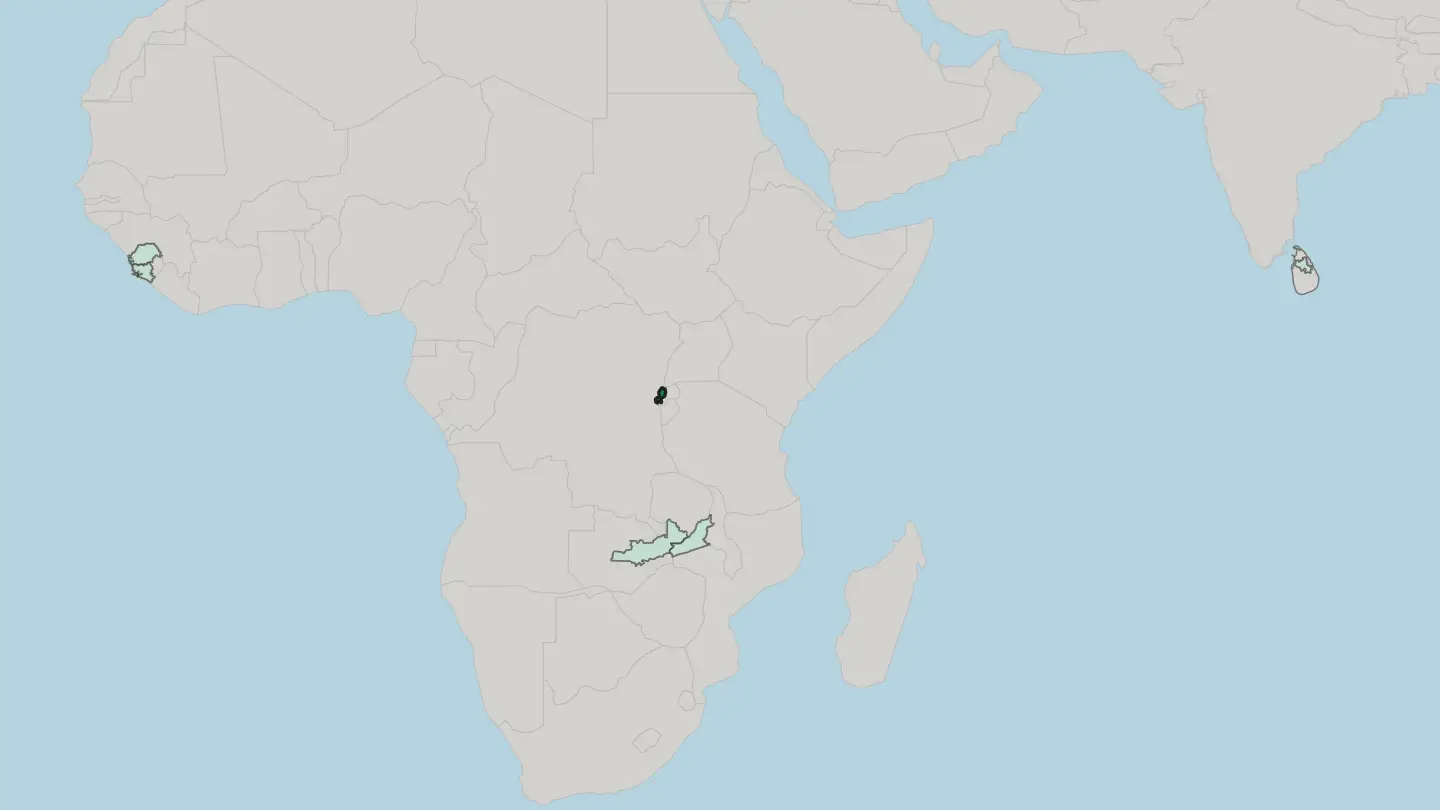
Explore by experience
Not sure which place? Start from how you want to travel.
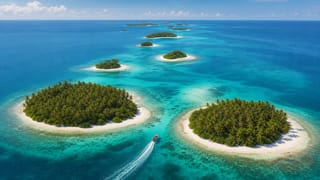
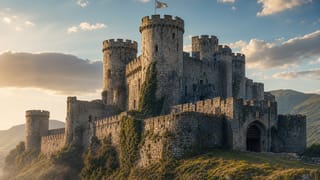
About Sri Lanka
Sri Lanka packs an improbable range into one island.
What is Sri Lanka known for?
The tea country climbs from Kandy through Nuwara Eliya into the cool Central Highlands, where cloud forest and estates cover the ridges. Ancient capitals anchor its fame. Anuradhapura and Polonnaruwa hold ruined monasteries and irrigation tanks, the rock fortress of Sigiriya rises sheer from the plain, and the walled port of Galle guards the south coast. Elephants and leopards roam the dry-zone parks, and beaches ring the whole shore.
Where is Sri Lanka?
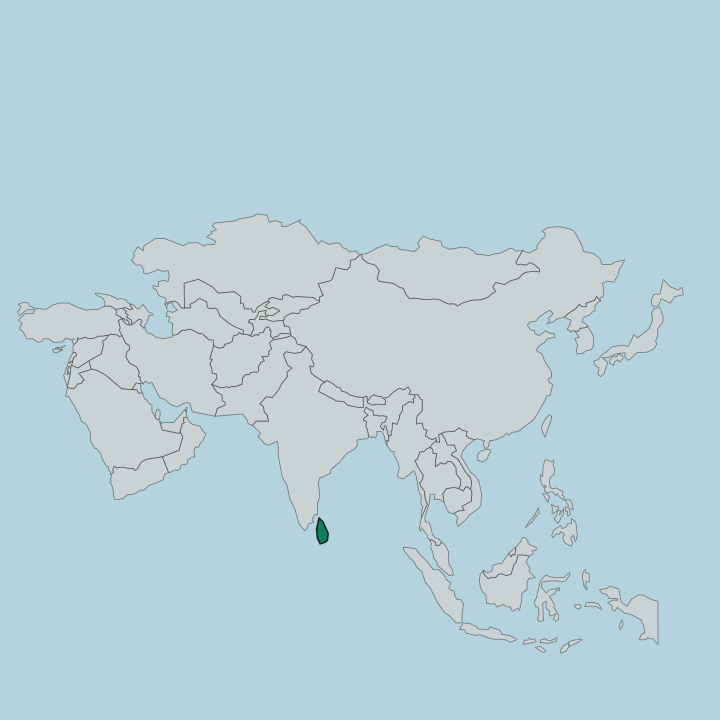
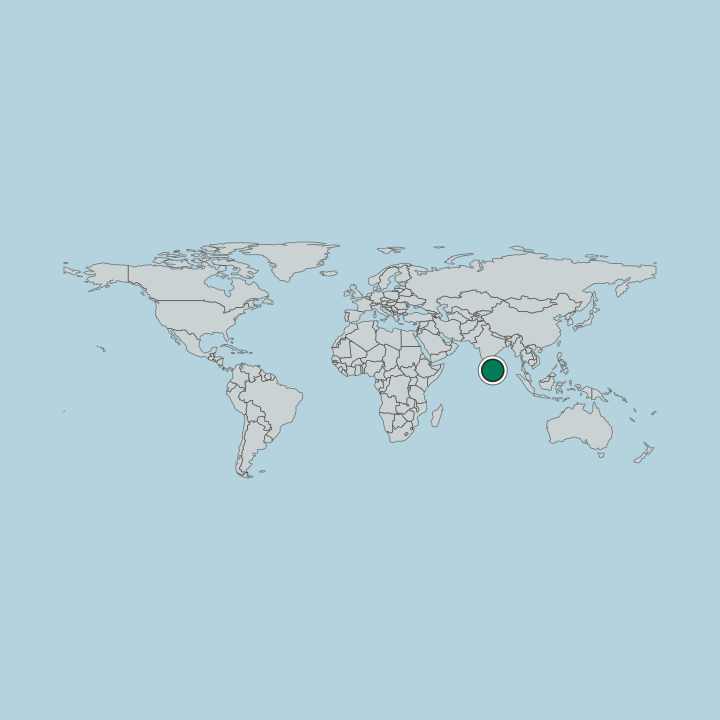
Sri Lanka is a teardrop-shaped island in the Indian Ocean, set off the southern tip of India and separated from it by the narrow Palk Strait and the Gulf of Mannar. The land is arranged around a raised core. The Central Highlands rise in the south-centre of the island, a knot of forested ridges and plateaus where Pidurutalagala, the highest summit, and the sacred cone of Adam's Peak stand above the tea estates.
Rivers fan out from these hills toward every coast. The Mahaweli, the longest river in the country, loops north and east from the highlands to reach the sea near Trincomalee, feeding the great irrigation tanks of the dry-zone plains. Around the upland core spreads a broad coastal lowland, flat and wide, that meets the ocean in a nearly unbroken ring of beach.
The north and east are dry and open. The south-west is wetter and greener. Jaffna sits on a limestone peninsula at the northern end, Galle guards a rocky headland in the south, and Colombo spreads along the western shore where most of the population and trade concentrate.
From misty summit to reef-fringed coast, it is a whole subcontinent's variety compressed onto one island.
What is the history of Sri Lanka?
Sri Lanka carries one of Asia's longest recorded histories, and its ruins map the shifts of power across two millennia. Anuradhapura came first. Founded on the northern dry-zone plains, it grew into a Buddhist capital of monasteries, colossal brick stupas, and vast irrigation tanks that stood for well over a thousand years before Chola invaders from southern India forced the court to move.
Polonnaruwa rose as the second great capital in the eleventh century, its palaces and rock-cut Buddhas still standing beside the reservoirs that fed its rice. Between these two, King Kasyapa built his short-lived hilltop palace on the rock of Sigiriya in the fifth century, painting its sheer face with frescoes. Later the centre of power retreated into the hills.
The Kandyan kingdom held the highlands and outlasted Portuguese and Dutch control of the coast, falling to the British only in 1815. Colonial rule stitched the island into one territory and named it Ceylon, planting the tea that still covers the uplands. Independence came in 1948.
The country became a republic and took the name Sri Lanka in 1972. Its temples, tanks, and terraced hills all date the layers of that long story.
What is Sri Lanka like?
Sri Lanka's culture braids together the traditions of its main communities. The Sinhalese majority, mostly Buddhist, centre their heritage on the old cities of Kandy and Anuradhapura, while Tamils, mostly Hindu, hold the north and east around Jaffna. Faith is everywhere visible.
Whitewashed dagobas, painted Hindu temples, mosques, and colonial churches share the same towns, and the tooth relic of the Buddha, kept at the temple in Kandy, is the island's most venerated object. Food is a national obsession. Rice and curry appears in a dozen forms at every table, joined by bowl-shaped hoppers, string hoppers, and kottu roti chopped and clattered on hot iron.
Ceylon tea, grown on the highland estates since colonial planting, flavours daily life and half the world's teacups. The festivals are grand. Each year the Esala Perahera parades caparisoned elephants, drummers, and dancers through Kandy by torchlight, and the Sinhalese and Tamil New Year fills April with games and sweets.
Two languages, several faiths, and centuries of trade have all left their mark. The result reads as one island holding many worlds at once.
What is the climate of Sri Lanka?
Sri Lanka is tropical and warm year-round, but two monsoons split it in time and space. The south-west monsoon soaks the west coast, the Central Highlands, and the wet-zone lowlands between about May and September. The north-east monsoon turns to the dry zone of the north and east, watering Jaffna and Trincomalee between November and February.
So when one coast is drenched, the other stays dry. On the lowland shores the heat holds steady through the year, while up in the tea country around Nuwara Eliya the air turns genuinely cool. The island always has a dry side.
How do you get to Sri Lanka?
Nearly everyone reaches Sri Lanka by plane. Bandaranaike International Airport, just north of Colombo near Negombo, handles nearly all international flights and sits on the west coast within reach of the beaches and the road inland. From Colombo, trains and buses fan out across the island, and the ride up to Kandy and on through the tea country to Ella is one of the great rail journeys in Asia.
Sri Lanka is a compact island to cross. Hired cars with drivers link the coast, the highlands, and the Cultural Triangle over a few unhurried days.
Good for
Updated September 2026