Sri Lanka · Northern Province
Where to Stay in Jaffna, Northern Province
Jaffna is the Tamil capital of northern Sri Lanka, a peninsula city of Hindu temples and palmyra palms across the lagoon at the island's northern tip.
Hotel links are affiliate links: booking through them may earn us a commission, at no extra cost to you. It never affects how places are ranked. How this works


Where to stay in Jaffna
Where visitors usually base themselves, and why.
Where you stay in Jaffna turns on the town or the islands. The streets around the centre keep the temple, the fort, and the markets within a walk, and staying in town suits anyone here for the city. The Nallur temple rises nearby.
Palmyra palms edge the roads. Out on the causeway islands and the peninsula's edge, the city gives way to lagoons, shrines, and quiet shores. A room by the coast trades the town for the island temples, the beaches, and the wide flat lagoons.
The sea lies pale past the palms. Stay in town for the temple, or on the islands for the shores. The centre lies a short drive back.
Find hotels in Jaffna
Direct booking searches for these neighbourhoods.
The town
Around the centre near the Nallur templeFind hotels in The townStays wanting the lagoon shrines and shoresThe islands
Out on the causeway islands off the peninsulaFind hotels in The islandsHotel links are affiliate links: booking through them may earn us a commission, at no extra cost to you. It never affects how places are ranked. How this works
About Jaffna
Jaffna is the heart of the Tamil north.
What is Jaffna known for?
On a flat peninsula of palmyra palms and lagoons at the top of Sri Lanka, it is the great city of the island's Tamils, and it keeps the golden Nallur Kandaswamy temple, the Dutch star fort by the water, the famous public library of the Tamil people, and the string of little islands out in the lagoon. Palmyra palms stand over the plain. The lagoon shines flat and wide.
What are the main landmarks in Jaffna?
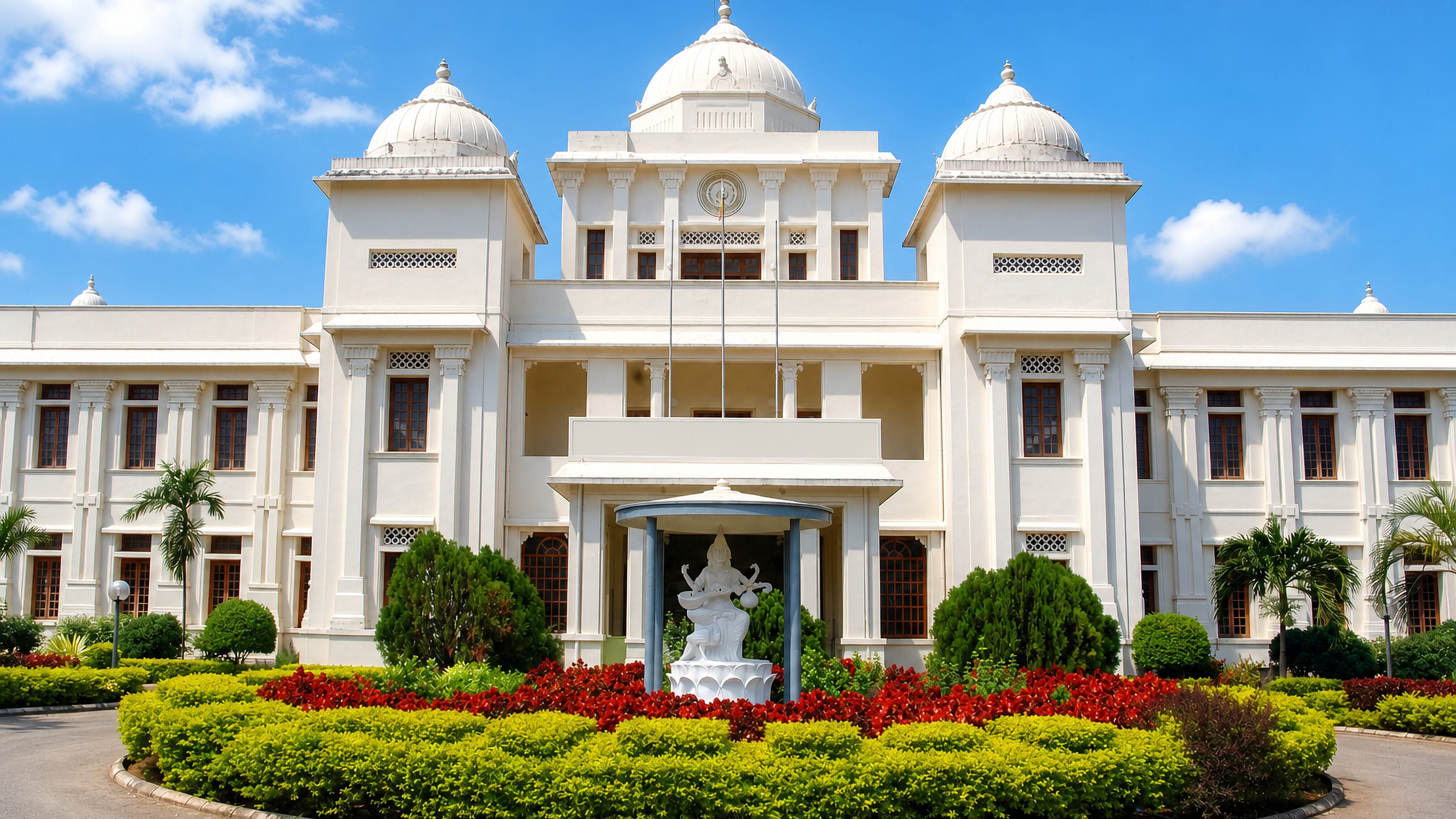
The Nallur Kandaswamy temple is the emblem of Jaffna. The great golden Hindu temple with its carved tower, thronged at its long summer festival, rises over the northern town, the heart of the Tamil city, above the streets. A star fort guards the lagoon.
The Dutch fort stands low by the water, while the rebuilt public library, the old churches, and the island shrines of the lagoon mark the country around Jaffna.
What is the history of Jaffna?
Jaffna was long the seat of a Tamil kingdom. A Tamil king ruled the north from here in the middle ages, and the city grew as the centre of the island's Hindu Tamils, apart from the Sinhalese south. Kings held the peninsula.
The rulers of Jaffna kept their court and their temples on the palmyra plain for centuries before the Europeans came. The Portuguese and Dutch took the north in turn. They built the great fort by the lagoon and left their churches among the Hindu temples, and under the British the peninsula became famous for its schools and learning.
War came to the peninsula. In the long civil war of the last century Jaffna was fought over and much was lost, among it the great library, but the city and its temples were rebuilt, and the Tamil life of the north went on. The Nallur temple still draws the faithful.
Jaffna keeps its temples and its fort on the northern shore.
Where is Jaffna?
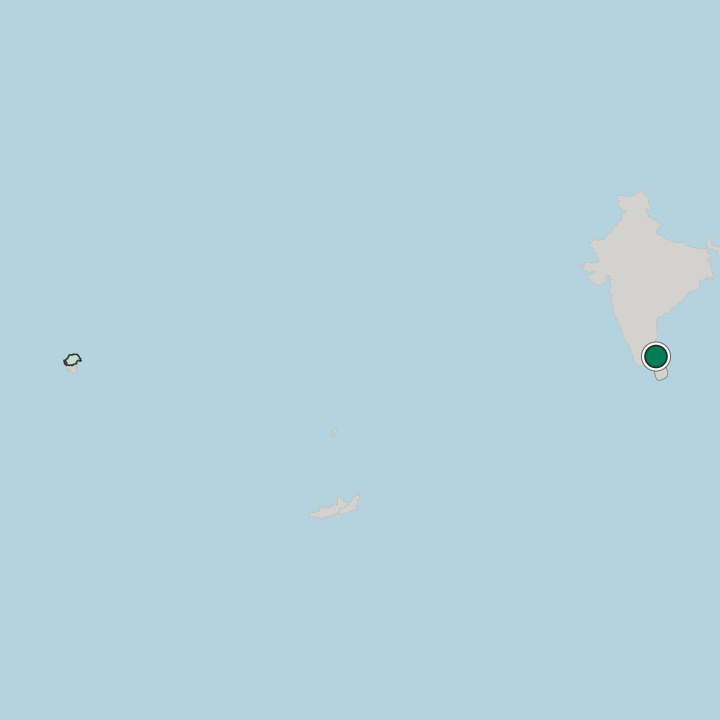
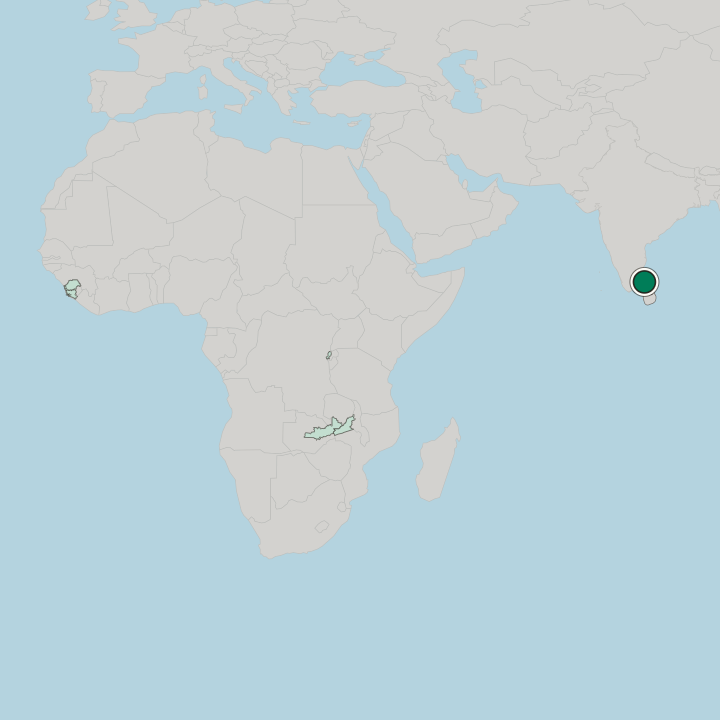
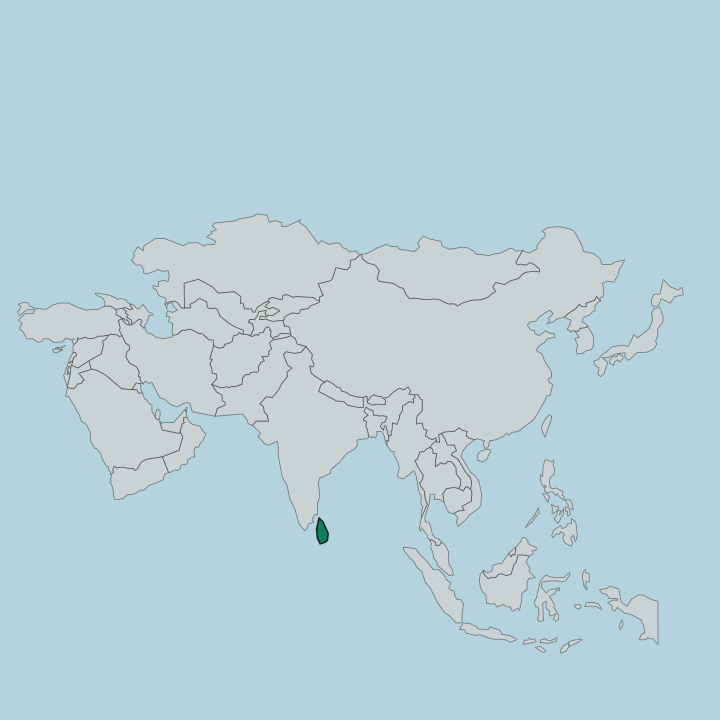
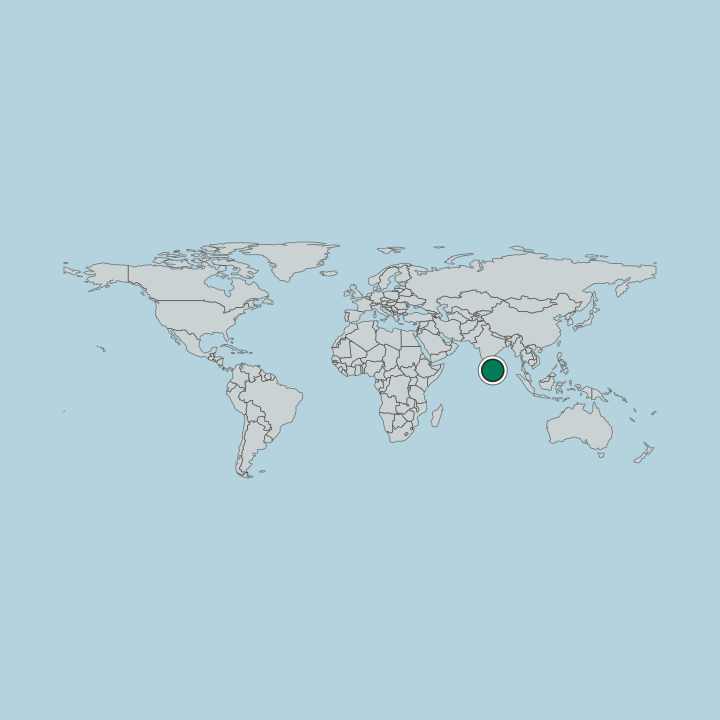
Jaffna lies at the far northern tip of Sri Lanka, on a low peninsula ringed by a shallow lagoon. The city stands on flat coral land just above the sea, a country of palmyra palms and salt flats, with a chain of small islands trailing off its shores toward India. Flat pale land runs to the sea.
Palms lean over the lagoon shore.
What is the climate of Jaffna?
The tropical climate of Jaffna runs hot and, for most of the year, dry. Warm weather holds all year on the peninsula, and most of the rain comes in a short northeast monsoon late in the year, with long dry, bright months between. The sun beats hard on the coral.
Sea winds cross the flat land.
How do you get to Jaffna?
Jaffna lies at the top of Sri Lanka, at the end of the long road and rail from Colombo. Trains and buses run the length of the island to the peninsula, and its airport links Colombo. Causeways cross to the lagoon islands.
Colombo lies far to the south.
Common questions
What is the best area to stay in Jaffna?
The town: Visitors here for the temple, fort, and markets. The islands: Stays wanting the lagoon shrines and shores.
Good for
Updated September 2026