Sri Lanka · Southern Province
Where to Stay in Galle, Southern Province
Galle is a port city on the south coast of Sri Lanka, famous for its old Dutch fort, a walled colonial town of ramparts and lanes above the Indian Ocean.
Hotel links are affiliate links: booking through them may earn us a commission, at no extra cost to you. It never affects how places are ranked. How this works


Where to stay in Galle
Where visitors usually base themselves, and why.
Where you stay in Galle turns on the fort or the town. The lanes within the ramparts keep the old houses, the churches, and the cafés within a walk, and staying in the fort suits anyone here for the old town. The walls hold the sea back.
Lanes run between old houses. Out beyond the walls and the bay, the fort gives way to the new town, beaches, and palm coast. A room by the shore trades the ramparts for the southern beaches, the fishing harbour, and the warm sea of the coast.
Palms lean over the sand. Stay in the fort for the walls, or by the shore for the beach. The fort lies a short way round.
Find hotels in Galle
Direct booking searches for these neighbourhoods.
The fort
Within the walls on the pointFind hotels in The fortStays wanting the beaches and harbourThe shore and new town
Out beyond the walls along the coastFind hotels in The shore and new townHotel links are affiliate links: booking through them may earn us a commission, at no extra cost to you. It never affects how places are ranked. How this works
Things to do in Galle
Ranked by global recognition; descriptions from Wikidata (CC0).
Museums & Galleries
2- National Maritime Museum
- National Museum of Galle
Churches & Religious Sites
3- Groote Kerk, Galle
- St. Mary's Cathedral, Galle
- All Saints' Church, Galle
Stadiums & Sports
1- District Sport Complex
worth knowingacross 3 categories in Galle
About Galle
Galle is the fort town of the southern coast.
What is Galle known for?
On a rocky point where the Indian Ocean washes the south of the island, it grew as the great colonial port of the Portuguese and the Dutch, and it keeps the walled Dutch fort above the sea, ramparts you can walk around the old town, a white lighthouse on the point, and the lanes of colonial houses within the walls. The sea breaks on the ramparts. The old town sleeps behind them.
What are the main landmarks in Galle?
The old ramparts are the pride of Galle. The great Dutch walls of stone and coral, running right around the point above the waves, hold the old town within, the emblem of the city, over the sea. A white lighthouse marks the point.
The old lighthouse stands on the southern wall above the rocks, while the Dutch church, the maritime museum, and the colonial lanes mark the fort of Galle.
What is the history of Galle?
Galle was an ancient port of the eastern trade. Ships from Arabia and beyond called at this harbour long before Europe came, trading in the spices and gems of the island, and some have thought it the Tarshish of old. The Portuguese seized the point.
They built the first fort on the headland in the sixteenth century, and Galle became a stronghold of their eastern empire, a Catholic town within timber walls. The Dutch made the great fort. When the Dutch took the port from the Portuguese, they raised the massive stone ramparts that still ring the old town, laying out streets, churches, and warehouses within, and Galle grew as the chief harbour of their Ceylon.
The British came after them. Under British rule the fort town went on as a colonial port, until the deep new harbour at Colombo drew the trade away, and Galle settled into a quiet town of old walls and lanes. The ramparts still ring the point.
Galle keeps its fort and its lanes above the Indian Ocean.
Where is Galle?
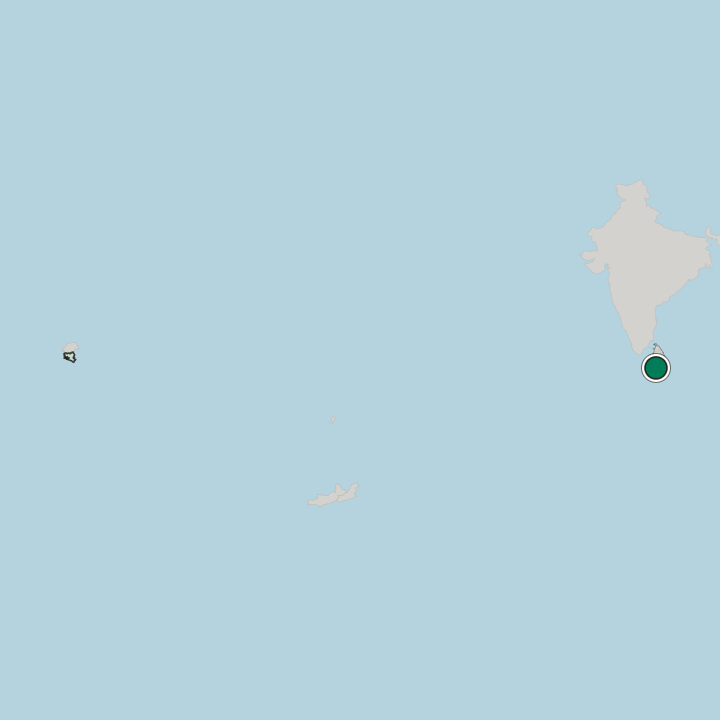
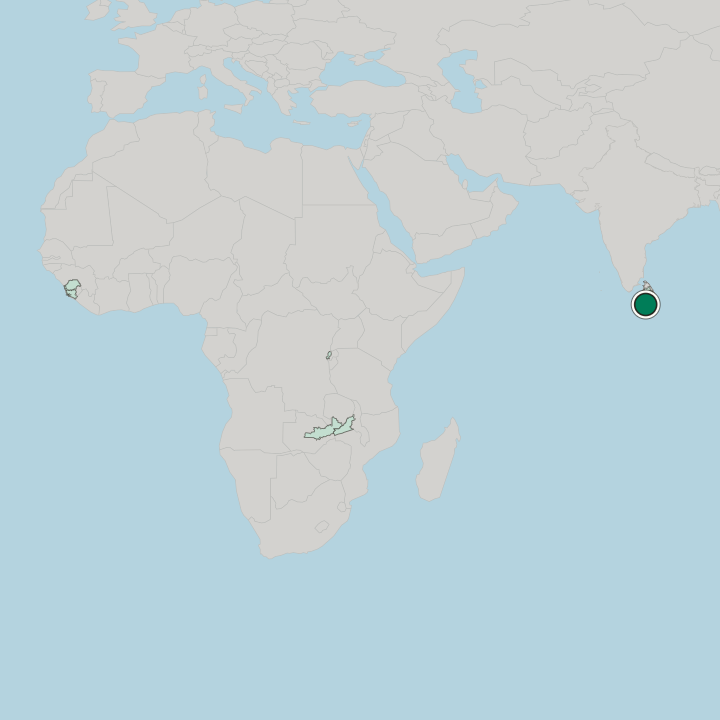
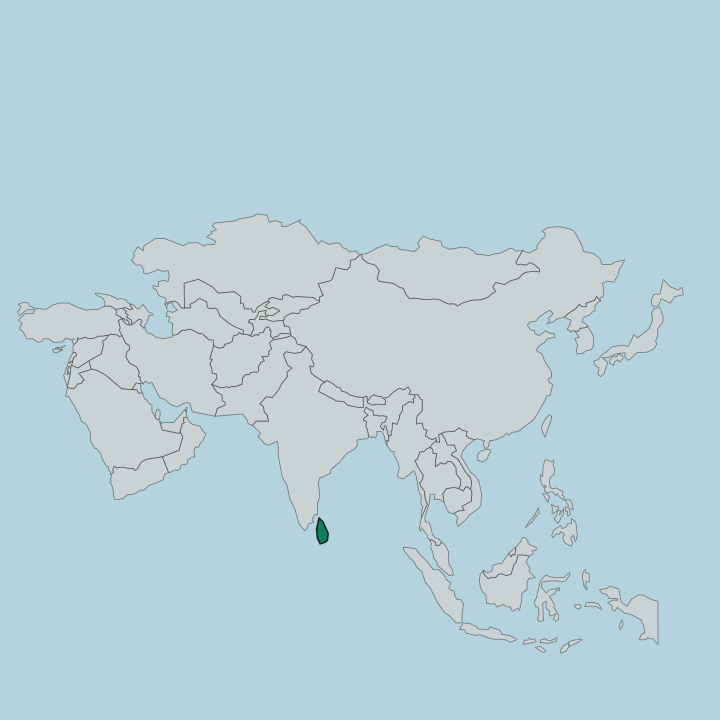
Galle lies on the southwest coast of Sri Lanka, on a rocky point by the Indian Ocean. The city sits where a headland juts into the sea at the mouth of a bay, with the old fort on the point and the newer town spreading inland over low green hills of palm and paddy. The ocean wraps the point.
Palm hills rise behind the town.
What is the climate of Galle?
Tropical weather rules Galle: heat, humidity, and long rains. Hot damp weather holds all year on the coast, cooled a little by the sea breeze, with heavy monsoon rains and sunshine the rest of the year. The monsoon soaks the coast.
Sea winds ease the heat.
How do you get to Galle?
Galle lies on the south coast of Sri Lanka, on the road and rail down from Colombo. Trains and the coast highway run to it along the shore from Colombo, and roads run east to Matara and the beaches. Lanes wind through the fort.
Colombo lies north up the coast.
Common questions
What is the best area to stay in Galle?
The fort: Visitors here for the ramparts and old town. The shore and new town: Stays wanting the beaches and harbour.
Good for
Another city in Southern Province
Updated September 2026