Lithuania · Šiauliai County
Where to Stay in Šiauliai, Šiauliai County
Šiauliai is Lithuania's fourth-largest city, an industrial centre in Samogitia and the base for pilgrimages to the Hill of Crosses.
Hotel links are affiliate links: booking through them may earn us a commission, at no extra cost to you. It never affects how places are ranked. How this works


Where to stay in Šiauliai
Where visitors usually base themselves, and why.
Pilgrims and drivers split the city. Anyone here for the Hill of Crosses needs a room with a car outside it, since the site lies some 12 km beyond the built-up edge of Šiauliai and the trip out and back is the point of the day. The centre works differently.
Rooms near the Šiauliai Aušros Museum collect the Cycling Museum of Šiauliai, the Katinų muziejus and the Church of Saint George into one manageable circuit, which is the better base for a stay of more than a night. This is a city with a job to do. It is the fourth largest in Lithuania and the sixth largest in the Baltic states, which means a bed is rarely the constraint, even when a pilgrimage weekend fills the road out to the Hill of Crosses. Šiauliai County spreads around it, and the city serves as the practical base for the whole of it, having held the county capital role from 1994 to 2010.
Trains matter here too. The Šiaulių geležinkelio muziejus records the railway history, and an arrival that way leaves the centre within reach without a car at all. Choose by the reason for coming.
If you are making the pilgrimage, take a room with parking and a clear run out of town; if you are here for the museums and the churches, stay central and walk.
Find hotels in Šiauliai
Direct booking searches for these neighbourhoods.
The Šiauliai Aušros Museum quarter
The Šiauliai Aušros Museum, the Cycling Museum of Šiauliai and the Church of Saint George sit in this part of the city.Find hotels in The Šiauliai Aušros Museum quarterpilgrims driving the 12 km out to the Hill of CrossesThe Hill of Crosses road
Rooms on the way out of Šiauliai keep the car at the door and cut the run to the pilgrimage site to a few minutes. Few places to stay nearby — book ahead.Find hotels in The Hill of Crosses roadHotel links are affiliate links: booking through them may earn us a commission, at no extra cost to you. It never affects how places are ranked. How this works
Things to do in Šiauliai
Ranked by global recognition; descriptions from Wikidata (CC0).
Museums & Galleries
2- Katinų muziejus
- Šiauliai Aušros Museum
Churches & Religious Sites
3- Church of St. George, Šiauliai
- Old Believers Church in Šiauliai
- Church of St. Ignatius of Loyola, Šiauliai
Stadiums & Sports
1- Šiauliai BMX Track
worth knowingacross 3 categories in Šiauliai
About Šiauliai
The Hill of Crosses, above all.
What is Šiauliai known for?
That pilgrimage site stands some 12 km outside Šiauliai and is the stand-out of the whole area, though the city itself is the fourth largest in Lithuania and a working industrial one. The museums are unusually specific: a Cycling Museum of Šiauliai, the Katinų muziejus for cats, and the Šiaulių geležinkelio muziejus for the railway. Samogitia begins here.
The city sits in that region and borders Aukštaitija, and the Šiauliai Aušros Museum covers the local record.
What are the main landmarks in Šiauliai?
The Hill of Crosses is the one that carries beyond Lithuania. Inside the city the list runs to churches and museums: the Church of Saint George, the Church of Saint Ignatius of Loyola, the Old Believers Church, and the Šiauliai Aušros Museum among them. Two more are oddly narrow.
The Katinų muziejus keeps to cats and the Cycling Museum of Šiauliai to bicycles, while the Šiauliai BMX Track and the Šiaulių geležinkelio muziejus fill out a list that leans sporting and technical.
What is the history of Šiauliai?
The date is 1236. The founding year sets the record going in the thirteenth century, and the near eight hundred years since have left a city that reads as modern rather than medieval. Samogitia is the region that claims it, with Aukštaitija beginning just beyond, so Šiauliai stands on the join between the two.
That position is an old one. Faith left the deepest mark. The Hill of Crosses grew into a pilgrimage site whose reputation travels far past Lithuania, and the Church of Saint George, the Church of Saint Ignatius of Loyola and the Old Believers Church record several separate traditions inside the city.
Industry gave the modern city its shape. Šiauliai is described as an industrial place, the fourth largest in Lithuania and the sixth largest in the Baltic states, which is a standing built in the last century rather than the thirteenth. The railway belongs to that phase, and the Šiaulių geležinkelio muziejus keeps its record. Administration came and went. Šiauliai held the capital of Šiauliai County from 1994 to 2010, a role with a recorded beginning and a recorded end, and the Šiauliai Aušros Museum is where local matters of that kind are kept.
The Hill of Crosses outlasts all of it.
Where is Šiauliai?
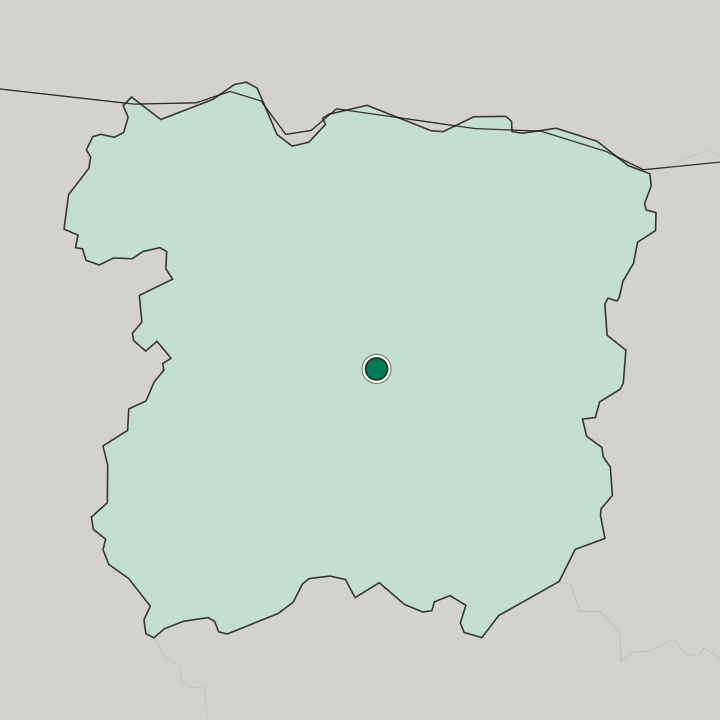
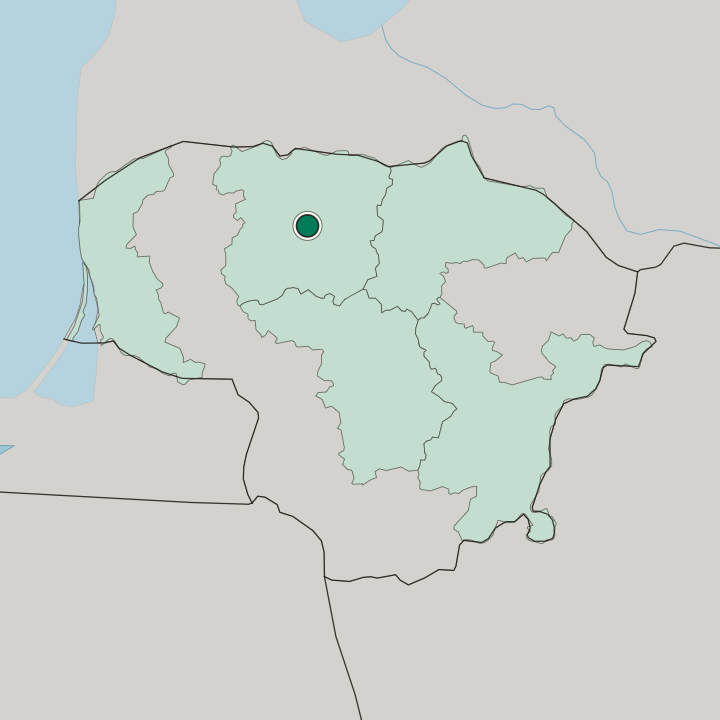
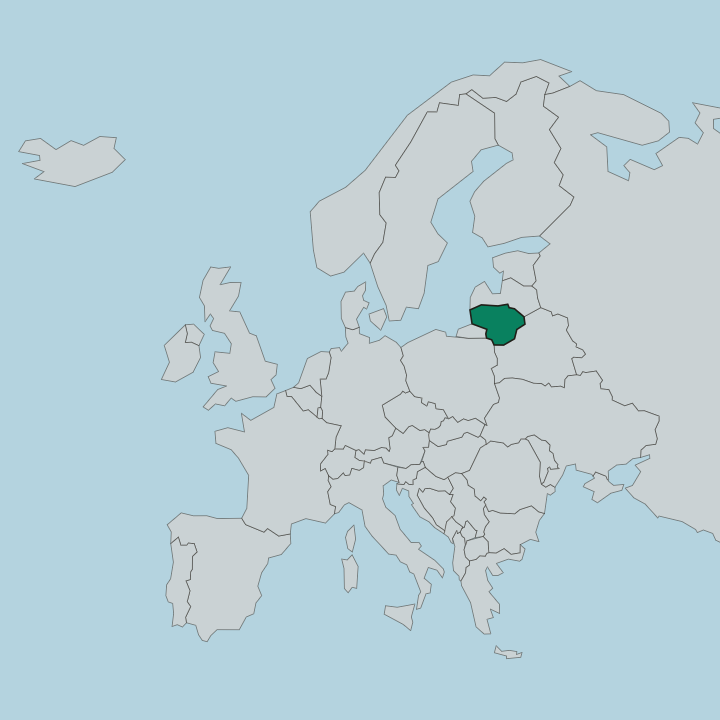
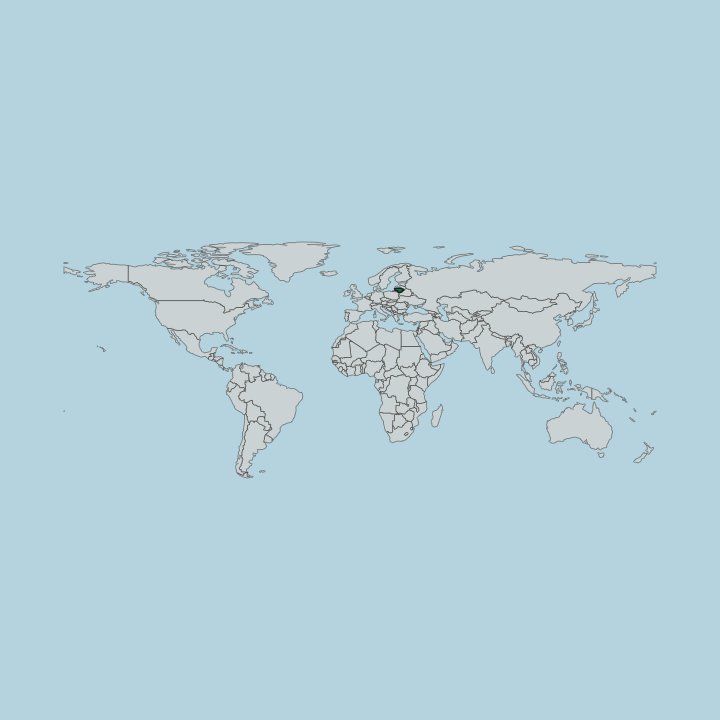
Samogitia holds the city. Šiauliai lies in that region of Lithuania and borders Aukštaitija, and the Hill of Crosses stands some 12 km beyond the built-up area, close enough to count as part of the place. Šiauliai County surrounds it. The setting is temperate, in the northern hemisphere, and the city spreads over a fair area for its rank in Lithuania.
What is the climate of Šiauliai?
Pilgrimage season answers to the weather. The walk out to the Hill of Crosses is an outdoor undertaking from start to finish, so the months either side of midsummer carry most of the visitors and the winter ones far fewer. Šiauliai sits in the temperate band, with a cold half to the year and a mild, long-lit half that compensates for it. Dress for the road out.
How do you get to Šiauliai?
Roads and rails both reach it. Šiauliai is the fourth largest city in Lithuania and the centre of Šiauliai County, which is enough to put it on the main routes crossing between Samogitia and Aukštaitija. The railway has its own museum here, the Šiaulių geležinkelio muziejus, which says something about how long trains have served the city. The last stretch is by road.
Reaching the Hill of Crosses means a drive of some 12 km out of town, and that leg is too long to walk from the centre.
Common questions
What is the best area to stay in Šiauliai?
The Šiauliai Aušros Museum quarter: museum days walked between the Katinų muziejus and the Aušros collections. The Hill of Crosses road: pilgrims driving the 12 km out to the Hill of Crosses.
Good for
Updated September 2026