
Luxembourg
Luxembourg — Towns & Travel Guide
The canton of Luxembourg wraps around the capital, the administrative heart of the Grand Duchy of Luxembourg and the seat of Luxembourg City.
Hotel links are affiliate links: booking through them may earn us a commission, at no extra cost to you. It never affects how places are ranked. How this works


Towns & cities in Luxembourg
One town here has its own guide — it links to where to stay.
 Luxembourg
Luxembourg
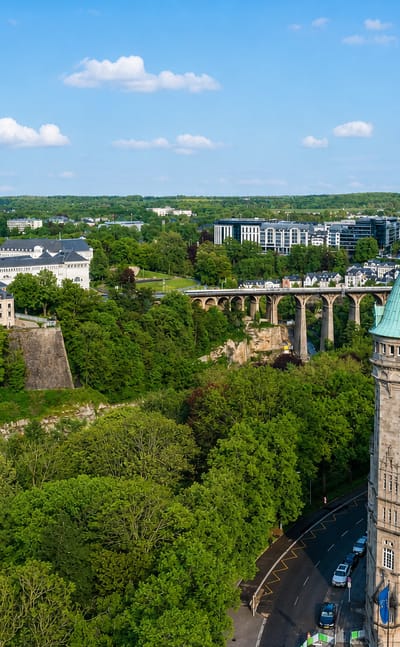
Sandstone ramparts ring the old town of Luxembourg, capital of the Grand Duchy, known for the Bock promontory and Notre-Dame Cathedral.Where to stay →
Hotel links are affiliate links: booking through them may earn us a commission, at no extra cost to you. It never affects how places are ranked. How this works
About Luxembourg
What is Luxembourg known for?
The canton of Luxembourg is known above all for the capital it contains. Luxembourg City sits at its centre. As one of the institutional seats of the European Union, the capital draws the canton into the wider machinery of the continent, and it is here that the Court of Justice of the European Union sits, the highest judicial authority in the bloc.
Everyday life across the canton runs in Luxembourgish and French, the languages that also frame its schools, signage, and civic offices.
Where is Luxembourg?
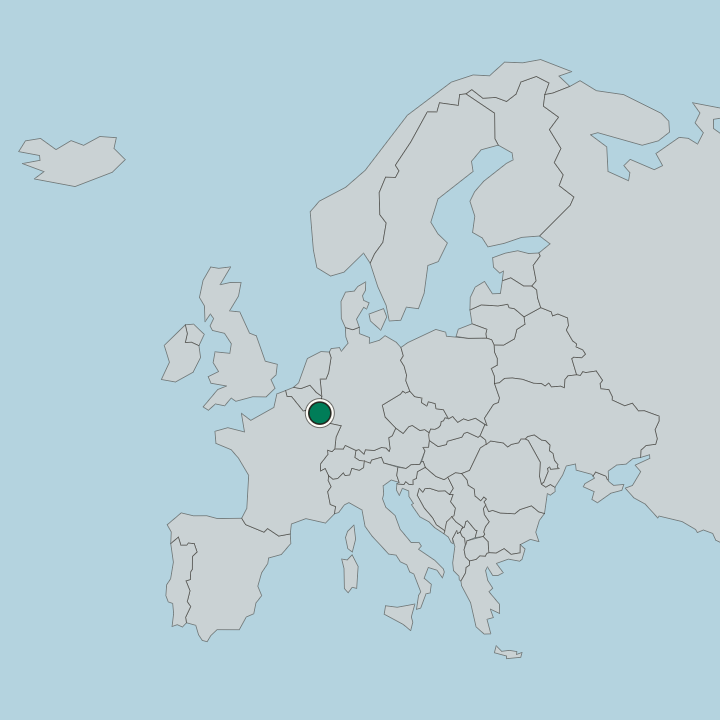
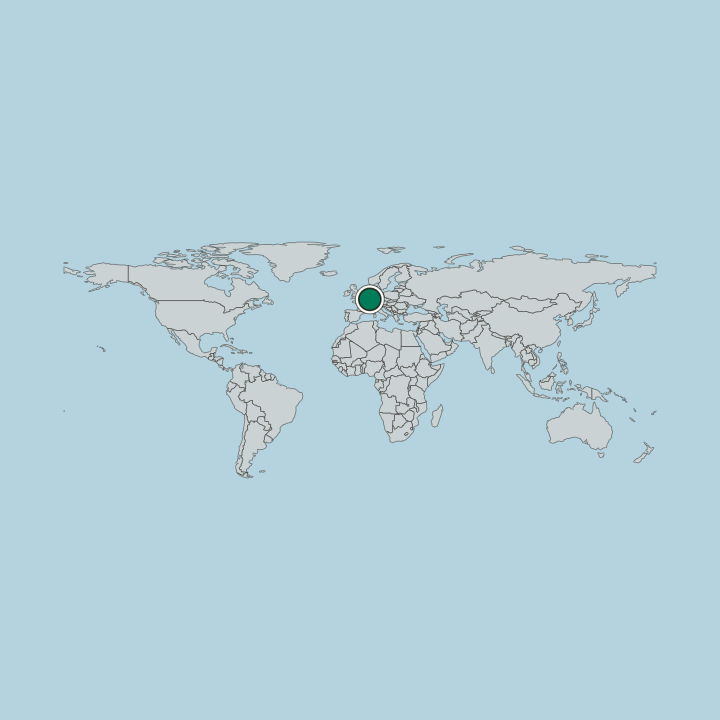
The canton of Luxembourg forms the central district of the Grand Duchy of Luxembourg, a landlocked country in Western Europe. It gathers the communes around the capital. At its core stands Luxembourg City, the country's largest settlement and the pivot around which the canton is organised.
The wider Grand Duchy is bordered by Belgium to the west and north, by Germany to the east, and by France to the south and west, so this central canton sits inland from every one of those frontiers, held in the interior of the country rather than along its edges. Because the canton is anchored on the capital, its geography is read through Luxembourg City more than through any single natural feature. The communes that surround the capital fall within the same central belt of the Grand Duchy.
The country as a whole belongs to the temperate band of Western Europe, and the canton of Luxembourg, lying in its middle, shares that inland, continental character across the ground it covers.
What is Luxembourg like?
The canton of Luxembourg carries the bilingual, cross-cultural character of the Grand Duchy at its most concentrated. Luxembourgish and French are both in daily use. The country sits at the crossroads of Germanic and Latin cultures, and the canton around the capital is where that meeting is felt most plainly, in the languages heard on the street and the institutions that gather there.
Everyday speech leans on Luxembourgish, while French carries much of the administrative and civic weight. Much of the canton's public life is shaped by Luxembourg City. The capital's role as one of the institutional seats of the European Union pulls people, languages, and working habits from across the continent into the canton.
That outward-facing character is not incidental. It is bound up with the Grand Duchy's long position between larger neighbours, a small country whose central canton has learned to hold several cultures at once rather than choose among them.
What is the history of Luxembourg?
The canton of Luxembourg takes its name and its shape from the capital at its centre. Its story is the capital's. As the seat of the Grand Duchy of Luxembourg, the capital drew the surrounding communes into a single administrative canton, and the wider country's long standing at the crossroads of Germanic and Latin cultures runs through the canton's own past.
The rise of Luxembourg City as one of the institutional seats of the European Union added a further, outward chapter.
What is the climate of Luxembourg?
The canton of Luxembourg has the temperate, inland climate of Western Europe. Seasons are moderate. Held within the landlocked Grand Duchy of Luxembourg, well away from any coast, the canton sees mild summers and cool, damp winters shaped by its continental position rather than by the sea.
Rain is spread across the year, and the ground around Luxembourg City stays green through the warmer months.
How do you get to Luxembourg?
Reaching the canton of Luxembourg means reaching Luxembourg City, the country's central hub. Everything converges on the capital. Road and rail across the Grand Duchy of Luxembourg run toward this central point, and from the capital the surrounding communes of the canton are a short onward hop.
Because the canton sits inland at the heart of the country, arrivals from Belgium, Germany, or France all cross the frontier and then head for the capital at its core.
Common questions
What is the best area to stay in Luxembourg?
Luxembourg City: The canton's capital and only real hotel cluster.
Updated September 2026