Libya · Al Buţnān
Where to Stay in Tobruk, Al Buţnān
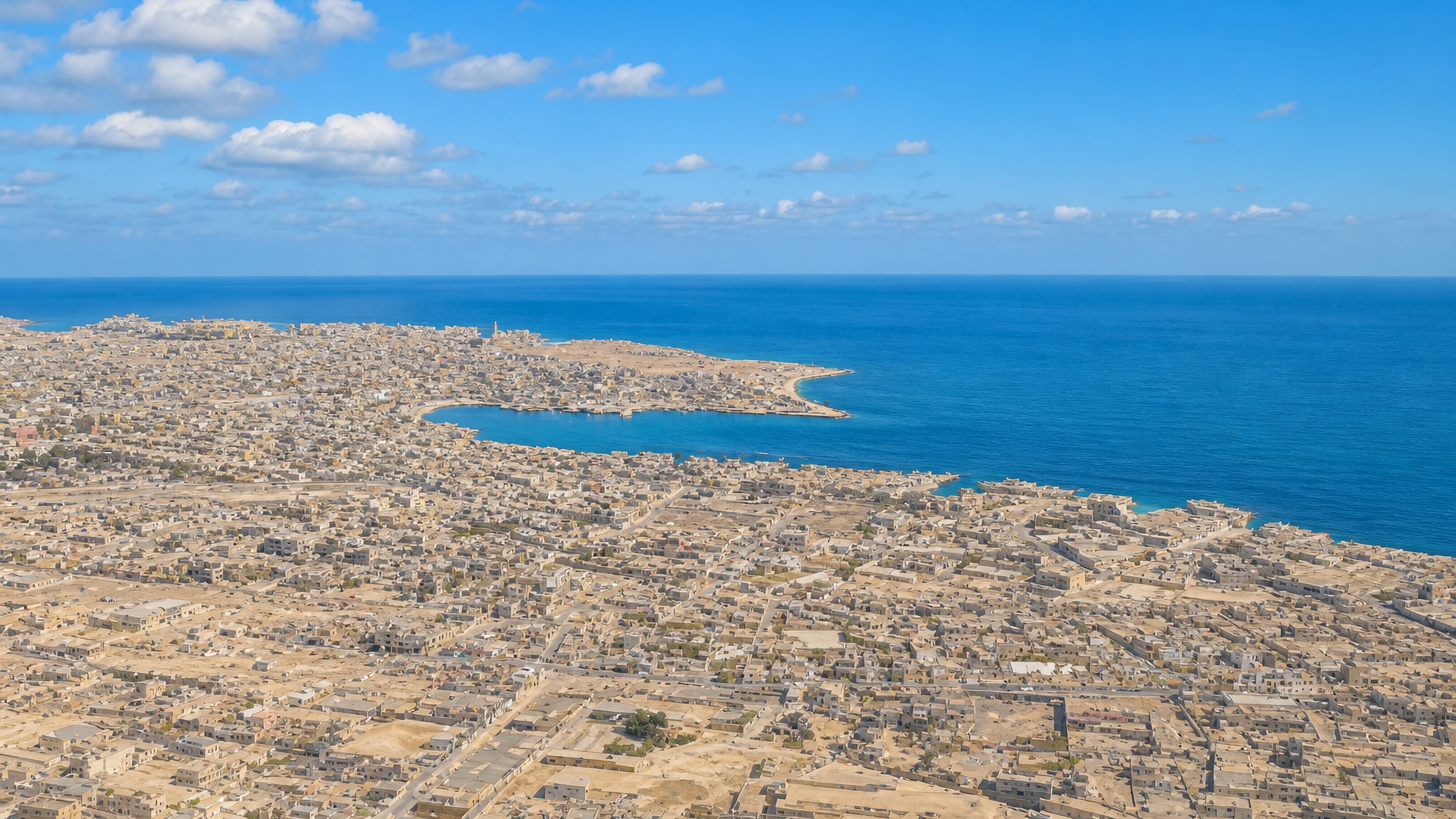
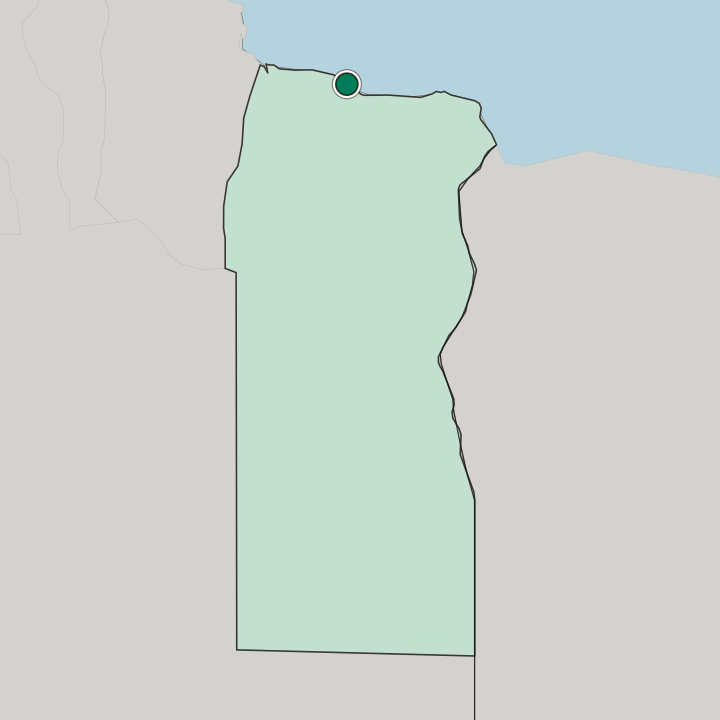
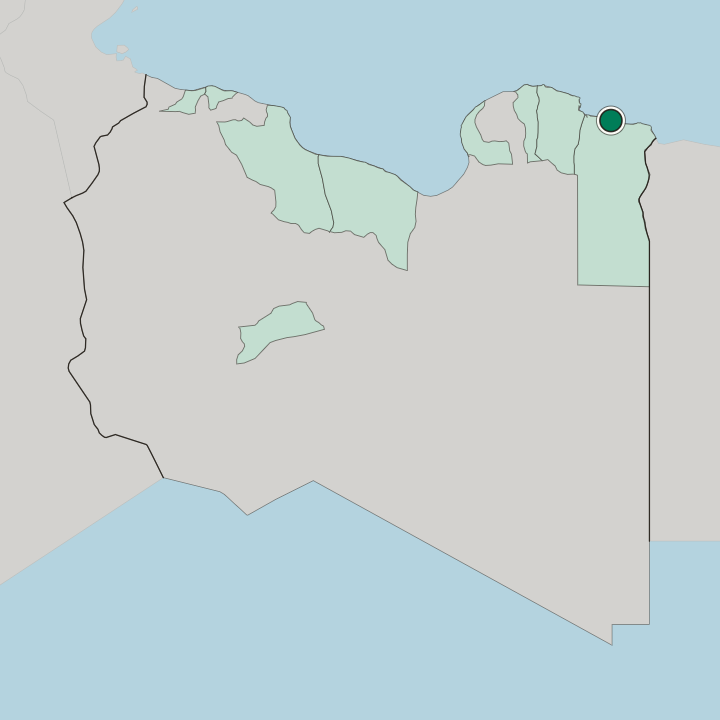
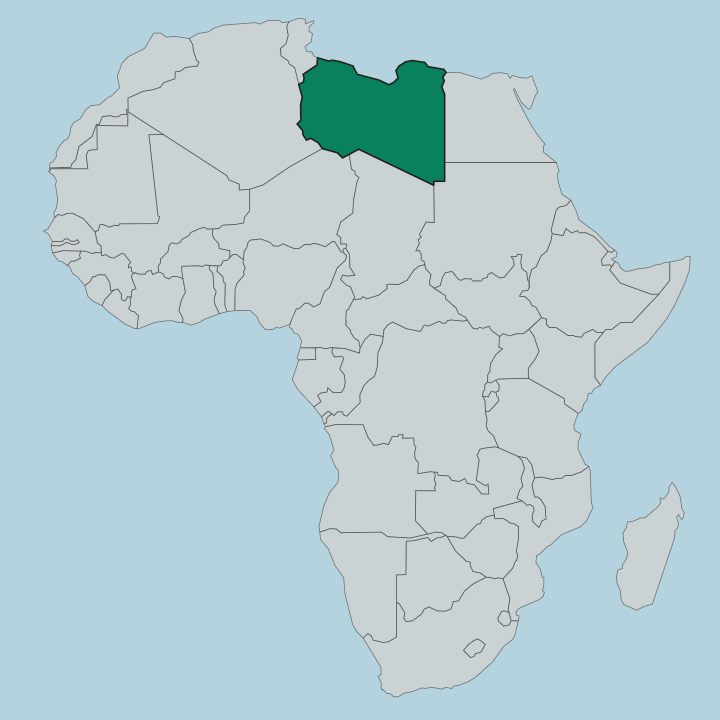
Tobruk is a port city on the Mediterranean coast of Libya, near the Egyptian border, and the capital of the Butnan District.
Hotel links are affiliate links: booking through them may earn us a commission, at no extra cost to you. It never affects how places are ranked. How this works


Where to stay in Tobruk
Where the beds are, and what that means for the visit.
Tobruk is small, and the choice is correspondingly simple. Rooms sit either close to the harbour, where the port traffic and the water are, or back among the streets that carry the everyday business of the Butnan District, and the walk between the two is not long. The port side wins on outlook.
It also puts the arriving and departing traffic under the window, which suits some travellers and rules the location out for others. المتحف الوطني طبرق is the one fixed indoor stop, and a bed within walking distance of it removes the only errand that a short visit here really has. Frontier traffic is the other consideration. The border with Egypt lies close, and the side of town that faces it suits anyone timing a crossing rather than settling in, since an early start beats a late one on a run of that length.
Nothing here is a resort. Tobruk is a working city on the Mediterranean, and if you want a coastal stop with the port in the foreground rather than out of sight, this is the shape that a stay takes.
Find hotels in Tobruk
Direct booking searches for these neighbourhoods.
The harbour front
Rooms over the port keep the water and the shipping in sight, which is the whole of what Tobruk looks out on.Find hotels in The harbour frontA short walk to المتحف الوطني طبرقThe museum streets
Ground near المتحف الوطني طبرق puts the city's one indoor collection a few minutes from the door.Find hotels in The museum streetsTiming a crossing to the border with EgyptThe frontier side
Beds on the side of town facing the frontier sit closest to the road out and to the far reaches of the Butnan District.Find hotels in The frontier sideHotel links are affiliate links: booking through them may earn us a commission, at no extra cost to you. It never affects how places are ranked. How this works
About Tobruk
The harbour explains the town.
What is Tobruk known for?
Tobruk is a port on the Mediterranean, and the shipping that uses it is the plain reason a city of this size stands on this part of the Libyan coast rather than somewhere else along it. Its museum keeps the local record. المتحف الوطني طبرق holds the collection, and the city doubles as the seat of the Butnan District, the administrative unit that runs inland to the frontier with Egypt.
What are the main landmarks in Tobruk?
One name is on the register. المتحف الوطني طبرق is the single listed institution recorded for Tobruk, which makes the museum the default indoor stop for a visitor with an afternoon to fill. The rest is coast and harbour. What the city offers past the museum is the working waterfront on the Mediterranean and the open country of the Butnan District behind it, and neither of those asks for a ticket.
What is the history of Tobruk?
The record here is short on dates. No founding year is set down for Tobruk, and what the file carries instead is a function: a port on the Mediterranean, and the administrative seat that goes with it. Where Tobruk sits accounts for the rest.
A harbour within reach of the frontier with Egypt keeps its usefulness whatever else changes around it, and that steadiness is the thread running under the whole of the city's account. The district frames what follows. Al Buţnān is the name the administration uses for the country around the city, and Tobruk is its capital, which has kept the town on maps and in ledgers regardless of what the coast either side was doing.
Its museum is the keeper of that account. المتحف الوطني طبرق is the one institution recorded for the city, and a single museum carrying the local record is itself a statement about how much of that record survives in writing rather than in standing walls. Egypt is the other constant. The frontier a short way off has always shaped who passes through Tobruk and in which direction, and a harbour on the Libyan coast at that distance from a neighbouring country is a border town as much as a port.
Where is Tobruk?
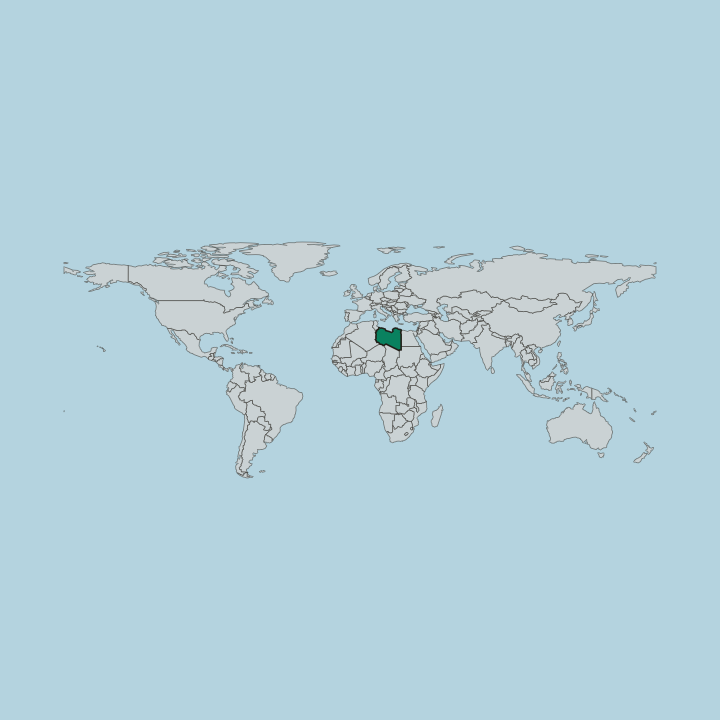
Tobruk stands on the Mediterranean shore a short way from the border with Egypt, and the ground behind the town belongs to Al Buţnān, the district it administers. Subtropical conditions hold along this coast. The sea lies in front and the dry interior of Libya behind, with the harbour as the join between them.
What is the climate of Tobruk?
Sea air governs the coast strip. Tobruk lies open to the Mediterranean, which holds the subtropical band to something milder than the country of Al Buţnān inland manages, and the contrast turns up within a short drive of the harbour. The season that matters is summer.
Heat builds away from the water, and the port keeps the worst of it off the streets nearest the quays.
How do you get to Tobruk?
Arrivals come by road or by sea. The coast route is the practical one, with the frontier with Egypt close enough that Tobruk serves as the first Libyan stop for anyone crossing from that side, and the port takes the rest of the traffic. Arabic is the working language.
Once inside the city the distances are short, and the Butnan District beyond it is served from here rather than the other way round.
Common questions
What is the best area to stay in Tobruk?
The harbour front: Nights above the working quays of Tobruk. The museum streets: A short walk to المتحف الوطني طبرق. The frontier side: Timing a crossing to the border with Egypt.
Updated September 2026