
Libya: Regions, Cities & Travel Guide
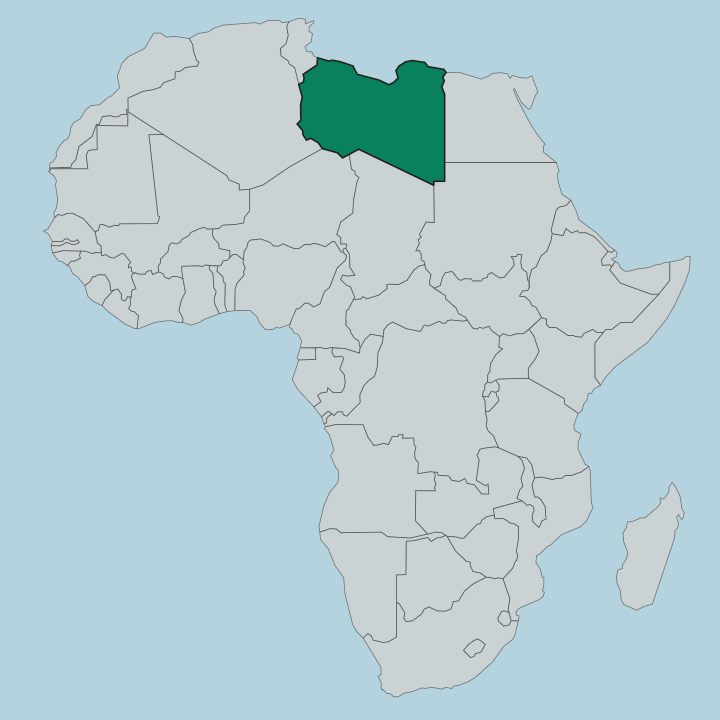
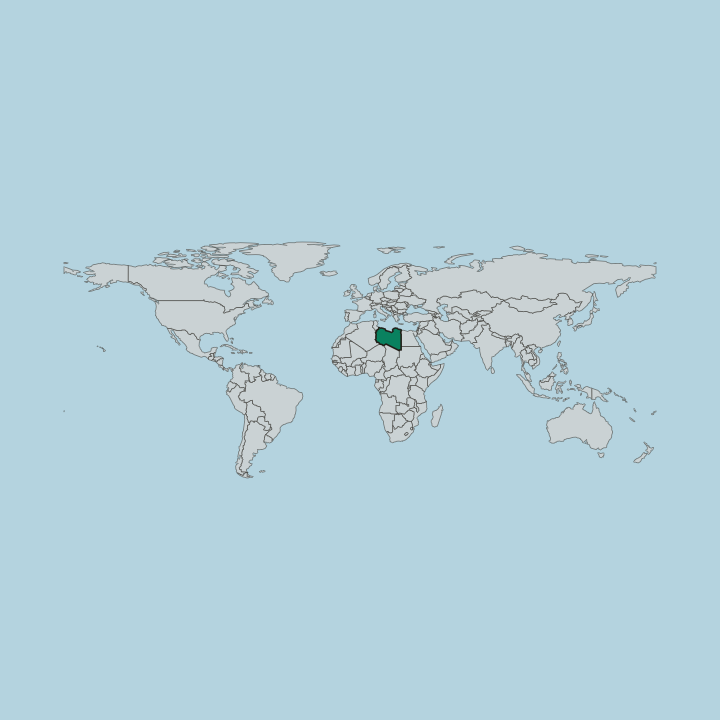
Libya is a country in the Maghreb of North Africa, on the Mediterranean, with Tripoli as its capital.
Hotel links are affiliate links: booking through them may earn us a commission, at no extra cost to you. It never affects how places are ranked. How this works


Top destinations in Libya
Cities to start from, then drill into areas and hotels.
 Libya
Libya
Tripoli
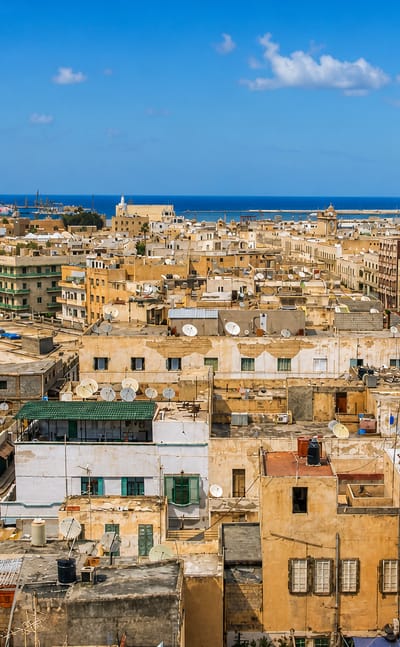
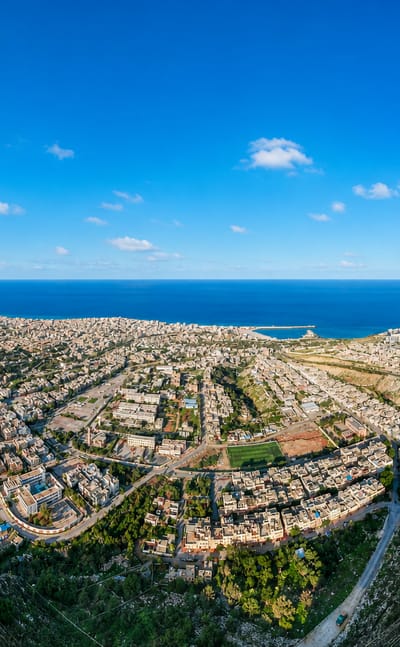
Whitewashed walls and the Mediterranean meet at Tripoli, the capital and principal harbour of Libya, known for Tripoli Castle and its old medina.Where to stay →
 Libya
Libya
Darnah
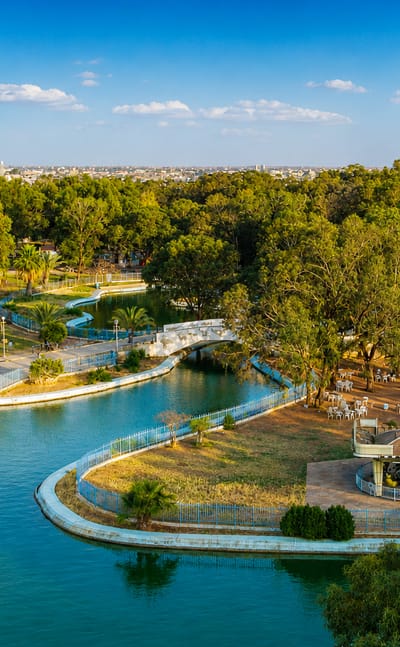
Salt air off the Mediterranean marks Darnah, a seaport city in eastern Libya and the seat of Darnah District in Cyrenaica.Where to stay →
 Libya
Libya
Benghazi
Benghazi rises above the Gulf of Sidra, a major seaport and the largest city of Cyrenaica, the second city of Libya on the Mediterranean.Where to stay →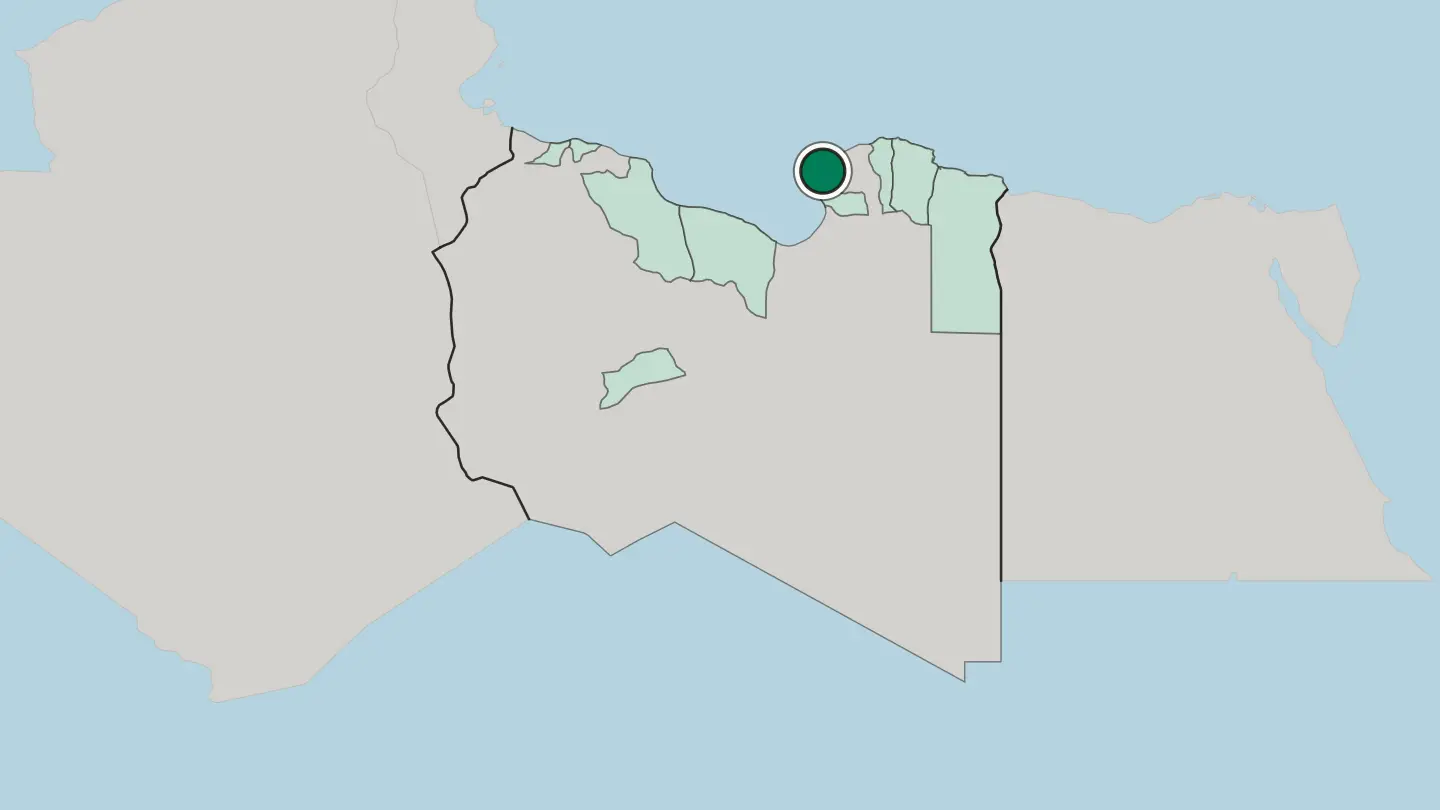
 Libya
Libya
Tobruk
Tobruk is a port city on the Mediterranean coast of Libya, near the Egyptian border, and the capital of the Butnan District.Where to stay →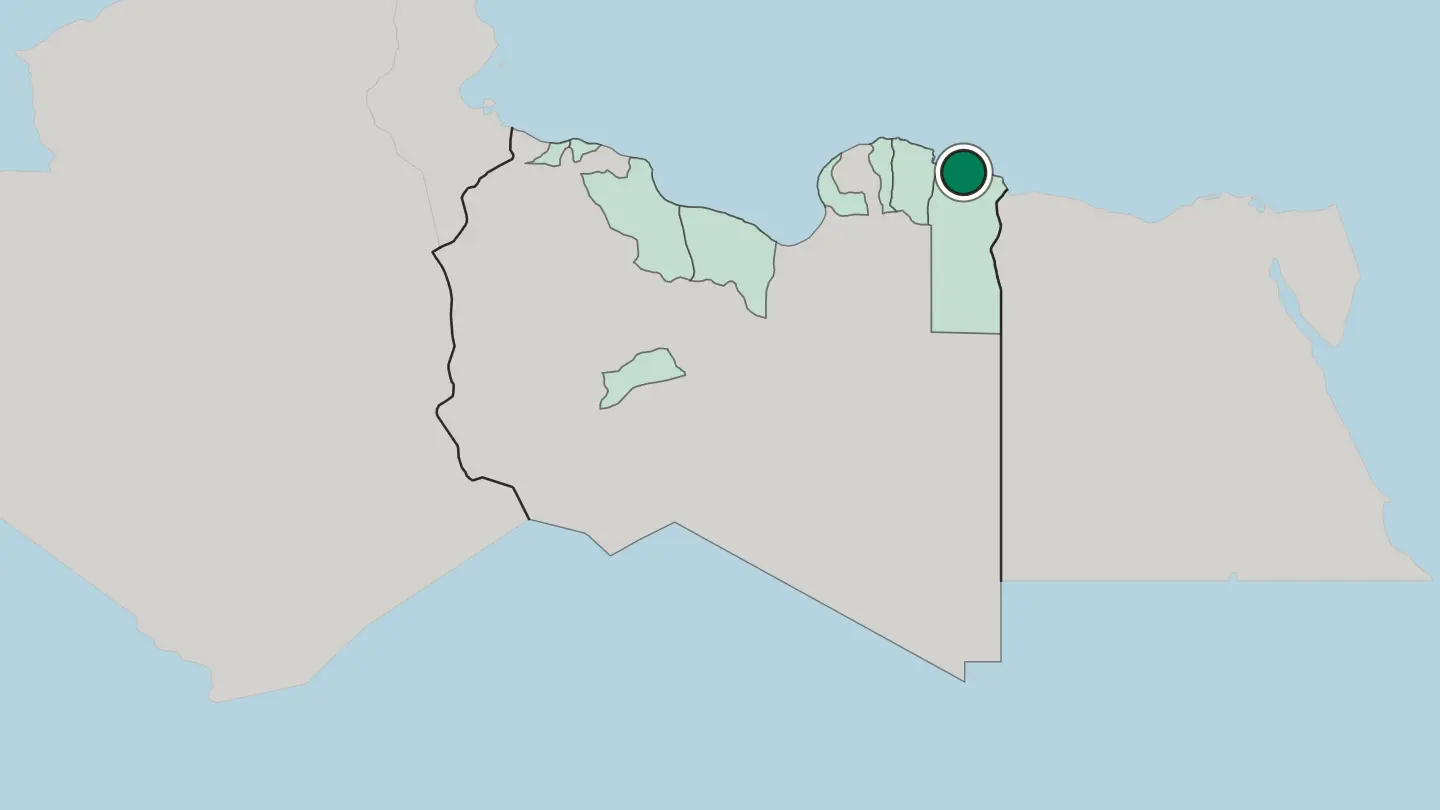 Libya
Libya
Sirte
Sirte stands on the southern shore of the Gulf of Sirte, midway between Tripoli and Benghazi, on the site of an Ottoman fortress.Where to stay →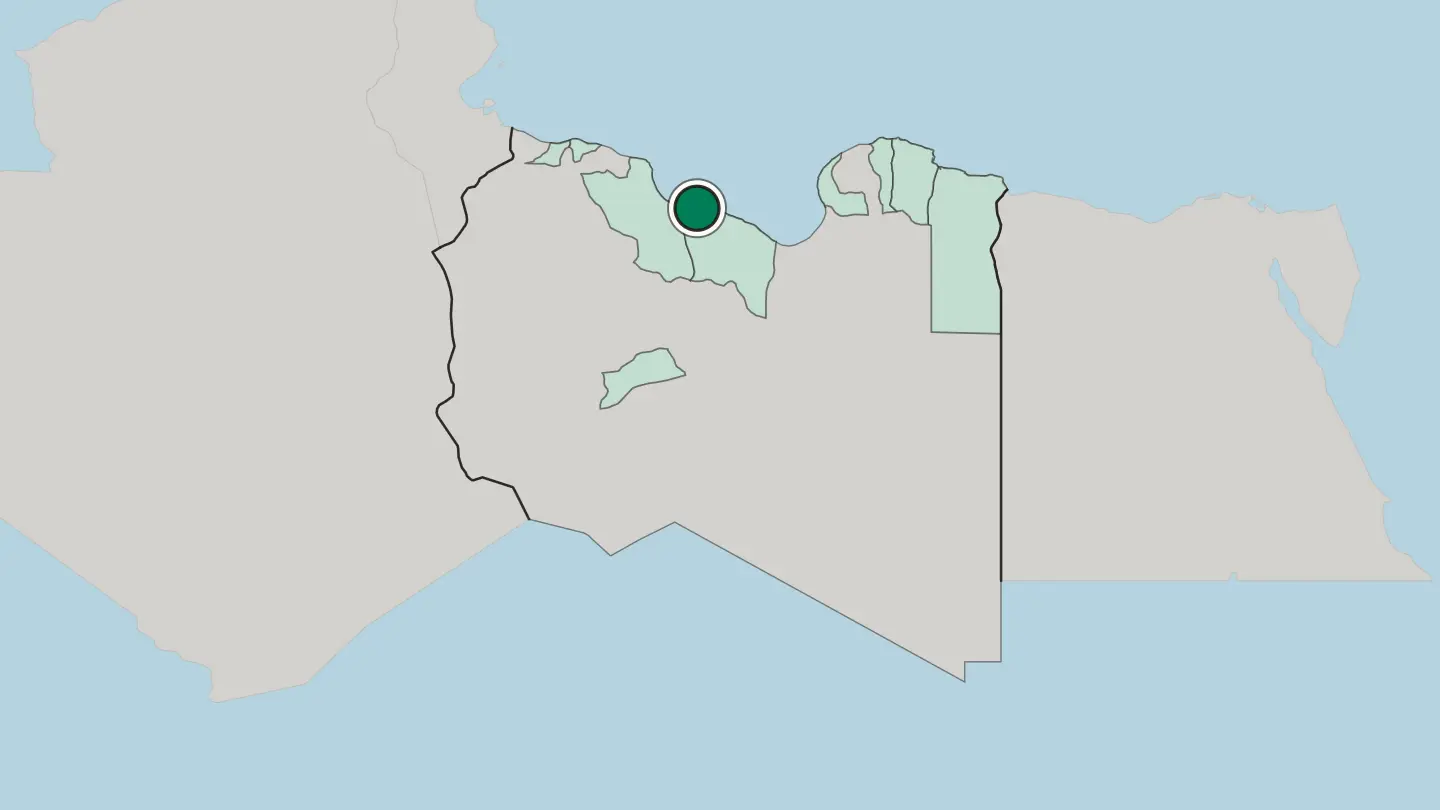 Libya
Libya
Misratah
Misratah is a Mediterranean port city east of Tripoli, near Cape Misrata, with its harbour at Qasr Ahmad and an Italian spelling of Misurata.Where to stay →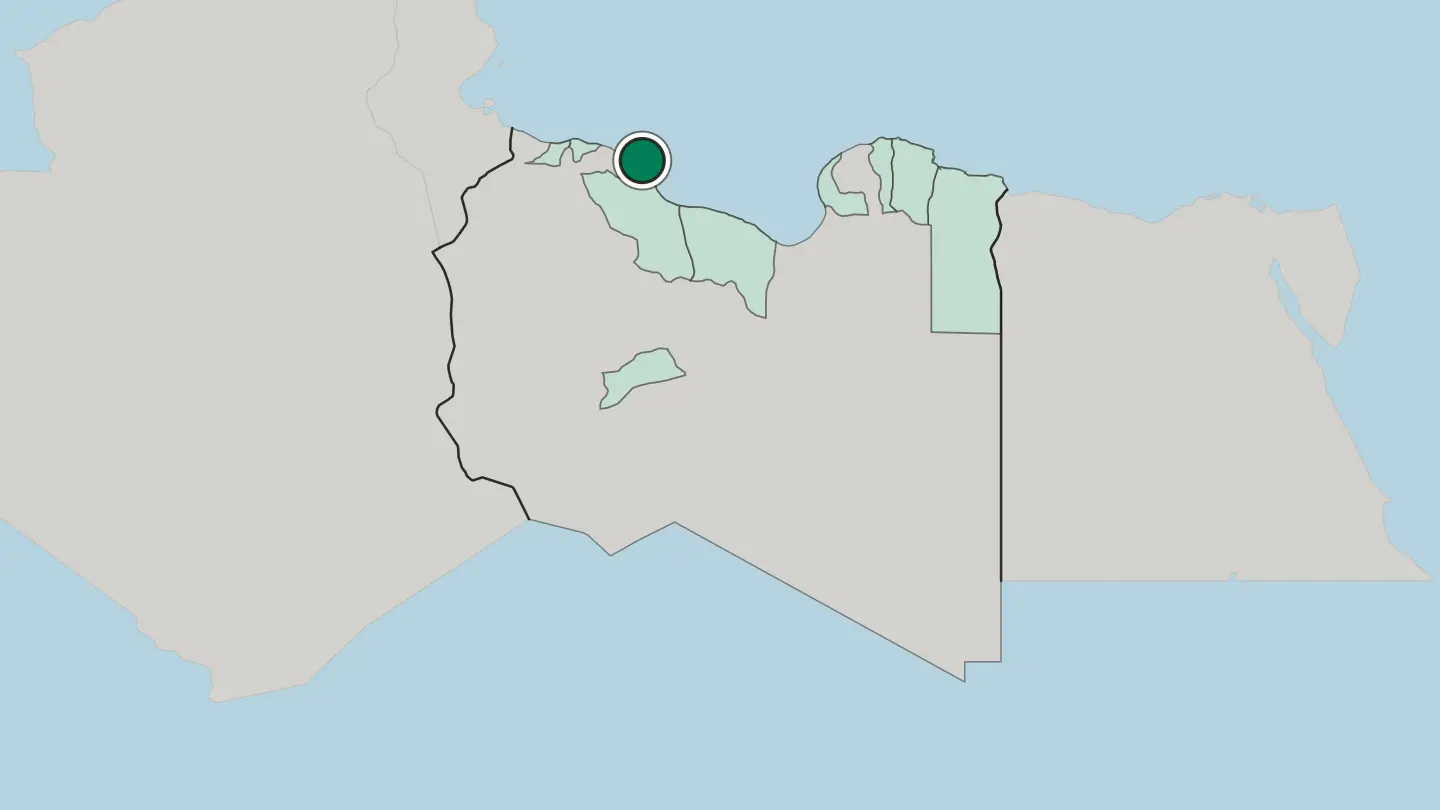 Libya
Libya
Sabha
Sabha is an oasis city of the Fezzan, far from Tripoli in the Libyan interior, and the capital of the Sabha District.Where to stay → Libya
Libya
Al Bayḑā’
Al Bayḑā' is a commercial city of Cyrenaica and capital of the Jabal al Akhdar district, the base for visiting ancient Cyrene.Where to stay →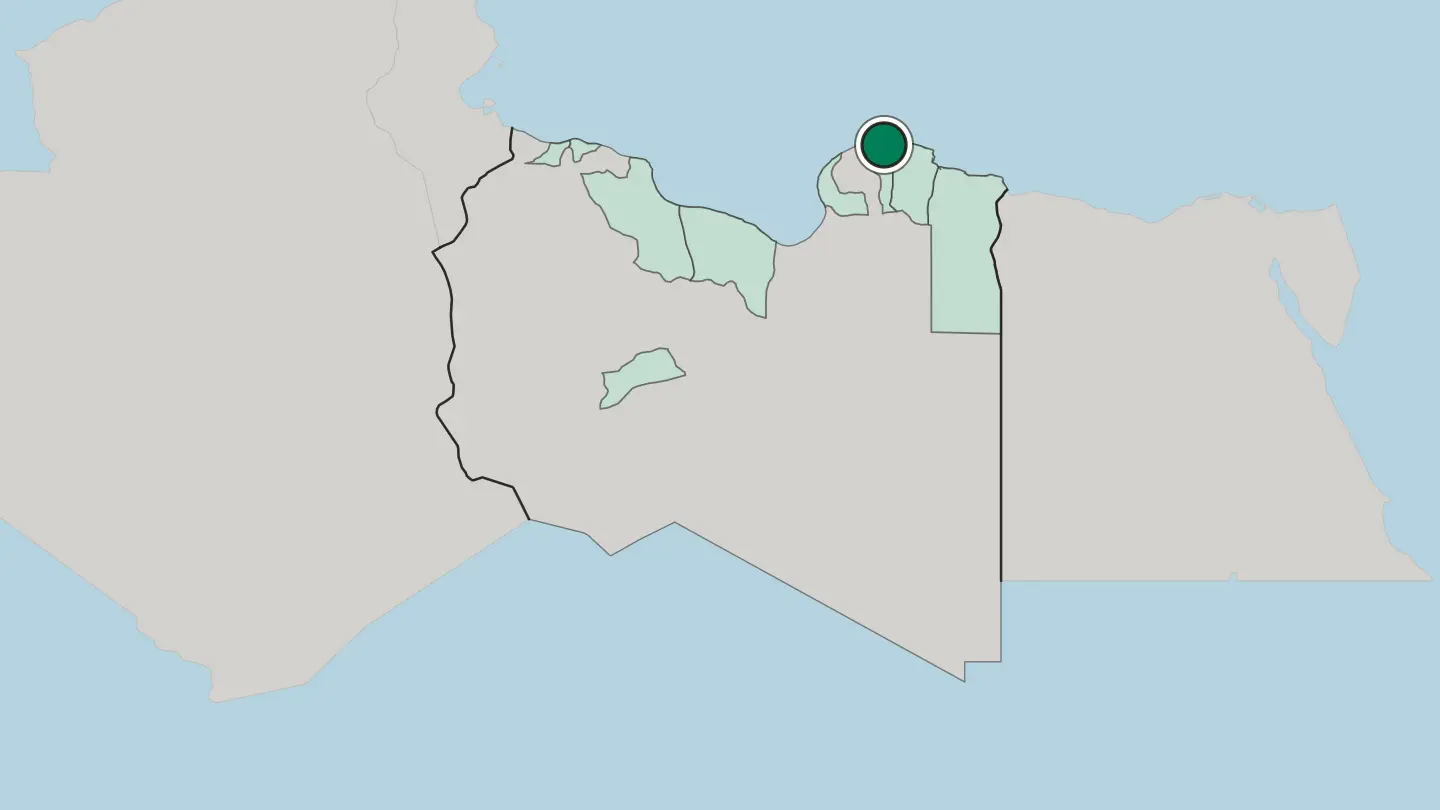
 Libya
Libya
Şabrātah
Şabrātah stands on the Mediterranean coast of Libya, west of Tripoli, around a Roman city whose theatre survives. Oea and Leptis Magna were peers.Where to stay →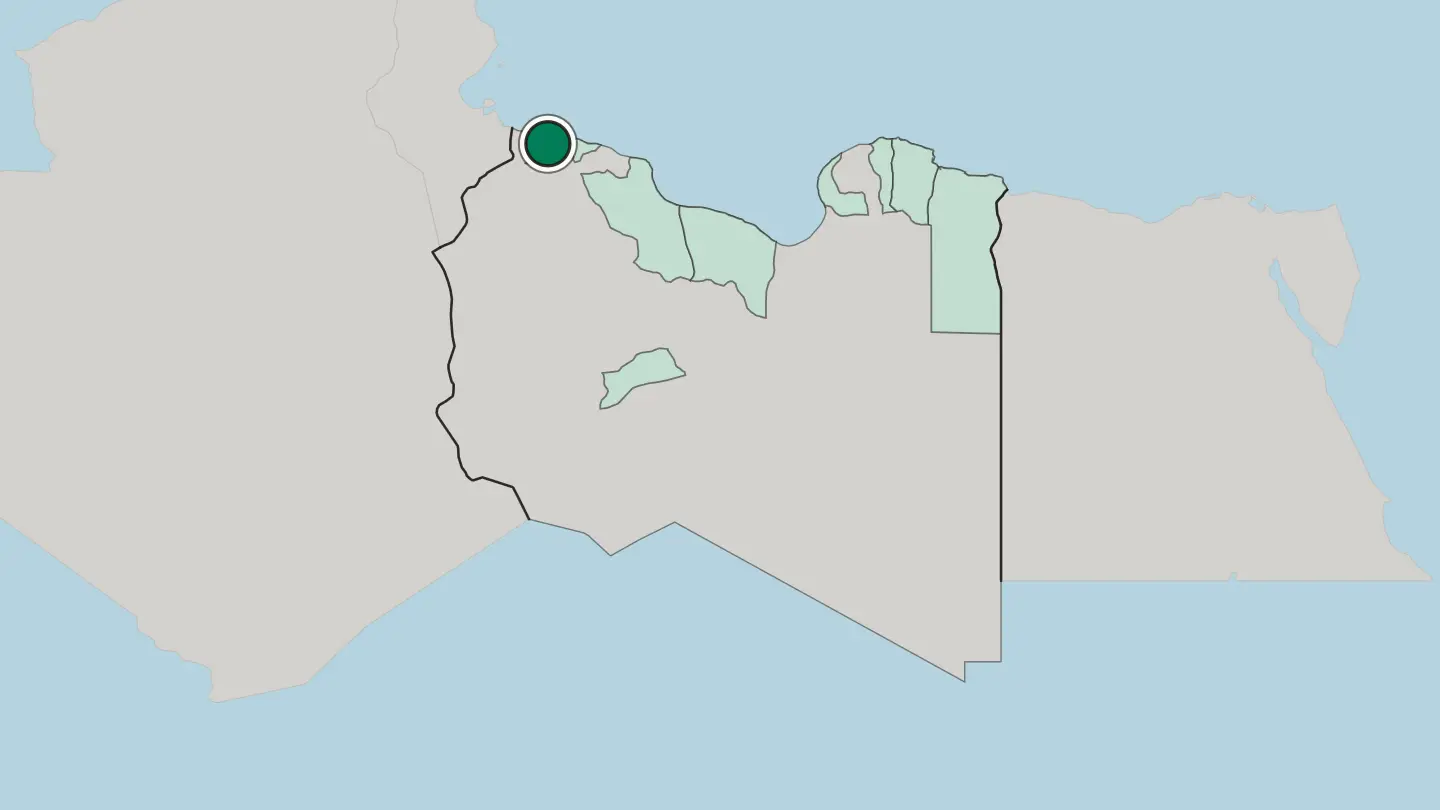
Hotel links are affiliate links: booking through them may earn us a commission, at no extra cost to you. It never affects how places are ranked. How this works
Regions of Libya
Libya
Al Buţnān
Al Buţnān is an administrative district of eastern Libya, capital Tobruk, and the ground it covers has also been called Marmarica.Towns & cities →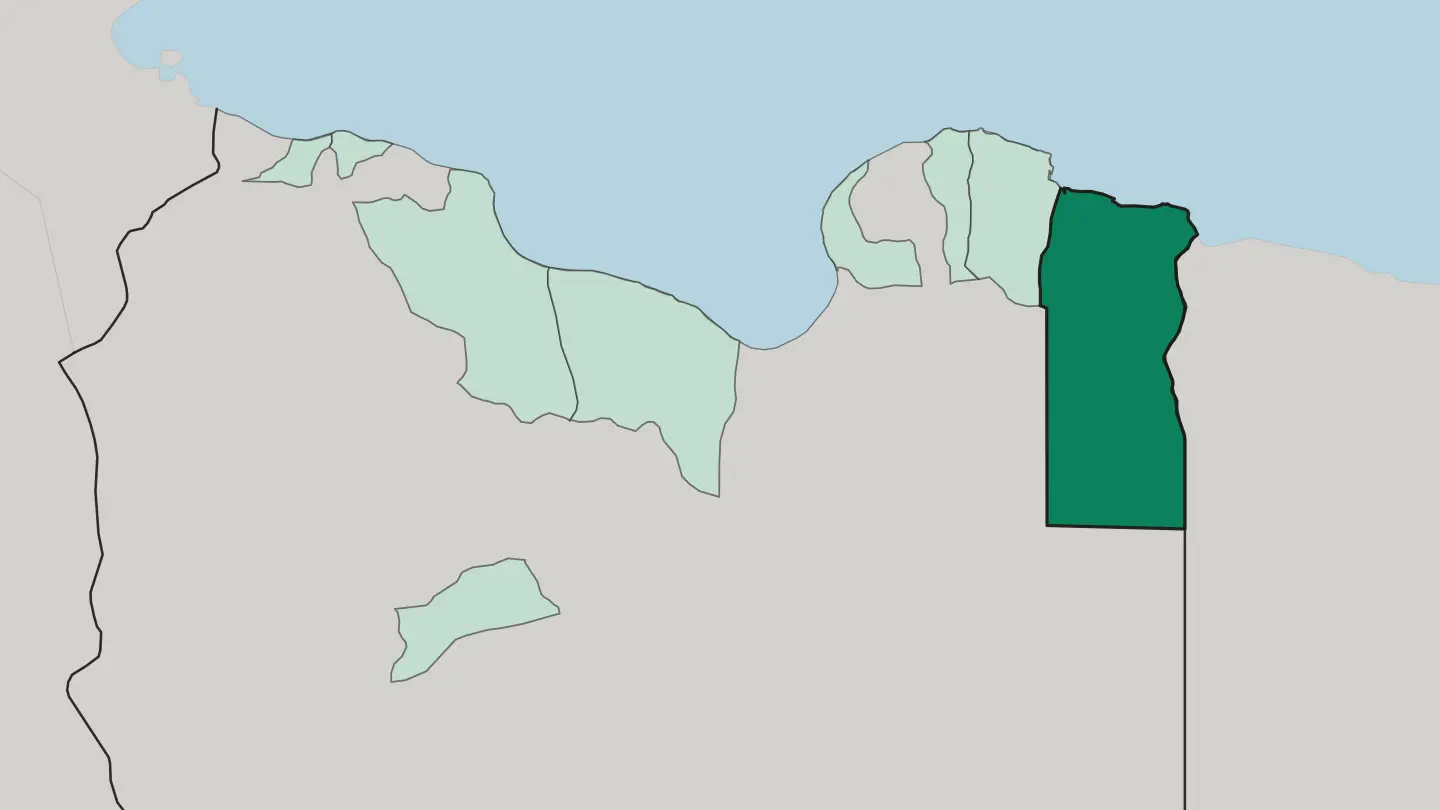 Libya
Libya
Al Jabal al Akhḑar
Al Jabal al Akhḑar, the Green Mountain, is a district of Libya whose upland holds the ruins of Cyrene and the antique port of Apollonia.Towns & cities →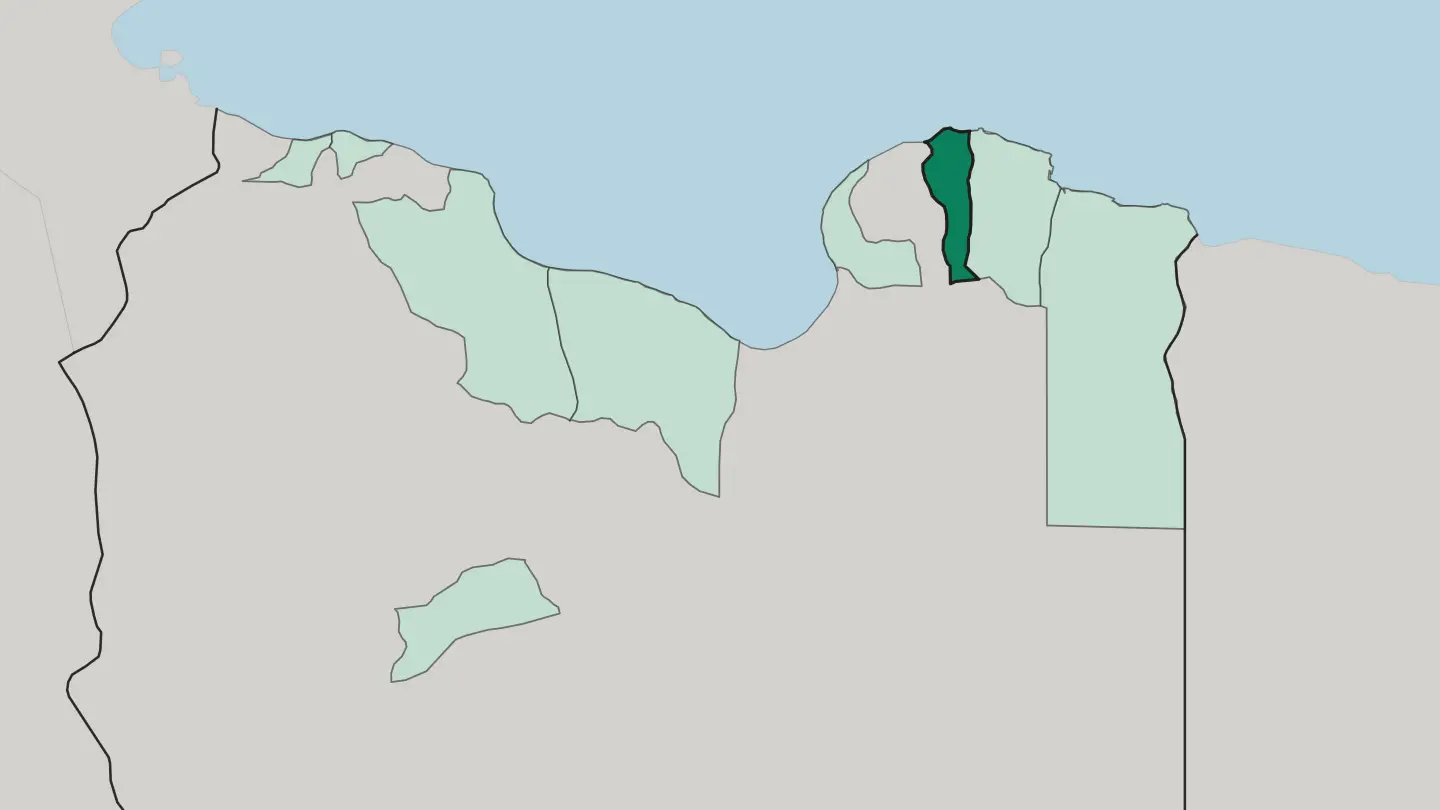 Libya
Libya
Az Zāwiyah
Az Zāwiyah is a coastal district of Libya on the Mediterranean Sea, west of Tripoli, within what was historically the region of Tripolitania.Towns & cities →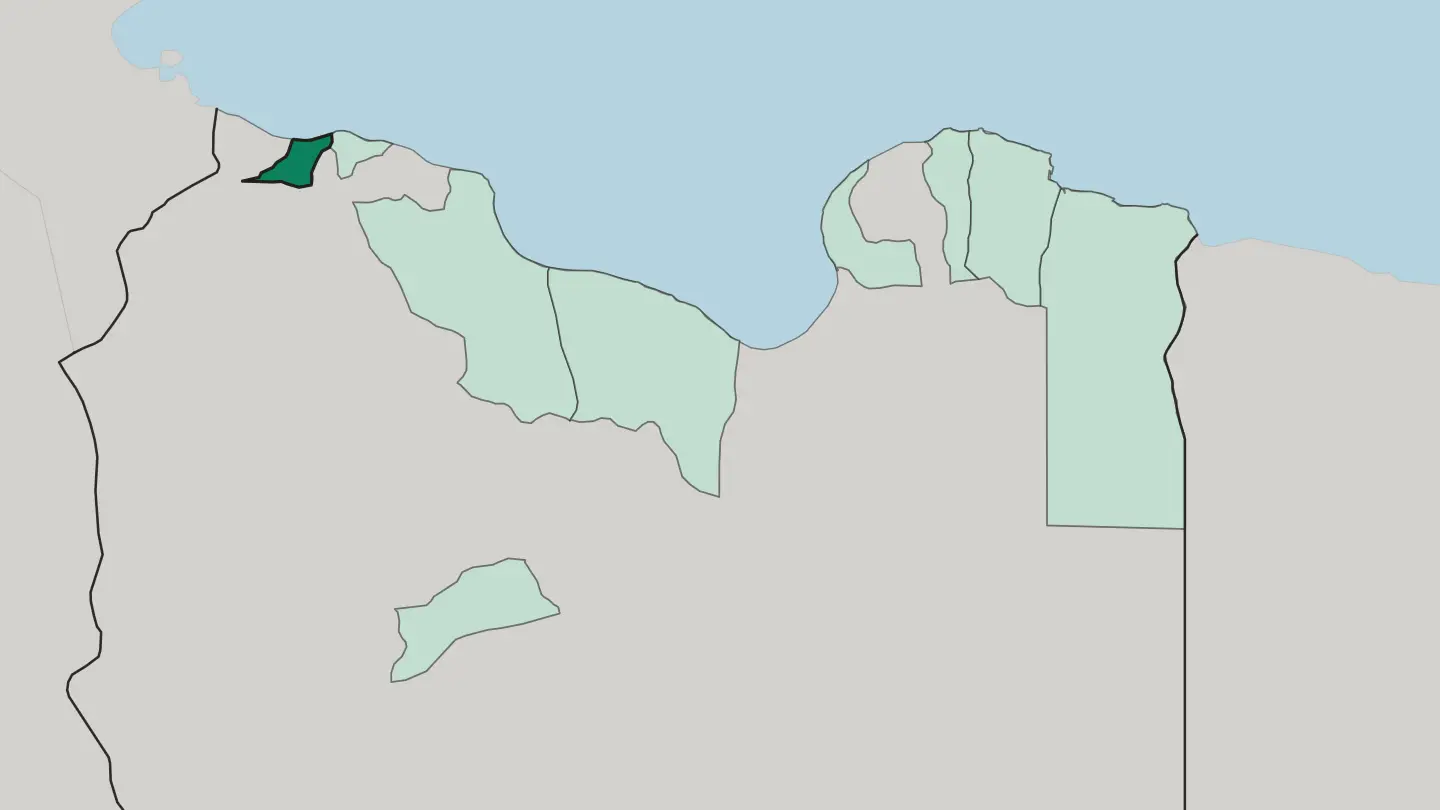 Libya
Libya
Darnah
Darnah is a coastal district of eastern Libya, its shore on the Mediterranean and its hub the seaport city of Darnah.Towns & cities →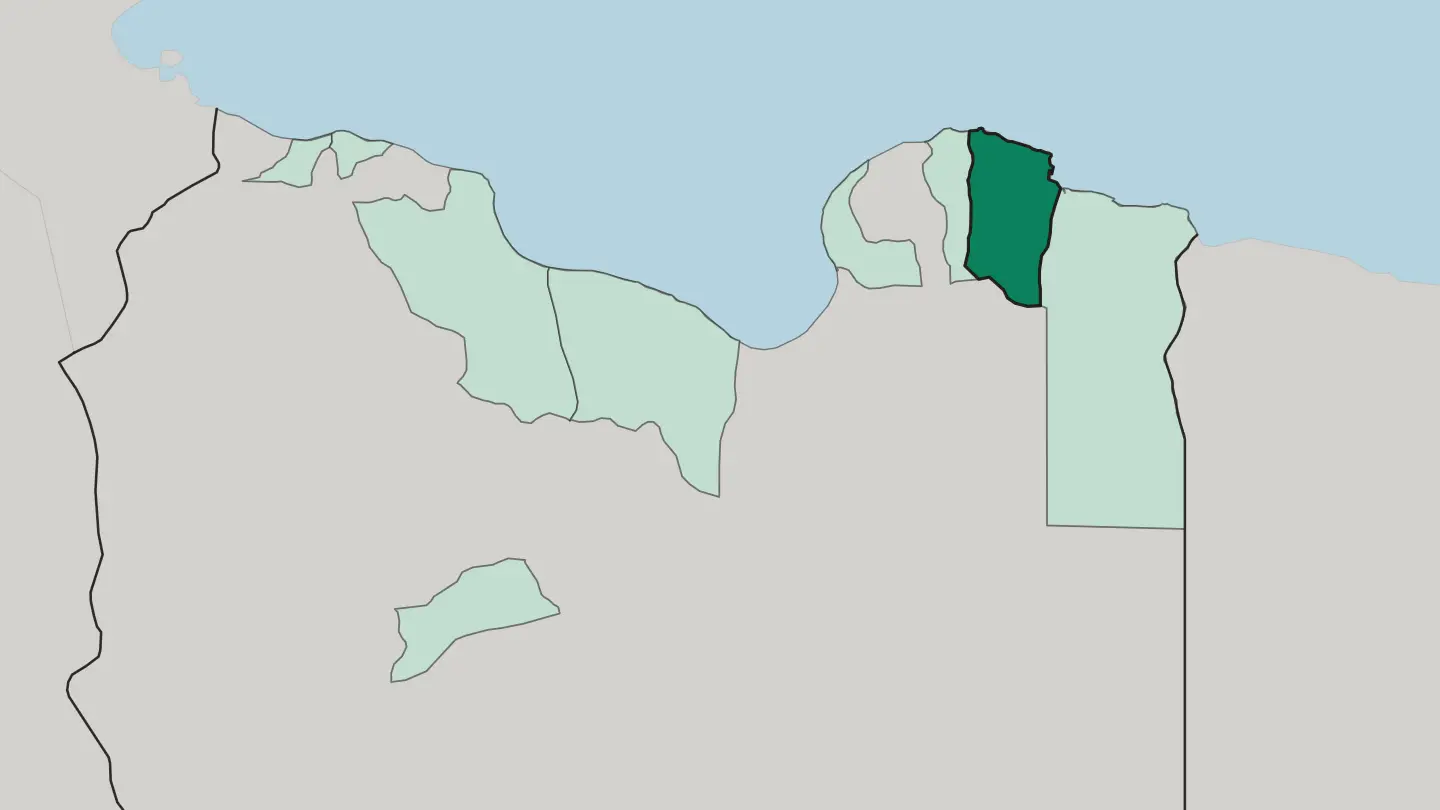 Libya
Libya
Sabhā
Sabhā is a district near the centre of Libya, in the Fezzan, with the city of Sabha as its capital and four districts closing every side.Towns & cities →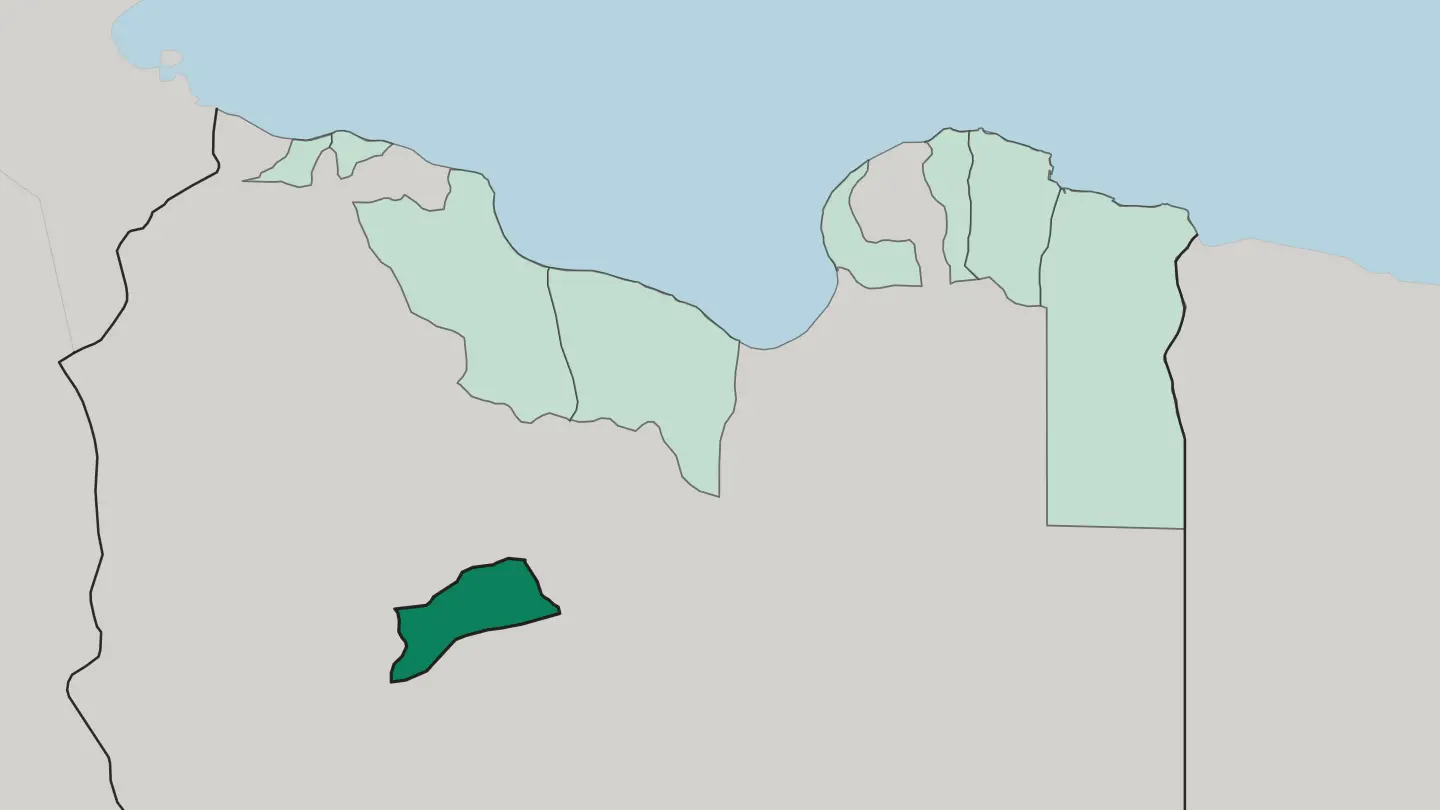 Libya
Libya
Sha‘bīyat Banghāzī
Benghazi District spreads along the Gulf of Sidra in eastern Libya, its hub the Mediterranean seaport of Benghazi, the largest city of Cyrenaica.Towns & cities →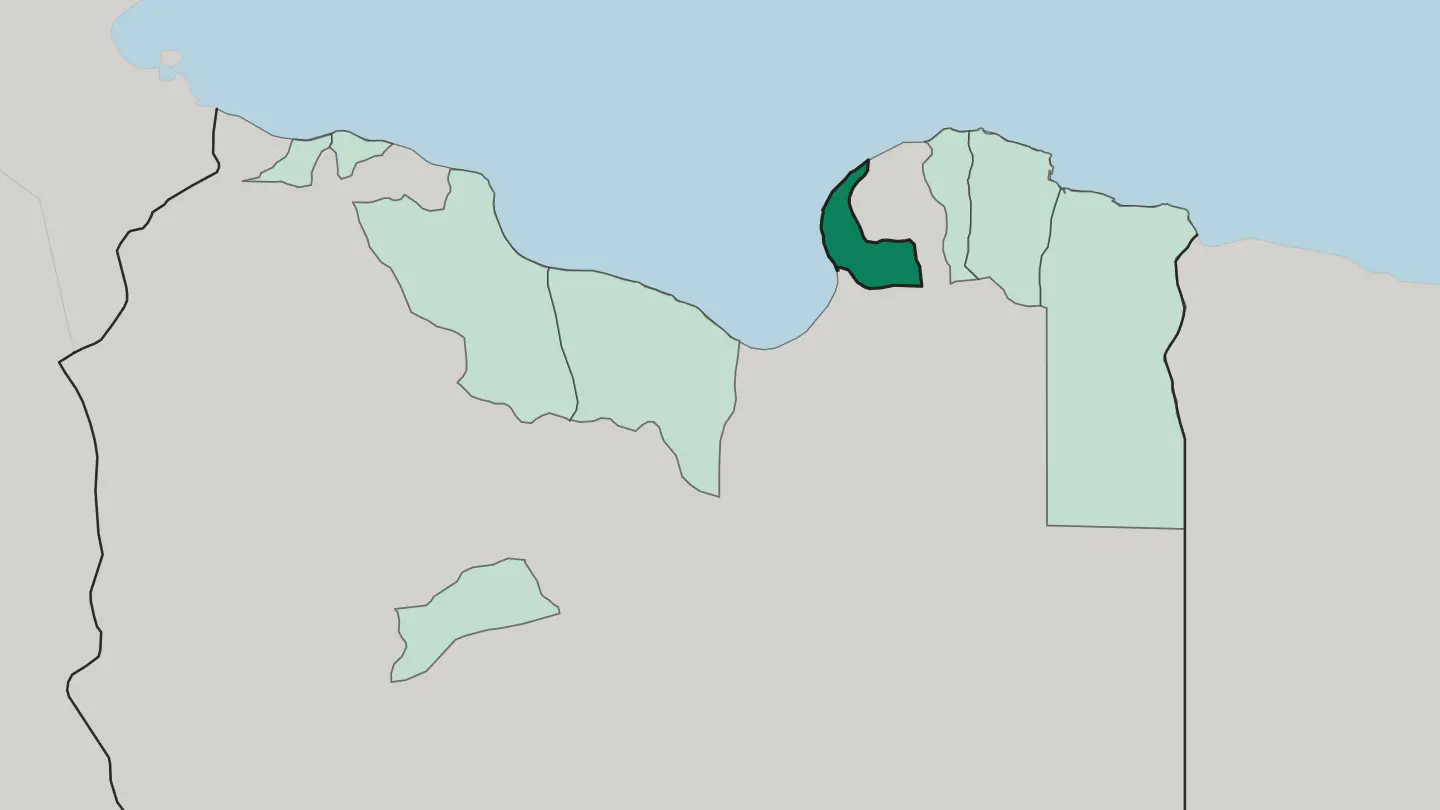 Libya
Libya
Sha‘bīyat Mişrātah
Sha'bīyat Mişrātah is a district of Libya with a shoreline on the Mediterranean Sea and the Gulf of Sidra, its capital the city of Misrata.Towns & cities →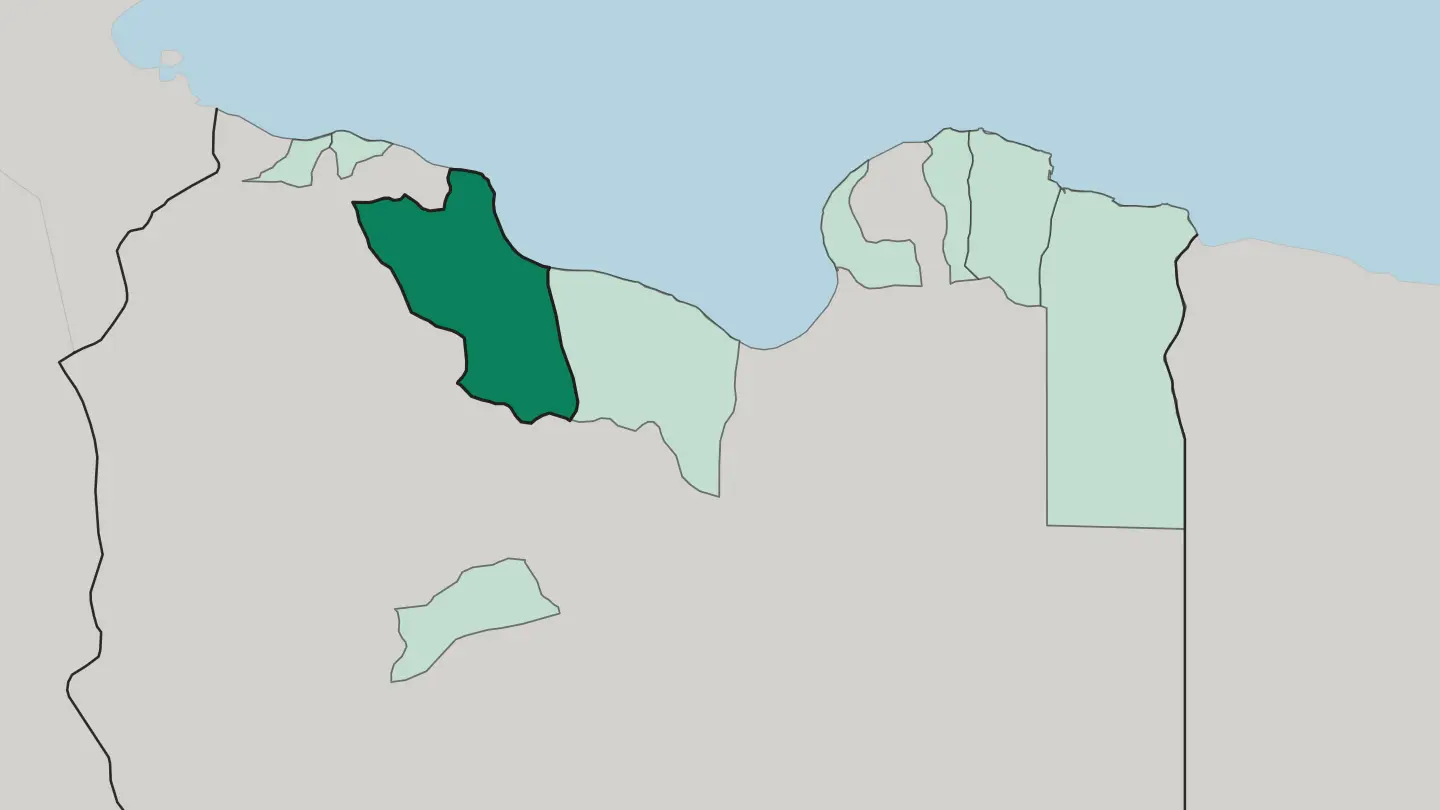 Libya
Libya
Surt
Surt is a district of Libya on the Gulf of Sidra, with its capital at Sirte and a shoreline on the Mediterranean Sea. Misrata adjoins it.Towns & cities →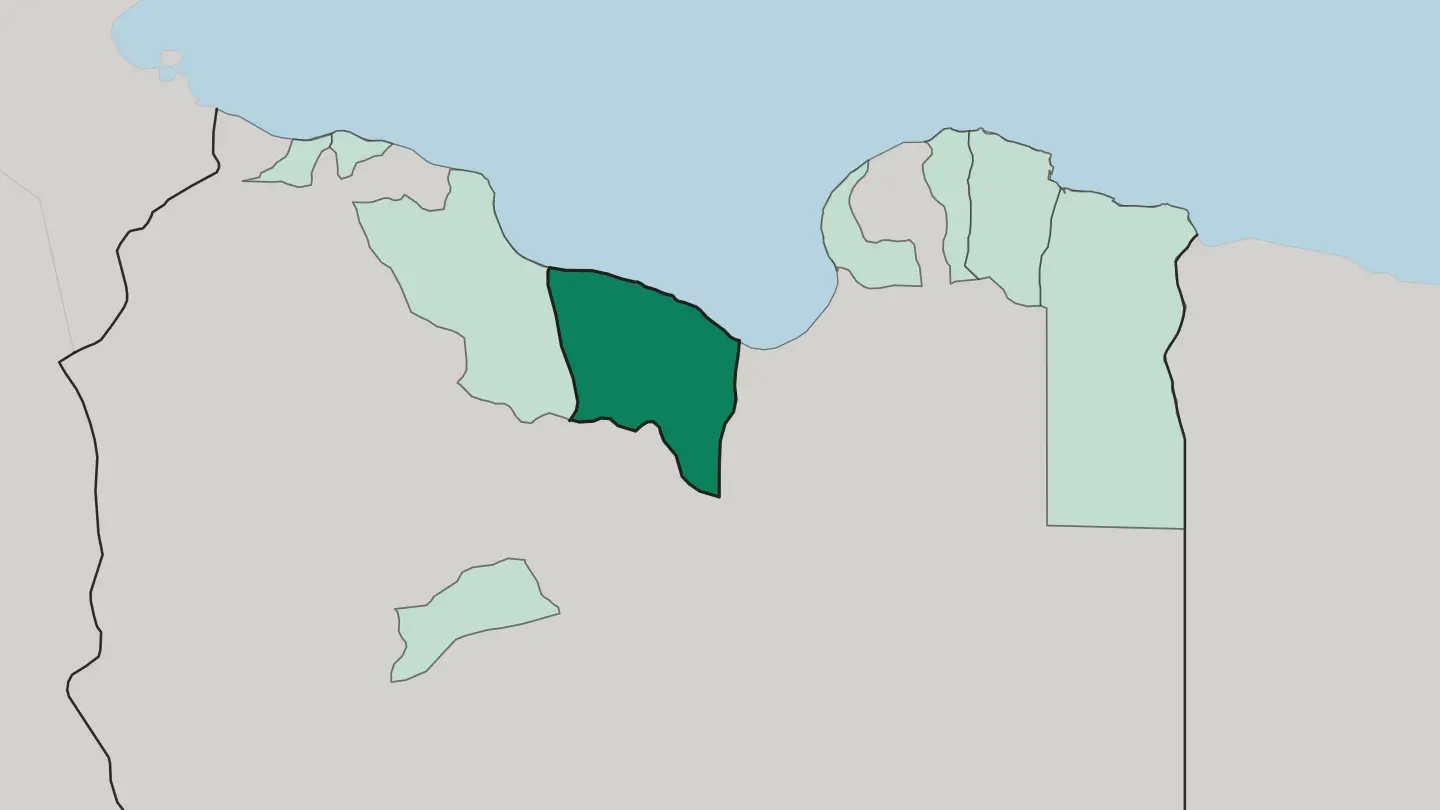 Libya
Libya
Tripoli
The Tripoli district wraps the capital's coast in north-west Libya, a Mediterranean region built around the port city of Tripoli.Towns & cities →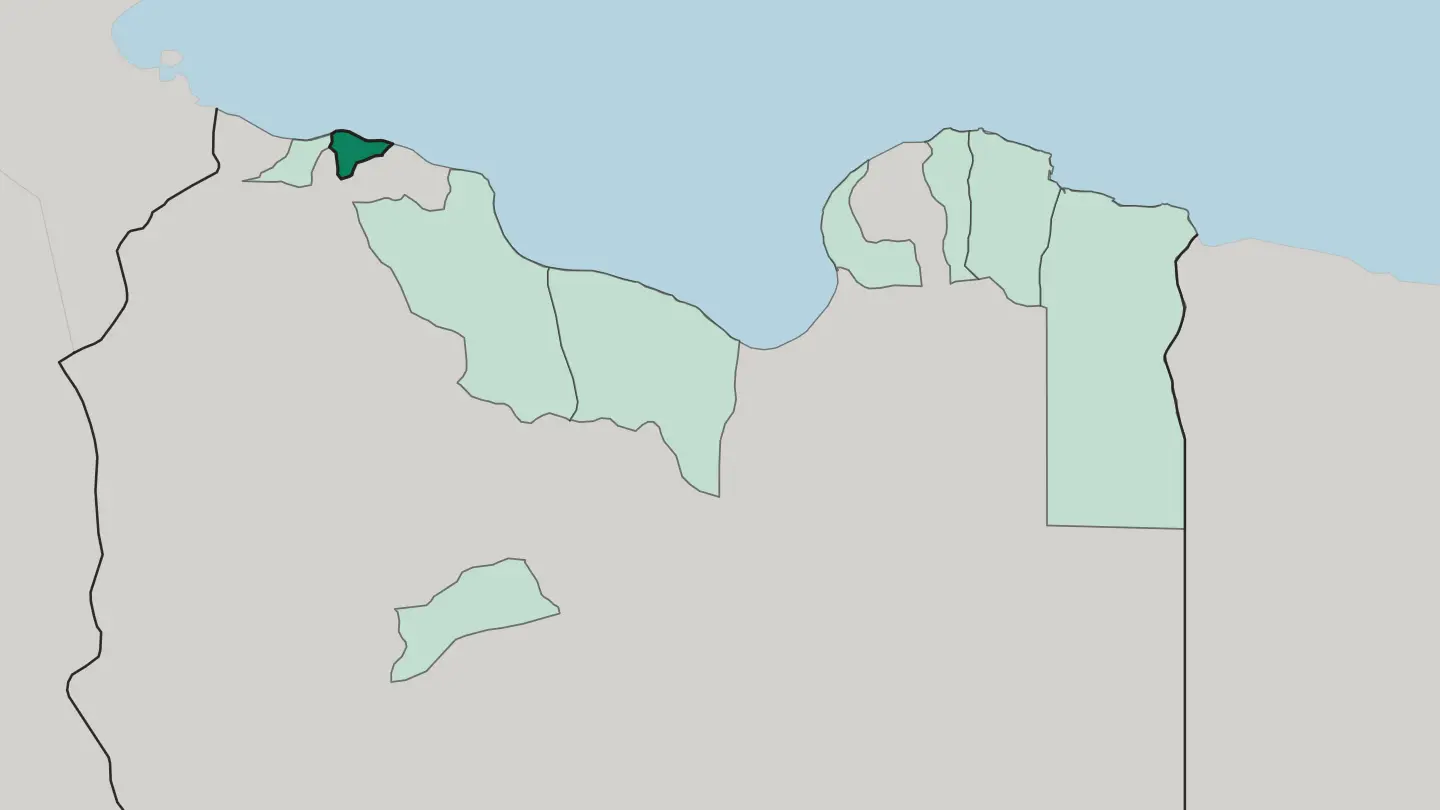
Explore by experience
Not sure which place? Start from how you want to travel.
About Libya
Libya is known for its Roman and Greek ruins.
What is Libya known for?
Leptis Magna, on the coast east of Tripoli, was the birthplace of the emperor Septimius Severus, and Sabratha to the west keeps its seafront theatre. In the east, the Greeks founded Cyrene. The desert holds its own draw.
The prehistoric rock art of the Tadrart Acacus and the mud-brick alleys of the Ghadames oasis reach deep into the Sahara.
Where is Libya?
Libya is the fourth-largest country in Africa, and desert covers the overwhelming majority of it. A narrow coastal plain, a strip a few dozen kilometres deep, runs along the Mediterranean in the north. The Sahara does the rest.
South of the coast the land climbs to rocky plateaus and then falls away into the sand seas and gravel plains of the interior, where rain almost never comes. The country divides into three natural blocks. Tripolitania holds the northwest, its coastal towns backed by the hills of the Jefara plain and, further inland, the Nafusa mountains where Amazigh villages cling to the escarpment.
In the east, Cyrenaica rises abruptly behind Benghazi into the Jabal al-Akhdar, the Green Mountain, wooded with pine, juniper, and wild olive. Between and below them the vast Fezzan spreads across the southwest, a Saharan world of dunes, oases, and the painted ravines of the Tadrart Acacus. The coastline itself bends deeply inward at the Gulf of Sidra, splitting the western and eastern halves.
Sand meets water at the shore.
What is the history of Libya?
Libya's coast has drawn Mediterranean powers for close to three thousand years. Phoenicians built the trading ports that became Tripolitania, the Greeks planted Cyrene in the east around 630 BC, and Rome turned Leptis Magna into a marble city under Septimius Severus, who was born there. The desert routes mattered as much as the sea.
Caravans crossing the Sahara made Ghadames a hinge of the trans-Saharan trade, moving salt, gold, and slaves between the coast and the lands to the south. Arab armies brought Islam in the seventh century, and the language and faith they carried have shaped the country ever since. The Ottomans took Tripoli in 1551 and held the coast for more than three centuries.
Italy seized the territory in 1911 and ruled it harshly until the Second World War, whose desert battles rolled across the north. Independence came in 1951, when the three regions joined as a kingdom under King Idris. Oil, found soon after, remade the economy within a decade.
A 1969 coup brought Muammar Gaddafi to power, and his four decades ended in the 2011 uprising that split the country. The old ports still stand. The upheavals never quite erased them.
What is Libya like?
Libyan culture is overwhelmingly Arab and Muslim, layered over an older Amazigh foundation that never disappeared. Arabic is the everyday language of the coast and most of the interior, but Berber tongues survive in the Nafusa mountains and at Ghadames, and the Tuareg of the Fezzan keep their own speech, script, and the indigo veils that earned them the name blue men. These threads run through daily life.
Family, tribe, and the mosque anchor the social order far more than the state ever has. Food tells the same mixed story. Bazin, a stiff barley dough beaten in a bowl and eaten with a red lamb sauce, is the national dish, served beside couscous, sharba soup thick with mutton, and dates from the southern oases.
Green tea poured long and frothy over mint or roasted peanuts marks every gathering. The craft tradition is deep. Ghadames leatherwork, Amazigh silver, and the geometric weaving of the desert towns carry patterns older than the cities on the coast.
It is a culture of the coast and the sand at once.
What is the climate of Libya?
Libya's climate divides sharply between coast and desert. A thin Mediterranean strip along the north brings mild, wet winters and hot dry summers to Tripoli and Benghazi, and the Jabal al-Akhdar behind the eastern coast catches enough rain to stay green. Inland it turns pitiless.
The Sahara that fills the Fezzan is scorching by day, cold at night, and nearly rainless year-round. The dry southerly ghibli wind can push coastal temperatures brutally high in a matter of hours. Two climates, one country.
How do you get to Libya?
Most travellers reach Libya by air into Tripoli, where Mitiga serves as the main gateway on the northwest coast. Benghazi's Benina airport handles the east, and short domestic hops link the two across the Gulf of Sidra. Land borders with Tunisia and Egypt see cross-desert traffic.
Distances inland are large. Reaching Ghadames or the Fezzan means long overland runs on organised trips rather than a quick transfer, so travellers plan the interior around a coastal base.
Good for
Updated October 2026