Libya · Al Jabal al Akhḑar
Where to Stay in Al Bayḑā’, Al Jabal al Akhḑar
Al Bayḑā' is a commercial city of Cyrenaica and capital of the Jabal al Akhdar district, the base for visiting ancient Cyrene.
Hotel links are affiliate links: booking through them may earn us a commission, at no extra cost to you. It never affects how places are ranked. How this works


Where to stay in Al Bayḑā’
How the choice of base plays out on the ground.
The ruins set the plan. Most people who stay in Al Bayḑā' are here to reach Cyrene and Apollonia, so the useful question is how quickly a room lets a car get out to the archaeological sites in the morning. The city centre answers the rest.
Rooms in the middle of Al Bayḑā' put متحف البيضاء and the commercial streets on the doorstep, which suits a stay that is not entirely about antiquity. Sleeping options are few here. Al Bayḑā' is the fourth largest city in Libya, but it is not a resort, and the room stock is that of a commercial centre rather than a place organised around visitors.
Book what there is early, and confirm before travelling. The Libyan Desert route toward Kufra also begins from here, which is a different kind of trip from a morning among the temples of Cyrene. Two kinds of visit, then.
If you are working through the Sanctuary of Apollo, the Temple of Zeus and the Cyrene Museum over several days, take a room on the side of the city that faces the site; if the trip is commercial, the centre is the obvious base. Either way the drive is short.
Find hotels in Al Bayḑā’
Direct booking searches for these neighbourhoods.
The centre by متحف البيضاء
متحف البيضاء and the commercial streets of Al Bayḑā’ are on the doorstep, and the road out to the ruins starts here.Find hotels in The centre by متحف البيضاءearly starts at the Sanctuary of Apollo and the Temple of ZeusThe side facing Cyrene
A room on this side shortens the morning run out to Cyrene and its museums, which is what most stays are built around. Lodging is scarce in this area; reserve in advance.Find hotels in The side facing CyreneHotel links are affiliate links: booking through them may earn us a commission, at no extra cost to you. It never affects how places are ranked. How this works
Things to do in Al Bayḑā’
Ranked by global recognition; descriptions from Wikidata (CC0).
Museums & Galleries
3- Cyrene Museum
- متحف البيضاء
- Cyrene Sculpture Museum
Churches & Religious Sites
3- Temple of Hermes, Cyrene
- Archeion, Cyrene
- Central Church, Cyrene
Castles & Historic Sites
3- Cyrene UNESCO
- Arch of Marcus Aurelius and Lucius Verus, Cyrene
- Funerary Church?, Cyrene, Libya.
Landmarks & Notable Places
3- Apse Building, Acropolis, Cyrene
- House XI, Cyrene
- House by the Propylaeum, Cyrene
worth knowingacross 4 categories in Al Bayḑā’
About Al Bayḑā’
Cyrene, first.
What is Al Bayḑā’ known for?
The ancient Greek city stands close by, and its Temple of Zeus, Temple of Apollo Nymphagetes and Arch of Marcus Aurelius and Lucius Verus are the reason most visitors come this way at all. Al Bayḑā' itself is a commercial and industrial city, the fourth largest in Libya after Tripoli, Benghazi and Misrata, and the capital of the Jabal al Akhdar district. Apollonia lies within reach.
The Cyrene Museum and the Cyrene Sculpture Museum hold what has been lifted from the site, and متحف البيضاء covers the modern city.
What are the main landmarks in Al Bayḑā’?
Cyrene is the landmark. The Sanctuary of Apollo with its Temple of Asklepios, the Temple of Zeus on the Agora, the Temple of Hermes and the Temple of Commodus are only part of what stands there. The Arch of Marcus Aurelius and Lucius Verus, the Twin Temples, the Strategheion and the Archeion carry the civic side, while the Roman House and the House by the Propylaeum show the domestic one.
Museums hold the loose pieces. The Cyrene Museum, the Cyrene Sculpture Museum and متحف البيضاء are where the finds and the city's own record are kept.
What is the history of Al Bayḑā’?
The old city is Greek. Cyrene was founded by Greek settlers long before Al Bayḑā' existed, and its Temple of Apollo Nymphagetes, Temple of Hermes and Sanctuary of Apollo belong to that period. Rome arrived after.
The Temple of Commodus and the Arch of Marcus Aurelius and Lucius Verus are Roman work, the Central Church marks the Christian centuries that followed, and Qasr Shaghiyah carries an Arabic name on the same site. The modern city dates from 1840. Al Bayḑā' is young beside its neighbour, and the founding year separates a commercial and industrial place from the archaeology that brings it visitors.
Italian rule left another name: Beda Littoria. Bayda and Elbeida are the other spellings in use, written البيضاء in Arabic, and the several forms record the different administrations the name has passed through. Museums keep the record locally.
The Cyrene Museum and the Cyrene Sculpture Museum hold the material from the ancient site, while متحف البيضاء keeps the account of the modern city, and both sit inside the same district capital. Cyrenaica is the region behind all of it, and Al Bayḑā' is the fourth largest city in Libya after Tripoli, Benghazi and Misrata.
Where is Al Bayḑā’?
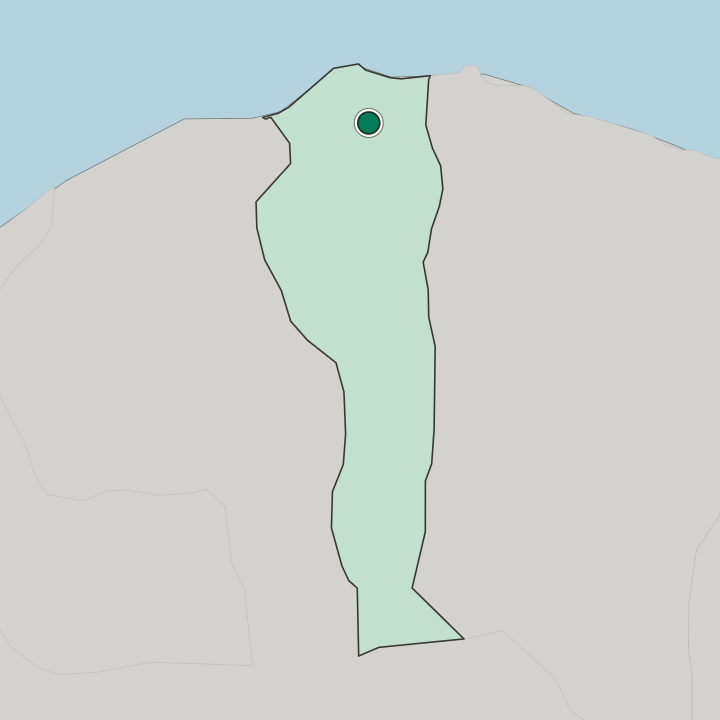
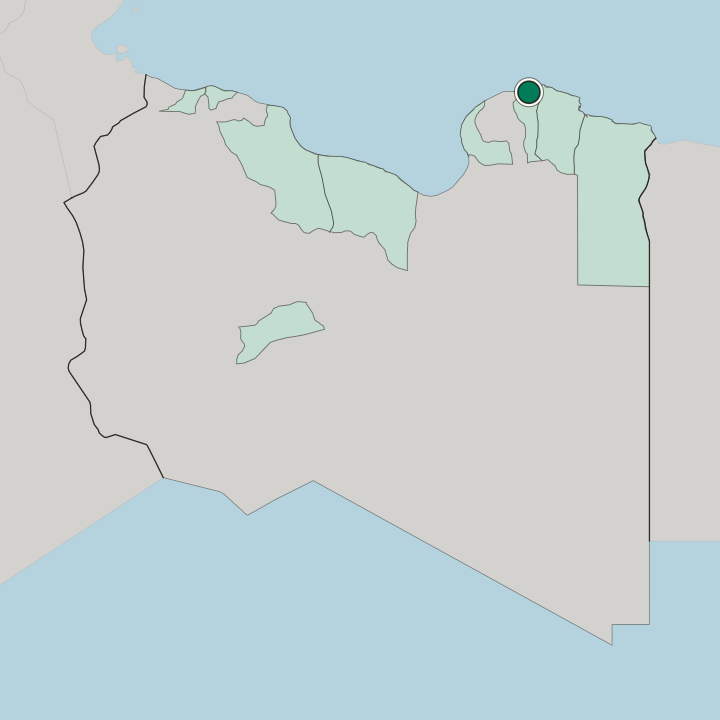
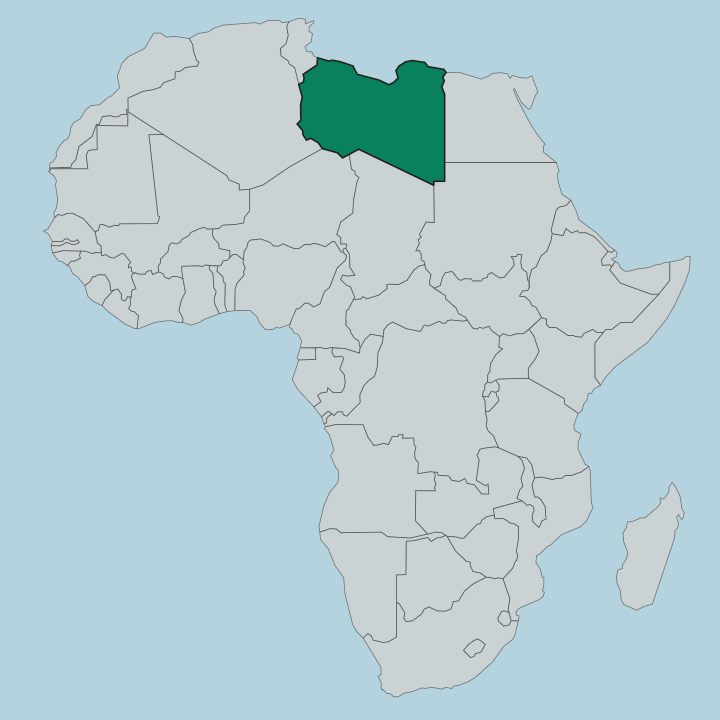
Cyrenaica holds the city. Al Bayḑā' is the capital of the Jabal al Akhdar district, with Cyrene and Apollonia close enough to visit in a day and the Libyan Desert running inland toward Kufra. The city sits in the subtropics.
It occupies a wide area for a city, and the Jabal al Akhdar gives the district around it a name of its own.
What is the climate of Al Bayḑā’?
The Jabal al Akhdar moderates the year. Al Bayḑā' sits in the subtropical band, and the higher ground of the district takes the edge off the heat that the Libyan Desert delivers to the interior, so the difference between the city and Kufra is a real one. Winter is the season for the ruins.
Walking Cyrene under a summer sun is hard work, and the cooler months are when the site, the Temple of Zeus and the long walk between them are comfortable.
How do you get to Al Bayḑā’?
Al Bayḑā' works as a base. The city is where trips to Cyrene, to Apollonia and into the Libyan Desert toward Kufra are organised, which is the practical reason to arrive here rather than at the ruins themselves. Movement in and out is by road.
As the capital of the Jabal al Akhdar district and the fourth largest city in Libya, Al Bayḑā' is the point the regional routes converge on, and onward travel is by road in every direction. Arabic is the working language.
Common questions
What is the best area to stay in Al Bayḑā’?
The centre by متحف البيضاء: commercial trips that use Cyrene as an afternoon rather than a week. The side facing Cyrene: early starts at the Sanctuary of Apollo and the Temple of Zeus.
Good for
Updated September 2026