Libya · Az Zāwiyah
Where to Stay in Şabrātah, Az Zāwiyah
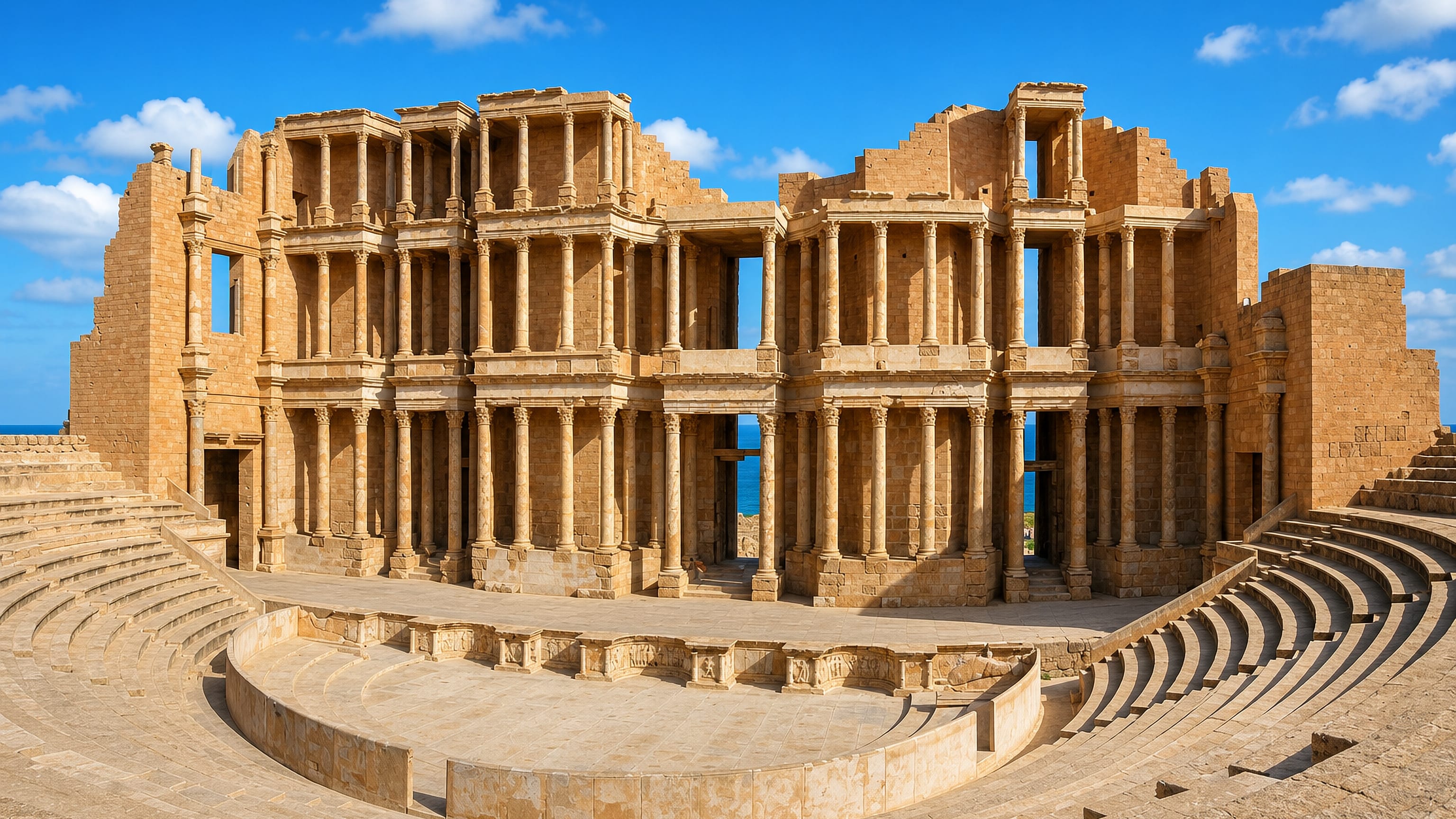
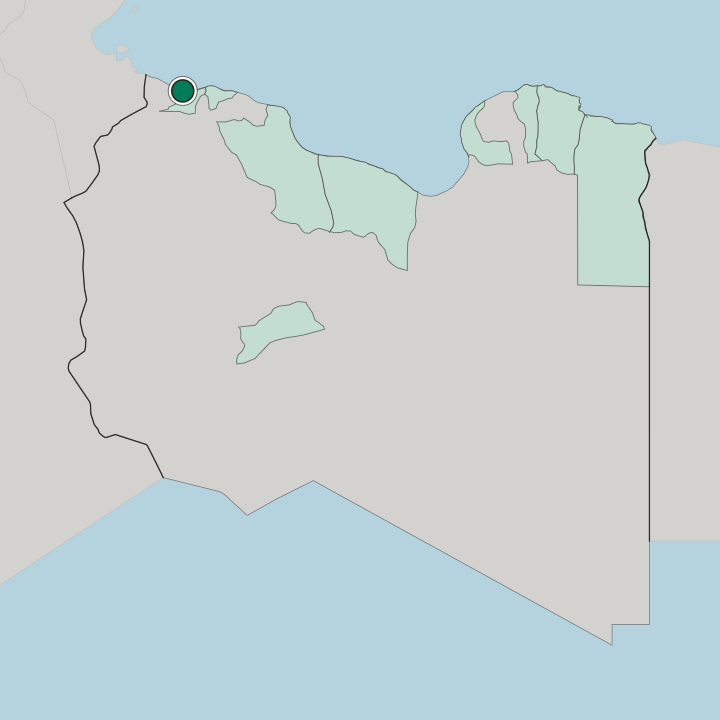
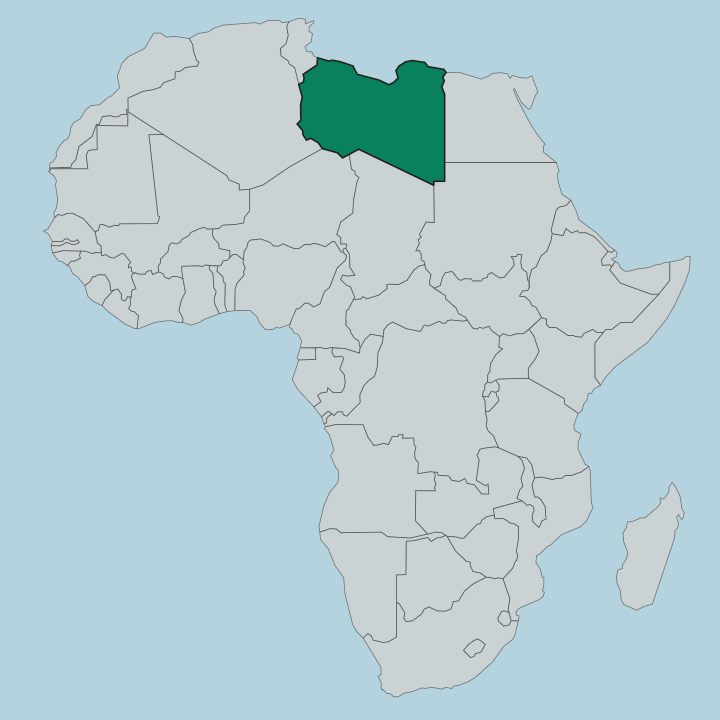
Şabrātah stands on the Mediterranean coast of Libya, west of Tripoli, around a Roman city whose theatre survives. Oea and Leptis Magna were peers.
Hotel links are affiliate links: booking through them may earn us a commission, at no extra cost to you. It never affects how places are ranked. How this works


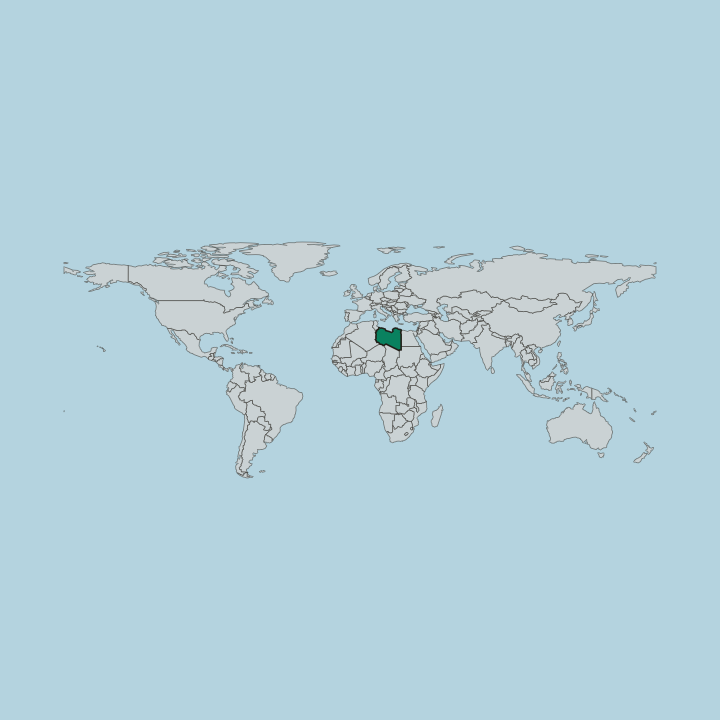
Where to stay in Şabrātah
The practical side of choosing where to sleep.
Şabrātah is a small coastal town with a very large ruin attached, and the choice of base is really a choice between sleeping beside the archaeological site or commuting to it. The modern town sits just inland of the excavations, close enough that the Roman theatre is a walk rather than a drive, and anything the town offers in the way of rooms is concentrated there rather than spread along the shore. Şabrātah keeps only a handful of them. A traveller who wants a range of options books in Tripoli, about 70 km east along the Mediterranean coast, and treats the site as a day out from there.
The two decisions play out differently. Staying in the town puts the Punic Museum and the Roman Museum on the doorstep and makes an early start on the site possible, which matters where the light on the stage wall of the theatre is the point of coming. Tripoli trades that for choice and for the option of pairing Şabrātah with Leptis Magna on the other side of the capital. Az Zāwiyah is the district around.
Its towns lie between Şabrātah and the capital, and a room in one of them suits anyone driving, though nothing in the district matches Tripoli for range.
Find hotels in Şabrātah
Direct booking searches for these neighbourhoods.
Şabrātah town
The modern town sits just inland of the excavations, so the theatre, the Capitolium and the Punic Museum are all reachable on foot from whatever rooms Şabrātah itself carries. Few places to stay nearby — book ahead.Find hotels in Şabrātah townA full choice of rooms with the Sabratha excavations as a day trip westTripoli
Tripoli stands about 70 km east of the archaeological site and carries the accommodation Az Zāwiyah does not, which suits anyone pairing Şabrātah with Leptis Magna in one trip.Find hotels in TripoliHotel links are affiliate links: booking through them may earn us a commission, at no extra cost to you. It never affects how places are ranked. How this works
Things to do in Şabrātah
Ranked by global recognition; descriptions from Wikidata (CC0).
Museums & Galleries
3- Matḥaf Ṣabrātah
- Punic Museum, Sabratha
- Roman Museum, Sabratha
Churches & Religious Sites
3- church of Saint Domitilla
- Baptistery, Sabratha
- Basilica of Justinian in Sabratha
Castles & Historic Sites
3- Archaeological Site of Sabratha UNESCO
- Roman theatre of Sabratha Heritage
- Amphitheatre of Sabratha
worth knowingacross 3 categories in Şabrātah
About Şabrātah
What is Şabrātah known for?
The archaeological site carries the name. Şabrātah was the westernmost of the three cities of Roman Tripolis, standing alongside Oea and Leptis Magna, and the ground it left behind was inscribed as a UNESCO World Heritage Site in 1982. One building dominates. The Roman theatre of Sabratha is the structure visitors come for, and around it the forum porticoes, the Capitolium and a row of temples to Isis, Serapis and Liber Pater mark out a town plan that is still legible.
What are the main landmarks in Şabrātah?
Sabratha's theatre heads the list. Around the forum stand the North Forum Portico and its southern counterpart, the Capitolium, the Basilica of Justinian with its baptistery, and temples raised to Isis, Serapis, Liber Pater, Hercules and Antoninus. The Mausoleum of Bes stands apart.
An amphitheatre, a necropolis between the basilica and the Antonine temple, the church of Saint Domitilla and both the Punic Museum and the Roman Museum fill out the rest of what has been uncovered at Şabrātah.
What is the history of Şabrātah?
Şabrātah's history is read off the ground rather than out of a chronicle. The site keeps a Punic Museum as well as a Roman Museum, and the Mausoleum of Bes carries a name older than anything Roman on the plan, so the town's earlier phase is present in the excavation even where it is not written down. Rome made it a city of three.
Under Roman Tripolis, Şabrātah was the westernmost of the trio, with Oea on the site of Tripoli and Leptis Magna beyond it, and the forum, Capitolium and temples to Isis, Serapis, Liber Pater and Hercules all belong to that phase. Christian building followed the temples. The Basilica of Justinian, its baptistery and the church of Saint Domitilla date the site's later life, and a necropolis between the basilica and the Antonine temple shows how the two eras sat on top of one another.
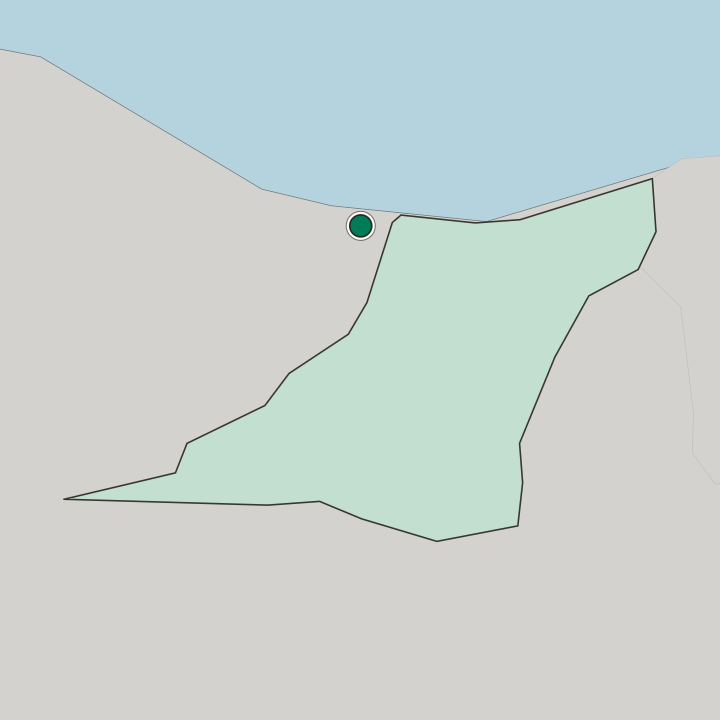
The archaeological site was inscribed as a UNESCO World Heritage Site in 1982. Administratively the town has moved about: it served as capital of the former Sabratha wa Sorman District from 2001 to 2007, and it falls within the Zawiya District, the unit written Az Zāwiyah on maps.
Where is Şabrātah?
Şabrātah lies on the Mediterranean coast of Libya, in the Zawiya District. Tripoli stands about 70 km east along the same shoreline, which puts the town at the western end of the stretch the ancient three cities occupied, with Oea and Leptis Magna strung out beyond it. Sabratha's ruins face the water.
Excavation has left the classical town on the seaward side of the modern one, so the theatre, the forum and the temples all look out on the Mediterranean rather than inland.
What is the climate of Şabrātah?
Sea air reaches every part of the site. Şabrātah stands on the Mediterranean shore in the subtropical band, which means the water rather than the North African interior decides what the town's days feel like, and the excavated ground takes that influence directly because it sits on the seaward edge. Inland is another matter. The towns of the Zawiya District that lie back from the coast lose that moderation, and a visitor who moves between Şabrātah and Tripoli along the shore stays inside the same coastal band the whole way.
How do you get to Şabrātah?
Most arrivals come from Tripoli. The capital lies about 70 km east along the Mediterranean coast, and the drive west through the Zawiya District is the standard approach for anyone coming to see the theatre and the forum. The site sits by the shore.
Coming off that coastal road, the archaeological site is reached from the seaward side of the modern town, which puts the theatre and the forum a short distance from where a driver leaves the main route.
Common questions
What is the best area to stay in Şabrātah?
Şabrātah town: Walking to the Roman theatre and the Punic Museum before the day heats up. Tripoli: A full choice of rooms with the Sabratha excavations as a day trip west.
Good for
Updated September 2026