Libya · Sha‘bīyat Mişrātah
Where to Stay in Misratah, Sha‘bīyat Mişrātah
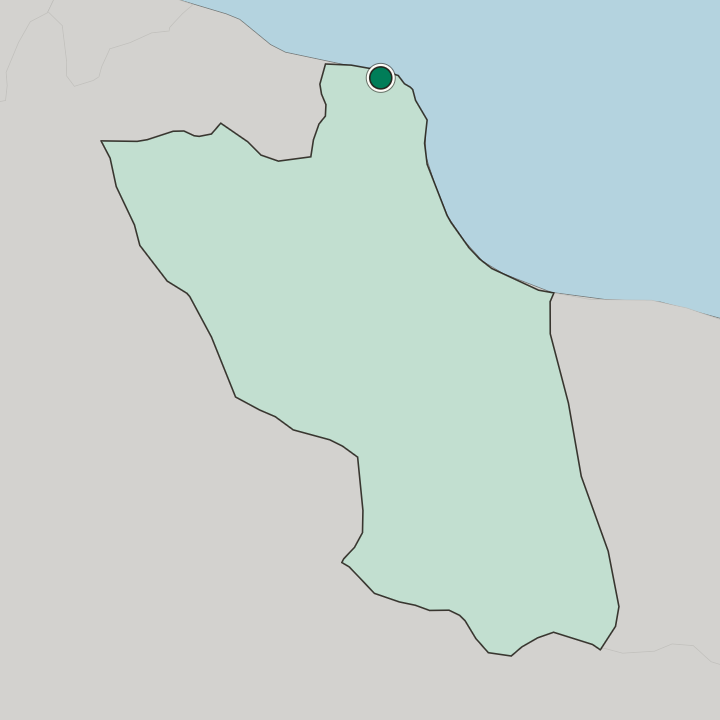
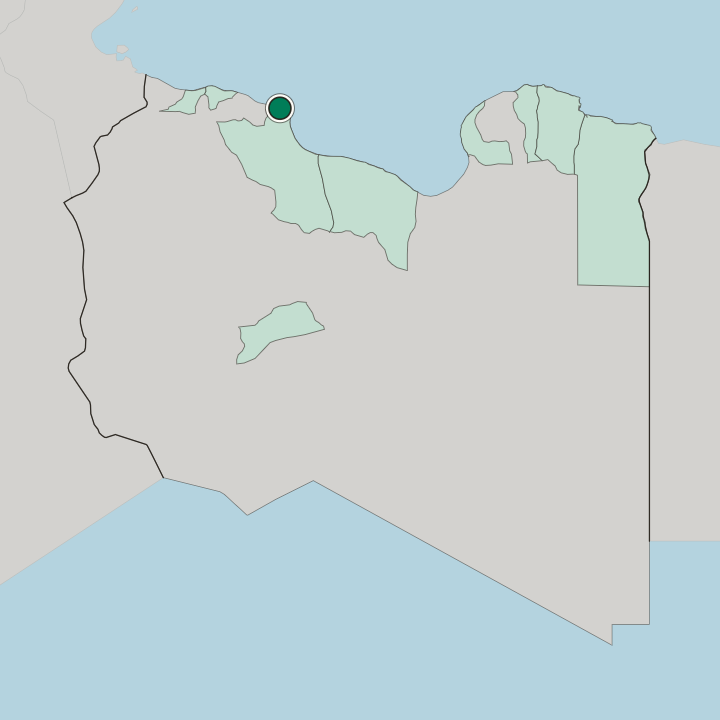
Misratah is a Mediterranean port city east of Tripoli, near Cape Misrata, with its harbour at Qasr Ahmad and an Italian spelling of Misurata.
Hotel links are affiliate links: booking through them may earn us a commission, at no extra cost to you. It never affects how places are ranked. How this works


Where to stay in Misratah
Where visitors usually base themselves, and why.
The port decides the geography of a stay. Misratah works as a trading city first, and the split that matters is between Qasr Ahmad, where the harbour and its traffic are, and the centre a short drive inland where the museums and the ordinary business of the city sit. Freight moves through Qasr Ahmad at all hours.
Anyone here on port business gains by staying close to the quays, and anyone here for anything else gains by not. The centre holds the named buildings. Misratah Museum, the Misrata War Museum and St. Mark Church stand within reach of one another, which makes the central streets the practical base for a visit that is about the city rather than about its harbour.
The coast is the third choice. Ground facing the Mediterranean towards Cape Misrata trades walking distance for sea air, and Marsá Dzeira and Zāwiyat al Maḩjūb lie out that way as well. If you want the shortest walks, take the centre.
Misratah is the third city of Libya and its beds are spread widely across it, so a booking that names the district saves an unwanted drive from one side of town to the other.
Find hotels in Misratah
Direct booking searches for these neighbourhoods.
Qasr Ahmad
The port ground is where Misratah's trade is actually done, and rooms there sit nearest the quays and the freight gates.Find hotels in Qasr AhmadVisits taking in the Misratah Museum and St. Mark ChurchThe museum streets
The Misratah Museum, the Misrata War Museum and St. Mark Church fall within one walk of each other in the central streets.Find hotels in The museum streetsSea air away from the Qasr Ahmad freight roadThe Cape Misrata shore
Ground facing the Mediterranean towards Cape Misrata keeps the water in view and the port traffic out of earshot.Find hotels in The Cape Misrata shoreQuiet nights out towards Marsá DzeiraMarsá Dzeira
Marsá Dzeira and Zāwiyat al Maḩjūb sit clear of the centre, which suits a stay that wants distance rather than short walks.Find hotels in Marsá DzeiraHotel links are affiliate links: booking through them may earn us a commission, at no extra cost to you. It never affects how places are ranked. How this works
Things to do in Misratah
Ranked by global recognition; descriptions from Wikidata (CC0).
Museums & Galleries
2- Misrata War Museum
- Misratah Museum
Churches & Religious Sites
2- St. Mark Church
- Zāwiyat al Maḩjūb
Castles & Historic Sites
1- Marsá Dzeira
worth knowingacross 3 categories in Misratah
About Misratah
Trade and the sea.
What is Misratah known for?
Misratah is the third-largest city in Libya after Tripoli and Benghazi, and it has been called the country's economic and trade capital, a description that its harbour at Qasr Ahmad does most to earn. The coast bends around Cape Misrata. Museums carry the other half of the reputation: the Misratah Museum and the Misrata War Museum both stand in a city that Italian usage writes as Misurata.
What are the main landmarks in Misratah?
Misratah's list holds five names. The Misratah Museum and the Misrata War Museum hold the collections, St. Mark Church is the church on the register, and Marsá Dzeira and Zāwiyat al Maḩjūb mark the coast and the ground beyond the centre. The harbour ranks with them.
Qasr Ahmad handles the trade that gave Misratah its standing, and Cape Misrata pushes the shoreline out into the Mediterranean beside it.
What is the history of Misratah?
Names record the passage. The city appears as Miṣrāta in Arabic and as Məṣrāta in Libyan Arabic, is written Misratah in official transliteration, and carries Misurata as its Italian spelling, the form that turns up in older European sources. Its founding year goes unrecorded.
What the record holds instead is a coastal position near Cape Misrata, a harbour at Qasr Ahmad, and the administrative role that made the city the capital of the Misrata District. Trade is the older thread. A harbour on the Mediterranean, within reach of both Tripoli and Benghazi, gave the place the standing that earned it the description of Libya's economic and trade capital, and Qasr Ahmad is where that description is cashed.
The Misrata War Museum is the newest layer. Its subject is the fighting the city has seen, and its presence on the same register as the Misratah Museum, St. Mark Church and Zāwiyat al Maḩjūb shows how much of the local record belongs to living memory. The shore is older than any of it.
Marsá Dzeira and the water around Cape Misrata are coastal features rather than built ones, and they tie Misratah to the sea more firmly than any structure on the list.
Where is Misratah?
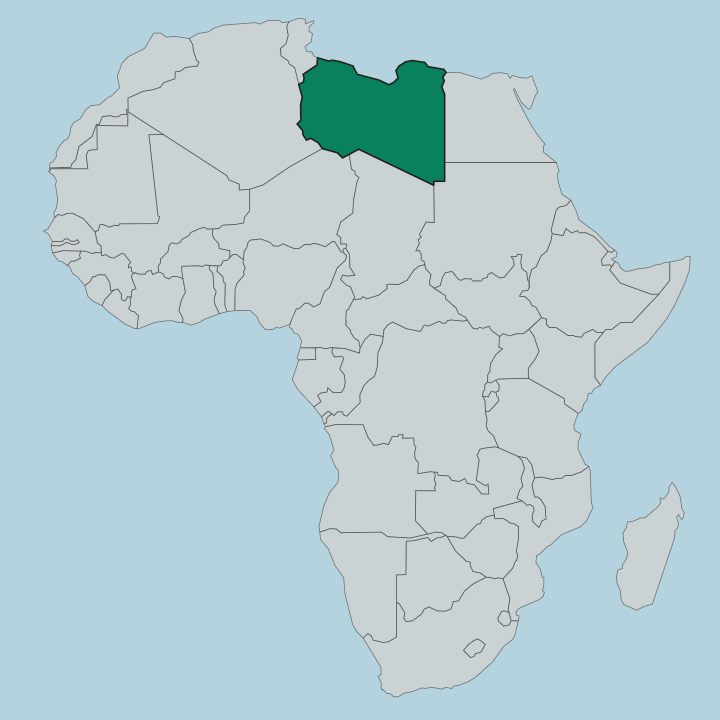
Misratah stands on the Mediterranean coast roughly 187 kilometres east of Tripoli, at the point where the shoreline runs out to Cape Misrata and the harbour ground opens at Qasr Ahmad. Subtropical is the band here. Country behind the city belongs to the Misrata District, of which it is the capital, and the sea remains the reference point for everything else.
What is the climate of Misratah?
The Mediterranean does the tempering. Sea air off the coast keeps the subtropical band from behaving as it does inland, and the gap between a day at Qasr Ahmad and one in the country behind the Misrata District is wider than the short distance between them suggests. Air moves inland from the Mediterranean.
Cape Misrata takes the weather first, and the shoreline behind the headland gets the same air with the edge off it.
How do you get to Misratah?
Most arrivals come from Tripoli. The road east along the Mediterranean covers roughly 187 kilometres, which puts Misratah within half a day of the capital and closer still to the towns of the Misrata District around it. Qasr Ahmad is the other approach.
The harbour there serves the trade that gave the city its standing, so the road carries most visitors, and Arabic handles the practical arrangements once you are here.
Common questions
What is the best area to stay in Misratah?
Qasr Ahmad: Work at the harbour of Qasr Ahmad. The museum streets: Visits taking in the Misratah Museum and St. Mark Church. The Cape Misrata shore: Sea air away from the Qasr Ahmad freight road. Marsá Dzeira: Quiet nights out towards Marsá Dzeira.
Good for
Updated September 2026