Moldova · Municipiul Bălţi
Where to Stay in Bălţi, Municipiul Bălţi
Bălţi is the main city of northern Moldova, a market and cultural centre on the Răut river in the steppe.
Hotel links are affiliate links: booking through them may earn us a commission, at no extra cost to you. It never affects how places are ranked. How this works


Where to stay in Bălţi
Where the beds are, and what that means for the visit.
In Bălţi the decision is simple: the old centre, or the newer edge. The streets around the cathedral and the Alley of Classics keep the churches, the parks, and the shops within a walk, and staying downtown suits anyone here for the city. Come evening, people gather on the square by the cathedral.
Most beds here stand within a few streets of the Alley of Classics. Out toward the newer districts and the river, the town spreads onto the steppe. A room by the edge trades the centre for space, the riverside, and an easy road out to the plains.
The flat steppe opens past the edge. If you want the churches and the parks, stay downtown; if you want space, take a room by the edge. Bălţi is small enough that the old centre stays a short walk away either way.
Find hotels in Bălţi
Direct booking searches for these neighbourhoods.
The old centre
Around the cathedral within a walk of the Alley of ClassicsFind hotels in The old centreStays wanting space and the riversideThe newer districts
Toward the river and the plains at the edge of townFind hotels in The newer districtsHotel links are affiliate links: booking through them may earn us a commission, at no extra cost to you. It never affects how places are ranked. How this works
Things to do in Bălţi
Ranked by global recognition; descriptions from Wikidata (CC0).
Museums & Galleries
1- Muzeul de Istorie și Etnografie din Bălți
Churches & Religious Sites
7- Armenian Saint Gregory Church, Bălți Heritage
- Saint Nicholas Cathedral, Bălți Heritage
- Saint Paraskeva Church, Bălți Heritage
- Church of the Nativity of the Virgin Mary in Bălți Heritage
- Saints Peter and Paul Church, Bălți Heritage
Show 2 more →
- Archangels church in Bălți Heritage
- Biserica „Sfinții Arhangheli Mihail și Gavriil” Heritage
Castles & Historic Sites
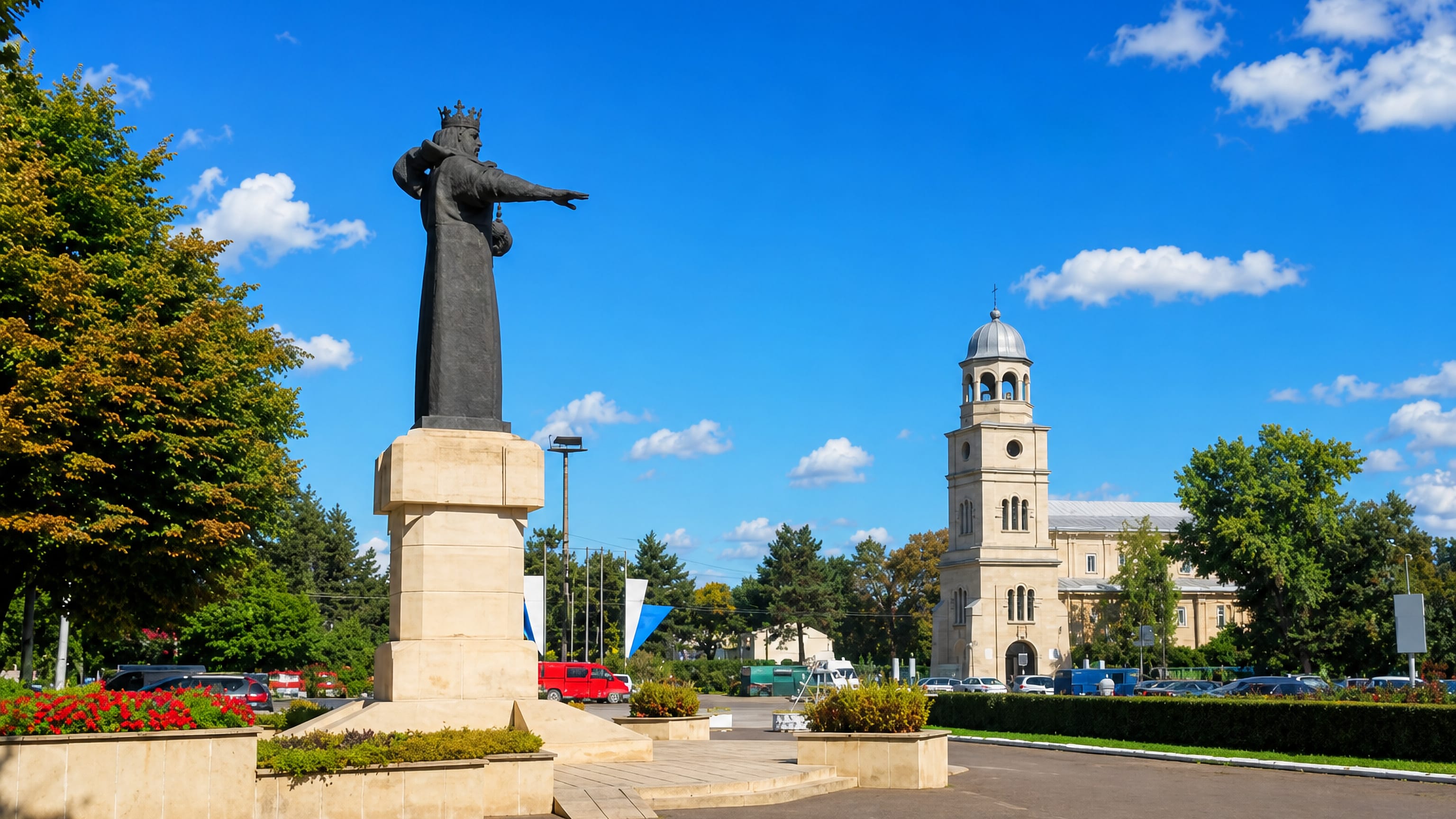
8- Stephen the Great Monument Heritage
- bust of Mihai Eminescu Heritage
- Tumul - Bălți Heritage
- Bust of Alecu Russo in Bălți Heritage
- World War II memorial to the railway workers in Bălți Heritage
Show 3 more →
- Bust of Boris Glavan in Bălți Heritage
- Monumentul Eroilor Heritage
- Monument la mormântul ostașilor căzuți (2) în 1944. Parcul eroilor Heritage
worth knowingacross 3 categories in Bălţi
About Bălţi
Bălţi is the northern capital of Moldova.
What is Bălţi known for?
In the wide steppe of the north on the Răut river, it grew as a market and a town of Jewish traders, and it keeps old churches, a great cathedral, and an alley of busts to the poets of the land, among them Eminescu and Alecsandri. The flat steppe rings the town. Market and monuments mark the city.
What are the main landmarks in Bălţi?
Saint Nicholas Cathedral stands at the heart of Bălţi. The white church with its bell tower rises over the old square, the emblem of the city, in the town centre. An alley of busts honours the poets.
The Alley of Classics keeps the statues of Eminescu, Alecsandri, and Russo, while old Orthodox and Armenian churches and the Stephen the Great monument mark the streets of Bălţi.
What is the history of Bălţi?
Bălţi grew as a market town of the northern steppe. On the road between the plains and the hills, it gathered traders at its fairs, and it became a busy town where Moldovans, Jews, and others met and dealt. The Jews made it a lively place.
For a time the town was largely Jewish, a centre of trade and learning in the north, until the terrors of the last century swept that world away. The town rose as the capital of the north. Under later rule it grew into an industrial city, the second of the land, with mills, a rail junction, and wide squares, and it kept its old churches and its cathedral.
The poets gave the town its pride. Bălţi honours the great writers of the Moldovan tongue, Eminescu, Alecsandri, and Russo, with statues and an alley of busts in its parks. The old cathedral still stands by the square.
Bălţi keeps its churches and its steppe in the north.
Where is Bălţi?
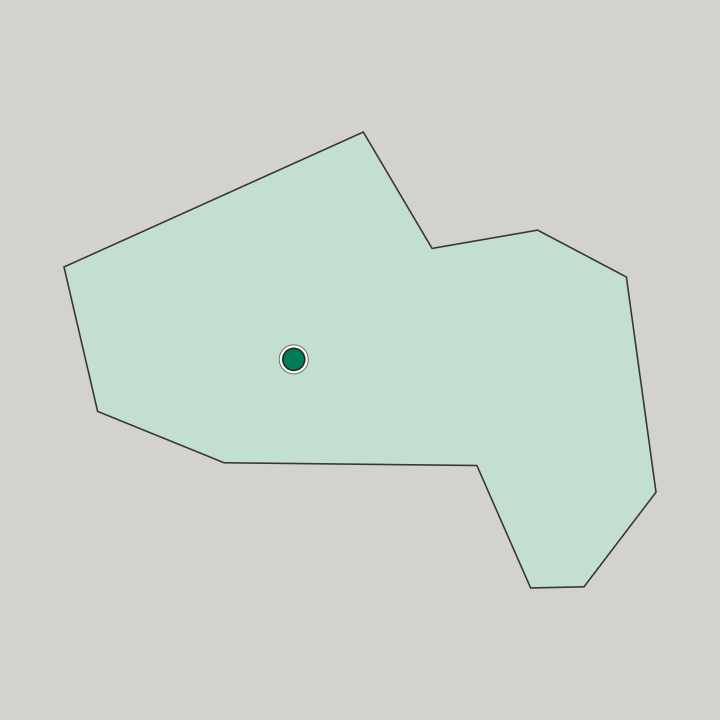
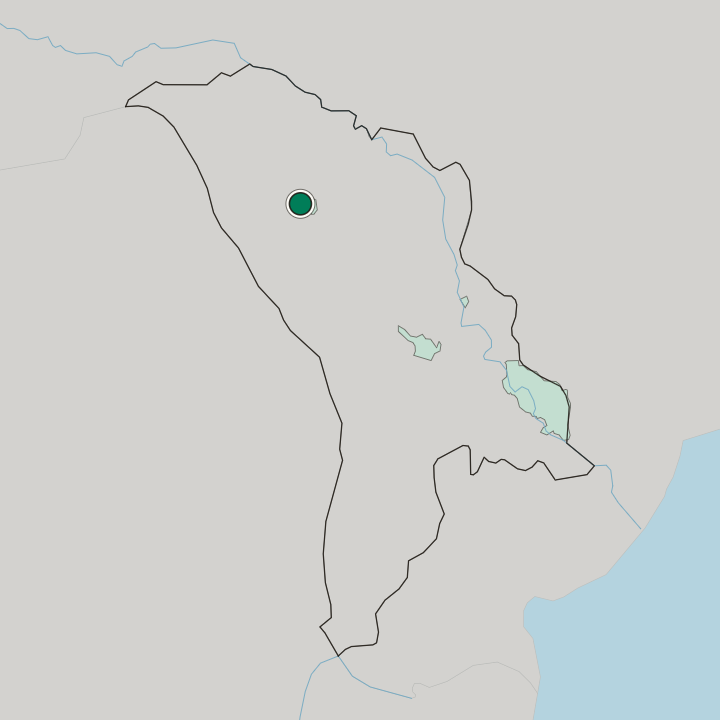
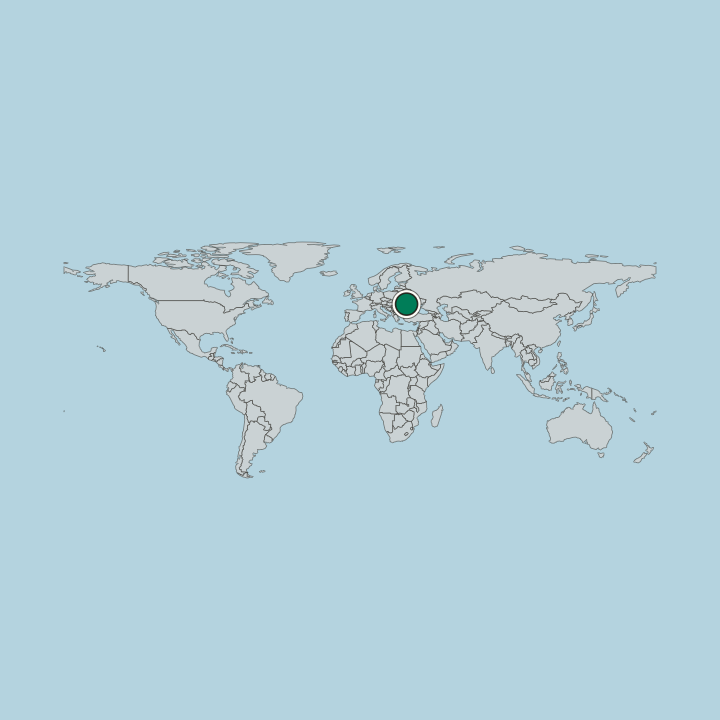
Bălţi lies on the Răut river in the steppe of northern Moldova. The city sits in a shallow basin among the rolling plains, where marshy ground once gave the town its name, north of the capital Chișinău. Low steppe rolls all around.
The river winds through the town.
What is the climate of Bălţi?
Bălţi has a warm continental climate. Hot, dry summers cross the steppe, and the winters turn cold with frost and snow, tempered a little in spring and autumn, with rain light much of the year. Dust winds sweep the plains in summer.
The steppe stays green in the spring.
How do you get to Bălţi?
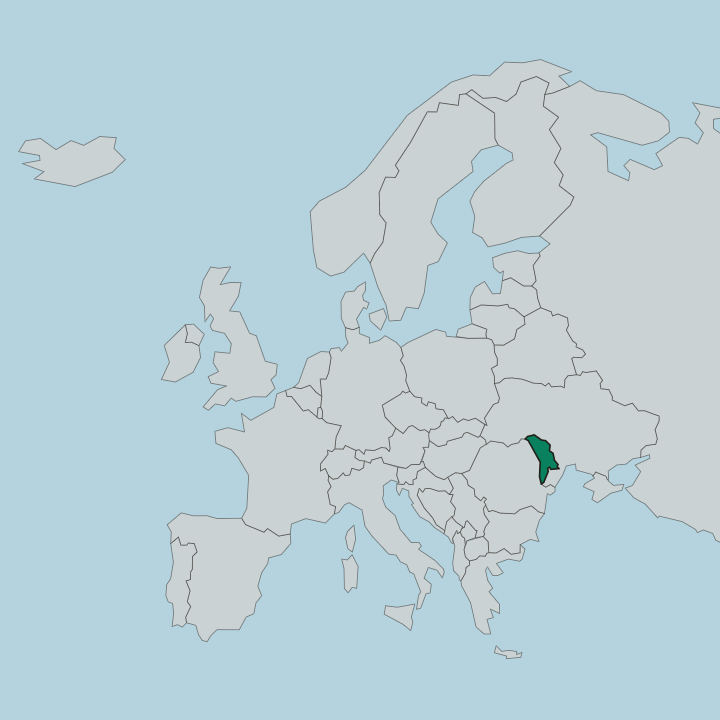
Bălţi lies in northern Moldova, north of the capital Chișinău. Roads and rail run to it from Chișinău across the steppe, and roads reach the towns of the north and the Romanian and Ukrainian borders. Buses reach the steppe towns around.
Most arrive by road from Chișinău.
Common questions
What is the best area to stay in Bălţi?
The old centre: Visitors here for the cathedral, Alley of Classics, and parks. The newer districts: Stays wanting space and the riverside.
Good for
Updated October 2026