Moldova: Regions, Cities & Travel Guide
Moldova is a landlocked country in Eastern Europe between the Prut and Dniester rivers, with Chișinău as its capital.
Hotel links are affiliate links: booking through them may earn us a commission, at no extra cost to you. It never affects how places are ranked. How this works


Top destinations in Moldova
Cities to start from, then drill into areas and hotels.
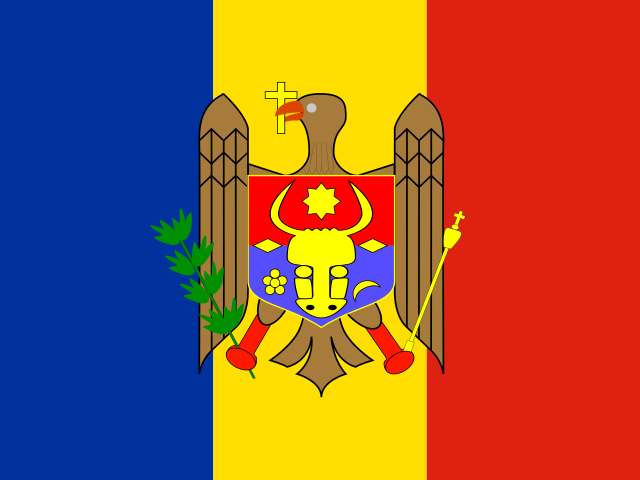 Moldova
Chisinau
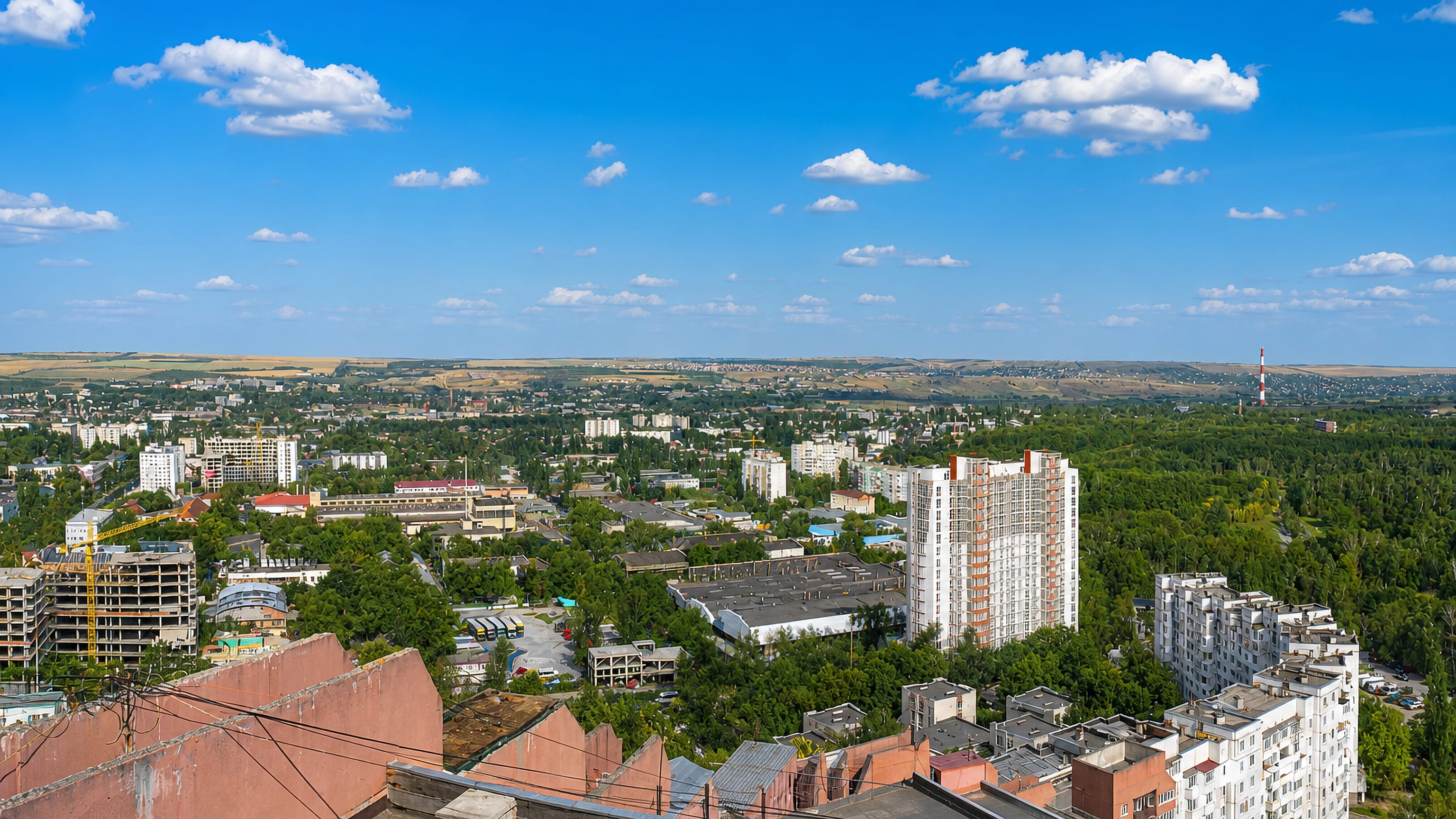
The river Bîc winds through Chișinău, the capital of Moldova, known for the Stephen the Great Monument and its tree-lined central boulevards.Where to stay →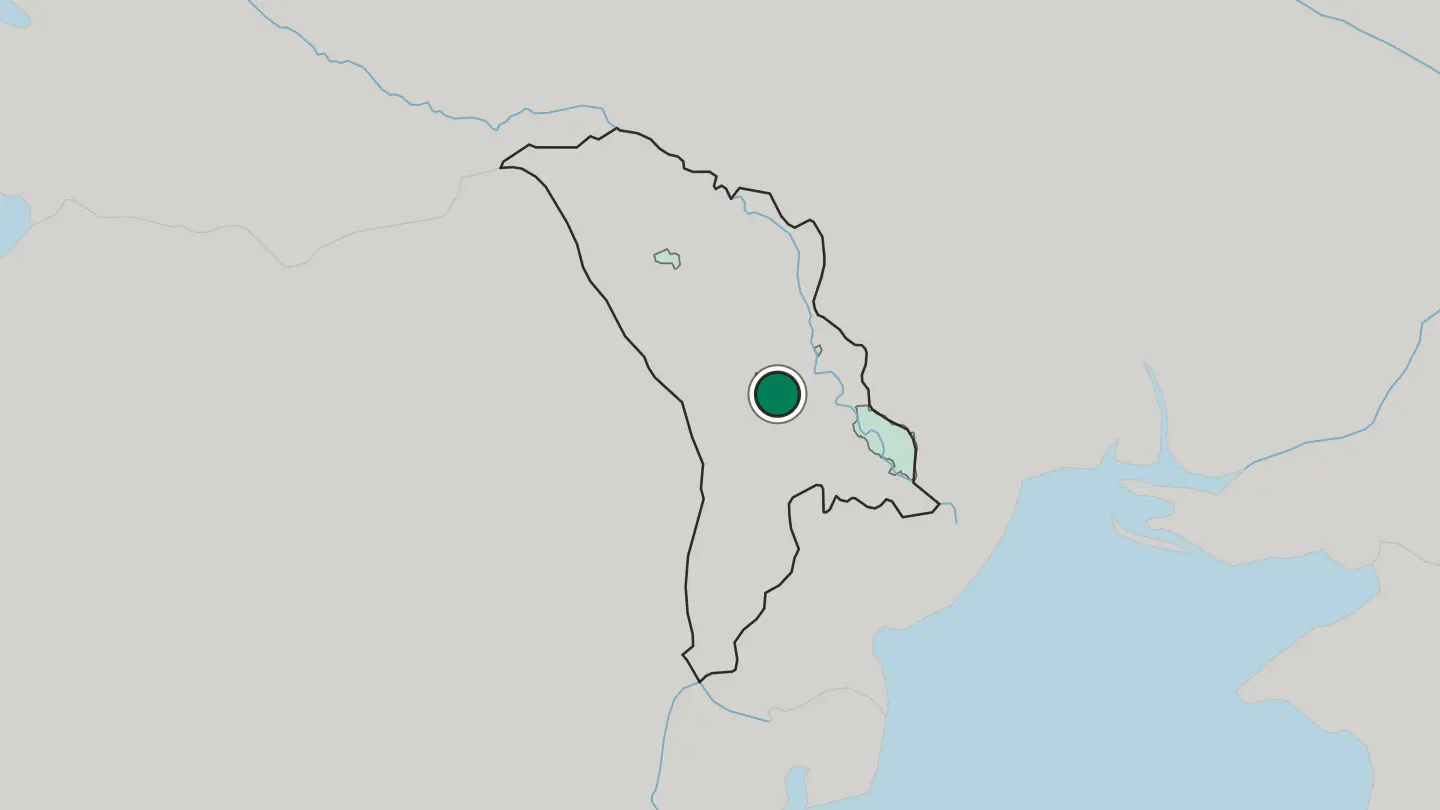
 Moldova
Bender
Bender, also called Tighina, stands on the right bank of the Dniester in Bessarabia, a city dating from 1408 and lined with war memorials.Where to stay →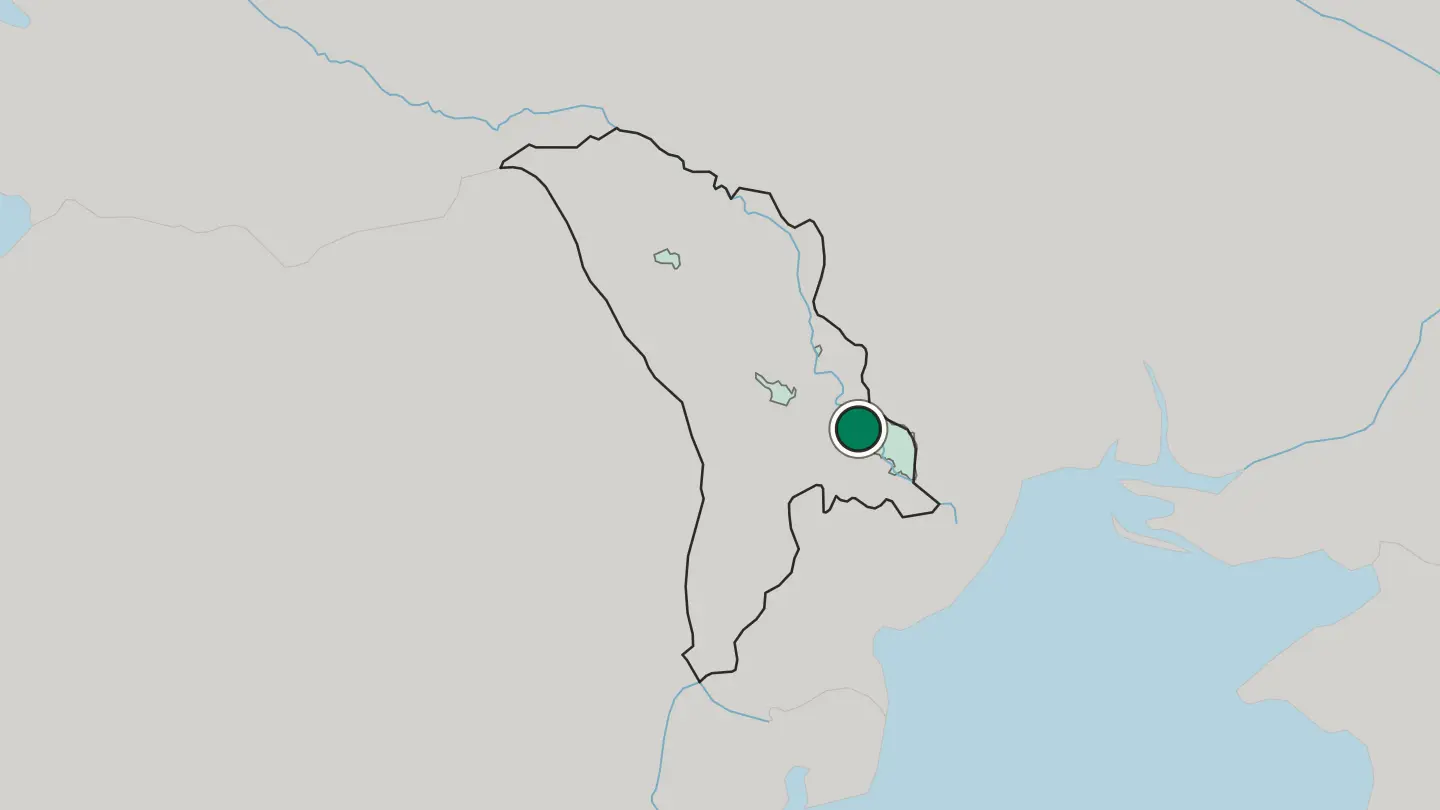
 Moldova
Bălţi
Bălţi is the main city of northern Moldova, a market and cultural centre on the Răut river in the steppe.Where to stay →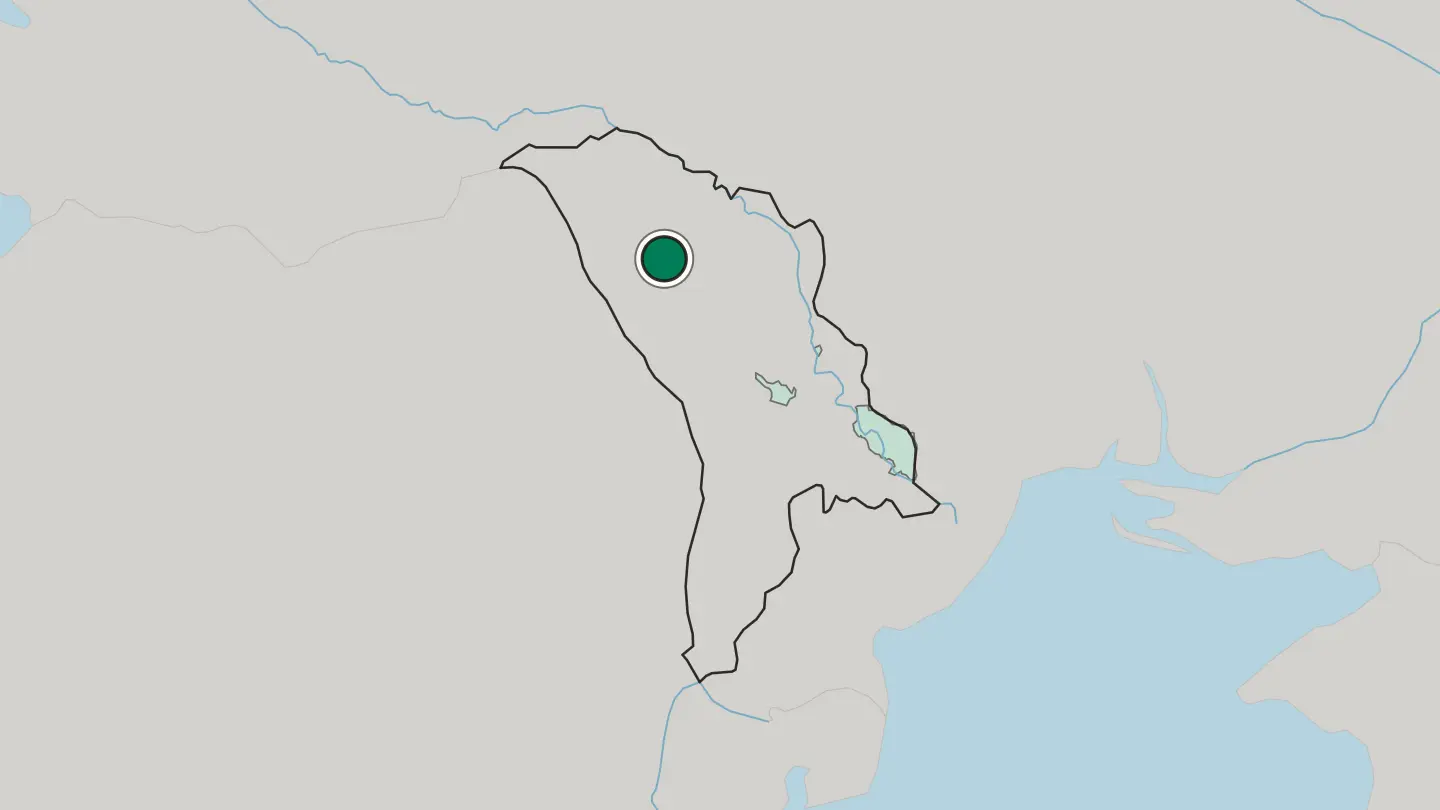
 Moldova
Rîbniţa
Rîbnița is a town on the left bank of the Dniester in northern Transnistria, seat of the Rîbnița District and held off the river by a concrete dam.Where to stay →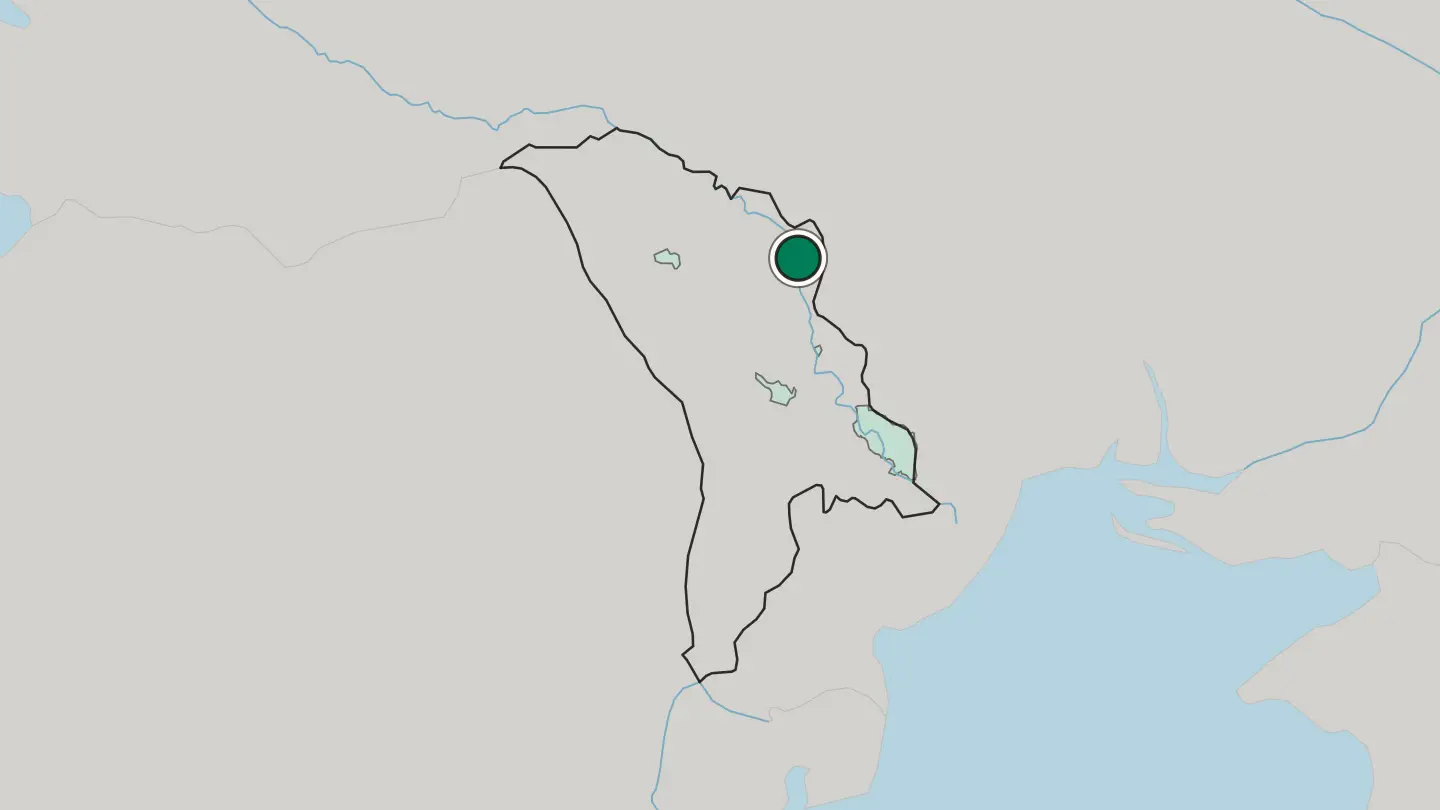
Hotel links are affiliate links: booking through them may earn us a commission, at no extra cost to you. It never affects how places are ranked. How this works
Regions of Moldova
Moldova
Administrative-Territorial Units of the Left Bank of the Dniester
The Administrative-Territorial Units of the Left Bank of the Dniester is a de jure autonomous territorial unit of Moldova.Towns & cities →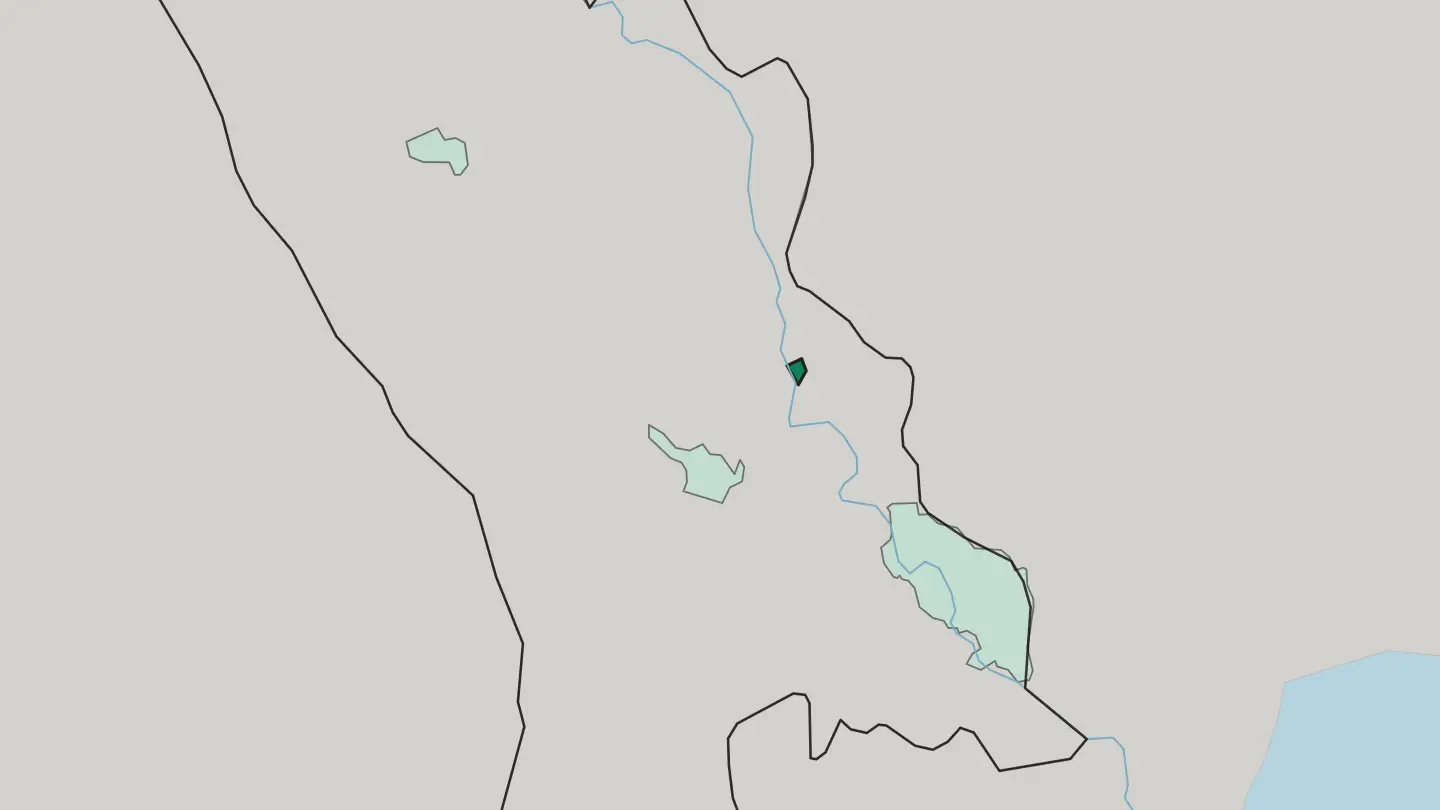 Moldova
Municipiul Bender
Municipiul Bender covers the city of Bender, also known as Bendery and Tighina, on the western bank of the Dniester in Moldova.Towns & cities →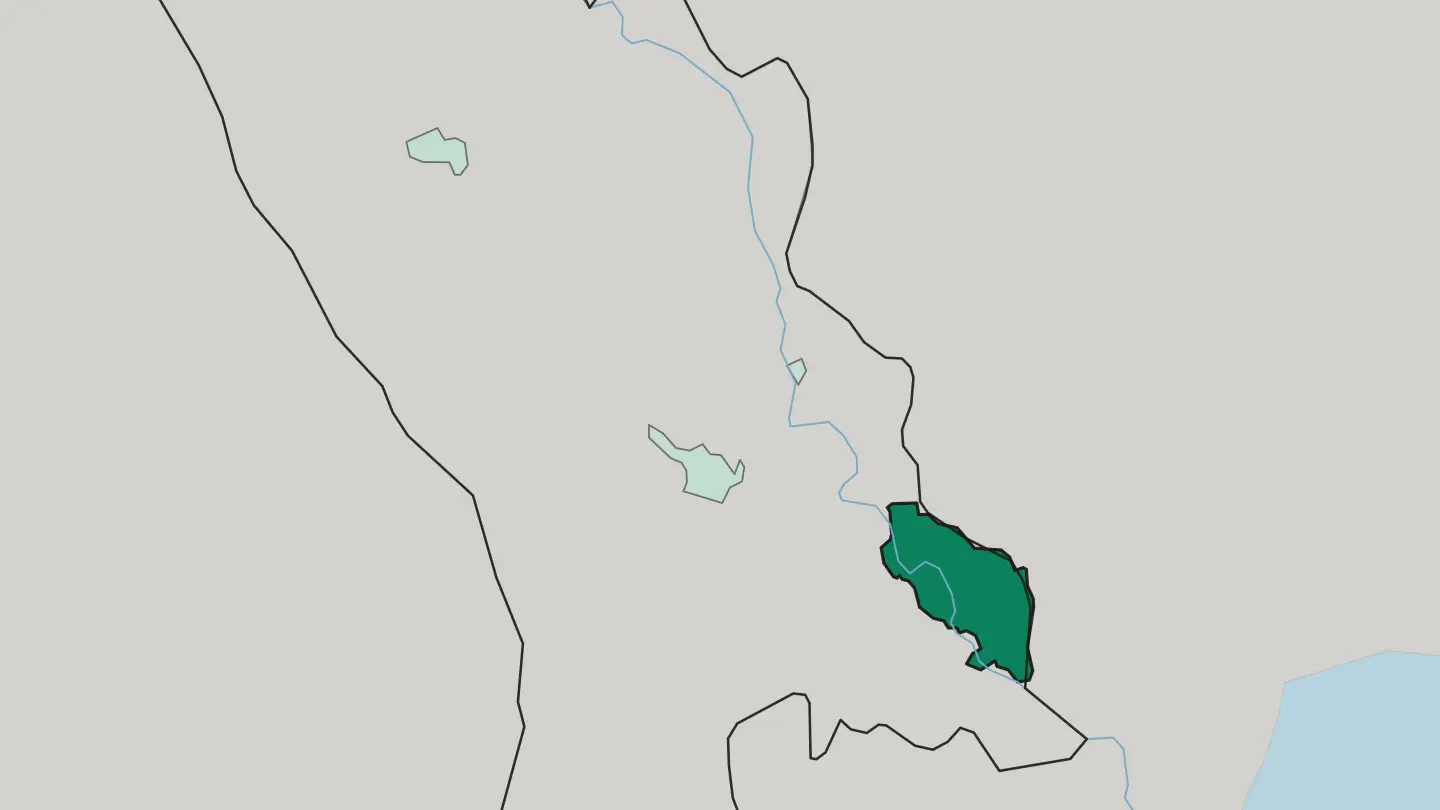 Moldova
Municipiul Bălţi
Municipiul Bălţi is the municipality around Bălți, Moldova's third-largest city, on the river Răut in the hilly Bălți steppe.Towns & cities →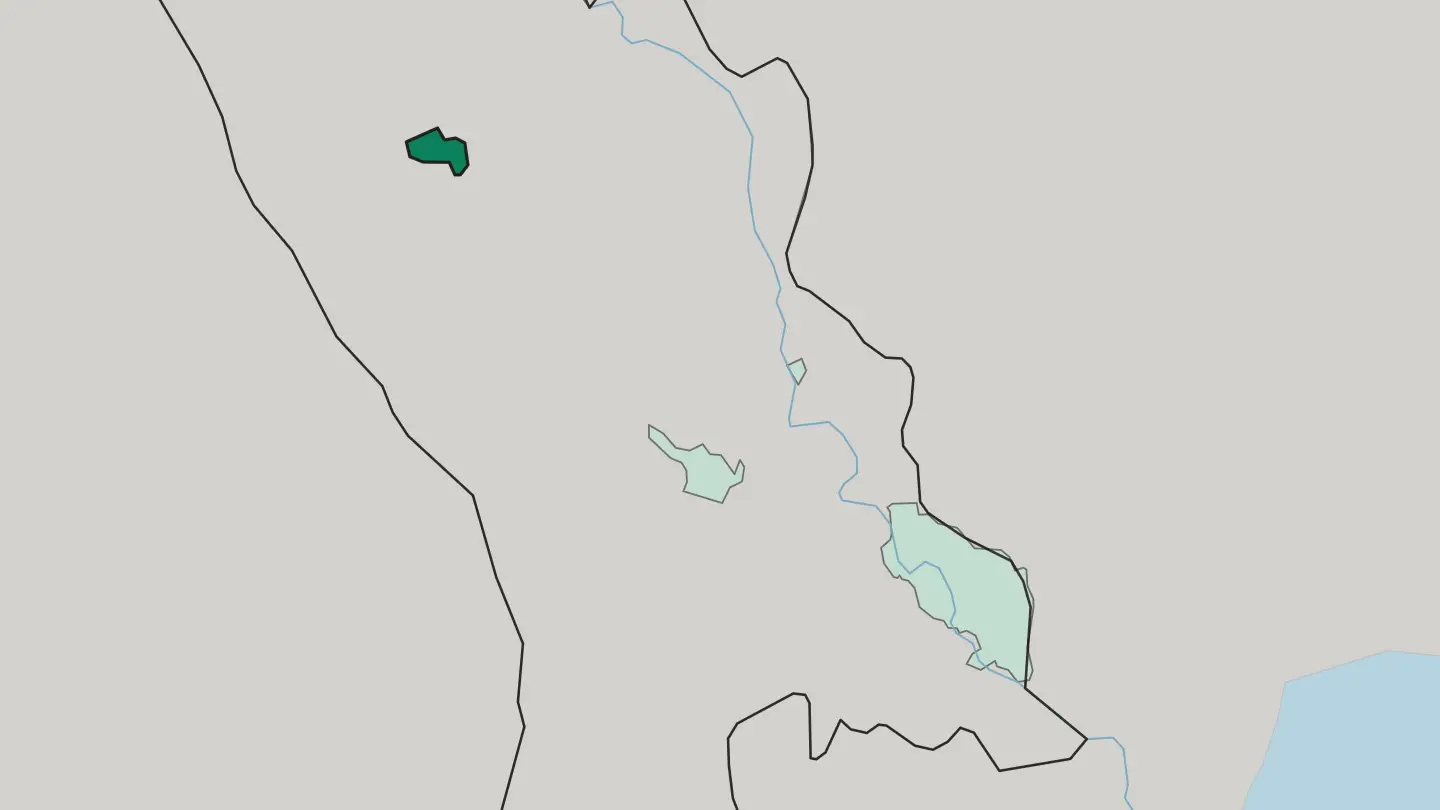 Moldova
Municipiul Chişinău
The Bîc valley cradles Municipiul Chişinău, the capital municipality of Moldova, home to the city of Chișinău and its surrounding communes.Towns & cities →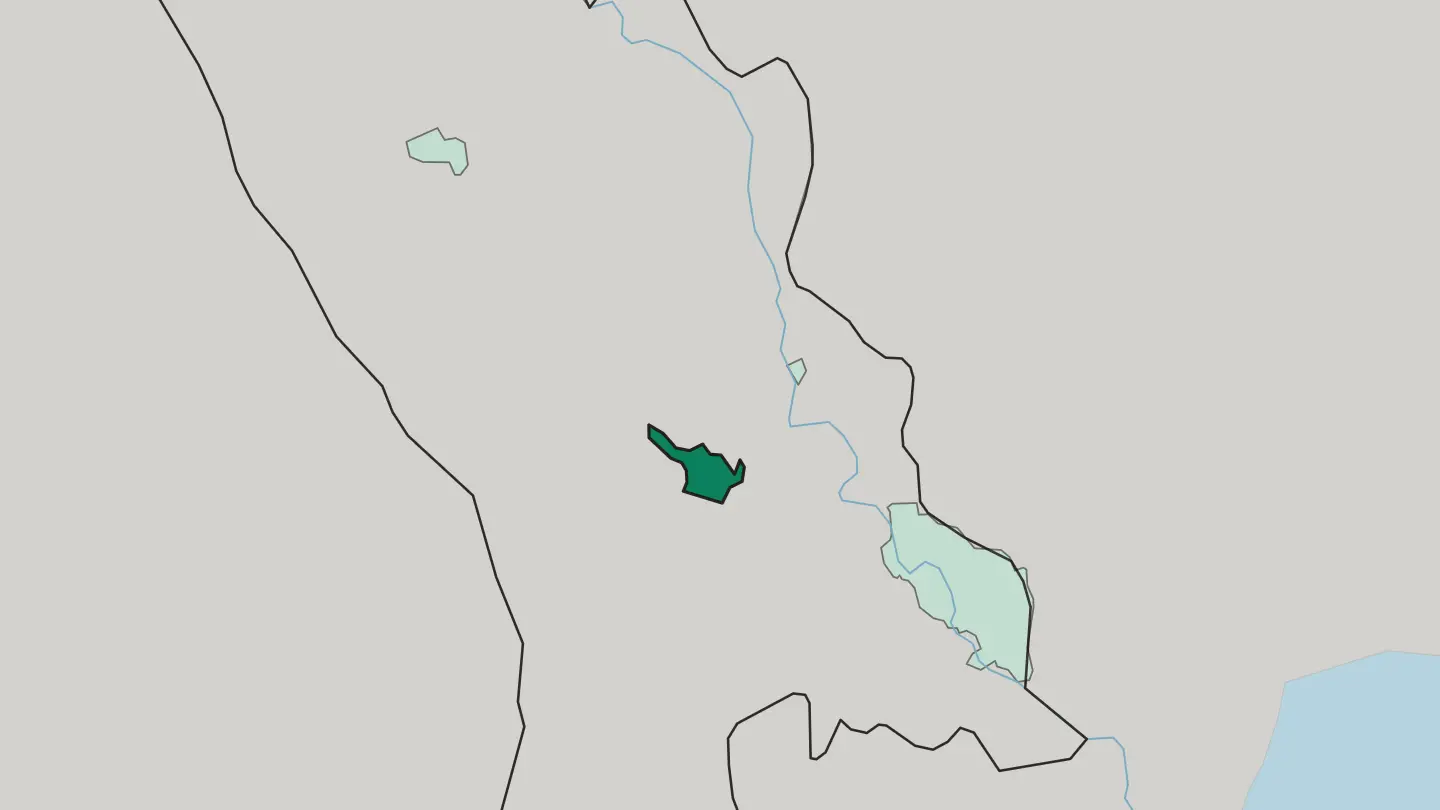
Explore by experience
Not sure which place? Start from how you want to travel.
About Moldova
Moldova is famous for its wine.
What is Moldova known for?
The cellars of Cricova run for kilometres of limestone tunnel north of Chișinău, and vineyards cover much of the country's central Codru hills. Monasteries matter too. The cave church cut into the cliff at Orheiul Vechi, above a loop of the Răut, is the image most travellers carry home.
Add the medieval fortress at Soroca on the Dniester and the Soviet-era streets of Tiraspol, and a small country holds a surprising spread.
Where is Moldova?
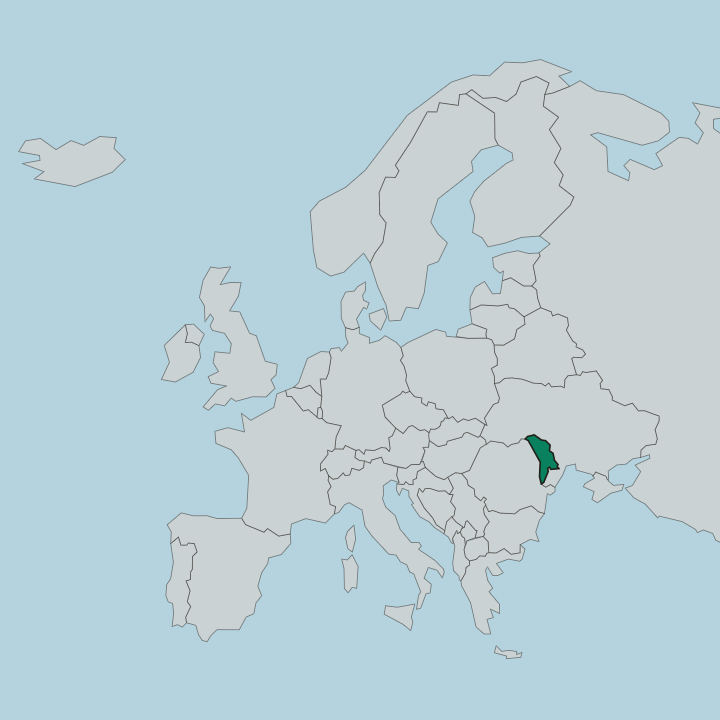
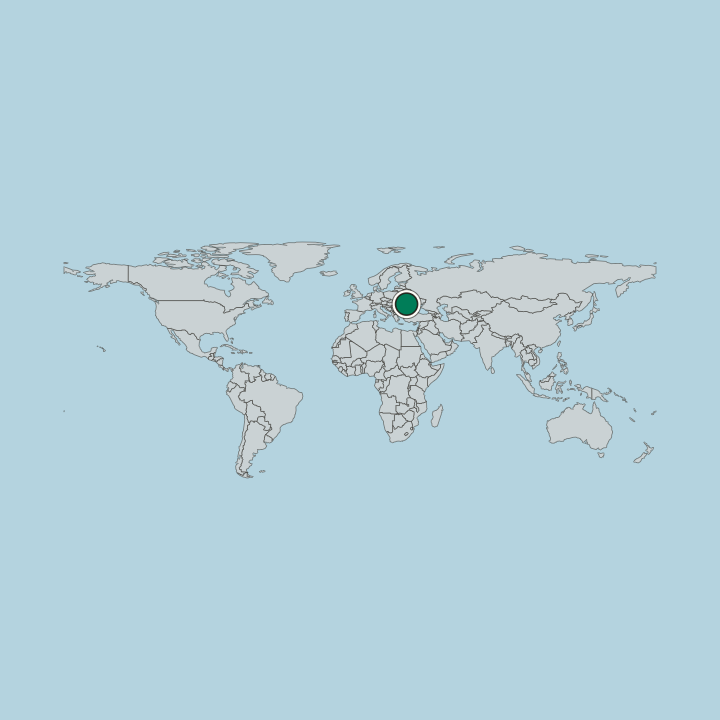
Moldova is a landlocked country in Eastern Europe, wedged between Romania to the west and Ukraine to the north, east, and south. Almost the whole of it lies in the ground between two great meandering rivers, the Prut along the Romanian border and the Dniester curling down the eastern edge, and the Prut finally joins the Danube at the country's southern tip. Moldova reaches no sea.
What it has instead is fertile, rolling farmland laced with vineyards and orchards, some of the richest black soil in Europe. The centre rises into the wooded Codru hills, an upland of beech and oak that averages a few hundred metres and lifts to Bălănești Hill in the west, the highest ground in the country at just over 400 metres. To the north the land flattens into the open Bălți steppe.
To the south it slopes down toward the Danube plain and the Black Sea lowlands beyond the border. Across the Dniester in the east lies the narrow strip of Transnistria, the breakaway region whose de facto authorities hold the far bank. Rivers, not mountains, order this landscape.
The Răut, largest of the country's own rivers, cuts the gorge at Orheiul Vechi before feeding the Dniester. Small in area, the country is unusually green.
What is the history of Moldova?
The land now called Moldova spent centuries inside the Principality of Moldavia, the medieval state founded in the fourteenth century that once stretched across the Prut into what is now Romania. Its most celebrated ruler was Ștefan cel Mare, Stephen the Great, who held off Ottoman and Hungarian armies through the second half of the fifteenth century and endowed the monasteries and fortified churches still scattered across Moldavian ground. The tide later turned against him.
In 1812 the Ottomans ceded the eastern half of the principality, the strip between the Prut and the Dniester, to the Russian Empire, which renamed it Bessarabia and ran it for a century. War then redrew the map again and again. Bessarabia broke free as the Russian Empire collapsed and voted in 1918 to unite with Romania, only for the Soviet Union to seize it in 1940 and rebuild it as the Moldavian Soviet Socialist Republic.
Decades of Russification and forced collectivisation followed. When the Soviet Union came apart, the republic declared independence in 1991 and took the name Moldova, and almost at once war flared along the Dniester as Transnistria broke away with Russian backing. That frozen conflict has never formally ended.
The past here is anything but settled.
What is Moldova like?
Moldova speaks the same language as Romania and shares much of its culture, yet a Slavic and Turkic overlay makes the country distinctly its own. Wine sits at the heart of it. Households across the Codru hills press their own vintage each autumn, and the cellars at Cricova store bottles for guests who once included Yuri Gagarin, so a visit is less a tasting than a rite.
Food follows the same rhythm. Mămăligă, a firm cornmeal porridge cut with a thread and served with sheep's cheese, garlicky mujdei, and stews, is the dish Moldovans claim as their own, and plăcinte pastries turn up at every roadside. Song and dance carry the older layer of the culture, with the doina lament and whirling hora circles performed at weddings and festivals.
The mix runs deeper still in the autonomous corners. Around Comrat the Gagauz keep a Turkic tongue and Orthodox faith side by side, while across the Dniester the towns of Transnistria hold to a Russian-speaking, Soviet-flavoured world of their own. Faith threads through all of it, from Ștefan cel Mare's fortified churches to the cave monastery hollowed into the cliff at Orheiul Vechi.
It is a small country that carries several worlds at once.
What is the climate of Moldova?
Moldova has a moderately continental climate. Summers run warm to hot, with July heat that can climb toward the low thirties across the Bălți steppe and the southern plains, while winters turn cold and often snowy. Spring and early autumn are the gentlest stretches.
The southern wine country toward the Danube gets the longest sunshine hours and the driest air, which is exactly why the vineyards thrive there. Most of the rain falls in the cooler half of the year.
How do you get to Moldova?
Almost every visitor arrives through Chișinău International Airport, the country's only commercial airport, a short drive south-east of the capital. There are no domestic flights. Moldova is small enough that buses, trains, and shared taxis reach everywhere from Chișinău, from the Cricova cellars just north to Soroca on the Dniester and Comrat in the Gagauz south.
Overland routes cross in from Romania and Ukraine as well, and many travellers pair the country with a stop in one of its neighbours. From the capital, the whole country is a day trip away.
Updated October 2026