Moldova · Municipiul Chişinău
Where to Stay in Chisinau, Municipiul Chişinău
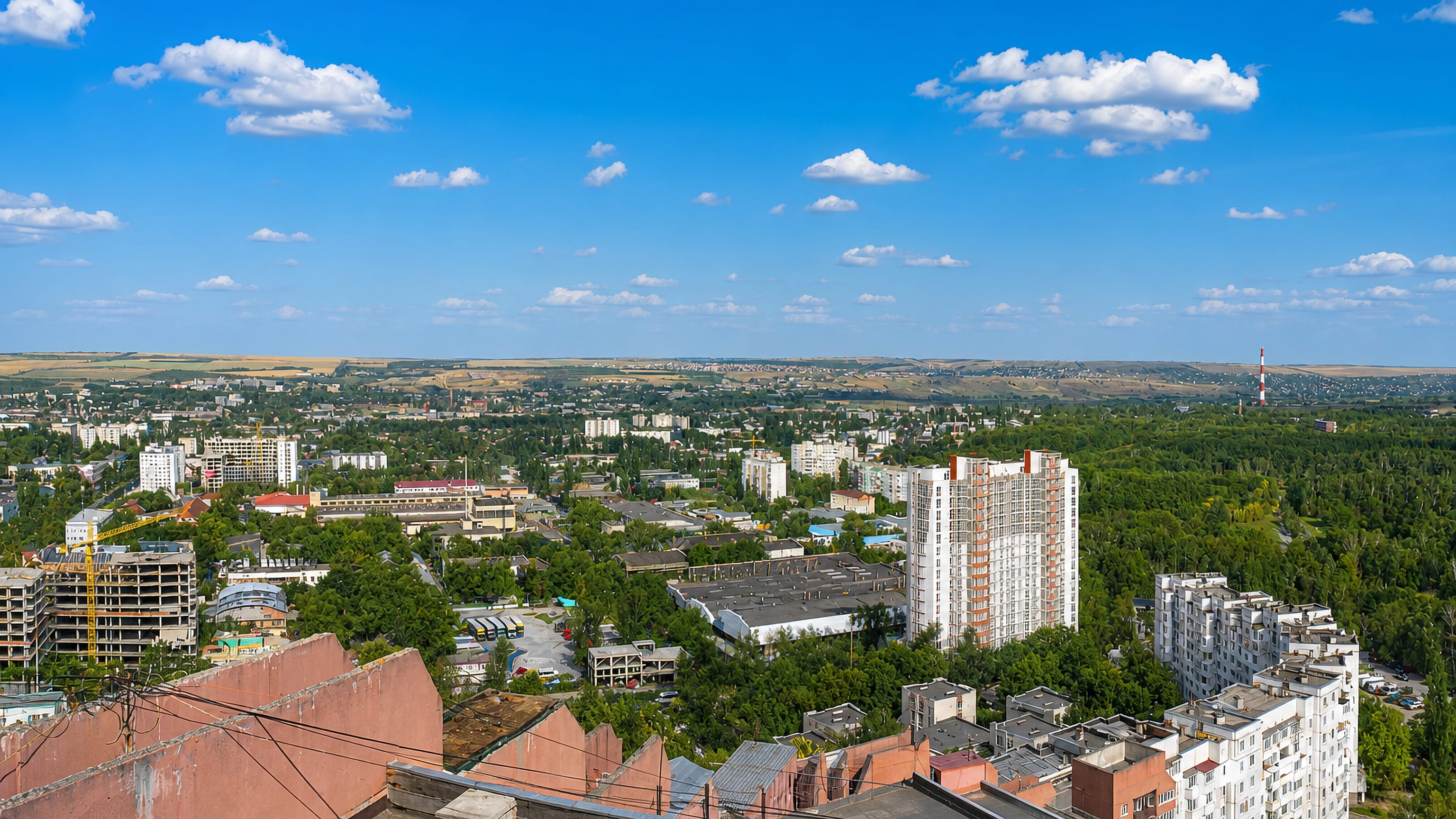
The river Bîc winds through Chișinău, the capital of Moldova, known for the Stephen the Great Monument and its tree-lined central boulevards.
Hotel links are affiliate links: booking through them may earn us a commission, at no extra cost to you. It never affects how places are ranked. How this works


Where to stay in Chisinau
Not every neighbourhood fits every trip — here's what each one is good for.

 ChisinauMoldova
Centru
Sectorul Centru is the museum-and-monument core of Chișinău, holding the Stephen the Great Monument and the Ștefan cel Mare Public Garden.Where to stay → ChisinauMoldova
Buiucani
Sectorul Buiucani is the wealthiest of the five sectors of Chișinău, with the National Museum of Fine Arts among its addresses.Where to stay →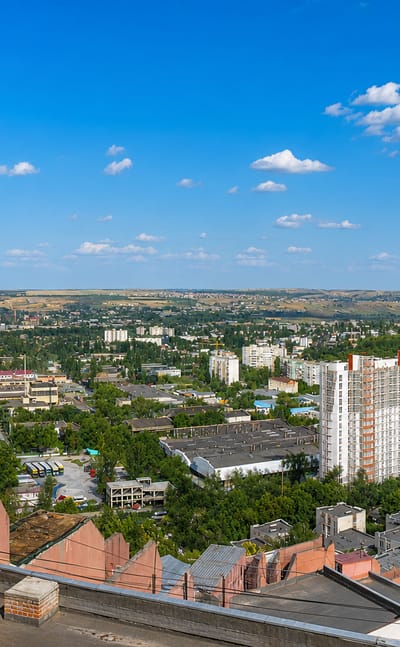 ChisinauMoldova
Rîşcani
Rîșcanovca to locals, Sectorul Rîșcani is the Chișinău sector strung along Bulevardul Moscova, in the capital of Moldova.Where to stay → ChisinauMoldova
Ciocana
Sectorul Ciocana is one of five sectors of Chişinău, capital of Moldova, and carries the name of the old village of Ciocana Nouă.Where to stay → ChisinauMoldova
Sectorul Botanica
Sectorul Botanica holds the zoo, the botanical garden and Chișinău International Airport among the five sectors of the Moldovan capital.Where to stay →Hotel links are affiliate links: booking through them may earn us a commission, at no extra cost to you. It never affects how places are ranked. How this works
Find hotels in Chisinau
Direct booking searches for these neighbourhoods.
Central boulevards
The core packs the Cathedral of Divine Providence, the National Museum of History of Moldova, and the tree-lined central park into a compact grid you can cross on foot.Find hotels in Central boulevardsQuieter residential stays away from the centreOuter quarters
Beyond the central avenues the city spreads into calmer neighbourhoods across the Bîc valley, where beds are fewer and the streets run toward the surrounding communes. Lodging is scarce in this area; reserve in advance.Find hotels in Outer quartersHotel links are affiliate links: booking through them may earn us a commission, at no extra cost to you. It never affects how places are ranked. How this works
Things to do in Chisinau
Ranked by global recognition; descriptions from Wikidata (CC0).
Museums & Galleries
3- National Museum of Ethnography and Natural History Heritage
- Water Tower of Chișinău Heritage
- Memorial house of Aleksandr Pushkin, Chișinău Heritage
Churches & Religious Sites
8- Ciuflea Monastery Heritage
- Wooden church of Hirișeni Heritage
- Măzărache Church Heritage
- Cathedral of Divine Providence, Chișinău Heritage
- Church of the Dormition in Chișinău Heritage
Show 3 more →
- St. Pantaleon church in Chișinău Heritage
- St. George church in Chișinău Heritage
- Transfiguration Church of Chișinău Heritage
Castles & Historic Sites
8- Stephen the Great Monument Heritage
- Capitoline Wolf, Chișinău Heritage
- Eternity Memorial Complex, Chișinău Heritage
- Equestrian statue of Grigory Kotovsky (Chișinău) Heritage
- Memorial to the victims of fascism in Chișinău Heritage
Show 3 more →
- Bulgarian Troops obelisk, Chișinău Heritage
- Băcioi III settlement Heritage
- World War II memorial in Băcioi, Chișinău Heritage
worth knowingacross 3 categories in Chisinau
About Chisinau
What is Chisinau known for?
Chișinău is the capital and largest city of Moldova, its main industrial and commercial centre. The city sits in the middle of the country, on the river Bîc, a tributary of the Dniester. It is the country's largest transport hub.
Landmarks such as the Cathedral of Divine Providence and the National Museum of History of Moldova draw visitors to the centre, while the Stephen the Great Monument anchors the city's civic heart. Chișinău concentrates the nation's economic life.
What are the main landmarks in Chisinau?
Chișinău gathers its main landmarks around the central boulevards. The Stephen the Great Monument stands at the civic core, near the Cathedral of Divine Providence and the Water Tower of Chișinău. Museums cluster close by.
The National Museum of History of Moldova, the National Museum of Fine Arts, and the National Museum of Ethnography and Natural History hold the city's collections, while the Ciuflea Monastery and the Măzărache Church mark its older religious sites across the capital.
What is the history of Chisinau?
Chișinău is first recorded in 1436, beginning as a small settlement on the river Bîc. It grew slowly at first. Over the centuries the town on the Bîc expanded from that early nucleus into the largest settlement in the land that became Moldova, gathering trade, administration, and people around the crossing of the valley.
The Măzărache Church survives as one of the oldest built witnesses to that older Chișinău. As the city rose, it took on the role of a regional centre, and later the capital of Moldova. Museums such as the National Museum of History of Moldova now hold the record of that long arc, while monuments across the centre mark its layered past.
The Stephen the Great Monument honours a figure from the region's medieval history, and the Eternity Memorial Complex commemorates later events. From a settlement first named in 1436, Chișinău became the country's principal city, its industrial and commercial centre, and the seat set at the middle of Moldova on the Bîc.
Where is Chisinau?
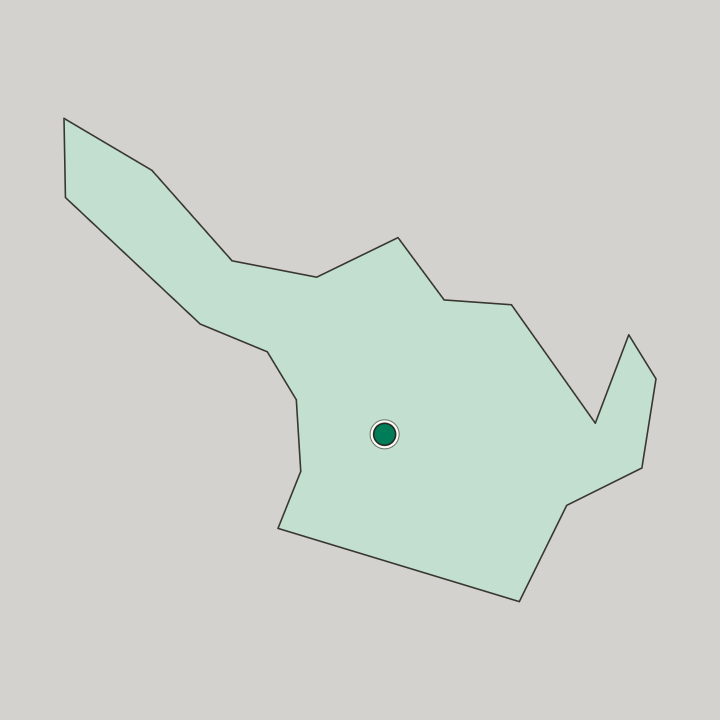
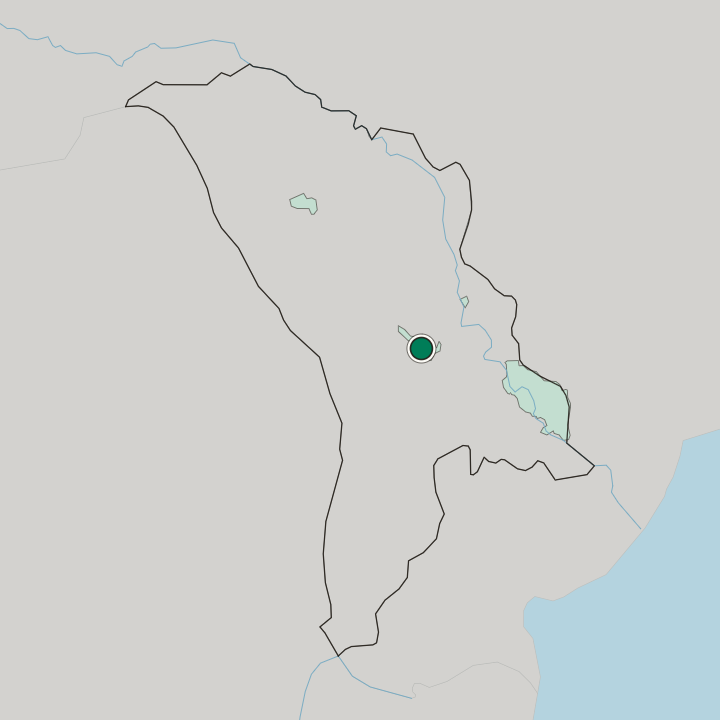
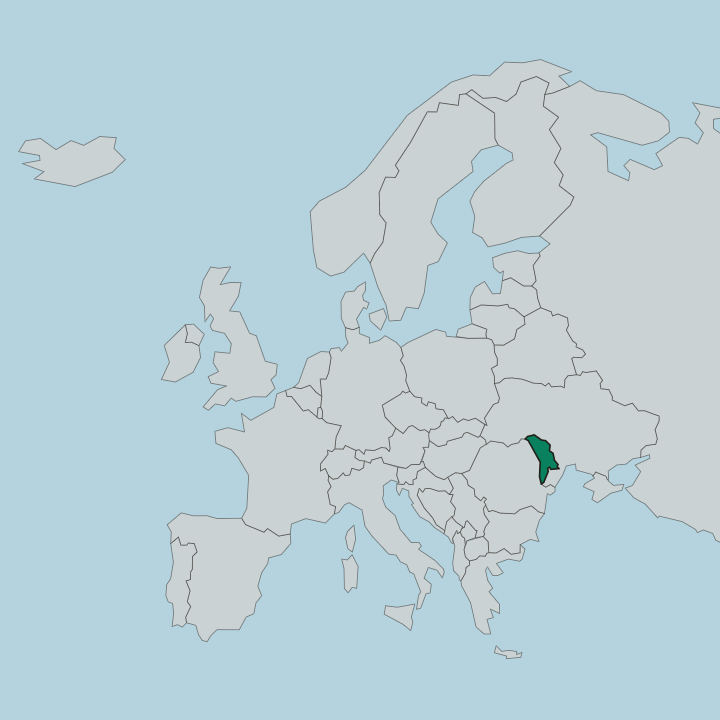
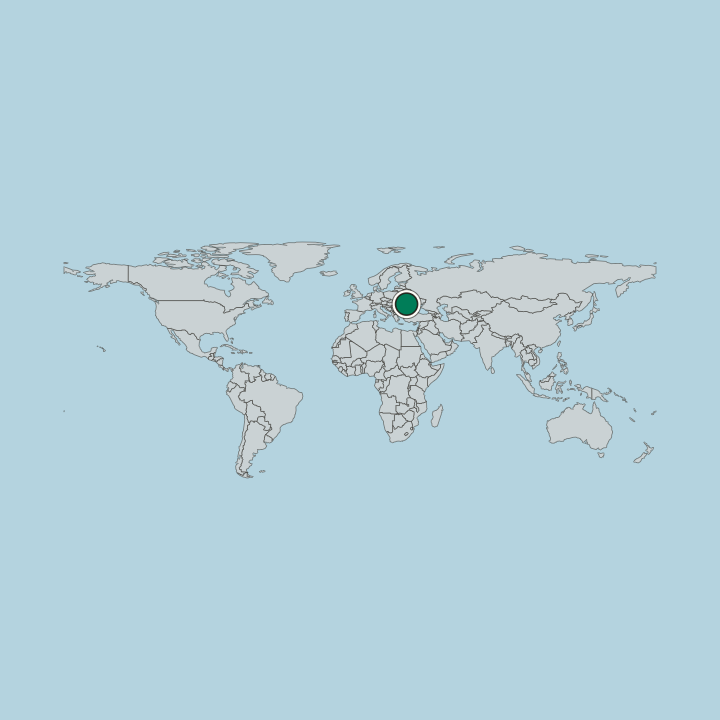
Chișinău lies in the middle of the country, on the river Bîc, a tributary of the Dniester. The Bîc threads through it. The capital spreads across the valley and the low hills that rise on either side of the stream, in the interior of Moldova and far from any coast.
This is an inland city. That setting on the Bîc places Chișinău at the heart of the surrounding municipality and near the centre of the whole country.
What is the climate of Chisinau?
Chișinău has a temperate, continental climate. Frost grips Chișinău through the winter. Summers over the Bîc valley run warm and often dry, while the colder months bring frost and snow to the capital, and the seasons stand out sharply against one another.
The inland position tells. Placed in the middle of Moldova, far from any moderating coast, the city swings clearly between its warm and cold halves of the year, with spring and autumn as short transitions between the two.
How do you get to Chisinau?
Chișinău is Moldova's largest transport hub, set in the middle of the country. Roads converge on the capital. Rail lines and the main airport serving the city tie it into the wider region, while highways run out from the centre across the Bîc valley to the surrounding communes and beyond into Moldova.
From the city, the rest of the country is a manageable drive, with Chișinău acting as the natural gateway point for onward travel.
Common questions
What is the best area to stay in Chisinau?
Central boulevards: Walking to the Stephen the Great Monument and the capital's museums. Outer quarters: Quieter residential stays away from the centre.
Good for
Updated October 2026