Madagascar · Analamanga Region
Where to Stay in Antananarivo, Analamanga Region
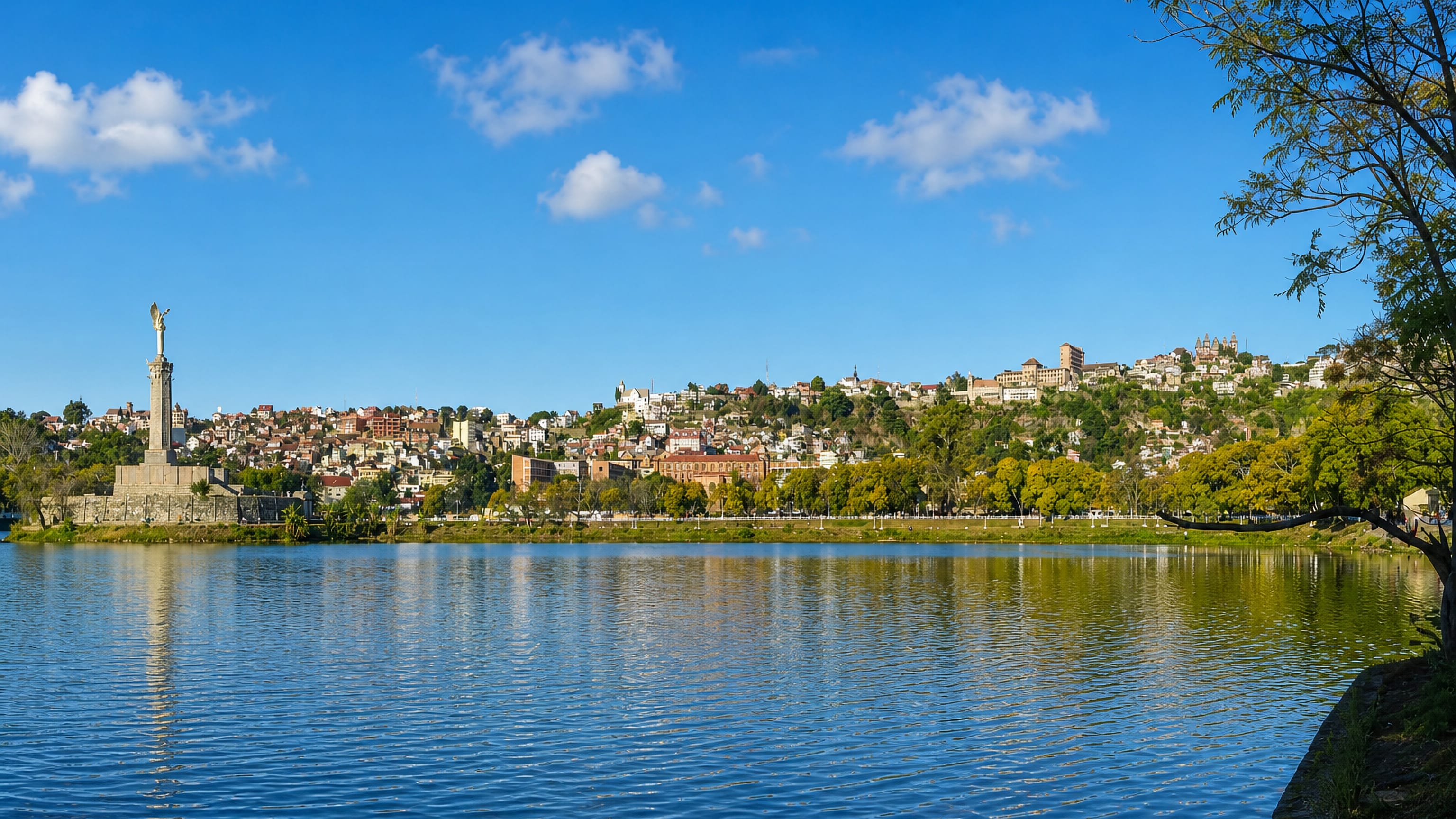
Antananarivo climbs across plateau hills at the centre of Madagascar, the island's capital and largest city, known for its royal palaces and Lake Anosy.
Hotel links are affiliate links: booking through them may earn us a commission, at no extra cost to you. It never affects how places are ranked. How this works


Where to stay in Antananarivo
Where the beds are, and what that means for the visit.
Antananarivo is the practical base for staying anywhere in central Madagascar, and its accommodation clusters on the hills of the plateau capital. It rises in tiers. The upper town gathers around the ridge crowned by the reconstructed royal palaces, and the ground falls away from there toward Lake Anosy and the wider basin, so where you stay largely decides whether you wake among the historic upper quarters or nearer the lower city.
For first-time visitors the centre suits best, keeping the palaces, Andafiavaratra Palace, and the martyr cathedrals within walking or short-drive reach. Down by Mahamasina Stadium and Lake Anosy the ground is flatter and the streets broader. Choose the ridge for the old royal quarter and the plateau views; choose the lower town for easier movement across the basin.
Either way the surrounding Analamanga region has little urban lodging beyond the capital, so Tana is where nearly every stay in this part of the island begins and ends.
Find hotels in Antananarivo
Direct booking searches for these neighbourhoods.
Upper town
The ridge above Antananarivo carries the reconstructed royal palaces and Andafiavaratra Palace, with the old upper streets and long views over the highland basin.Find hotels in Upper townflatter ground and easy movement across the basinLower city
The land below Antananarivo's ridge opens out around Mahamasina Stadium and Lake Anosy into broader, level streets that make crossing the capital simpler.Find hotels in Lower cityHotel links are affiliate links: booking through them may earn us a commission, at no extra cost to you. It never affects how places are ranked. How this works
Things to do in Antananarivo
Ranked by global recognition; descriptions from Wikidata (CC0).
Museums & Galleries
3- University of Madagascar's Museum of Art and Archaeology
- Museum of Ethnology and Paleontology
- Musée Rainilaiarivony
Churches & Religious Sites
3- FJKM Tranovato Ambatonakanga Heritage
- FJKM Rasalama Maritiora Ambohipotsy Heritage
- EKAR Faravohitra
Parks & Gardens
1- Botanical and Zoological Garden of Tsimbazaza
worth knowingacross 3 categories in Antananarivo
About Antananarivo
What is Antananarivo known for?
Antananarivo is known as the capital and largest city of Madagascar, set high on the central plateau of the island. Locals shorten the name to Tana. The city holds the country's seat of government, with the Presidency, the National Assembly, the Senate, and the Supreme Court all based here.
It has long drawn the island's universities, art venues, and medical services into one hilltop centre above the surrounding highlands of Analamanga.
What are the main landmarks in Antananarivo?
Antananarivo's landmarks crown the plateau ridges of the capital. The reconstructed royal palaces stand on the highest ground, with the Andafiavaratra Palace nearby and four 19th-century martyr cathedrals marking the city's Christian history. Lake Anosy sits in the lower basin below the hills.
Visitors also reach the Botanical and Zoological Garden of Tsimbazaza, Mahamasina Stadium, the Museum of Art and Archaeology, and the tomb of Rainiharo, a spread of heritage tied to the highland capital of Madagascar.
What is the history of Antananarivo?
Antananarivo grew from a hilltop stronghold founded in 1625 into the capital of Madagascar. Its origins lie on the ridge. From that high ground the settlement expanded across the surrounding plateau hills, and it had become the island's largest population centre by at least the 18th century, long before its modern role took shape.
The royal palaces on the crest recall the Malagasy monarchy that ruled from this hill, and the Andafiavaratra Palace below them dates from that same era of court and government. Four 19th-century martyr cathedrals mark the arrival and hard early years of Christianity in the city. As the seat of the Presidency, the National Assembly, the Senate, and the Supreme Court, Antananarivo carried its old status as the plateau capital of Madagascar into the institutions of the modern state, and its hills still hold the layers of that long history above the Analamanga highlands.
Where is Antananarivo?
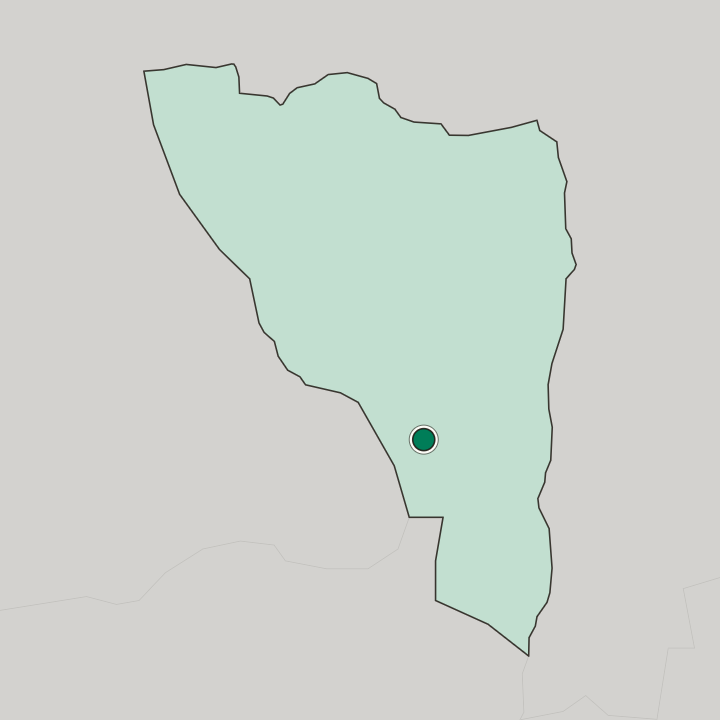
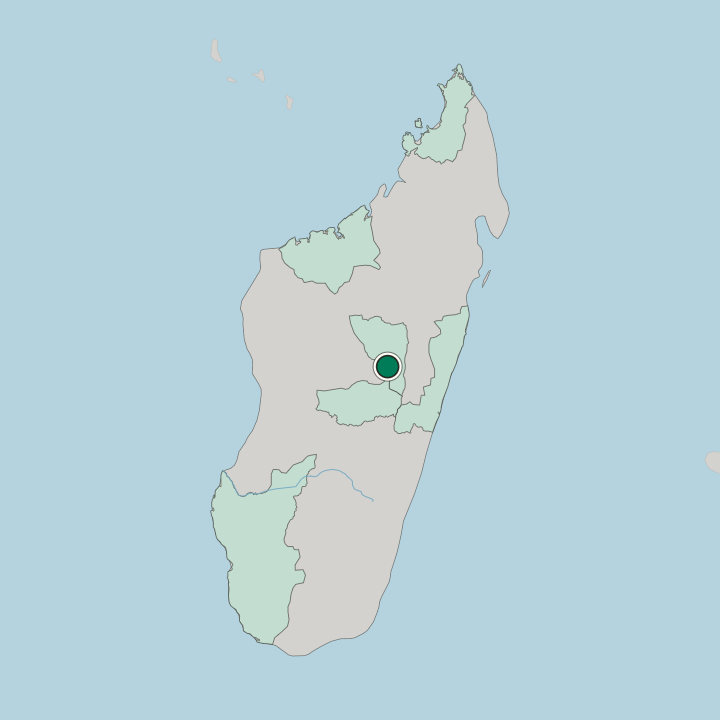
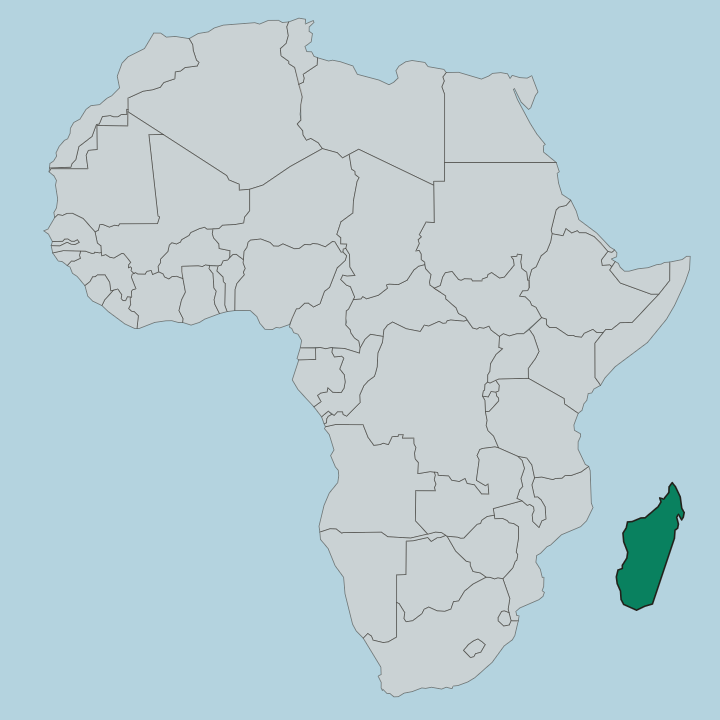
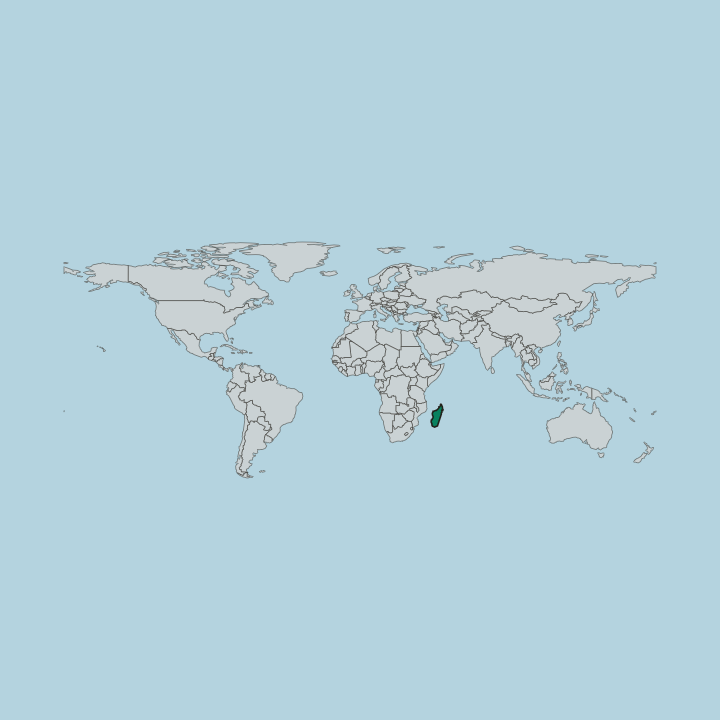
Antananarivo stands at the centre of Madagascar, high on the island's central plateau. It is hill country. Built across a cluster of ridges, the city rises well above sea level and ranks as the highest national capital by elevation among the island countries, with the ground dropping below its crests to Lake Anosy and a broad basin.
This is interior highland, far inland from the coast, and the plateau setting of the Analamanga region shapes the whole city.
What is the climate of Antananarivo?
Antananarivo has the temperate highland climate of central Madagascar. Its height on the plateau tempers the tropics, so the city stays milder and cooler than the coastal lowlands of the island. Warm, wetter weather fills the growing season.
Cooler and drier air settles over the hills at other times of the year, and the elevated plateau setting, rather than any sea, governs the seasons across the capital and the wider Analamanga highlands.
How do you get to Antananarivo?
Antananarivo is the main gateway into Madagascar and the hub of the island's transport. As the national capital, the city is reached by air and by the roads that climb onto the central plateau from the lowlands. It anchors the Analamanga region.
From the capital the surrounding highland towns lie within easy reach, and nearly every journey into central Madagascar passes first through Tana on its high hills.
Common questions
What is the best area to stay in Antananarivo?
Upper town: the royal quarter and plateau views. Lower city: flatter ground and easy movement across the basin.
Good for
Updated October 2026